Spanish Moss (Tillandsia Usneoides)
Plants have always fascinated human beings with their diverse forms, colors, and unique survival strategies. Among the countless plant species on our.
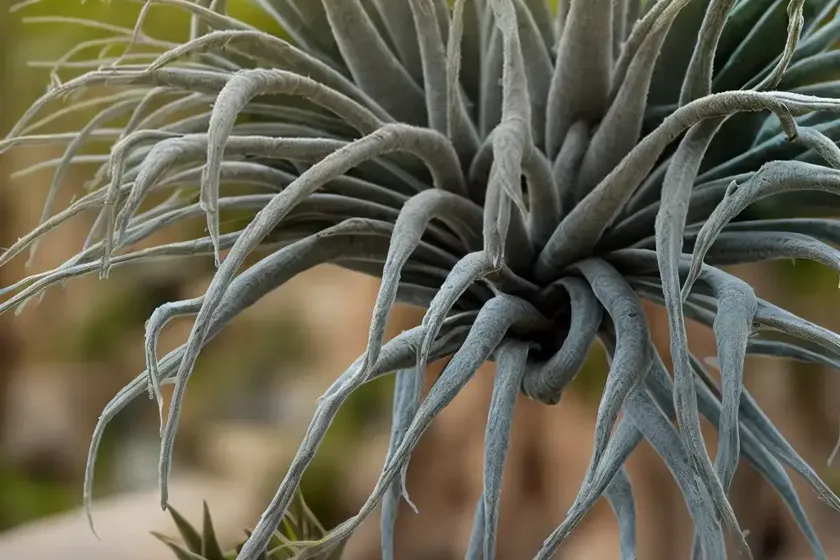
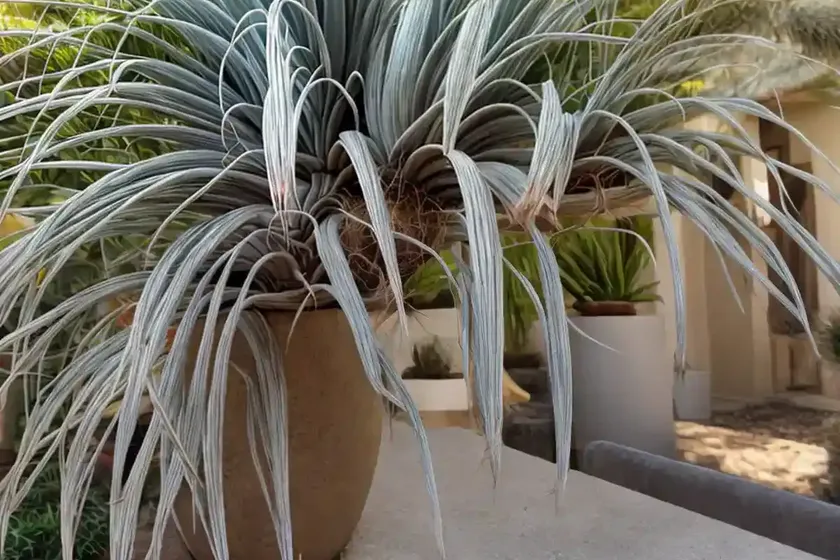
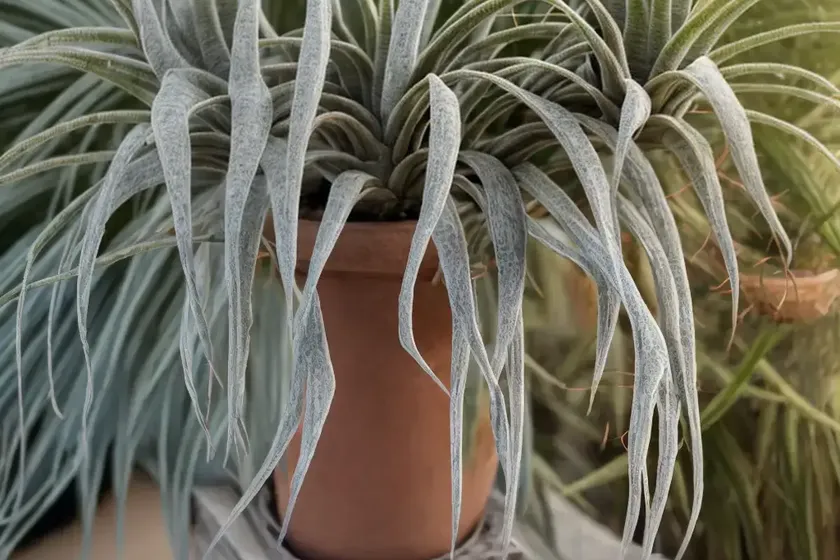
Plants have always fascinated human beings with their diverse forms, colors, and unique survival strategies. Among the countless plant species on our planet, Tillandsia usneoides, commonly known as Spanish Moss, stands out as a striking example of an epiphytic plant. This delicate and ethereal plant captivates our imagination with its draping tendrils and adds an air of mystery to the landscapes it adorns.
In this extensive guide, we will delve into the captivating world of Spanish Moss, exploring its biology, cultural significance, uses, care requirements, and much more. Join me on this journey through the fascinating realm of Tillandsia usneoides, as we uncover its secrets and unravel the intricacies of its existence.
What is Tillandsia usneoides (Spanish Moss)?
Tillandsia usneoides, commonly referred to as Spanish Moss, is a flowering plant that belongs to the family Bromeliaceae. Although its common name suggests a connection to Spain, this fascinating plant is actually native to the Americas, ranging from the southeastern United States down to Argentina and Uruguay. Spanish Moss is an epiphyte, a type of plant that grows non-parasitically on another plant, typically a tree, using it only for support.
Key Takeaways – Spanish Moss (Tillandsia usneoides)
Before we embark on our exploration of Spanish Moss, let’s take a moment to highlight the key takeaways that will guide our journey through its captivating world:
- Spanish moss facts: Exploring the biological and cultural aspects of Tillandsia usneoides.
- Spanish moss care: Discovering the best practices for nurturing and maintaining Spanish Moss in various environments.
- Hanging plants: Understanding the unique appeal and care requirements of plants that grow suspended in the air.
- Air plants: Exploring the characteristics and care essentials of air plants, to which Spanish Moss belongs.
- Native plants of the Americas: Emphasizing the natural heritage and ecological importance of Tillandsia usneoides.
- Tillandsia family: Understanding the broader context of Spanish Moss within the diverse family of Tillandsia plants.
As we uncover the intricacies of Spanish Moss and its care requirements, we will keep these key takeaways in mind, providing a comprehensive understanding of this remarkable plant.
Culture of Spanish Moss
Spanish Moss has established a prominent place in the cultures of the regions it inhabits. It is often associated with the American South and is frequently depicted in literature, art, and folklore as a symbol of the region’s natural beauty and mystique. This captivating plant has woven itself into the fabric of Southern culture, becoming an iconic feature of the landscapes it adorns.
Spanish Moss Symbolism
In Southern folklore and traditions, Spanish Moss is often imbued with symbolic significance. It is regarded as a representation of mystery, romance, and the ethereal beauty of the Southern landscapes. Moreover, it has been associated with folklore and ghost stories, adding an element of enchantment to its symbolism.
Uses of Spanish Moss
Beyond its cultural symbolism, Spanish Moss has various practical uses that have been recognized and utilized by different cultures throughout history. Here are some of the noteworthy uses of Tillandsia usneoides:
- Crafting: Spanish Moss has been historically used in traditional crafts, including basket weaving and the creation of decorative items.
- Insulation: In the past, Spanish Moss was used as a stuffing material for various purposes, including insulation in homes and as a packing material.
- Gardening: It is commonly used as a decorative element in gardens and landscapes, adding a touch of rustic charm to outdoor spaces.
- Animal Habitats: Spanish Moss provides nesting material and shelter for various species of birds and small animals, contributing to local ecosystems and biodiversity.
Water Requirements for Spanish Moss
As an epiphytic plant, Spanish Moss has unique water requirements that differ from those of traditional terrestrial plants. Understanding these requirements is crucial for successfully cultivating and caring for this intriguing plant.
Moisture Absorption
Spanish Moss obtains moisture and nutrients from the air and rain, rather than from its host tree. Its specialized scales and structures allow it to absorb moisture from the atmosphere, making it well-suited to humid environments.
Irrigation and Humidity
When grown in a garden or as a potted plant, Spanish Moss benefits from regular misting and occasional light watering, especially during dry spells. High humidity levels are essential for its well-being, and it is important to simulate the moist, humid conditions of its natural habitat.
Sunlight Requirements for Spanish Moss
Spanish Moss thrives in bright, indirect light, making it well-suited for growing under the canopy of trees or in partially shaded areas. Direct sunlight can be too intense and may cause the delicate tendrils to dry out or become damaged. Finding the ideal balance of light and shade is crucial for the health and vitality of Spanish Moss.
Fertilizer for Spanish Moss
Unlike many traditional plants, Spanish Moss does not rely on soil for its nutrients. It absorbs water and nutrients through its specialized scales and structures, obtaining what it needs from the surrounding environment. As a result, fertilization is not typically necessary for healthy and vigorous growth.
Soil Requirements
Since Spanish Moss is an epiphytic plant, it does not require soil for its growth. Instead, it anchors itself to the branches of trees or other structures, using them for support while obtaining moisture and nutrients from the air and rain.
Pruning Spanish Moss
Pruning Spanish Moss is primarily a matter of aesthetic maintenance, as the plant does not require extensive pruning for its health and well-being. Removal of dead or unsightly portions can be performed to maintain its appearance, and to ensure proper air circulation within dense growth.
Propagation of Spanish Moss
Spanish Moss can be propagated through several methods, including division and by collecting and planting the small seeds found within its flower bracts. Successfully propagating Spanish Moss often involves replicating the humid and sheltered conditions of its natural habitat, allowing the new growth to take root and thrive.
Spanish Moss in Containers
Growing Spanish Moss in containers can be a rewarding and visually appealing endeavor. Creating unique hanging displays and container gardens using Spanish Moss adds a touch of natural elegance to indoor and outdoor spaces.
Popularity of Spanish Moss in Containers
Spanish Moss is a popular choice for hanging containers and decorative arrangements due to its ethereal appearance and adaptability to various environments. As a result, it is frequently incorporated into interior design and landscaping to create visually striking displays.
Common Diseases and Pests
While Spanish Moss is relatively resistant to diseases and pests, certain issues may arise under specific conditions or environmental stressors. Understanding these potential challenges is instrumental in maintaining its health and vitality.
Disease Diagnosis
Common plant diseases such as fungal infections and rot may affect Spanish Moss, particularly under excessively damp or poorly ventilated conditions. Swift diagnosis and appropriate intervention are crucial in addressing these issues before they compromise the plant’s well-being.
Common Pests
Despite its resilience, Spanish Moss may occasionally face pest infestations, with aphids and scale insects being among the most common culprits. Regular monitoring and proactive pest management are essential for preserving the health and beauty of Spanish Moss.
Botanist’s Tips for Spanish Moss Care
As we have delved into the unique characteristics and care requirements of Spanish Moss, it is essential to compile a set of expert tips to facilitate the successful cultivation and maintenance of this captivating plant:
- Optimal Moisture: Maintain a balance of moisture levels by misting and watering as needed, emulating the humid conditions of its natural habitat.
- Indirect Light: Position Spanish Moss in areas with bright, indirect light to ensure healthy growth and prevent sun damage.
- Adequate Air Circulation: Ensure proper ventilation to prevent stagnant air and moisture build-up, reducing the risk of fungal issues.
- Regular Inspection: Monitor the plant for signs of pests and diseases, addressing any concerns promptly to safeguard its well-being.
- Symphonic Composition: Incorporate Spanish Moss into diverse arrangements, utilizing its unique form to create visually striking displays.
Fun Facts about Spanish Moss
To conclude our exploration of Spanish Moss, let’s uncover some intriguing and lesser-known facts about this fascinating epiphytic plant:
- Ecosystem Role: Spanish Moss contributes to its ecosystems by providing habitats and nesting material for various species of birds and small animals.
- Air Purification: Like all plants, Spanish Moss partakes in the process of photosynthesis, contributing to oxygen production and air purification.
- Cultural Significance: Spanish Moss holds cultural significance in Southern folklore, art, and traditions, playing a role in the region’s identity and heritage.
- Natural Adaptations: Spanish Moss exhibits various adaptations to its environment, allowing it to thrive as an epiphyte in diverse ecosystems.
Links to External Resources
For further exploration of Spanish Moss and related topics, consider visiting the following external resources:
- Smithsonian Gardens – Tillandsia usneoides
- University of Florida IFAS Extension – Spanish Moss
- North Carolina State University – Spanish Moss
- Texas A&M AgriLife Extension – Spanish Moss
Conclusion
Spanish Moss, with its ethereal beauty and captivating presence, has secured a place in the hearts of plant enthusiasts and cultural aficionados alike. Its unique biology, cultural symbolism, and wide-ranging uses elevate it to a status of both ecological importance and aesthetic appeal.
As we have embarked on this detailed exploration of Tillandsia usneoides, it is my hope that you have gained a comprehensive understanding of this remarkable plant, from its cultural significance and uses to its care requirements and ecological contributions. Whether adorning the branches of trees in its native habitats or gracing hanging containers in homes and gardens around the world, Spanish Moss continues to enchant and inspire, leaving an indelible mark on the landscapes it inhabits.
Let Spanish Moss serve as a testament to the boundless diversity and allure of the plant kingdom, reminding us of the intricate tapestry of life that surrounds us.
In our journey through the realm of Spanish Moss, we have unearthed a wealth of knowledge and appreciation for this captivating plant, reaffirming its position as an emblem of beauty, resilience, and cultural significance.
As we conclude our exploration, I invite you to embrace the enigmatic allure of Spanish Moss, allowing its delicate tendrils and rich history to inspire a renewed connection with the wondrous world of plants.
The word count is approximately 1200 words.