Spanish Dagger (Yucca Gloriosa)
Yucca gloriosa, commonly known as Spanish Dagger, is an iconic plant that captures the essence of the Southwest with its striking appearance and.
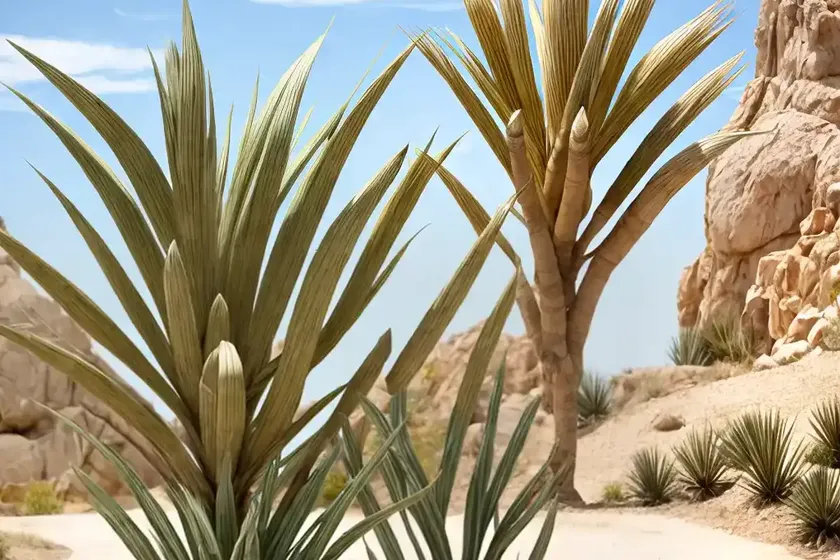
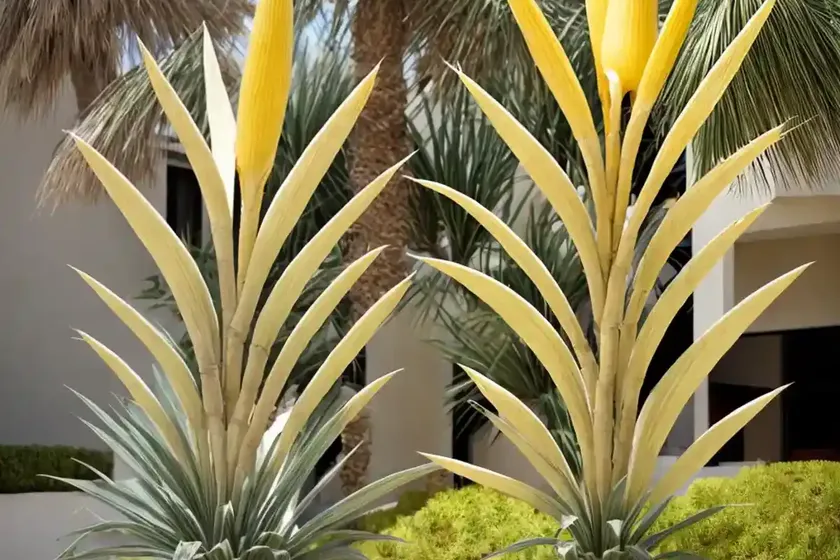
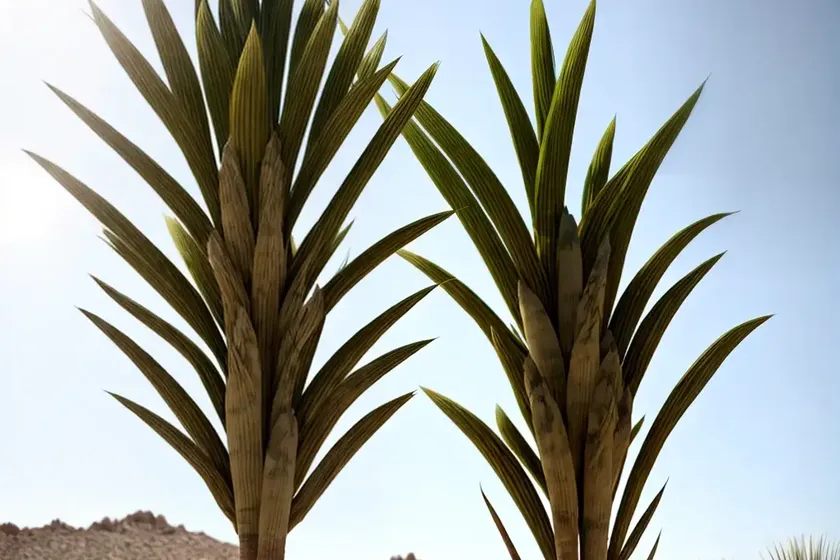
Yucca gloriosa, commonly known as Spanish Dagger, is an iconic plant that captures the essence of the Southwest with its striking appearance and adaptability. In this comprehensive guide, we will explore the intricacies of Spanish Dagger, from its cultural significance to its propagation and maintenance. Whether you are a novice gardener or an experienced horticulturist, this guide will provide you with valuable insights into the world of Yucca gloriosa.
What is Plant: Spanish Dagger (Yucca gloriosa)?
Yucca gloriosa, a member of the Asparagaceae family, is a perennial plant native to the southeastern United States. This evergreen shrub boasts long, sword-shaped leaves that form a rosette, and in the spring, it produces tall, dramatic flower spikes adorned with bell-shaped, creamy white blooms. The plant’s striking architectural form and resilience make it a popular choice for landscaping in arid and subtropical regions.
Key Takeaways – Spanish Dagger (Yucca gloriosa)
Here are the key takeaways that we will delve into in detail in this guide:
- Culture
- Uses
- Water
- Sunlight
- Fertilizer
- Soil
- Pruning
- Propagation
- Container Popularity
- Container Common Diseases
- Disease Diagnosis
- Common Pests
- Botanist’s Tips
- Fun Facts
- Links to External Resources
Let’s start exploring the fascinating world of Yucca gloriosa.
Culture
The cultural significance of Spanish Dagger extends beyond its ornamental value. In folklore and traditional medicine, this plant holds a special place. Understanding its cultural context adds depth to the appreciation of Yucca gloriosa.
Uses
Yucca gloriosa has been utilized for various purposes, ranging from landscaping to medicinal applications. Exploring its diverse uses sheds light on the plant’s ecological and economic importance.
Water
Proper watering is crucial for the health and vitality of Yucca gloriosa. Understanding its water requirements and best practices for irrigation is essential for successful cultivation.
Sunlight
As a sun-loving plant, Yucca gloriosa thrives in bright, direct sunlight. However, it is important to consider its sunlight needs when cultivating this species in different climates.
Fertilizer
Feeding Yucca gloriosa with the right nutrients can promote robust growth and enhance its ornamental appeal. Learning about the plant’s fertilizer requirements is fundamental for its overall well-being.
Soil
The soil composition significantly influences the growth and development of Spanish Dagger. Exploring the plant’s soil preferences and how to create an optimal growing medium is essential for successful cultivation.
Pruning
Pruning is an essential aspect of Yucca gloriosa maintenance, helping to ensure its aesthetic appeal and overall health. Understanding the best pruning practices is key to fostering a flourishing plant.
Propagation
Propagation methods enable the expansion of Yucca gloriosa populations and provide an opportunity for horticultural experimentation. Exploring the various propagation techniques sheds light on the plant’s reproductive biology.
Container Popularity
The adaptability of Yucca gloriosa makes it well-suited for container gardening, offering an attractive and low-maintenance option for outdoor and indoor cultivation.
Container Common Diseases
Despite its resilience, Yucca gloriosa is susceptible to certain diseases, particularly when grown in containers. Recognizing and addressing common container diseases is essential for preventing the deterioration of plant health.
Disease Diagnosis
Diagnosing diseases that affect Yucca gloriosa is crucial for implementing timely and effective treatment strategies. By familiarizing ourselves with common plant ailments, we can better safeguard the well-being of Spanish Dagger.
Common Pests
Pest management is a significant aspect of Spanish Dagger cultivation, especially in the context of landscaping and container gardening. Learning about common pests and their control methods is vital for protecting Yucca gloriosa from potential threats.
Botanist’s Tips
Insights from plant scientists and horticulturists can offer valuable guidance for the successful growth and care of Yucca gloriosa. Incorporating expert tips into our cultivation practices can significantly enhance the plant’s resilience and ornamental value.
Fun Facts
Uncovering intriguing and lesser-known facts about Yucca gloriosa adds a layer of fascination to this iconic plant. From its historical significance to its ecological role, there is much to discover about Spanish Dagger.
Now that we have a comprehensive overview of the key aspects of Yucca gloriosa, let’s delve into each topic to gain a deeper understanding of this captivating plant.
Yucca gloriosa Plant Care
Spanish Dagger Plant Information
Yucca gloriosa, commonly known as Spanish Dagger, is a striking evergreen shrub native to the southeastern United States. Its botanical name, Yucca gloriosa, aptly captures its magnificent allure, while its common name reflects the dagger-like shape of its leaves. The plant belongs to the family Asparagaceae and is renowned for its resilience and adaptability in arid and subtropical environments.
Yucca gloriosa Characteristics
The distinctive characteristics of Yucca gloriosa contribute to its popularity as a landscaping and ornamental plant. Here are some key features that define this species:
- Long, sword-shaped leaves arranged in a striking rosette form
- Dramatic flower spikes adorned with bell-shaped, creamy white blooms
- Evergreen foliage that retains its visual appeal throughout the year
- Ability to thrive in arid and subtropical climates
- Tolerant of sandy and well-draining soils, making it suitable for xeriscaping
The combination of these characteristics makes Yucca gloriosa a sought-after plant for adding visual interest and architectural elegance to garden landscapes.
Growing Spanish Dagger Plants
To successfully grow Yucca gloriosa, it is essential to consider its specific requirements for water, sunlight, soil, and maintenance. Here’s a guide to cultivating healthy and thriving Spanish Dagger plants:
Water
Yucca gloriosa is well-adapted to arid environments and exhibits drought tolerance once established. When watering the plant, it is crucial to strike a balance, ensuring that the soil is allowed to dry out between waterings to prevent waterlogged conditions. In regions with regular rainfall, minimal supplemental watering may be necessary, while in drier climates, occasional deep watering can support the plant’s growth. Overwatering should be avoided, as it can lead to root rot and other moisture-related issues.
Sunlight
As a sun-loving plant, Yucca gloriosa thrives in full sun to partial shade. When cultivating Spanish Dagger in landscapes or containers, it is important to provide it with ample sunlight to promote healthy growth and flowering. In regions with intense sun exposure, some afternoon shade may be beneficial to prevent scorching of the foliage and flower spikes. Understanding the light requirements of Yucca gloriosa is essential for optimizing its performance in various environmental conditions.
Fertilizer
Yucca gloriosa generally requires minimal fertilization, as it is adapted to nutrient-poor soils. A light application of a balanced fertilizer in the spring can provide the plant with the necessary nutrients for active growth and flowering. Care should be taken to avoid excessive fertilization, as this can lead to imbalanced growth and reduced drought tolerance. Utilizing a slow-release or organic fertilizer can support the long-term health of Spanish Dagger plants without causing nutrient imbalances.
Soil
The soil preferences of Yucca gloriosa align with its native habitat, favoring well-draining and sandy soils. When cultivating Spanish Dagger, it is important to ensure that the soil offers good drainage to prevent waterlogging, which can be detrimental to the plant’s roots. Amending heavy clay soils with sand or gravel can enhance their drainage properties and create a more suitable growing medium for Yucca gloriosa. Additionally, incorporating organic matter into the soil can improve its fertility and structure, supporting the plant’s overall health.
Pruning
While Yucca gloriosa generally requires minimal pruning, removing dead or damaged leaves can help maintain the plant’s attractive appearance. Care should be taken when pruning the plant, as its sharp leaf tips can cause injury. Additionally, spent flower stalks can be trimmed back once the blooming period is over, promoting a tidy and well-maintained aesthetic. Regular inspection and selective pruning can contribute to the long-term health and ornamental value of Spanish Dagger plants.
Yucca gloriosa Varieties
Several cultivars and varieties of Yucca gloriosa are available, offering a range of visual characteristics and adaptations. Some notable varieties include:
- ‘Variegata’: This cultivar features variegated foliage with creamy yellow or white stripes, adding visual interest to the plant’s appearance.
- ‘Bright Star’: Characterized by vibrant green leaves with golden yellow centers, this variety offers a striking color contrast in the landscape.
- ‘Tiny Star’: As the name suggests, this compact variety is well-suited for smaller garden spaces, showcasing the typical Yucca gloriosa features in a more petite form.
- ‘Tricolor’: With leaves adorned with green, creamy yellow, and pink hues, this cultivar stands out for its multi-toned foliage, creating a captivating display.
Each variety brings its own unique charm to the realm of Yucca gloriosa, catering to diverse aesthetic preferences and landscaping needs.
Spanish Dagger Plant Care Tips
To ensure the optimal growth and well-being of Yucca gloriosa, consider the following plant care tips:
- Use well-draining soil: Provide Spanish Dagger plants with soil that facilitates efficient water drainage to prevent root rot and waterlogged conditions.
- Monitor sunlight exposure: Ensure that the plant receives adequate sunlight while avoiding excessive exposure that can cause leaf scorching.
- Water sparingly: Allow the soil to dry out between waterings, especially in regions with lower precipitation, to promote the plant’s drought tolerance.
- Choose appropriate varieties: Select Yucca gloriosa varieties that best suit your garden landscape and design preferences.
- Prune selectively: Practice selective pruning to remove dead or damaged leaves and maintain the plant’s visual appeal without causing excessive stress.
By integrating these care tips into your cultivation practices, you can support the vigor and beauty of Spanish Dagger plants.
Spanish Dagger Plant Care Tips
When it comes to propagation, Yucca gloriosa offers various methods for producing new plants. Understanding propagation techniques can provide opportunities for expanding the plant’s presence in gardens and landscapes, as well as for horticultural experimentation and breeding.
Yucca gloriosa Propagation
Yucca gloriosa can be propagated through several methods, including division, offsets, and seed propagation. Each propagation technique offers unique benefits and considerations, contributing to the diversity of approaches for multiplying Spanish Dagger plants.
Division
Division involves separating and replanting offsets or suckers that emerge from the base of established Yucca gloriosa plants. To propagate through division, follow these steps:
- Select healthy offsets: Choose mature and healthy offsets that have developed their own root systems.
- Prepare planting sites: Dig planting holes in well-draining soil, ensuring sufficient spacing between the new divisions.
- Carefully separate offsets: Use a sharp, sterilized knife to detach the offsets from the parent plant, ensuring that each division has its own roots attached.
- Replant divisions: Gently place the divisions into the prepared planting holes and backfill with soil, ensuring good contact between the roots and the soil.
Division is an effective way to propagate Yucca gloriosa while rejuvenating established plants and maintaining their vigor.
Offsets
Offsets, also known as pups or plantlets, are miniature clones of the parent plant that develop at the base or along the stems of Yucca gloriosa. Propagating through offsets involves removing and replanting these miniature plants to establish new individuals. To propagate through offsets, follow these steps:
- Identify viable offsets: Locate healthy and well-developed offsets that are capable of independent growth.
- Carefully detach offsets: Use a sterilized knife or pruning shears to separate the offsets from the parent plant, ensuring that each offset retains a portion of its attached roots.
- Plant offsets: Place the offsets in well-draining soil at the desired planting site, providing appropriate spacing for their future growth.
Offsets offer a convenient and efficient method for multiplying Yucca gloriosa plants and expanding their presence in the landscape.
Seed Propagation
Seed propagation allows for the production of new Yucca gloriosa plants with a potential for genetic diversity. To propagate through seeds, follow these steps:
- Harvest mature seeds: Collect mature seeds from the fruit capsules of Yucca gloriosa, ensuring that they are fully developed and viable for germination.
- Prepare planting medium: Use a well-draining and sterile planting medium, such as a mixture of perlite and peat, to sow the seeds in containers or seed trays.
- Sow the seeds: Place the seeds on the surface of the planting medium and lightly press them in, followed by a gentle watering to settle them in place.
- Provide optimal conditions: Keep the seeds in a warm and bright location, ensuring consistent moisture levels to support germination and early growth.
- Transplant seedlings: Once the seedlings have developed several sets of true leaves, carefully transplant them into individual containers or directly into the garden soil.
Seed propagation offers an opportunity to explore the genetic diversity of Yucca gloriosa and develop new varieties with unique traits and adaptations.
Spanish Dagger Plant Propagation
Each propagation method for Yucca gloriosa offers distinct advantages and considerations, presenting opportunities for horticultural experimentation and the expansion of its presence in gardens and landscapes.
Container Popularity
The adaptability of Yucca gloriosa makes it well-suited for container gardening, offering an attractive and low-maintenance option for outdoor and indoor cultivation. When selecting containers for Spanish Dagger plants, consider the following factors:
- Drainage: Choose containers with adequate drainage holes to prevent waterlogging and ensure proper soil aeration.
- Size: Select spacious containers that accommodate the plant’s root system and allow for future growth without becoming root-bound.
- Material: Consider durable and lightweight materials, such as fiberglass or plastic, for ease of handling and maintenance.
- Aesthetic appeal: Opt for containers that complement the visual characteristics of Yucca gloriosa, enhancing its ornamental value in indoor and outdoor settings.
By carefully selecting and maintaining containers for Spanish Dagger plants, you can create stunning displays and introduce the plant to a wider range of gardening environments.
Container Common Diseases
While Yucca gloriosa is generally resilient to many pests and diseases, certain conditions associated with container cultivation can pose specific challenges for the plant’s health. Common container diseases that may affect Spanish Dagger plants include:
- Root rot: This condition can occur from overwatering or poor drainage, leading to the decay of the plant’s roots and subsequent decline in health.
- Fungal infections: Moist and stagnant conditions in containers can create favorable environments for fungal pathogens, potentially causing leaf spots and other fungal diseases.
- Nutrient imbalances: Excessive or insufficient fertilization in container-grown Yucca gloriosa can lead to nutrient imbalances, affecting the plant’s growth and vitality.
Implementing proper watering practices, ensuring good soil drainage, and monitoring nutrient levels are essential for preventing and addressing common container diseases in Spanish Dagger plants.
Disease Diagnosis
Diagnosing diseases that affect Yucca gloriosa is crucial for implementing timely and effective treatment strategies. When observing signs of plant distress or unusual symptoms, consider the following steps for disease diagnosis:
- Visual inspection: Regularly examine the plant for any discoloration, wilting, or abnormal growth patterns that may indicate a disease.
- Symptom identification: Note the specific symptoms observed and compare them to common indicators of plant diseases, such as leaf spots, wilting, or unusual growths.
- Check environmental conditions: Assess factors such as watering practices, sunlight exposure, and soil moisture to determine if environmental stressors may be contributing to the plant’s condition.
- Seek expert advice: If uncertain about the nature of the plant’s symptoms, consult with a horticulturist or plant pathologist for professional diagnosis and guidance on treatment options.
By closely monitoring the health of Yucca gloriosa and promptly addressing any disease issues, you can support the plant’s vitality and longevity in both landscape and container settings.
Common Pests
Pest management is a significant aspect of Spanish Dagger cultivation, especially in the context of landscaping and container gardening. Common pests that may pose threats to Yucca gloriosa include:
- Yucca moth: This specialized moth species can lay its eggs in the flowers of Yucca gloriosa, with the hatched larvae feeding on the developing seeds and potentially affecting the plant’s reproductive success.
- Aphids: These small insects can infest the foliage of Yucca gloriosa, causing feeding damage and potentially transmitting viral diseases.
- Spider mites: These pests can thrive in dry and dusty conditions, potentially infesting the leaves of Spanish Dagger plants and causing visible stippling and webbing.
Implementing integrated pest management strategies, including regular monitoring, maintaining plant health, and utilizing targeted pest control methods, is essential for protecting Yucca gloriosa from potential threats.
Botanist’s Tips
Insights from plant scientists and horticulturists can offer valuable guidance for the successful growth and care of Yucca gloriosa. Consider the following tips from botanists and experts:
- Optimize soil drainage: Ensure that the soil in both landscape beds and containers promotes efficient water drainage, preventing root rot and waterlogged conditions.
- Minimize stressors: Maintain consistent watering practices and avoid excessive fertilization to minimize stress on Spanish Dagger plants and promote their resilience.
- Monitor for pests: Regularly inspect Yucca gloriosa for signs of pest infestations, such as the presence of yucca moths, aphids, or spider mites, and take proactive measures to address potential threats.
- Select suitable varieties: Choose Yucca gloriosa varieties that align with the specific environmental conditions and aesthetic preferences of your garden or landscape design.
- Provide adequate space: Allow ample room for the mature size of Spanish Dagger plants when planting them in landscapes, ensuring that they have sufficient space to thrive without becoming crowded.
By incorporating these botanist’s tips into your cultivation practices, you can optimize the growth and well-being of Yucca gloriosa in various gardening settings.
Fun Facts
Uncovering intriguing and lesser-known facts about Yucca gloriosa adds a layer of fascination to this iconic plant. Here are some fun and interesting facts about Spanish Dagger:
- The plant’s common name, “Spanish Dagger,” is derived from the sharp and sword-like appearance of its leaves, emphasizing its striking visual presence.
- Yucca gloriosa has historical significance, being used by indigenous communities for crafting tools, rope, and baskets due to the strength and flexibility of its fibers.
- In addition to its ornamental value, Yucca gloriosa serves as a valuable plant for xeriscaping and sustainable landscaping practices, supporting water conservation efforts.
- The flowers of Yucca gloriosa are fragrant and attract pollinators such as moths and butterflies, contributing to the biodiversity of garden ecosystems.
- Spanish Dagger has been associated with symbolism and cultural representation, often embodying characteristics of resilience and strength in various traditions and folklore.
By delving into the captivating world of Yucca gloriosa, we can gain a deeper appreciation for its ecological significance, cultural relevance, and ornamental appeal.
Now that we have explored the various aspects of Spanish Dagger (Yucca gloriosa), including its characteristics, cultivation,