

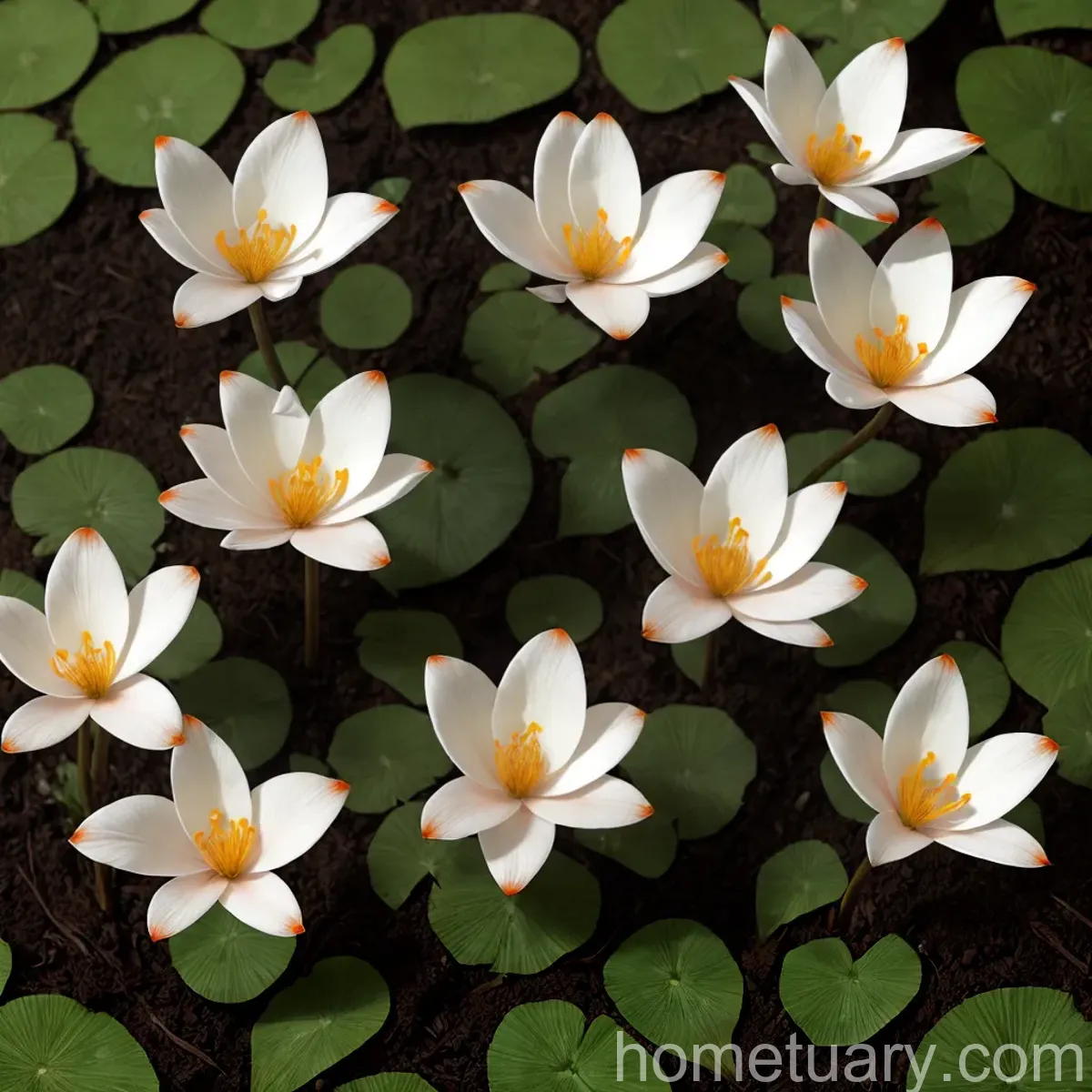
Bloodroot (Sanguinaria canadensis): A Natural Wonder of North American Flora
What is Plant Bloodroot (Sanguinaria canadensis)?
Native to forests in eastern North America, the bloodroot (Sanguinaria canadensis) is a stunning perennial wildflower that holds traditional and medicinal significance. Its botanical name, Sanguinaria, originates from the Latin word “sanguinarius,” meaning “bloody,” a nod to the plant’s red-orange sap. The bloodroot has a captivating appearance, with its delicate white flowers and distinctively lobed leaves, making it a cherished sight in woodland gardens and natural landscapes.
Key Takeaways – Bloodroot (Sanguinaria canadensis)
-
Medicinal Uses of Bloodroot: Bloodroot has a long history of traditional medicinal uses, including remedies for skin conditions, respiratory health, digestive health, and immune system support.
-
Plant Care: Bloodroot requires specific cultural conditions to thrive, including suitable soil, water, sunlight, and fertilizer.
-
Cultivation: Growing Sanguinaria canadensis can be a rewarding experience, but it is essential to understand its unique characteristics and care requirements.
-
Herbal Remedies: Bloodroot holds significance in herbal medicine, with its root extract being used in various natural remedies and herbal preparations.
-
Native American Culture: Bloodroot carries cultural and folklore importance within Native American traditions and healing practices.
-
Conservation Efforts: Due to its ecological significance and potential therapeutic properties, preserving bloodroot and its natural habitats is crucial for the plant’s future.
For plant enthusiasts, herbalists, and nature lovers, understanding the intricacies of bloodroot cultivation, its traditional uses, and conservation efforts can enhance appreciation for this captivating plant.
Culture
Water
Bloodroot thrives in moist, well-draining soil, making consistent moisture essential for its growth. During periods of drought, supplemental watering is crucial to prevent the soil from becoming excessively dry. However, it is important to avoid waterlogged soil, as excessive moisture can lead to root rot and other detrimental issues. When established in the right conditions, bloodroot can handle periodic droughts due to its ability to store water in its rhizomes.
Sunlight
In its natural environment, bloodroot flourishes in shady woodland areas, receiving dappled sunlight or partial shade. When cultivating bloodroot, it is vital to emulate its native habitat by providing similar light conditions. Excessive exposure to direct sunlight may cause the leaves to wilt and could lead to sunburn. Thus, locating it in areas with filtered light or partial shade is optimal for promoting healthy growth and flowering.
Fertilizer
Bloodroot typically thrives without the need for regular fertilization if planted in suitable soil. However, if the soil is lacking in nutrients, a light application of a balanced, organic fertilizer in early spring can support the plant’s growth. It is essential to avoid using high-nitrogen fertilizers, as they may stimulate excessive foliage growth at the expense of flower production.
Soil
When it comes to soil preferences, bloodroot thrives in rich, organic soil with good drainage. It is often found growing in soils with high humus content, such as those in deciduous woodlands. The soil pH should be slightly acidic to neutral, ranging from 5.5 to 7.0, to ensure optimal nutrient uptake by the plant. Amending the soil with organic matter, such as compost or leaf mold, can enhance the soil structure and nutrient content, providing an ideal growing medium for bloodroot.
Pruning
Bloodroot typically does not require extensive pruning, and in a naturalized setting, it is best to allow the plant to follow its natural growth pattern. However, removing any dead or decaying foliage can help maintain the plant’s overall health and appearance. After the flowering period, when the growth begins to decline, the plant may naturally go dormant, and the foliage will die back. At this point, the withered leaves can be gently removed to prepare the plant for its dormancy phase.
Propagation
Propagating bloodroot can be achieved through division or seed propagation, with each method having its unique requirements and considerations.
Division
Dividing mature bloodroot clumps during their dormant period in late summer or early fall can be an effective way to propagate the plant. When dividing the clumps, it is crucial to ensure that each division has a sufficient number of healthy rhizomes and viable buds to support its growth. Planting the divisions in suitable locations with the appropriate cultural conditions can facilitate successful establishment.
Seed Propagation
Bloodroot seeds require stratification, a period of cold and moist conditions, to break their dormancy and germinate. Harvesting mature seeds and providing them with a cold stratification period for several weeks can aid in their successful germination. After stratification, sowing the seeds in a suitable growing medium at a shallow depth can initiate the growth of new bloodroot plants. Patience is key when propagating bloodroot from seeds, as the germination process may take several weeks to months.
Container Popularity
Due to its ornamental beauty and cultural significance, bloodroot is a sought-after species for cultivation in containers and woodland gardens. Its ability to thrive in shaded areas makes it an ideal choice for container gardening on patios, balconies, and shaded outdoor spaces. When selecting containers for bloodroot, it is important to choose ones with adequate drainage to prevent waterlogging, as excess moisture can be detrimental to the plant’s health.
Container Common Diseases
In a containerized environment, bloodroot may be susceptible to certain diseases, such as fungal infections and root rot, especially if the soil becomes waterlogged. Regularly inspecting the plant for signs of disease and ensuring proper drainage and soil aeration can help mitigate these issues.
Disease Diagnosis
When caring for bloodroot, it is essential to monitor the plant for any signs of disease, such as leaf spots, wilting, or discoloration. Identifying the specific disease or pathogen affecting the plant is crucial for implementing targeted treatment and prevention strategies. Consulting with local plant disease experts or extension services can aid in accurate disease diagnosis and the development of effective management practices.
Common Pests
While bloodroot is relatively resistant to pest infestations, it may occasionally attract pests such as slugs and snails, particularly when grown in moist, shaded areas. Implementing pest management measures, such as physical barriers and organic pest control methods, can help protect the plant from pest damage. Additionally, promptly addressing any pest infestations can prevent potential harm to the plant’s foliage and overall health.
Botanist’s Tips
-
Native Plant Conservation: Due to its ecological importance and cultural significance, it is crucial to prioritize the conservation of native bloodroot populations and their natural habitats. Supporting conservation initiatives and promoting the ethical sourcing of bloodroot plants and products can contribute to preserving this valuable species.
-
Ethical Harvesting: For individuals interested in collecting bloodroot for traditional or medicinal use, it is essential to do so responsibly and sustainably. Harvesting from wild populations should be approached with caution and a deep respect for the plant’s natural environment to prevent over-harvesting and habitat disturbance.
-
Cultural Significance: Exploring the rich folklore, traditional uses, and historical significance of bloodroot in Native American culture and alternative medicine can provide valuable insights into the plant’s multifaceted nature.
Fun Facts
- The red-orange sap of bloodroot has been historically used as a natural dye by indigenous communities for various artistic and cultural purposes.
- Bloodroot’s scientific name, Sanguinaria, reflects its long-established association with blood-related properties and traditional medicinal uses.
- In its natural habitat, bloodroot often blooms in early spring, signaling the arrival of the season’s vibrant wildflowers in woodland ecosystems.
Links to External Resources
For more in-depth information on bloodroot (Sanguinaria canadensis), its cultural significance, cultivation, and uses, the following resources are valuable references:
- North Carolina Botanical Garden – Sanguinaria canadensis
- Missouri Botanical Garden – Bloodroot
- USDA Plants Database – Sanguinaria canadensis
Conclusion
The bloodroot (Sanguinaria canadensis) stands as a captivating symbol of North American flora, holding cultural, medicinal, and ecological significance. Its striking appearance, traditional uses, and ecological role in woodland ecosystems make it a cherished wildflower with a rich tapestry of historical and contemporary relevance. By embracing its cultural heritage, promoting responsible cultivation and conservation, and unlocking its botanical wonders, bloodroot continues to captivate and inspire plant enthusiasts, herbalists, and conservationists alike.




