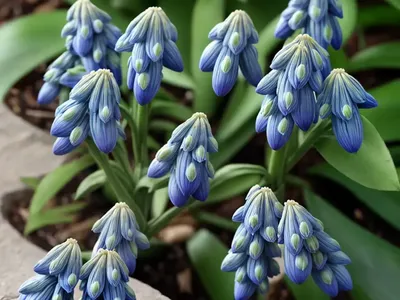
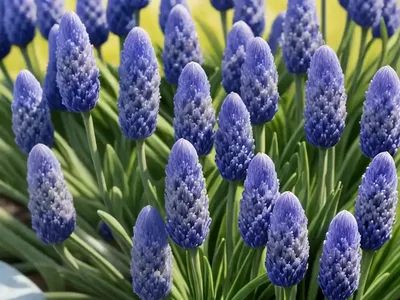
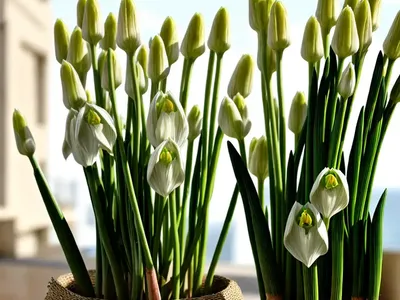
Spanish Bluebell (Hyacinthoides Hispanica)
Plants are not just green, they are an essential part of our environment. They play a crucial role in maintaining the ecological balance and providing a.
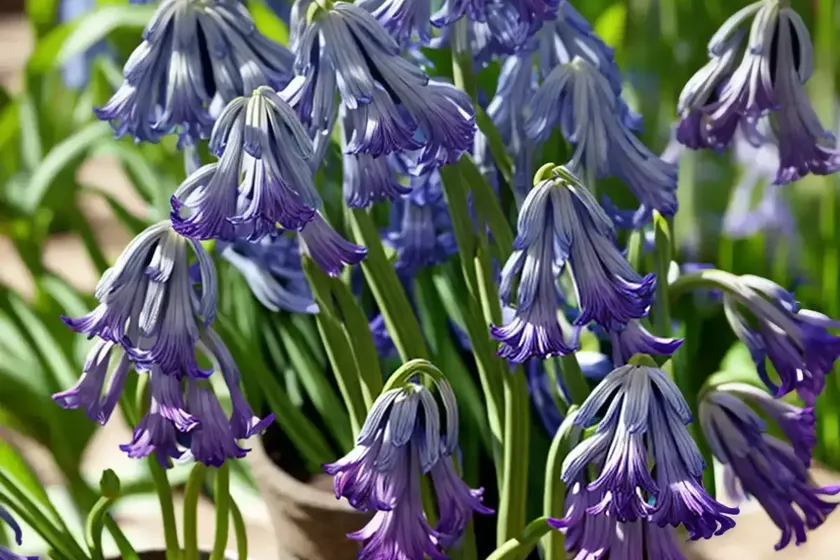
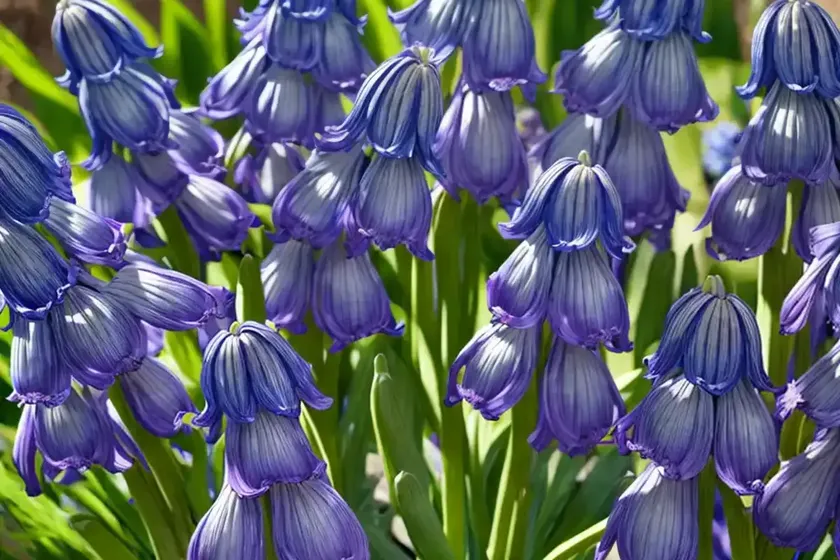
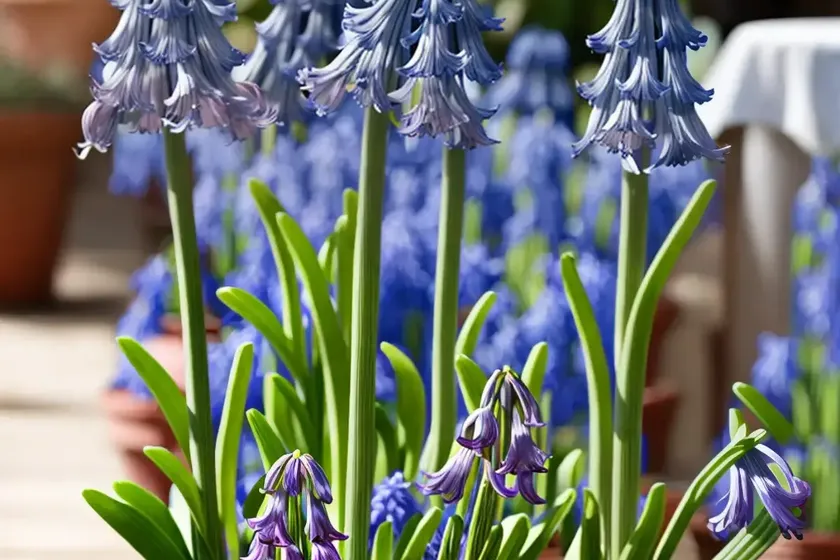
Plants are not just green, they are an essential part of our environment. They play a crucial role in maintaining the ecological balance and providing a visual treat to the eyes. One such plant that has captivated the attention of many gardening enthusiasts is the Spanish Bluebell or Hyacinthoides hispanica. In this comprehensive guide, we will delve into the various aspects of this beautiful plant, from its culture and uses to its water, sunlight, and soil requirements, while exploring its popularity and addressing common diseases and pests.
What is a Plant?
A plant is a living organism within the kingdom Plantae, comprising multicellular organisms that typically produce their own food through the process of photosynthesis. They are characterized by their cell walls composed of cellulose and are primarily terrestrial. Plants play a significant role in the environment by producing oxygen, providing food, and supporting the ecosystem.
Spanish Bluebell (Hyacinthoides hispanica)
The Spanish Bluebell, scientifically known as Hyacinthoides hispanica, is a bulbous perennial plant belonging to the family Asparagaceae. It is native to the Iberian Peninsula, primarily Spain, Portugal, and northwest Africa. This plant is widely cultivated for its ornamental value, particularly for its clusters of blue, bell-shaped flowers that bloom in spring. The Spanish Bluebell is a popular choice for gardens and landscaping due to its vibrant and charming appearance.
Key Takeaways
Before diving deeper into the specific aspects of the Spanish Bluebell, let’s overview the key takeaways that will be covered in this guide:
- Culture
- Uses
- Water
- Sunlight
- Fertilizer
- Soil
- Pruning
- Propagation
- Container
- Popularity
- Common Diseases
- Disease Diagnosis
- Common Pests
- Botanist’s Tips
- Fun Facts
- Links to External Resources
Now, let’s explore each of these areas in detail.
Culture
Understanding the culture of the Spanish Bluebell is essential for ensuring its optimal growth and development. This encompasses various factors, including its natural habitat, blooming season, and ecological significance.
Natural Habitat
The Spanish Bluebell is native to the western Mediterranean region, particularly the Iberian Peninsula. It is commonly found in woodlands, hedgerows, and meadows, where it thrives in the dappled shade provided by trees and shrubs. The moist, well-drained soil in these habitats provides an ideal environment for the growth of Spanish Bluebells.
Blooming Season
The blooming season for Spanish Bluebells typically occurs in spring, from April to May. During this time, the plants produce elegant, drooping clusters of blue, lavender, or white bell-shaped flowers that add a touch of serenity to the landscape.
Ecological Significance
In its natural habitat, the Spanish Bluebell serves as a vital component of the ecosystem, providing nectar and pollen for various pollinators, including bees and butterflies. Additionally, its presence contributes to the overall biodiversity and aesthetic appeal of the environment.
Uses
The Spanish Bluebell is primarily cultivated for its ornamental value, brightening gardens, landscapes, and floral arrangements with its enchanting flowers. It is commonly utilized in:
- Flower beds
- Border plantings
- Woodland gardens
- Naturalized settings
- Container gardening
The graceful and vibrant display of Spanish Bluebells makes them a popular choice for enhancing the visual appeal of outdoor spaces.
Water
Proper watering is crucial for the health and vigor of the Spanish Bluebell. Understanding its water needs and implementing appropriate watering practices is essential for its successful cultivation.
Water Needs
Spanish Bluebells thrive in consistently moist soil, particularly during their active growth and blooming periods. Adequate moisture helps support the development of robust foliage and abundant flowers. However, it is important to avoid waterlogged conditions, as excessive moisture can lead to root rot and other detrimental issues.
Watering Practices
During dry spells or periods of insufficient rainfall, it is important to supplement the plant’s water needs by providing thorough irrigation. Water the soil around the base of the plants, ensuring deep penetration to reach the root zone. Mulching the area around the Spanish Bluebells can help conserve soil moisture and reduce water evaporation.
Sunlight
Understanding the sunlight requirements of the Spanish Bluebell is pivotal for determining its ideal planting location and ensuring proper growth and flowering.
Sun Exposure
Spanish Bluebells prefer partial to full shade, particularly in regions with warmer climates. They thrive in locations with filtered sunlight or dappled shade, such as beneath deciduous trees or alongside buildings where they can receive partial sun without being exposed to intense, direct sunlight for extended periods. Adequate shade helps preserve the vibrant coloration of the flowers and prevents the soil from drying out too quickly in sunny conditions.
Sunlight for Optimal Growth
While Spanish Bluebells are adaptable and can tolerate varying light conditions, providing them with the right balance of sunlight is essential for promoting healthy foliage and prolific flowering. When selecting a planting site, consider the intensity and duration of sunlight exposure to ensure that the plants receive the appropriate light levels for their specific needs.
Fertilizer
Fertilization plays a key role in supporting the growth, flowering, and overall vitality of the Spanish Bluebell. A balanced approach to fertilization can enhance the plant’s performance and help maintain its ornamental appeal.
Fertilizer Application
Apply a complete, balanced fertilizer with a formulation such as 10-10-10 or 20-20-20 to the soil around the Spanish Bluebells in early spring, prior to the onset of active growth. Incorporate the fertilizer into the soil at the recommended rates, taking care to avoid direct contact with the plant’s foliage to prevent potential leaf burn.
Frequency of Application
A single annual application of fertilizer at the beginning of the growing season is generally sufficient to meet the nutritional needs of the Spanish Bluebell. Avoid over-fertilization, as excessive levels of nutrients can lead to imbalanced growth and diminish the plant’s natural beauty.
Organic Fertilizer
Organic fertilizers, such as compost or well-rotted manure, can also be used to enrich the soil and provide essential nutrients for the Spanish Bluebell. These natural fertilizers contribute to soil health and sustainability while promoting the long-term well-being of the plants.
Soil
The soil composition and quality significantly influence the growth and development of the Spanish Bluebell. Understanding the soil requirements and implementing appropriate soil management practices are essential for ensuring the plant’s success.
Soil Type
Spanish Bluebells thrive in well-drained, humus-rich soil with a slightly acidic to neutral pH. Loamy or sandy loam soils are well-suited for their cultivation, providing the necessary balance of moisture retention and drainage to support healthy root development.
Soil Moisture
Maintaining adequate soil moisture is critical for the Spanish Bluebell’s overall health. While the plants prefer moist conditions, they are intolerant of waterlogging, emphasizing the importance of well-drained soil to prevent the risk of root rot and other water-related issues.
Soil Preparation
Prepare the planting area by incorporating organic matter, such as compost or peat moss, into the soil to improve its structure and fertility. This helps create an optimal growing environment for the Spanish Bluebell and provides essential nutrients for its early establishment and subsequent growth.
Pruning
Pruning is an important aspect of Spanish Bluebell care, helping to maintain plant health, shape, and flowering performance. Understanding the principles of pruning and implementing appropriate techniques can contribute to the long-term well-being of the plants.
Foliage Pruning
After the blooming period, remove the spent flowers and any yellowing or withered foliage to improve the overall appearance of the Spanish Bluebells. This practice also prevents the formation of seed pods, conserving the plant’s energy for future growth and flowering.
Seasonal Pruning
During late fall or early winter, it is beneficial to trim back the foliage of the Spanish Bluebell to ground level. This practice helps tidy the garden or landscape and promotes the emergence of fresh, healthy foliage in the following spring.
Pruning Considerations
When pruning Spanish Bluebells, use clean, sharp garden shears or scissors to make precise cuts without causing unnecessary damage to the plants. Avoid excessive pruning, as it can weaken the plants and diminish their ability to store energy reserves for the next growing season.
Propagation
The propagation of Spanish Bluebells allows for the expansion of their presence in gardens and landscapes, offering an opportunity to create new plantings and enhance existing displays.
Seed Propagation
Spanish Bluebells can be propagated from seeds, collected from the mature seed capsules produced after flowering. Sow the seeds in a prepared seedbed or containers filled with a well-draining growing medium, and keep them consistently moist until germination occurs.
Division
Dividing established clumps of Spanish Bluebells is another effective method of propagation. This process involves carefully lifting and separating the individual bulbs, ensuring that each division retains sufficient roots and healthy growth points for subsequent planting.
Transplanting
Whether propagating from seeds or division, transplant the young Spanish Bluebell plants to their permanent locations in the garden or containers once they have developed adequate root systems and are capable of independent growth.
Container
Growing Spanish Bluebells in containers offers a versatile and creative approach to incorporating these charming plants into various indoor and outdoor settings.
Container Selection
Choose containers with ample drainage holes and adequate depth to accommodate the root systems of the Spanish Bluebells. Opt for containers made from materials such as terracotta, plastic, or wood, ensuring that they are suitable for outdoor use and provide a stable environment for the plants.
Growing Medium
Fill the containers with a well-draining, high-quality potting mix, ideally formulated for bulbs or perennials. This ensures proper aeration and moisture retention to support the growth and development of the Spanish Bluebells in a containerized environment.
Care and Maintenance
Water the Spanish Bluebells in containers as needed to maintain consistent soil moisture, and provide them with suitable sunlight exposure based on their specific requirements. Regularly monitor the plants for any signs of growth, flowering, or potential issues, and address their needs accordingly.
Popularity
The Spanish Bluebell has gained widespread popularity among gardening enthusiasts and landscapers for its captivating beauty and versatile uses. Its charming flowers, adaptability, and ease of cultivation contribute to its appeal and adoption in diverse settings.
Garden and Landscape Use
Spanish Bluebells are commonly featured in gardens, landscapes, and public green spaces, where they add a touch of elegance and tranquility to the surroundings. They are well-suited for mass plantings, mixed borders, and naturalized settings, creating picturesque displays of color and texture.
Floral Arrangements
The vibrant blooms of Spanish Bluebells make them a desirable choice for cut flower arrangements and decorative compositions. Their long-lasting flowers and graceful appearance enhance the visual appeal of bouquets, centerpieces, and other floral presentations.
Horticultural Trade
The popularity of Spanish Bluebells has led to their widespread availability in nurseries, garden centers, and online plant retailers, allowing gardening enthusiasts to readily acquire and incorporate these charming plants into their personal or professional projects.
Common Diseases
As with any plant, the Spanish Bluebell is susceptible to certain diseases that can affect its growth and appearance. Understanding the common diseases and their associated symptoms is important for implementing appropriate preventive measures and treatments.
Fungal Diseases
Fungal diseases, such as botrytis blight (gray mold) and root rot, can impact the Spanish Bluebell, particularly in conditions of excessive moisture or poor air circulation. These diseases may manifest as discolored or decaying foliage, stunted growth, and reduced flowering.
Preventive Measures
To mitigate the risk of fungal diseases, ensure proper soil drainage, adequate spacing between plants, and good air circulation. Avoid overwatering and minimize prolonged foliage wetness to create an unfavorable environment for fungal development.
Treatment
If fungal diseases are observed, apply appropriate fungicidal treatments as recommended, and remove any affected plant material to prevent the spread of the pathogens. Pruning and disposing of infected foliage can help manage the diseases and protect the overall health of the Spanish Bluebells.
Disease Diagnosis
Accurately diagnosing diseases in plants is essential for implementing targeted management strategies and preventing the spread of pathogens. Understanding the symptoms and signs associated with common diseases of the Spanish Bluebell is crucial for effective disease diagnosis.
Symptomatic Indicators
Common symptoms of diseases in Spanish Bluebells may include:
- Discolored or spotted foliage
- Wilted or distorted leaves
- Reduced flowering or stunted growth
- Cankers or lesions on stems
- Presence of mold or rot on plant parts
Diagnostic Assessment
Carefully assess the affected plants for the presence of characteristic symptoms and signs, and consider environmental factors, cultural practices, and previous disease occurrences to determine the potential cause of the issues. Consult with experienced professionals or diagnostic laboratories for accurate disease identification if needed.
Common Pests
Pests can pose a threat to the health and vitality of the Spanish Bluebell, requiring vigilant monitoring and appropriate pest management measures to maintain plant integrity.
Aphids
Aphids are common pests that may infest Spanish Bluebells, feeding on the plant’s sap and causing damage to the foliage and flowers. They can be identified by their small size, soft bodies, and tendency to congregate on new growth.
Caterpillars
Caterpillars, especially those of moth species, may feed on the foliage of Spanish Bluebells, resulting in the formation of holes and malformed leaves. Monitoring the plants for the presence of caterpillars and their feeding damage is essential for timely intervention.
Pest Control
Implement integrated pest management (IPM) practices to address pest issues, including the use of physical removal, natural predators, targeted insecticides, and cultural strategies to minimize pest populations and mitigate their impact on the Spanish Bluebells.
Botanist’s Tips
Based on the collective knowledge and experiences of botanists and horticulturists, the following tips provide valuable insights and recommendations for the successful cultivation of Spanish Bluebells:
- Provide well-drained soil with rich organic matter for optimal growth.
- Select planting locations with filtered sunlight or partial shade to ensure vibrant flowering.
- Water the Spanish Bluebells consistently to maintain moist, but not waterlogged, soil conditions.
- Incorporate organic fertilizers for balanced nutrition and sustained plant health.
- Monitor the plants for signs of pests or diseases and address issues promptly with targeted control methods.
Fun Facts
Discovering interesting and captivating facts about Spanish Bluebells adds to the appreciation and fascination for these charming plants:
- The Spanish Bluebell is known for its ability to naturalize and establish self-sustaining populations in various environments.
- In addition to their attractive flowers, Spanish Bluebells also exhibit elegant, strap-shaped foliage that adds to their ornamental value.
- Spanish Bluebells can serve as valuable food sources for pollinators, such as bees and butterflies, contributing to the overall biodiversity of the ecosystem.
Links to External Resources
For additional information, resources, and support related to Spanish Bluebells and plant care, consider exploring the following links:
By incorporating the key takeaways and detailed insights provided in this guide, enthusiasts and gardeners can gain a comprehensive understanding of the Spanish Bluebell (Hyacinthoides hispanica) and cultivate these captivating plants with confidence and success.
The Spanish Bluebell (Hyacinthoides hispanica) exemplifies the beauty and charm of ornamental plants, captivating the hearts of gardening enthusiasts and admirers alike. Through its vibrant flowers, adaptability, and inherent grace, the Spanish Bluebell continues to enrich gardens, landscapes, and natural settings with its alluring presence. By embracing the knowledge and recommendations shared in this guide, individuals can cultivate and appreciate the enduring allure of Spanish Bluebells while contributing to the revitalization and sustenance of our natural environment.
Keywords:
1. Spanish bluebell
2. Hyacinthoides hispanica
3. Spanish bluebell plant
4. Bluebell flowers
5. Hyacinthoides hispanica characteristics
6. Spanish bluebell care
7. Spanish bluebell cultivation
8. Spanish bluebell planting
9. Growing Spanish bluebells
10. Hyacinthoides hispanica varieties
11. Spanish bluebell bulbs
12. Spanish bluebell perennial
13. Spanish bluebell garden
14. Spanish bluebell landscape
15. Spanish bluebell natural habitat
16. Spanish bluebell blooming season
17. Hyacinthoides hispanica taxonomy
18. Spanish bluebell medicinal uses
19. Spanish bluebell folklore
20. Spanish bluebell symbolism
21. Spanish bluebell wildlife habitat
22. Spanish bluebell garden design
23. Spanish bluebell pollinators
24. Spanish bluebell ecosystem
25. Spanish bluebell conservation
26. Spanish bluebell invasive species
27. Spanish bluebell native range
28. Spanish bluebell habitat requirements
29. Spanish bluebell propagation
30. Spanish bluebell garden tips
31. Spanish bluebell soil requirements
32. Spanish bluebell sun exposure
33. Spanish bluebell water needs
34. Tips for growing Hyacinthoides hispanica
35. Spanish bluebell companion plants
36. Spanish bluebell pest control
37. Spanish bluebell disease prevention
38. Spanish bluebell seasonality
39. Spanish bluebell landscape ideas
40. Spanish bluebell garden borders
41. Spanish bluebell botanical features
42. Spanish bluebell leaf structure
43. Spanish bluebell flower arrangement
44. Spanish bluebell seed collection
45. Spanish bluebell garden maintenance
46. Spanish bluebell pruning
47. Spanish bluebell foliage color
48. Spanish bluebell container gardening
49. Spanish bluebell urban gardening
50. Spanish bluebell landscape photography