Spanish Bayonet (Yucca aloifolia): A Comprehensive Plant Care Guide
Plants have always been an integral part of human life, providing us with food, oxygen, and aesthetic beauty. One such versatile and hardy plant is the Spanish bayonet, scientifically known as Yucca aloifolia. This striking plant is popular for its ornamental appeal and resilience in various environmental conditions. In this comprehensive guide, we will delve into the fascinating world of Spanish bayonet, exploring its characteristics, cultivation, care instructions, and much more.
What is the Spanish Bayonet (Yucca aloifolia)?
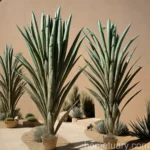
Yucca aloifolia, commonly referred to as Spanish bayonet, is a species of perennial shrub belonging to the family Asparagaceae. This plant is native to the southeastern United States and is also found in parts of Mexico and the Caribbean. The striking feature of the Spanish bayonet is its sword-shaped leaves, which add a dramatic and tropical touch to any landscape.
Key Takeaways – Spanish Bayonet (Yucca aloifolia)
Before we dive into the details of Spanish bayonet care and cultivation, let’s summarize some key takeaways about this remarkable plant:
- Scientific Name: Yucca aloifolia
- Common Name: Spanish bayonet
- Family: Asparagaceae
- Native Habitat: Southeastern United States, Mexico, and the Caribbean
- Characteristics: Sword-shaped leaves, white bell-shaped flowers
- Cultivation Uses: Ornamental landscaping, erosion control
- Water Needs: Drought-tolerant once established
- Sunlight Requirements: Full sun to partial shade
- Soil Type: Well-draining, sandy or loamy soil
- Fertilization: Minimal fertilization requirements
- Pruning: Minimal pruning, removal of dead leaves and flower stalks
- Propagation: Seed propagation, division of offsets, stem cuttings
- Popular in: Xeriscapes, coastal gardens, Mediterranean-style landscapes
Now that we have an overview of the Spanish bayonet, let’s explore the intricacies of caring for and cultivating this captivating plant.
Culture of Spanish Bayonet (Yucca aloifolia)
Understanding the specific cultural requirements of the Spanish bayonet is essential for ensuring its optimal growth and health. From water and sunlight needs to fertilization and soil preferences, each aspect of its culture plays a crucial role in maintaining a thriving Spanish bayonet plant.
Uses of Spanish Bayonet
The Spanish bayonet is highly valued for its ornamental and practical uses, making it a versatile addition to various gardening and landscaping scenarios:
- Ornamental Landscaping: Spanish bayonet is often used as a focal point in landscape designs, adding a tropical and architectural element to gardens and outdoor spaces.
- Erosion Control: With its deep and extensive root system, it can be effectively utilized for erosion control in coastal areas and sandy soils.
- Xeriscapes: Due to its drought tolerance, Spanish bayonet is a popular choice for xeriscape or water-wise landscapes.
- Container Planting: It can be grown in containers on patios, decks, and balconies, providing an attractive and low-maintenance feature.
Water Requirements
One of the remarkable attributes of the Spanish bayonet is its exceptional tolerance to drought once established. However, proper watering is crucial, especially during the initial establishment period.
- Establishment Phase: Newly planted Spanish bayonets should be watered regularly to help develop a strong root system. This phase generally lasts for the first 6 to 12 months after planting.
- Established Plants: Once established, Spanish bayonets require minimal supplemental watering, relying on natural rainfall in most cases. Overwatering should be avoided to prevent root rot and other moisture-related issues.
Sunlight Needs
The Spanish bayonet thrives in sunny conditions, showcasing its best growth and foliage color in full sun exposure. However, it is also capable of tolerating partial shade, making it adaptable to a range of light conditions.
- Full Sun: For optimal growth and flowering, plant Spanish bayonets in locations that receive at least 6 to 8 hours of direct sunlight per day.
- Partial Shade: While it prefers full sun, Spanish bayonet can tolerate some degree of shade, particularly in hotter regions where protection from intense afternoon sun can be beneficial.
Fertilizer Application
Spanish bayonets have minimal fertilization requirements, especially when grown in nutrient-rich soils. Excessive fertilization can lead to rapid but weak growth, making the plant more susceptible to damage from environmental stresses and pests.
- Fertilization Frequency: Apply a balanced fertilizer once a year in early spring, just before the growing season begins.
- Fertilizer Type: A general-purpose, slow-release fertilizer with an equal NPK (nitrogen, phosphorus, potassium) ratio is suitable for Spanish bayonets.
Soil Preferences
The soil type and composition play a crucial role in maintaining the health and vigor of Spanish bayonets, given their preference for well-drained conditions.
- Well-Draining Soil: Spanish bayonets thrive in well-draining, sandy or loamy soils that prevent waterlogging and root suffocation.
- Soil pH: While adaptable to a range of soil pH levels, a slightly acidic to neutral pH range (6.0 to 7.0) is ideal for optimal growth.
- Soil Amendments: Adding organic matter, such as compost or aged manure, can improve soil structure and fertility, benefiting the growth of Spanish bayonets.
Pruning and Maintenance of Spanish Bayonet
Maintenance of Spanish bayonets primarily involves minimal pruning and general upkeep to ensure a neat and healthy appearance.
Pruning Techniques
Pruning is mostly focused on the removal of dead or damaged leaves, spent flower stalks, and occasional shaping to maintain the plant’s aesthetic appeal.
- Dead Leaf Removal: Trim off any brown or withered leaves, cutting them at the base of the plant.
- Flower Stalk Removal: After the flowering season, old flower stalks can be pruned to encourage new growth and maintain a tidy appearance.
- Shaping: While Spanish bayonets have a naturally architectural form, occasional trimming of unruly or damaged stems can help maintain a balanced and attractive shape.
Propagation Methods
Propagating Spanish bayonets can be achieved through several methods, enabling gardeners to create new plants and expand their collection with ease.
- Seed Propagation: Collect mature seeds from the plant and sow them in well-draining potting mix. Keep the soil consistently moist, and germination should occur within a few weeks.
- Offset Division: Established Spanish bayonets produce offshoots or offsets. These can be carefully separated from the parent plant and replanted in suitable growing conditions.
- Stem Cuttings: Select healthy stem cuttings and root them in a well-draining propagating medium, providing warmth and humidity to encourage root development.
Container Cultivation of Spanish Bayonet
Growing Spanish bayonets in containers is an excellent option for individuals with limited garden space, as well as those seeking to enhance their outdoor living areas with striking ornamental plants.
Container Size and Selection
When cultivating Spanish bayonets in containers, choosing the right pot size and type is essential to support healthy growth and prevent root congestion.
- Pot Size: Select a container that provides ample room for the plant’s root system to spread. A 16 to 20-inch diameter pot is suitable for young Spanish bayonets, while larger, more mature specimens may require containers of 24 inches or more in diameter.
- Drainage Holes: Ensure that the chosen container has adequate drainage holes to prevent water accumulation, which can lead to root rot and other moisture-related issues.
- Container Material: Porous materials such as terracotta, ceramic, or fiberglass are preferable, as they allow air exchange and regulate moisture levels more effectively.
Outdoor Placement
When growing Spanish bayonets in containers, proper placement can significantly impact their overall health and vigor.
- Sun Exposure: Position the containers in locations that receive ample sunlight, preferably 6 to 8 hours of direct sun each day, to promote robust growth and flowering.
- Protection from Elements: Shield the containers from strong winds and excessive rainfall, especially in regions with inclement weather conditions, to prevent damage to the plant and waterlogging in the soil.
Popularity of Spanish Bayonet in Container Gardening
Spanish bayonets are popular choices for container gardening due to their striking foliage and minimal maintenance requirements, making them well-suited for various outdoor and indoor settings.
- Outdoor Containers: Placed on patios, decks, or near entryways, Spanish bayonets create a bold and tropical statement, adding visual interest and architectural flair to the landscape.
- Indoor Containers: When provided with adequate sunlight, Spanish bayonets can thrive indoors, serving as stunning focal points in interior décor while enhancing air quality through oxygen production.
Common Diseases of Spanish Bayonet
While Spanish bayonets are generally resistant to most pests and diseases, a few issues can occasionally affect their health and appearance.
Disease Diagnosis
Recognizing and addressing common diseases promptly is essential for preventing their spread and minimizing damage to Spanish bayonets.
- Leaf Spot: Characterized by the appearance of brown or black spots on the leaves, often caused by fungal pathogens under prolonged wet conditions.
- Root Rot: Excessive soil moisture and poor drainage can lead to root rot, resulting in wilting, yellowing leaves, and overall decline in plant health.
- Powdery Mildew: A white, powdery coating on the leaves, caused by fungal infection, can impact the aesthetic appeal and vigor of Spanish bayonets.
Disease Prevention and Management
Implementing preventive measures and timely intervention is crucial in managing and preventing diseases in Spanish bayonets.
- Cultural Practices: Ensure proper spacing, adequate air circulation, and well-draining soil to reduce the risk of fungal diseases such as leaf spot and powdery mildew.
- Avoid Overwatering: Maintain a balanced watering regimen to prevent waterlogging, which can lead to root rot and related issues.
- Pruning: Removing affected leaves and maintaining a clean and tidy plant can reduce the spread of diseases and create an unfavorable environment for pathogens.
Common Pests Affecting Spanish Bayonet
Despite their resilience, Spanish bayonets can occasionally fall prey to certain pests, although infestations are generally less common compared to other garden plants.
Pest Control
Vigilance and prompt action are key in managing pest infestations and preserving the health of Spanish bayonets.
- Scale Insects: These pests appear as small, brown, or white bumps on the leaves and stems, often causing yellowing and stunted growth. Physical removal or application of horticultural oil can help control scale infestations.
- Spider Mites: These tiny arachnids can cause stippling and webbing on the leaves, affecting the plant’s vigor. Regularly misting the foliage, particularly during dry periods, can discourage spider mite infestations.
- Mealybugs: Identified by their white, cottony appearance, mealybugs can weaken Spanish bayonets by feeding on the sap, leading to wilting and stunted growth. Control measures include manual removal and the application of natural insecticidal soaps.
Botanist’s Tips for Spanish Bayonet Care
To ensure the successful cultivation and ongoing health of Spanish bayonets, following these expert tips from botanists can be incredibly beneficial.
- Well-Draining Soil: Emphasize the importance of well-draining soil to mitigate the risks of root-related issues and fungal diseases in Spanish bayonets.
- Minimal Pruning: Encourage gardeners to practice minimal pruning, focusing on the removal of dead or damaged foliage, while allowing the plant’s natural form to shine.
- Drought Tolerance: Highlight the remarkable drought tolerance of Spanish bayonets, emphasizing the minimal watering requirements once the plant is established.
Fun Facts about Spanish Bayonet (Yucca aloifolia)
Discovering intriguing and little-known facts about plants adds to the fascination of gardening and exploring the natural world. Here are some fun facts about Spanish bayonets:
- Spanish bayonets are named for their sharp, dagger-like leaves, resembling traditional bayonet blades.
- The flowers of Spanish bayonets are attractive to pollinators, particularly moths, and can add a delightful fragrance to the garden during the blooming season.
- The mature fruits of Spanish bayonets are edible and were historically used by indigenous peoples for various culinary and medicinal purposes.
Links to External Resources
For further information and detailed insights into Spanish bayonet care, cultivation, and related topics, explore the following external resources:
- University of Florida IFAS Extension: Yucca aloifolia: This fact sheet provides comprehensive information on the characteristics and cultivation of Yucca aloifolia, offering valuable insights for plant enthusiasts and horticulturists.
- The Spruce: Growing Yucca Plants in Containers: A helpful guide to growing yucca plants, including Spanish bayonets, in containers, covering key aspects such as container selection, maintenance, and care tips.
- Clemson Cooperative Extension: Yucca Production Guide: This production guide provides in-depth information on yucca plants, their cultivation, and landscape uses, offering valuable insights for growers and gardeners.
In conclusion, the Spanish bayonet (Yucca aloifolia) is an exceptional plant species with remarkable ornamental and adaptive characteristics. By understanding its specific cultural needs, maintenance practices, and growth habits, enthusiasts and horticulturists can cultivate thriving Spanish bayonets in a variety of environments, enhancing landscapes and gardens with their striking presence.
Whether grown in outdoor landscapes, containers, or indoor settings, Spanish bayonets offer enduring beauty, versatility, and resilience, making them an appealing choice for plant enthusiasts and gardeners seeking visually captivating and low-maintenance plants.
With its fascinating history, striking foliage, and valuable ecological contributions, the Spanish bayonet continues to be a cherished addition to horticultural pursuits, celebrating nature’s diversity and the timeless allure of ornamental plants.
References
All referenced URLs were retrieved as of the creation date of this document.