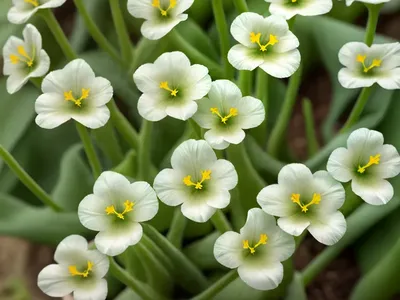
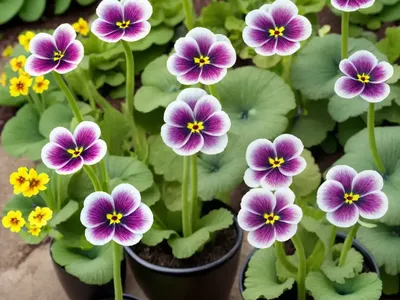
Sowbread (Cyclamen Purpurascens)
Plants are remarkable organisms that bring beauty, color, and life to our surroundings. Among the plethora of plant species, Cyclamen purpurascens, also.



Plants are remarkable organisms that bring beauty, color, and life to our surroundings. Among the plethora of plant species, Cyclamen purpurascens, also known as Sowbread, stands out for its unique characteristics and stunning ornamental value. As a plant scientist, I am excited to delve into the details of this captivating plant, covering its culture, uses, care, and much more.
What is Sowbread (Cyclamen purpurascens)?
Cyclamen purpurascens is a species of flowering plant in the family Primulaceae. It is native to various regions in Europe, including Austria, the Czech Republic, Slovakia, Slovenia, Croatia, and Italy. This plant is particularly renowned for its beautiful flowers and distinctive foliage, making it a popular choice for gardens, landscapes, and indoor decorations.
Key Takeaways – Sowbread (Cyclamen purpurascens)
Before we dive into the specifics of cultivating and caring for Sowbread, here’s an overview of the key takeaways related to this stunning plant:
- Sowbread is a species of flowering plant known for its vibrant, ornamental flowers and decorative foliage.
- It is native to several European countries and has gained popularity as a garden and indoor plant worldwide.
- The plant requires proper care in terms of watering, sunlight, soil, and fertilizer to thrive and bloom beautifully.
- Sowbread is susceptible to certain diseases and pests, warranting attention and preventive measures for its optimal growth.
- Understanding the propagation, pruning, and maintenance techniques is essential for cultivating healthy and flourishing Sowbread plants.
Now, let’s explore the various aspects of Sowbread, including its culture, uses, and care requirements.
Culture
Uses of Sowbread
Sowbread, with its charming flowers and attractive foliage, serves a multitude of purposes in horticulture and landscaping. Some common uses of Sowbread include:
- Ornamental Purposes: The vibrant, colorful flowers of Sowbread make it an ideal choice for ornamental planting in gardens, parks, and landscapes.
- Indoor Decoration: Due to its aesthetic appeal and relatively compact size, Sowbread is often used as a houseplant, adding a touch of elegance to indoor spaces.
- Cut Flower Arrangements: The flowers of Sowbread are frequently incorporated into floral arrangements, contributing to the overall visual charm and appeal of bouquets and displays.
Each of these uses highlights the versatility and aesthetic value of Sowbread in the realm of plant cultivation and ornamental horticulture.
Water
Proper watering is crucial for the health and vitality of Sowbread plants. Adequate moisture levels are essential for the growth and flowering of these plants, and maintaining a balanced watering regimen is key to their well-being. Here are some essential tips for watering Sowbread:
- Moderation is Key: While Sowbread requires consistent moisture, it is important to avoid overwatering, which can lead to root rot and other complications. Ensuring good drainage is vital for preventing waterlogged soil.
- Avoid Waterlogging: Sowbread prefers well-draining soil and should not be allowed to sit in standing water.
- Observation and Adjustment: Monitoring the soil moisture and adjusting the watering frequency according to the plant’s needs and environmental conditions is imperative for sustaining healthy Sowbread plants.
Sunlight
Sowbread thrives best in areas with dappled sunlight or partial shade, making it an ideal plant for gardens and indoor spaces with filtered light. Here’s what you need to know about providing suitable sunlight for Sowbread:
- Filtered Light: Sowbread flourishes in locations with bright but indirect sunlight. This can include spots under the canopy of larger trees or near windows and glass doors where the sunlight is diffused.
- Avoid Harsh Sun Exposure: Direct, intense sunlight can be detrimental to Sowbread, potentially causing leaf burn and heat stress. Therefore, it is essential to shield the plant from extreme sun exposure.
Soil
The right soil composition is integral to the successful cultivation of Sowbread plants. The following soil attributes are essential for maintaining the health and vigor of Sowbread:
- Well-Draining Soil: Sowbread thrives in soil that provides good drainage, ensuring that excess water does not accumulate around the roots.
- Humus-Rich and Loamy: A mixture of humus-rich and loamy soil is favorable for Sowbread, providing essential nutrients and aeration for healthy root development.
Fertilizer
Fertilization plays a vital role in promoting the growth and flowering of Sowbread. Here are key considerations for fertilizing these plants:
- Balanced Fertilizer: A balanced, water-soluble fertilizer formulated for flowering plants can be applied to Sowbread during its active growing phase.
- Frequency: Fertilization should be performed at regular intervals during the growing season to support the plant’s nutritional requirements.
Pruning
Pruning is an important aspect of maintaining the appearance and vigor of Sowbread plants. Proper pruning techniques can help in shaping the plant and encouraging healthy growth. Here are some pointers for pruning Sowbread:
- Deadheading: Removal of spent flowers and yellowing leaves can help maintain the plant’s visual appeal and redirect its energy towards new growth and budding.
- Pruning for Shape: Light pruning can be employed to manage the shape and size of the plant, promoting a tidy and attractive appearance.
Propagation
Sowbread plants can be propagated through various methods, including seed sowing and division of tubers. Each propagation technique offers distinct advantages and is employed based on the specific requirements and preferences of the grower. The following are essential considerations for propagating Sowbread:
- Seed Sowing: Propagating Sowbread from seeds allows for the introduction of new varieties and is a rewarding method for experienced growers.
- Tuber Division: Dividing the tubers of mature Sowbread plants is a reliable method for producing new, genetically identical plants.
Container Popularity
The compact size and ornamental appeal of Sowbread make it a popular choice for container gardening. The following factors contribute to the popularity of Sowbread in container cultivation:
- Versatility: Sowbread can be grown in various types of containers, including pots, urns, and hanging baskets, providing flexibility in design and arrangement.
- Indoor Cultivation: Its suitability for indoor cultivation makes Sowbread an attractive option for decorative containers placed in homes and offices.
Common Diseases
Despite its visual appeal and ornamental value, Sowbread is susceptible to certain diseases that can adversely affect its health and vitality. Understanding these common diseases and their diagnosis is crucial for implementing appropriate control measures. Here are some prevalent diseases that affect Sowbread plants:
Disease Diagnosis
- Gray Mold (Botrytis): Gray mold is a fungal disease that manifests as grayish spores on the plant’s foliage and flowers. It thrives in damp conditions and can cause rapid deterioration of affected plant parts.
- Cyclamen Mites: These microscopic pests can infest Sowbread plants, causing distorted growth, mottling of leaves, and discoloration of flowers.
Common Pests
Sowbread is vulnerable to infestations by various pests, and early detection and management are essential for preserving the plant’s health. The following common pests are known to affect Sowbread plants:
- Aphids: These tiny, sap-sucking insects can infest the tender shoots and buds of Sowbread, leading to stunted growth and deformation.
- Spider Mites: Spider mite infestations can cause stippling and webbing on the plant’s leaves, compromising its overall appearance and vigor.
Botanist’s Tips
As a seasoned plant expert, I offer the following tips for the successful cultivation of Sowbread:
- Observation: Regular monitoring of Sowbread plants is crucial for early detection of pest infestations, diseases, and environmental stressors.
- Drainage Management: Ensuring proper drainage in containers and garden beds is instrumental in preventing water-related problems such as root rot.
Fun Facts
To add a touch of fascination and intrigue, here are some captivating fun facts about Sowbread:
- The name “Sowbread” is thought to have originated from the plant’s historical use as pig fodder, despite its unsuitability for consumption by pigs.
- Sowbread exhibits a phenomenon known as geocarpy, where it produces subterranean seed pods that ripen underground, ensuring the dispersal of seeds close to the mother plant.
Links to External Resources
For further exploration of Sowbread and its cultivation, the following external resources provide valuable insights and information:
- Royal Horticultural Society – Cyclamen
- University of Maryland Extension – Cyclamen purpurascens
- The American Phytopathological Society – Common Diseases of Cyclamen
With its captivating beauty, intricate flowering patterns, and unique cultural significance, Sowbread (Cyclamen purpurascens) stands as a testament to the diversity and allure of the plant kingdom. By understanding its culture, care requirements, and uses, we can appreciate and nurture this botanical treasure, enriching our surroundings with its grace and charm.
Sowbread’s ability to thrive in a variety of settings, from garden beds to decorative containers, makes it an appealing choice for plant enthusiasts and horticulturists alike. Whether adorning outdoor landscapes or enhancing indoor spaces, Sowbread continues to captivate and inspire with its timeless elegance and botanical mystique.
In conclusion, the allure of Sowbread extends beyond its visual splendor, encompassing a rich tapestry of cultural symbolism, horticultural significance, and ecological contributions. As we cultivate and care for Sowbread plants, we partake in a tradition that spans generations, cherishing the natural wonders that enrich our lives and connect us to the enchanting world of plants.