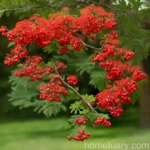
Sorbus americana (American Mountain Ash): A Complete Guide
Sorbus americana, commonly known as American Mountain Ash, is a captivating tree that belongs to the Rosaceae family. This native North American plant has been cherished for centuries for its ornamental beauty, wildlife value, and traditional uses. In this comprehensive guide, we will delve into the characteristics, uses, care, cultivation, and much more about the magnificent Sorbus americana.
What is Sorbus americana (American Mountain Ash)?
Sorbus americana, also recognized as American Mountain Ash, is a deciduous tree indigenous to eastern and central North America. This beautiful tree is esteemed for its ornamental attributes, with delicate white flowers in the spring, vibrant foliage in the fall, and clusters of bright red berries that persist through the winter. The species name, “americana,” is a nod to its native habitat in North America, where it thrives in various ecological niches from moist woodlands to rocky slopes.
Key Takeaways
Before delving deeper into the attributes and care of Sorbus americana, let’s address some key takeaways about this remarkable tree:
- American Mountain Ash tree
- A beautiful deciduous tree native to eastern and central North America
- Known for its ornamental features, including white flowers, vibrant foliage, and bright red berries
- Sorbus americana characteristics
- Delicate white flowers in spring
- Vibrant foliage in fall
- Clusters of persistent bright red berries
- American Mountain Ash uses
- Ornamental tree in landscapes and gardens
- Provides habitat and food for wildlife
- Traditional uses in crafts and folklore
- Growing and care
- Requires well-drained soil
- Thrives in full sun to partial shade
- Low maintenance once established
- Common diseases and pests
- Susceptible to fire blight, powdery mildew, and aphids
- Effective disease management through proper cultural practices
Now, let’s explore the various aspects of this fascinating tree in more detail.
Culture of Sorbus americana
Understanding the culture and requirements of Sorbus americana is essential for fostering its growth and ensuring its overall health and vibrancy.
Water
Sorbus americana thrives in well-drained soil and should be watered regularly, especially during its establishment phase. While it prefers moist conditions, it is important to avoid waterlogging, which can lead to root rot. Once mature, the tree exhibits good drought tolerance, making it an ideal choice for landscapes with varying moisture levels.
Sunlight
When it comes to sunlight, American Mountain Ash appreciates full sun to partial shade. Providing adequate sunlight is crucial for the tree’s overall growth, flowering, and berry production. In full sunlight, the tree tends to showcase its best fall color and prolific berry clusters.
Fertilizer
Sorbus americana generally does not require heavy fertilization. However, in nutrient-poor soils, a balanced fertilizer application in the spring can aid in promoting healthy growth. Organic mulches can also be beneficial in enriching the soil and conserving moisture.
Soil
The ideal soil for Sorbus americana is well-drained, slightly acidic, and rich in organic matter. While the tree can adapt to various soil types, including loamy and clay soils, it thrives in moist, fertile conditions. It is crucial to avoid compacted or waterlogged soil, as this can negatively impact the tree’s vigor and health.
Pruning
Pruning American Mountain Ash is primarily focused on maintaining its structural integrity and enhancing its aesthetic appeal. Regular pruning, especially during the dormant season, can help eliminate dead or diseased branches, promote air circulation, and shape the tree’s canopy. Proper pruning techniques can also encourage prolific flowering and berry production.
Propagation of Sorbus americana
Several methods can be employed for propagating Sorbus americana, including seeds, cuttings, and grafting. Each propagation method has its own advantages and challenges, and the choice of method often depends on the desired quantity, genetic diversity, and specific requirements.
-
Seed Propagation: Propagating American Mountain Ash from seeds is a viable option, especially for those seeking to introduce genetic diversity in new plantings. However, it is essential to note that seeds often exhibit variable germination rates and may take several years to reach maturity.
-
Cuttings: Softwood or hardwood cuttings can be used to propagate American Mountain Ash, offering a quicker means of reproducing desirable traits from a parent plant. Softwood cuttings are best taken in early summer, while hardwood cuttings are typically collected during the dormant season.
-
Grafting: Grafting is a common method employed to propagate specific Sorbus americana varieties with desirable traits onto rootstocks. This technique ensures that the new plants retain the characteristics of the selected cultivar while benefitting from the vigor of the rootstock.
American Mountain Ash in Containers
While Sorbus americana is often showcased in expansive landscapes and gardens, its captivating attributes can also be enjoyed in container gardens and urban settings. Growing American Mountain Ash in containers requires specific considerations to ensure its well-being and ornamental allure.
Popularity in Containers
American Mountain Ash is gaining popularity as a container specimen, adding visual interest to patios, balconies, and rooftop gardens. When planted in containers, the tree’s seasonal transformation, from delicate blossoms in spring to vibrant berries in fall, becomes a striking focal point.
Care in Containers
When cultivating Sorbus americana in containers, it is crucial to select a sizable container with adequate drainage holes to prevent waterlogging. Employing a well-draining potting mix and providing regular watering and fertilization can promote healthy growth. Additionally, container-grown trees may require winter protection in colder climates to shield them from harsh temperatures and wind.
Common Diseases and Pests
In order to maintain the health and vigor of Sorbus americana, it is vital to be aware of the potential diseases and pests that can affect this tree.
Disease Diagnosis
American Mountain Ash is susceptible to several diseases, including fire blight, powdery mildew, and canker diseases. Early detection and proper diagnosis of these diseases are crucial for implementing effective management strategies, which may include cultural practices, fungicidal treatments, and, in severe cases, pruning of affected branches.
Common Pests
Aphids, caterpillars, and sawflies are among the common pests that can infest Sorbus americana. These pests can lead to issues such as defoliation, diminished vigor, and reduced floral and fruit production. Employing integrated pest management practices, including natural predators, horticultural oils, and insecticidal soaps, can aid in controlling pest populations while minimizing the impact on beneficial insects and wildlife.
Botanist’s Tips for Sorbus americana
As a plant scientist, I have gathered and curated some essential tips to aid in the successful cultivation and appreciation of Sorbus americana.
- Soil and Water: Ensure well-drained soil and consistent watering, especially during the establishment phase.
- Sunlight: Provide ample sunlight to promote vigorous growth, flowering, and fruiting.
- Pruning: Regular pruning can enhance the tree’s structure, encourage prolific flowering and fruit set, and improve air circulation.
- Disease and Pest Management: Monitor the tree for signs of diseases and pests, and employ proactive measures to address any issues immediately.
- Wildlife Habitat: Embrace the ecological significance of American Mountain Ash as a valuable food source for birds and wildlife.
Fun Facts about Sorbus americana
The world of plants is filled with captivating and intriguing details, and Sorbus americana is no exception. Let’s explore some fun and fascinating facts about this remarkable tree:
- The berries of Sorbus americana are a vital food source for numerous bird species, including thrushes, waxwings, and grouse, especially during the winter months when other food options are scarce.
- In folklore and traditional uses, American Mountain Ash has been associated with protective and magical properties, with branches often used to avert harm and negative influences.
- The vibrant fall foliage of Sorbus americana can display an array of colors, including shades of orange, red, and yellow, creating a stunning visual display in autumn landscapes.
- Sorbus americana has been integrated into various craft projects, including wreaths, decorative displays, and natural dye extraction, highlighting its versatility beyond its ornamental and ecological significance.
Links to External Resources
To further expand your knowledge of Sorbus americana and delve into specific topics related to this captivating tree, I have compiled a list of external resources that offer valuable insights and information:
- American Mountain Ash: An Ecological Perspective
- Cultivation and Care of Sorbus americana
- Wildlife Value of American Mountain Ash
- Traditional Uses and Folklore of Sorbus americana
- Disease Management in American Mountain Ash
- Birds and Wildlife Associated with Sorbus americana
In Conclusion
Sorbus americana, the American Mountain Ash, encompasses an array of captivating attributes, from its ornamental beauty and ecological significance to its traditional uses and wildlife value. Understanding the culture, care, and significance of this remarkable tree fosters a deeper appreciation for the intricate relationships between plants, wildlife, and human culture. Whether adorning landscapes with its vibrant berries, providing nourishment for wildlife, or inspiring creative endeavors, Sorbus americana exemplifies the inherent value of native plants and their multifaceted contributions to our natural and cultural landscapes.