Song Of India Plant (Dracaena Reflexa Variegata)
Dracaena reflexa variegata, commonly known as the Song of India plant, is an exquisite evergreen shrub with a vibrant blend of green and yellow hues.
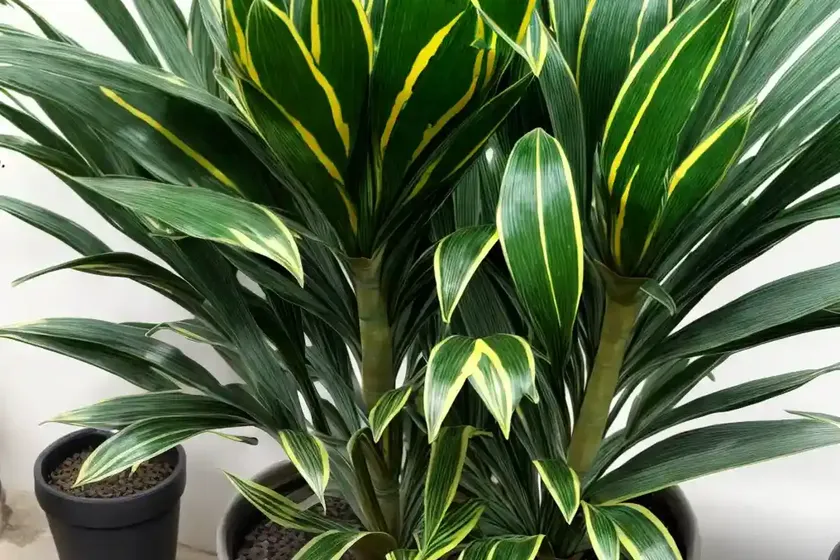
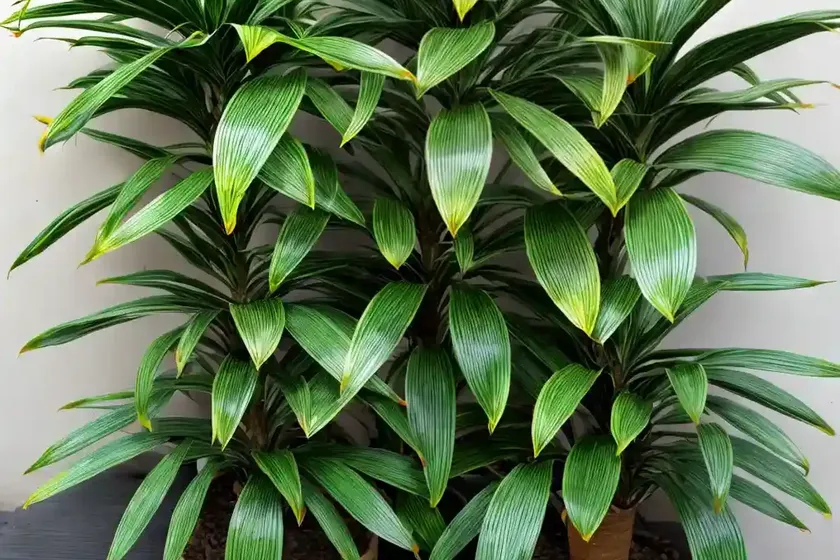
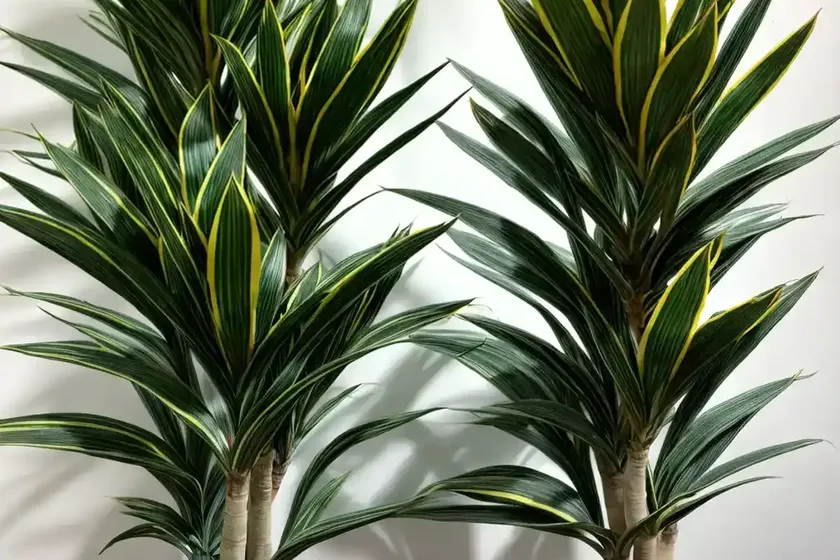
Dracaena reflexa variegata, commonly known as the Song of India plant, is an exquisite evergreen shrub with a vibrant blend of green and yellow hues adorning its foliage. It belongs to the Asparagaceae family and is native to Madagascar and other Indian Ocean islands. This plant has gained popularity as an indoor ornamental plant due to its visually appealing variegated leaves and relatively easy care requirements.
In this comprehensive guide, we will delve into the various aspects of caring for the Song of India plant, including its cultural requirements, propagation, common diseases and pests, and interesting facts. Whether you are a seasoned plant enthusiast or new to the world of indoor gardening, this guide will equip you with the knowledge needed to cultivate and maintain vibrant Dracaena reflexa variegata plants in your home or garden.
Key Takeaways
Before we delve into the intricate details of caring for the Song of India plant, let’s take a quick look at the key takeaways:
Culture
- The Song of India plant thrives in warm and humid conditions, making it well-suited for indoor cultivation in various climates.
- It is important to provide well-draining soil and shelter the plant from cold drafts to ensure its optimal growth.
Uses
- The Song of India plant is primarily cultivated as an ornamental houseplant, adding a touch of elegance to indoor spaces with its striking foliage.
Water
- Proper watering is crucial for the health of the plant. It’s essential to avoid overwatering, which can lead to root rot, and ensure that the soil is allowed to dry out between waterings.
Sunlight
- While the plant prefers bright, indirect light, it can also tolerate lower light conditions. Avoid exposing it to direct sunlight, which can scorch its delicate leaves.
Fertilizer
- Regular application of a balanced, water-soluble fertilizer during the growing season can support the plant’s growth and vibrancy.
Soil
- Well-draining, peat-based potting mix is recommended for the Song of India plant to prevent waterlogging and provide adequate aeration for the roots.
Pruning
- Occasional pruning can shape the plant and remove any damaged or yellowing leaves to maintain its aesthetic appeal.
Propagation
- The Song of India plant can be propagated through stem cuttings, offering an opportunity to expand your collection or share the plant with fellow gardening enthusiasts.
Container
- Select a suitable container with drainage holes to prevent water accumulation at the roots.
Popularity
- With its captivating foliage and relatively low maintenance requirements, the Song of India plant has garnered popularity as a sought-after indoor ornamental plant.
Common Diseases
- Being vigilant for signs of leaf spot diseases and promptly addressing them can help maintain the plant’s health and vigor.
Common Pests
- The plant may attract pests such as spider mites and mealybugs, necessitating proactive pest management measures.
Botanist’s Tips
- Enrich your understanding of the Song of India plant with expert tips on its care and maintenance.
Fun Facts
- Discover intriguing and lesser-known facts about the Song of India plant that add to its allure.
What is the Song of India Plant (Dracaena reflexa variegata)?
The Song of India plant, scientifically known as Dracaena reflexa variegata, is a captivating cultivar of the Dracaena reflexa species. It features striking, variegated foliage with a blend of green and yellow hues, adding a touch of vibrancy to indoor spaces. This evergreen shrub belongs to the Asparagaceae family and is native to regions such as Madagascar and the Indian Ocean islands. Although it can thrive as an outdoor plant in certain climates, it is predominantly cherished as an ornamental houseplant due to its appealing aesthetic and relatively manageable care requirements.
The variegated leaves of the Song of India plant display a delightful mix of colors, with green as the dominant hue and vivid yellow streaks or patches creating a visually captivating display. As a relatively compact plant, it is well-suited for indoor cultivation, providing an opportunity to introduce a touch of nature’s beauty into homes, offices, or other indoor environments.
Taxonomy
- Family: Asparagaceae
- Genus: Dracaena
- Species: Dracaena reflexa
Appearance
The foliage of the Song of India plant is the main highlight, with its rich, variegated leaves enhancing the visual appeal of the plant. The leaves are characterized by a vibrant blend of green and yellow, creating an eye-catching display. The plant typically features slender, arching stems adorned with clusters of these variegated leaves, contributing to its graceful and elegant appearance.
Culture
Cultivating the Song of India plant successfully involves creating an environment that aligns with its cultural requirements. From temperature and humidity to soil and watering practices, understanding the plant’s cultural needs is essential for nurturing healthy and vibrant specimens.
Temperature
The Song of India plant thrives in warm and humid conditions, making it well-suited for indoor cultivation in various climates. It prefers temperatures ranging from 65°F to 80°F (18°C to 27°C), and it is sensitive to cold drafts. To ensure optimal growth and health, it is important to shield the plant from sudden temperature fluctuations and drafts, especially during the cooler months.
Humidity
Native to regions with relatively high humidity, the Song of India plant benefits from a moderately humid environment. While it can acclimate to average indoor humidity levels, particularly dry conditions can lead to issues such as leaf browning or tip dieback. To boost humidity levels around the plant, consider employing measures such as using a humidifier or placing the plant on a tray filled with water and pebbles.
Uses
The primary use of the Song of India plant lies in its ornamental value. Its stunning foliage and elegant growth habit make it a popular choice for enhancing indoor spaces such as living rooms, offices, and lobbies. The vibrant display of variegated leaves adds a touch of visual interest and natural beauty to any environment, making it a prized addition to indoor gardens and plant collections.
Water
Proper watering practices are critical for maintaining the health and vigor of the Song of India plant. Here are some essential guidelines to ensure optimal watering for this plant:
Watering Frequency
- Allow the top inch of the soil to dry out between waterings. Overly soggy or waterlogged soil can lead to root rot and other issues, while excessively dry soil can cause stress and dehydration for the plant.
Watering Method
- When watering, ensure thorough saturation of the soil, allowing excess water to drain freely from the container’s drainage holes. Discard any accumulated water in the saucer to prevent waterlogging.
Signs of Overwatering
- Excessive moisture in the soil can lead to root rot, characterized by mushy, discolored roots. Other signs of overwatering include yellowing or wilting of foliage, which may indicate stress due to waterlogged conditions.
Signs of Underwatering
- On the other hand, if the plant is underwatered, the leaves may develop dry, crispy edges or exhibit wilting. Inadequate watering can also lead to a decline in the plant’s overall health and vitality.
Sunlight
Providing appropriate light conditions is essential for the well-being of the Song of India plant. While it prefers bright, indirect light, it can also tolerate lower light levels. Consider the following aspects related to sunlight requirements for this plant:
Light Requirements
- Place the Song of India plant in a location that receives bright, indirect sunlight, such as near a window with sheer curtains or in a bright, well-lit room. Direct sunlight exposure, especially during the intense midday hours, should be avoided, as it can lead to leaf scorching.
Low Light Tolerance
- In indoor environments with lower light levels, the Song of India plant can still thrive, although its growth may slow down compared to plants receiving brighter light. It’s advisable to avoid placing the plant in areas with dim or very low light for extended periods, as it may adversely impact its vigor and overall health.
Fertilizer
Proper fertilization can support the growth and vibrancy of the Song of India plant, helping it maintain its lush foliage and overall vigor. Here are some essential guidelines for fertilizing this ornamental plant:
Fertilizer Type
- Use a balanced, water-soluble fertilizer with a 20-20-20 NPK (nitrogen, phosphorus, potassium) ratio or a similar formulation. This balanced fertilizer provides essential nutrients to support the plant’s growth and development.
Fertilizing Frequency
- During the growing season, which typically spans spring and summer, apply the fertilizer at half the recommended strength every four to six weeks. Reduce or cease fertilization during the plant’s dormant phase in fall and winter.
Application Method
- Dilute the fertilizer according to the manufacturer’s instructions and apply it to the soil, avoiding direct contact with the foliage. Water the plant lightly after fertilization to encourage the distribution of nutrients in the soil.
Soil
Selecting the right soil type and ensuring proper drainage are crucial for the health and well-being of the Song of India plant. Here’s what you need to know about the ideal soil conditions for this ornamental shrub:
Soil Type
- Choose a well-draining, peat-based potting mix for the Song of India plant. The potting mix should offer adequate aeration for the roots while retaining moisture without becoming waterlogged.
pH Level
- The optimal soil pH for the Song of India plant ranges between 6.0 and 6.5, providing a slightly acidic to neutral environment in which the plant can thrive.
Container
- When growing the Song of India plant in a container, ensure that the pot has drainage holes to facilitate the removal of excess water. A well-draining container can prevent water accumulation at the roots, reducing the risk of root rot and other moisture-related issues.
Pruning
Pruning serves as a valuable maintenance practice for the Song of India plant, allowing you to shape the plant and remove any damaged or yellowing foliage. Here are some key points to keep in mind when pruning this ornamental shrub:
Pruning Technique
- Use clean, sharp pruning shears to trim the stems or remove undesirable foliage. It’s advisable to prune the plant in early spring or late winter to promote new growth as the growing season commences.
Removal of Yellowing Leaves
- Monitor the plant for any yellowing or damaged leaves, and promptly trim them to maintain the plant’s aesthetic appeal and overall health. Remove any debris or fallen foliage from the base of the plant to prevent the spread of diseases.
Shaping the Plant
- Pruning offers an opportunity to shape the Song of India plant according to your aesthetic preferences. Whether you aim to maintain a compact form or encourage a more upright growth habit, regular pruning can help achieve the desired appearance.
Propagation
Propagating the Song of India plant through stem cuttings is an effective way to expand your plant collection or share this ornamental shrub with fellow gardening enthusiasts. Here’s a step-by-step guide to propagating the Song of India plant:
Step 1: Selecting the Cutting
- Choose a healthy stem from the parent plant, preferably one with several nodes. The cutting should be several inches long, with at least a couple of nodes from which roots can develop.
Step 2: Preparing the Cutting
- Using clean, sharp shears, make a clean cut just below a node, ensuring that the cutting is at least a few inches long. Remove any lower leaves to expose the nodes that will be submerged in the rooting medium.
Step 3: Rooting Medium
- Prepare a suitable rooting medium, such as a mix of perlite and peat moss or a well-draining potting mix. Dampen the medium slightly to provide a favorable environment for root development.
Step 4: Planting the Cutting
- Insert the prepared stem cutting into the rooting medium, ensuring that at least one or two nodes are below the surface. Gently press the medium around the cutting to provide stability.
Step 5: Providing Ideal Conditions
- Place the cutting in a warm, humid environment with bright, indirect light. It’s essential to maintain consistent moisture levels in the rooting medium without overwatering.
Step 6: Root Development
- Over the following weeks, monitor the cutting for signs of root development. Once roots have established, the cutting can be transplanted into a suitable container with well-draining soil.
Step 7: Caring for the New Plant
- After transplanting, provide adequate care for the newly propagated plant, including appropriate watering, light, and fertilization, to support its growth and establishment.
Popularity
The Song of India plant has gained notable popularity as an attractive and relatively low-maintenance indoor ornamental plant. Its striking foliage and graceful growth habit make it a favored choice for adorning living spaces, offices, and other indoor environments. The vibrant blend of green and yellow in its variegated leaves adds a touch of natural beauty and visual interest to any setting, contributing to its allure among plant enthusiasts and interior decorators alike.
Common Diseases
Being vigilant for signs of leaf spot diseases and promptly addressing them can help maintain the health and vigor of the Song of India plant. Here are some common diseases that may affect this ornamental shrub:
Leaf Spot Diseases
- Leaf spot diseases, often caused by fungal or bacterial pathogens, can manifest as dark or discolored spots on the foliage. These spots may enlarge over time, leading to leaf yellowing or premature leaf drop. To address leaf spot diseases, promptly remove and destroy affected foliage, and ensure proper air circulation to discourage the spread of pathogens.
Pest Management
- Additionally, keeping the plant free from debris such as fallen leaves, maintaining proper air circulation, and avoiding overwatering can contribute to disease prevention. If needed, targeted applications of fungicides or bactericides may be considered under the guidance of a plant care professional.
Common Pests
The Song of India plant may be susceptible to pest infestations, requiring proactive pest management measures to maintain its health and vitality. Here are some common pests that may affect this ornamental shrub:
Spider Mites
- Spider mites are tiny arachnids that may infest the foliage of the Song of India plant, causing stippling and discoloration on the leaves. Regularly inspect the plant for signs of spider mite activity, and employ measures such as gentle washing with water or targeted applications of horticultural oil to manage infestations.
Mealybugs
- Mealybugs are small, soft-bodied insects that may cluster on the stems and leaf undersides of the plant, feeding on plant sap and excreting a sticky substance known as honeydew. An infestation of mealybugs can weaken the plant and lead to aesthetic issues. Use methods such as gently wiping the pests with a cotton swab dipped in alcohol or employing natural predators such as ladybugs to control mealybug populations.
Botanist’s Tips
Enrich your care and maintenance of the Song of India plant with the following expert tips and recommendations:
- Air Circulation: Ensure adequate air circulation around the plant to reduce the risk of fungal diseases and promote overall plant health.
- Regular Inspection: Periodically inspect the plant for any signs of pests, diseases, or cultural issues, allowing for prompt intervention if necessary.
- Maintenance Pruning: Engage in regular maintenance pruning to shape the plant and remove any damaged or yellowing foliage.
- Consistent Care: Provide consistent care in terms of watering, light, and fertilization to support the plant’s growth and well-being.
Fun Facts
Uncover intriguing and lesser-known facts about the Song of India plant that add to its allure and charm:
- The variegated foliage of the Song of India plant showcases an enchanting play of green and yellow, contributing to its visual appeal.
- Dracaena reflexa variegata is known for its air-purifying qualities, helping to improve the indoor air quality where it is cultivated.
- The Song of India plant is a renowned selection for bringing a touch of nature’s beauty to interior spaces, offering an elegant and low-maintenance ornamental option.
Links to External Resources
Explore the following links to access additional information and resources related to the care and cultivation of the Song of India plant:
- Article on Dracaena reflexa variegata care
- Guide to Song of India plant care tips
- How-to resource for growing Dracaena reflexa variegata
- Information on the variegated Dracaena reflexa plant
- Tips for Dracaena reflexa variegated variety care
In conclusion, the Song of India plant, with its captivating variegated foliage and relatively manageable care requirements, stands out as an appealing choice for indoor ornamental cultivation. By understanding and implementing the cultural recommendations, watering practices, and pest management measures detailed in this guide, you can nurture thriving and vibrant Dracaena reflexa variegata plants in your indoor spaces. Whether you are drawn to its elegant appearance, air-purifying qualities, or overall charm, the Song of India plant is sure to captivate with its striking visual display and natural allure.
For further information, assistance, and cultivation advice, feel free to reach out to botanical experts, plant care professionals, or fellow plant enthusiasts who share a passion for the beauty and cultivation of the Song of India plant.
Note: This blog post is intended for informational purposes only and should not be considered as professional advice. Always consult with a horticultural expert or qualified professional for personalized guidance on plant care and maintenance.
Keywords: Dracaena reflexa variegata care, Song of India plant care tips, how to grow Dracaena reflexa variegata, variegated Dracaena reflexa plant, Dracaena reflexa variegated variety, Song of India indoor plant, Dracaena reflexa variegata pruning, variegated Song of India plant, Dracaena reflexa variegata propagation, Song of India plant benefits, Dracaena reflexa variegata soil requirements, variegated Dracaena reflexa plant care, Song of India plant lighting needs, Dracaena reflexa variegata water requirements, variegated Song of India plant care tips, Dracaena reflexa variegated variety care, Song of India plant growth habits, Dracaena reflexa variegata fertilizing, variegated Dracaena reflexa plant propagation, Song of India plant diseases, Dracaena reflexa variegata temperature tolerance, variegated Song of India plant propagation methods, Dracaena reflexa variegated variety pruning, Song of India plant pests control, Dracaena reflexa variegata indoor plant care, variegated Dracaena reflexa plant water requirements, Song of India plant potting mix, Dracaena reflexa variegata sunlight needs, variegated Song of