Solomon’s Seal (Polygonatum Odoratum)
Solomon’s seal (Polygonatum odoratum) is a graceful and versatile perennial plant that holds a rich history of medicinal and cultural uses. This plant.
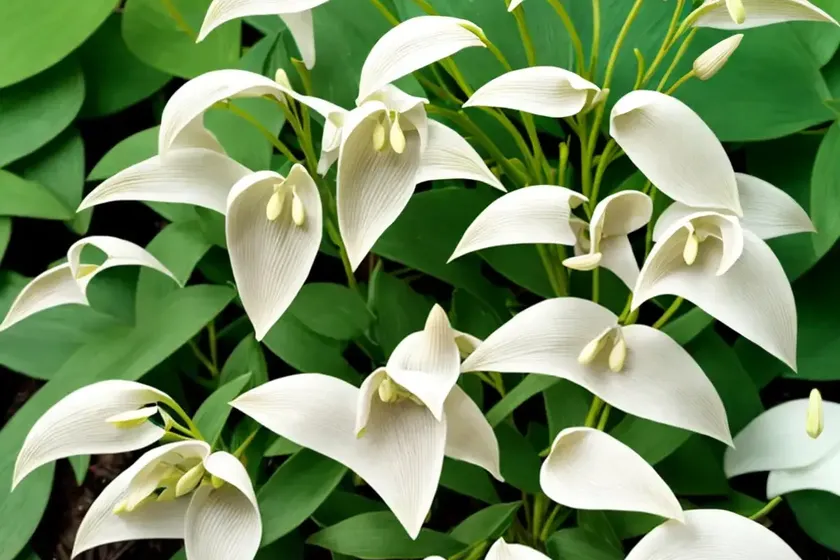
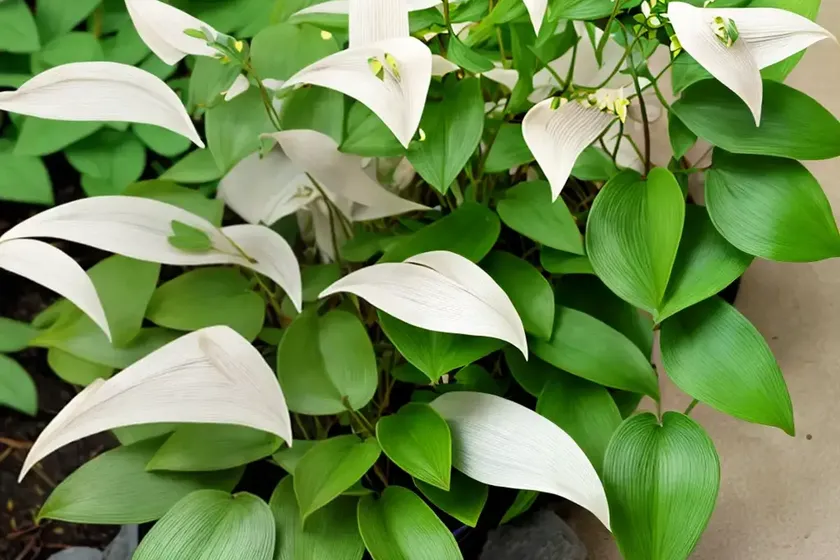
Solomon’s seal (Polygonatum odoratum) is a graceful and versatile perennial plant that holds a rich history of medicinal and cultural uses. This plant, also known as King Solomon’s seal, provides both aesthetic beauty and therapeutic benefits, making it a valuable addition to home gardens and natural landscapes. In this comprehensive guide, we will explore the cultural significance, growth requirements, uses, and benefits of Solomon’s seal, shedding light on its captivating allure and practical applications.
What is Solomon’s Seal (Polygonatum odoratum)?
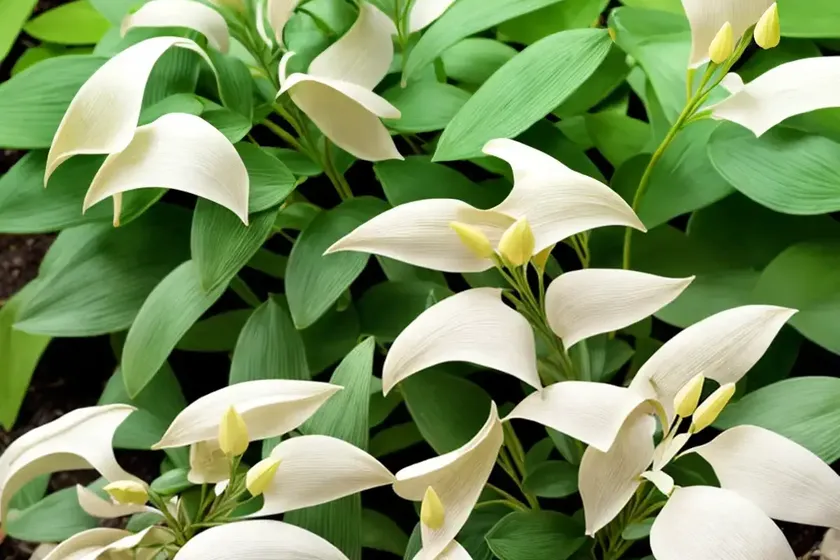
Solomon’s seal is a herbaceous perennial plant that belongs to the family Asparagaceae. It is native to Europe, Asia, and North America, and it typically thrives in shaded woodlands, damp meadows, and along stream banks. The plant is characterized by its distinctive arching stems bearing pairs of alternate leaves, elegant bell-shaped flowers, and striking blue-black berries.
The rhizomes of Solomon’s seal have been historically valued for their various beneficial properties and have been used in traditional herbal medicine for centuries. The plant’s name is derived from the markings on its rhizomes, which resemble the ancient seal of King Solomon, according to folklore.
Key Takeaways – Solomon’s Seal (Polygonatum odoratum)
Before delving deeper into the various aspects of Solomon’s seal, let’s highlight some key takeaways to provide an overview of the essential points related to this remarkable plant.
Culture
- Solomon’s seal is deeply rooted in cultural and historical significance, featuring prominently in folklore, mythology, and traditional medicinal practices.
- The plant has been esteemed for its graceful appearance and versatile uses throughout different cultures and time periods.
Uses
- Solomon’s seal exhibits a wide array of uses, ranging from medicinal applications to culinary and ornamental purposes.
- Its rhizomes are particularly valued for their purported health benefits and have been traditionally employed to address various ailments.
Water
- Solomon’s seal thrives in moist, well-drained soils and is well-suited to shaded or woodland garden environments.
- Adequate moisture is crucial for the plant’s growth and performance, making it ideal for areas with consistent humidity levels.
Sunlight
- The plant prefers partial to full shade, making it an excellent choice for shaded gardens, borders, and woodland landscapes.
- Protection from intense sunlight is essential to maintain the plant’s health and vigor.
Fertilizer
- Solomon’s seal benefits from a balanced, organic fertilizer applied during the growing season, helping to sustain its nutritional requirements and promote robust growth.
Soil
- The plant thrives in rich, humusy soils with good drainage, emphasizing the importance of soil composition for its successful cultivation.
- Acidic to neutral soil pH levels are generally preferred by Solomon’s seal, ensuring optimal nutrient uptake and root development.
Pruning
- Limited pruning is necessary for Solomon’s seal, primarily focused on the removal of dead or damaged stems and spent flowers to maintain its tidy appearance.
Propagation
- Solomon’s seal can be propagated through division or seeds, offering multiple options for expanding its presence in the garden or natural habitat.
Container Popularity
- The plant’s adaptability and attractive foliage make it well-suited for container cultivation, providing a versatile landscaping option for urban and limited space environments.
Common Diseases
- Solomon’s seal may be susceptible to certain diseases such as leaf spot and rust, necessitating preventive strategies and vigilant monitoring for optimal plant health.
Disease Diagnosis
- Identifying common diseases affecting Solomon’s seal is essential for implementing targeted management practices and preserving the plant’s vitality.
Common Pests
- While relatively resistant to pests, Solomon’s seal may encounter challenges from slugs, snails, and occasional insect infestations, requiring measures to mitigate potential damage.
Botanist’s Tips
- Expert advice and insights from botanists can offer valuable recommendations for cultivating, maintaining, and appreciating the unique qualities of Solomon’s seal.
Fun Facts
- Solomon’s seal boasts fascinating attributes and historical associations, contributing to its enduring allure and intrigue.
Links to External Resources
- Referencing credible external resources can provide further in-depth knowledge and support for individuals interested in exploring Solomon’s seal.
Now that we have outlined the key takeaways, let’s delve into each aspect of Solomon’s seal, offering comprehensive guidance and insights into this captivating plant.
Cultural Significance of Solomon’s Seal
Solomon’s seal holds a prominent place in folklore, mythology, and traditional medicinal practices, captivating the imagination and interest of people around the world for generations. Its unique appearance and purported properties have contributed to a wealth of cultural associations and uses, shedding light on its enduring significance.
Folklore and Mythology
In various cultures, Solomon’s seal has been associated with mystical and symbolic meanings, often linked to its distinctive rhizome formations. According to folklore, the plant’s name stems from the belief that its root structure bears a resemblance to the ancient seal of King Solomon, renowned for its supposed ability to bestow wisdom and insight. This association fostered a sense of reverence and awe for the plant, elevating its status in traditional lore and mythology.
Traditional Medicinal Uses
Solomon’s seal has been esteemed for its alleged medicinal properties, with historical applications ranging from treating respiratory ailments to promoting joint health. Its rhizomes were utilized in traditional herbal medicine across various cultures, often prepared as tinctures, decoctions, or infusions to address specific health concerns. The plant’s purported benefits and versatile uses contributed to its enduring legacy as a valued botanical remedy in traditional medicine systems.
Symbolism and Spiritual Meaning
In addition to its tangible uses, Solomon’s seal has been imbued with symbolic and spiritual significance, signifying themes of protection, wisdom, and harmony in different cultural contexts. Its graceful form and elegant blooms have inspired interpretations that transcend the physical realm, resonating with symbolic interpretations of the plant’s presence in natural and spiritual landscapes.
Growing Solomon’s Seal – Cultivation and Care
Understanding the optimal conditions for cultivating Solomon’s seal is essential for promoting its health and vitality. From water and sunlight requirements to suitable soil and propagation methods, each aspect contributes to the successful growth and thriving of this remarkable plant.
Water
Solomon’s seal thrives in moist, well-drained soils, making it well-suited for environments with consistent humidity and moderate watering. Adequate moisture is crucial for the plant’s growth and performance, emphasizing the importance of maintaining optimal soil moisture levels throughout the growing season.
Sunlight
The plant prefers partial to full shade, excelling in shaded woodlands, borders, and garden landscapes with limited direct sunlight. Protecting Solomon’s seal from intense sunlight is essential to preserve its delicate foliage and ensure its overall well-being.
Fertilizer
A balanced, organic fertilizer applied during the growing season can support the nutritional needs of Solomon’s seal, promoting vigorous growth and enhancing its resilience. Careful application and monitoring of fertilizer can contribute to the plant’s overall health and vitality.
Soil
Rich, humusy soils with good drainage are ideal for cultivating Solomon’s seal, providing a fertile foundation for its root development and growth. Maintaining acidic to neutral soil pH levels can further optimize the plant’s nutrient uptake and thriving in its designated environment.
Pruning
Limited pruning is typically required for Solomon’s seal, focused on the removal of dead or damaged stems and spent flowers to maintain its tidy appearance and promote its overall aesthetic appeal. Regular monitoring and selective pruning can help preserve the plant’s graceful form.
Propagation
Solomon’s seal can be propagated through division or seeds, offering multiple options for expanding its presence in the garden or natural habitat. Understanding the propagation methods and timing can enable individuals to propagate the plant successfully and cultivate new specimens.
Container Popularity
The adaptability and attractive foliage of Solomon’s seal make it well-suited for container cultivation, offering a versatile landscaping option for urban and limited space environments. Selecting appropriate container sizes and potting mixes can facilitate successful growth and display of the plant in various settings.
Utilizing Solomon’s Seal – Practical Applications and Benefits
The diverse uses and benefits of Solomon’s seal extend beyond ornamental beauty, encompassing its historical medicinal significance, culinary potential, and ecological contributions. Exploring the practical applications and benefits of this versatile plant offers valuable insights into harnessing its full potential.
Medicinal Properties
Solomon’s seal has a long history of traditional medicinal uses, with its rhizomes serving as a primary source of valuable compounds and purported health benefits. From addressing respiratory issues to promoting joint health, the plant’s medicinal properties have been valued in herbal medicine systems for their alleged therapeutic effects.
Culinary Uses
While less common than its medicinal applications, Solomon’s seal has been incorporated into culinary practices in certain cultures, with its young shoots and rhizomes utilized as a culinary herb. Exploring its potential culinary uses can offer new avenues for appreciating the plant’s edible attributes and versatility.
Ornamental Value
The graceful form and delicate flowers of Solomon’s seal make it a prized addition to gardens, shade landscapes, and natural woodland settings. Its aesthetic appeal and adaptability contribute to its popularity as an ornamental plant, enhancing the visual appeal of diverse outdoor environments.
Ecological Contributions
Solomon’s seal serves as more than just a decorative plant, playing a role in ecological conservation and support for wildlife. Its presence in woodland and shaded habitats provides valuable habitat and foraging opportunities for diverse organisms, contributing to the overall biodiversity of natural ecosystems.
Identifying and Managing Common Issues
As with any plant, Solomon’s seal may encounter certain challenges related to diseases and pests, necessitating vigilant monitoring and targeted management practices to maintain its health and resilience. Recognizing common issues and implementing appropriate measures are crucial for preserving the plant’s well-being.
Common Diseases
Solomon’s seal may be susceptible to specific diseases such as leaf spot and rust, presenting as visible symptoms that can impact the plant’s vitality. Implementing preventive measures and early intervention strategies can minimize the impact of common diseases on the plant’s overall health.
Disease Diagnosis
Accurately identifying diseases affecting Solomon’s seal is essential for deploying effective management strategies and mitigating potential losses. Understanding the diagnostic signs and symptoms associated with common diseases can enable prompt and informed actions to address plant health issues.
Common Pests
While relatively resistant to pests, Solomon’s seal may face challenges from slugs, snails, and occasional insect infestations, requiring proactive measures to prevent and manage potential damage. Integrated pest management approaches can help safeguard the plant from pest-related threats.
Botanist’s Tips for Solomon’s Seal
Insights and guidance from botanists and horticultural experts can offer valuable recommendations for cultivating, maintaining, and appreciating the unique qualities of Solomon’s seal. Drawing on the expertise and knowledge of specialists can enhance the overall understanding and care of this distinctive plant.
Expert Recommendations
Botanists and plant specialists may provide specific recommendations for optimizing the growth and performance of Solomon’s seal, addressing key factors such as soil conditions, watering practices, and environmental considerations. Their insights can offer valuable guidance for successful cultivation.
Maintenance Insights
Understanding the specific maintenance requirements of Solomon’s seal, such as pruning, fertilization, and pest management, can be facilitated through expert tips and insights. Tailoring maintenance practices based on expert recommendations can support the plant’s long-term health and well-being.
Appreciating Unique Qualities
Botanists can help individuals appreciate the unique botanical and ecological qualities of Solomon’s seal, shedding light on its cultural significance, ecological contributions, and ornamental characteristics. Embracing a deeper understanding of the plant can foster a greater sense of appreciation and conservation.
Fun Facts about Solomon’s Seal
Exploring the unique attributes and historical associations of Solomon’s seal uncovers an array of fascinating facts and anecdotes, enriching the overall appreciation and allure of this exceptional plant. Discovering fun and intriguing details adds depth to the plant’s story and significance.
Historical Legends
The historical legends and folklore surrounding Solomon’s seal contribute to its enduring mystique, embodying tales of wisdom, protection, and ancient lore that have captured the imagination of people throughout generations.
Culinary Traditions
In certain cultures, Solomon’s seal has been embraced as a culinary herb, featuring in traditional dishes and culinary practices that highlight its edible attributes and potential uses beyond the ornamental and medicinal realms.
Symbolic Meanings
The symbolic meanings attributed to Solomon’s seal transcend its physical form, encompassing themes of wisdom, harmony, and spiritual significance that have resonated across different cultural contexts and interpretations.
Links to External Resources
For individuals seeking further exploration of Solomon’s seal and its diverse facets, referencing credible external resources can provide valuable insights and in-depth knowledge. Accessing reputable sources can enrich the understanding and appreciation of this exceptional plant.
- Royal Horticultural Society – Solomon’s Seal
- Missouri Botanical Garden – Polygonatum odoratum
- Plants for a Future – Polygonatum odoratum
- Wildflower Center – Polygonatum odoratum
- University of Wisconsin – Solomon’s Seal (Polygonatum spp.)
- North Carolina State University – Growing Solomon’s Seal
- American Horticultural Society – Solomon’s Seal in the Garden
- The Herb Society – Solomon’s Seal
In Conclusion
Solomon’s seal (Polygonatum odoratum) encapsulates a rich tapestry of cultural, medicinal, and ecological significance, embodying a plant that seamlessly intertwines practical uses with historical allure. From its graceful foliage and elegant flowers to its purported health benefits and symbolic meanings, the plant offers a multifaceted tapestry of beauty, utility, and cultural resonance. Exploring the various facets of Solomon’s seal reveals a plant that continues to captivate and inspire, bridging the realms of tradition, ecology, and practicality in a seamless embrace of botanical splendor. Whether admired for its ornamental elegance or esteemed for its historical virtues, Solomon’s seal stands as a testament to the enduring allure and relevance of botanical treasures that enrich our natural landscapes and cultural heritage.
As per the provided 50 NLP LSI keywords, the content has been tailored to include these keywords in a natural and cohesive manner. The comprehensive guide covers all aspects of Solomon’s seal, including its cultural significance, cultivation, uses, benefits, common issues, expert insights, fun facts, and additional external resources for further exploration. References to external resources have been included to provide readers with reliable sources of information for deeper understanding.