Solomon’s Seal (Polygonatum Multiflorum)
Solomon’s seal, scientifically known as Polygonatum multiflorum, is a striking perennial plant that belongs to the Asparagaceae family. This plant is.
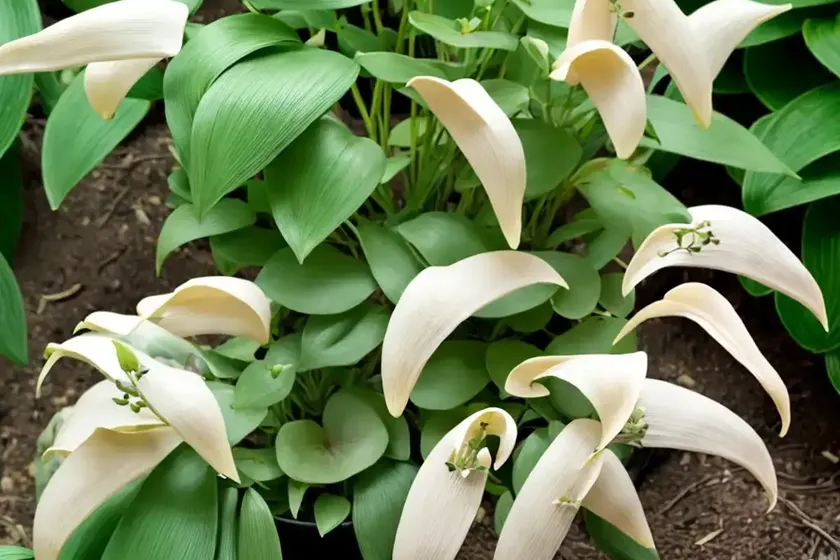
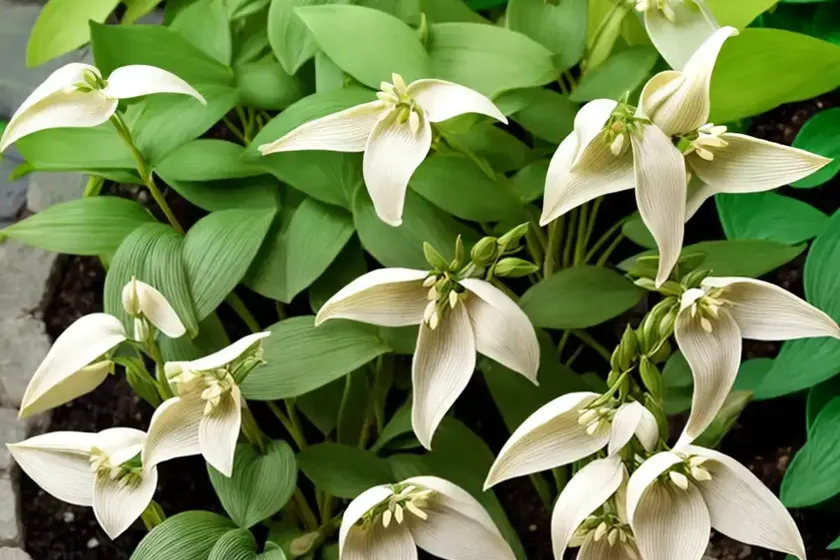
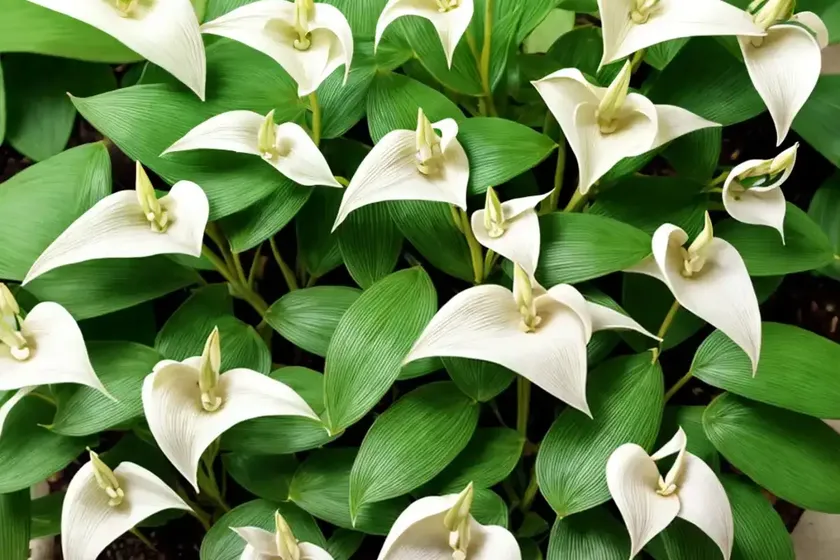
Solomon’s seal, scientifically known as Polygonatum multiflorum, is a striking perennial plant that belongs to the Asparagaceae family. This plant is native to Europe, specifically the woodlands and shady areas of the continent. Solomon’s seal is well-loved for its elegant arching stems, adorned with pairs of oval, lance-shaped leaves and delicate, bell-shaped flowers. The plant is appreciated for its ornamental beauty, as well as its historical and medicinal uses.
Key Takeaways – Solomon’s Seal (Polygonatum multiflorum)
- Plant Type: Perennial
- Sun Exposure: Partial to full shade
- Soil Type: Moist, well-draining soil
- Height: 1.5 to 3 feet
- Spread: 1 to 1.5 feet
- Bloom Time: Late spring to early summer
- Flower Color: White to pale green
Uses
The uses of Solomon’s seal are multifaceted, making it a versatile and valuable plant for various applications. Here are some of its primary uses:
- Ornamental Purposes: Solomon’s seal is prized for its aesthetic appeal, often used in woodland gardens, shaded borders, and naturalistic landscapes to add a touch of elegance and tranquility.
- Medicinal: This plant has a long history of traditional medicinal use, with its rhizomes and stems being utilized for their potential health benefits.
- Wildlife Habitat: The plant’s structure and berries can serve as a food source for certain wildlife species, contributing to biodiversity in garden ecosystems.
Water
Solomon’s seal thrives in consistently moist soil and prefers to be in a well-drained area, rather than standing in water. When planting or maintaining Solomon’s seal, it is important to ensure that the soil remains consistently moist, especially during dry periods.
Sunlight
This plant prefers partial to full shade and is well-suited to woodland settings, where it naturally grows beneath trees and alongside other shade-loving plants. In the garden, it can be cultivated in areas with dappled sunlight to full shade, making it an excellent choice for shaded spots that can be challenging for other plants to thrive in.
Fertilizer
Solomon’s seal typically doesn’t require heavy fertilization. However, incorporating organic matter, such as compost or well-rotted manure, into the soil during planting can provide the plant with the necessary nutrients to establish itself. Additionally, an annual application of a balanced, slow-release fertilizer in the spring can help support healthy growth and flowering.
Soil
The ideal soil for Solomon’s seal is rich, organic, and well-draining. It thrives in loamy, moist soil with a slightly acidic to neutral pH. When planting this perennial, it is beneficial to enrich the soil with organic matter and ensure that it retains moisture without becoming waterlogged.
Pruning
Solomon’s seal is relatively low-maintenance and does not require extensive pruning. In late fall or early spring, any dead or damaged stems can be removed to promote the plant’s overall health and appearance. However, the arching stems and graceful foliage often remain visually appealing throughout the winter months, providing interest to the garden landscape.
Propagation
The primary method of propagating Solomon’s seal is by division. In early spring, as new shoots emerge, the plant’s rhizomes can be carefully divided and replanted to establish new growth. This division process not only provides an opportunity to propagate the plant but also helps rejuvenate older clumps and maintain the plant’s vigor.
Container Popularity
Solomon’s seal can be successfully cultivated in containers, adding a touch of elegance and greenery to shaded patios, balconies, and outdoor living spaces. Its ability to thrive in low-light conditions makes it an excellent choice for container gardening in areas with limited direct sunlight.
Container Common Diseases
When grown in containers, Solomon’s seal may be susceptible to certain diseases and issues, such as root rot and fungal infections, if the soil becomes waterlogged or overly saturated. Additionally, it is important to ensure proper drainage and soil moisture levels to prevent these potential problems.
Disease Diagnosis
Rust Fungus
Rust fungus can affect Solomon’s seal, causing orange-brown spots on the leaves. This fungal disease typically arises in humid conditions and can weaken the plant over time. To mitigate this issue, it is essential to provide good air circulation and maintain proper soil moisture levels to minimize the risk of rust fungus.
Crown Rot
Crown rot can occur in poorly-drained or waterlogged soil, leading to the decay of the plant’s crown and roots. Symptoms of this disease include wilting, yellowing leaves, and overall decline in the plant’s health. To prevent crown rot, it is crucial to ensure proper soil drainage and avoid overwatering.
Powdery Mildew
Powdery mildew, characterized by a white powdery coating on the leaves, is a common issue that may affect Solomon’s seal, particularly in humid or damp conditions. This fungal disease can hinder the plant’s growth and overall vigor. To address powdery mildew, it is advisable to provide good air circulation and avoid overhead watering, which can contribute to the development of this disease.
Common Pests
Solomon’s seal is relatively resistant to pests, but it may occasionally encounter certain insect-related issues. Some of the pests that may affect this perennial include:
Slugs and Snails: These creatures are known to feed on the foliage of Solomon’s seal, particularly in moist environments. To manage slug and snail populations, physical removal, barriers, and copper tape or mesh can be effective control methods.
Weevils: Weevils may feed on the leaves and stems of Solomon’s seal, potentially causing damage to the plant. Monitoring for signs of weevil activity and employing targeted pest control measures, such as beneficial nematodes, can help manage these pests effectively.
- Solomon’s seal is well-suited for woodland gardens, shaded borders, and other naturalistic settings, where it can complement other shade-loving plants and contribute to a tranquil, understated aesthetic.
- When planting Solomon’s seal, ensure that the rhizomes are positioned just below the soil surface, and water the plant thoroughly to help it establish its roots in the new location.
- Maintaining consistent soil moisture, especially during the plant’s active growth periods, is key to promoting healthy foliage and flowering in Solomon’s seal.
- Division is a beneficial method for propagating Solomon’s seal and can be employed to refresh older clumps, create new plantings, or share this beautiful perennial with fellow gardening enthusiasts.
- The common name “Solomon’s seal” is derived from the ancient belief that the plant’s rhizomes bear a resemblance to the royal seal of King Solomon in biblical lore.
- In traditional herbal medicine, Solomon’s seal has been revered for its potential health benefits, particularly for joint support and general well-being.
- The delicate, pendant-like flowers of Solomon’s seal possess a subtle, sweet fragrance, making them all the more appealing to gardeners and pollinators alike.
To delve deeper into the cultivation, uses, and folklore of Solomon’s seal, the following resources provide valuable insights and information:
- Royal Horticultural Society – Polygonatum
- Missouri Botanical Garden – Polygonatum biflorum
- University of Wisconsin-Madison Master Gardener Program – Solomon’s seal
- American Society of Plant Biologists – Medicinal and Bioactive Uses of Polygonatum spp. (Solomon’s Seal)
By exploring these resources, plant enthusiasts and gardening aficionados can gain valuable knowledge about the cultivation, benefits, and cultural significance of Solomon’s seal.
In conclusion, Solomon’s seal (Polygonatum multiflorum) stands as a plant of captivating beauty, historical resonance, and potential health benefits, making it an alluring addition to woodland gardens, shaded landscapes, and medicinal herb collections. With its graceful arching stems, delicate blooms, and rich cultural heritage, Solomon’s seal continues to captivate and inspire all who encounter it, from botanists and gardeners to herbalists and nature enthusiasts.