Solidago Nemoralis (Gray Goldenrod)
As a plant scientist, it is always fascinating to delve into the details and characteristics of different plant species. In this extensive guide, we will.
Introduction
As a plant scientist, it is always fascinating to delve into the details and characteristics of different plant species. In this extensive guide, we will explore the intriguing world of Solidago nemoralis, commonly known as Gray Goldenrod. This plant not only has unique botanical features but also holds cultural, ecological, and medicinal significance. We will examine its habitat, cultivation, ecological role, uses in herbal medicine, conservation status, and much more. By the end of this comprehensive guide, you will gain a deep understanding of Solidago nemoralis and how to care for it in various settings.
What is Solidago nemoralis (Gray Goldenrod)?
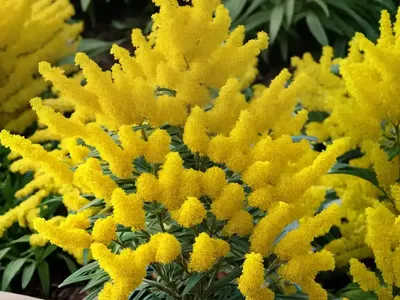
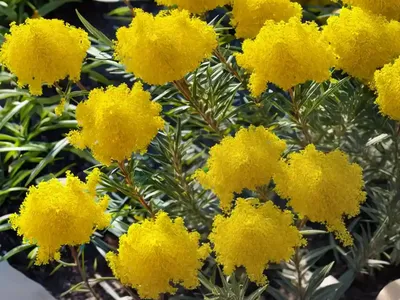
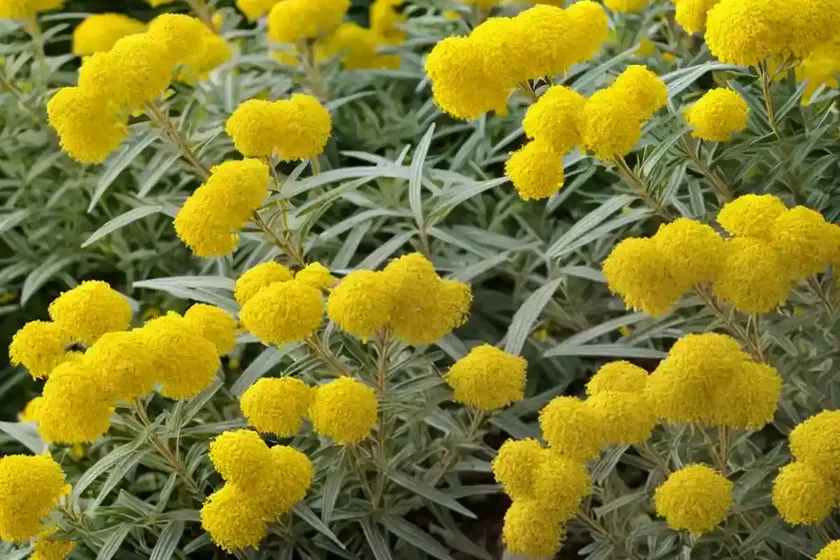
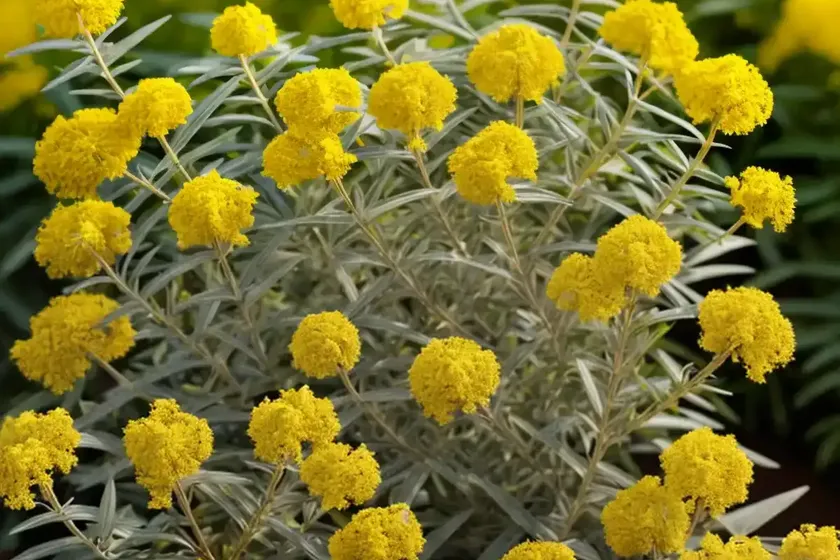
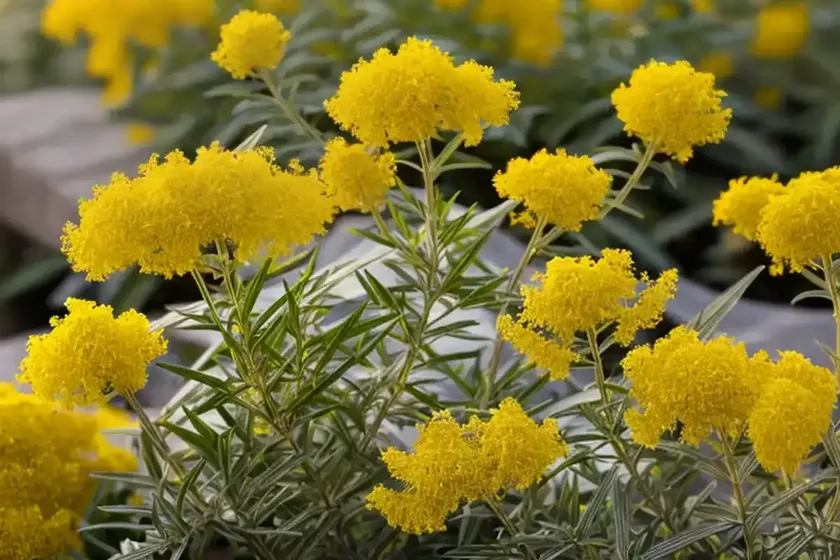
Solidago nemoralis is a species of flowering plant in the aster family, Asteraceae. It is native to North America and is predominantly found in the eastern and central regions of the continent. This perennial herbaceous plant is characterized by its distinctive clusters of small, bright yellow flowers that bloom in late summer to early fall. The plant typically grows in open woodlands, prairies, and along roadsides, showcasing its adaptability to diverse environmental conditions.
Key Takeaways – Solidago nemoralis (Gray Goldenrod)
Before delving into the specifics of caring for Solidago nemoralis, let’s highlight some key takeaways about this fascinating plant:
- Solidago nemoralis is a species of flowering plant in the aster family, recognized for its bright yellow flowers and slender stems.
- It thrives in open woodlands, prairies, and along roadsides, showcasing its adaptability to diverse environmental conditions.
- The plant has both cultural and medicinal significance, and its ecological role in supporting wildlife and pollinators is noteworthy.
- Understanding its water, sunlight, soil, and fertilizer needs is crucial for its successful cultivation and maintenance.
Now, let’s explore the care and cultivation of Solidago nemoralis in detail to ensure its optimal growth and thriving presence in various settings.
Culture
Understanding the cultural preferences and requirements of Solidago nemoralis is essential for its successful cultivation.
Uses
Solidago nemoralis serves various purposes, making it a valuable addition to gardens, landscapes, and natural habitats. Its uses include:
- Garden Ornamentation: Its bright yellow flowers can add vibrant color to gardens and landscapes, particularly during the late summer and early fall seasons.
- Wildlife Attractant: The plant is known to attract pollinators such as bees and butterflies, contributing to the biodiversity of its surroundings.
- Medicinal Use: Traditional herbal medicine utilizes Solidago nemoralis for its potential medicinal properties, which we will discuss in detail later in this guide.
Water
As with many plant species, water plays a crucial role in the healthy growth and development of Solidago nemoralis. Proper watering practices are essential to ensure its vigor and resilience.
- Watering Requirements: Solidago nemoralis prefers well-drained soil and moderate watering. While it can tolerate dry conditions once established, consistent moisture is beneficial for optimal growth.
- Drought Tolerance: This plant exhibits moderate tolerance to drought once it has developed a strong root system. However, regular watering, especially during dry periods, is recommended for its well-being.
Sunlight
Sunlight is a fundamental factor that significantly influences the growth and blooming of Solidago nemoralis. Understanding its sunlight requirements is vital for its successful cultivation.
- Sunlight Needs: Solidago nemoralis thrives in full sun to partial shade. It performs best when exposed to at least six hours of direct sunlight daily. In shadier conditions, it may produce fewer flowers and display weaker, leggier growth.
Fertilizer
Appropriate fertilization can greatly enhance the growth and flowering of Solidago nemoralis. Understanding its fertilizer requirements is essential for promoting its health and vitality.
- Fertilization Schedule: In early spring, before new growth emerges, apply a balanced, all-purpose fertilizer to the soil around the base of the plant. Avoid over-fertilization, as excessive nutrients may lead to overly lush foliage at the expense of flower production.
- Organic Amendments: Organic fertilizers such as well-rotted compost can be beneficial for enriching the soil and providing a gradual release of nutrients throughout the growing season.
Soil
The soil provides the foundation for the growth and sustenance of Solidago nemoralis. Understanding its soil preferences and requirements is essential for its successful cultivation.
- Soil Type: Solidago nemoralis thrives in well-drained, loamy soil with good fertility. It can tolerate a range of soil pH levels, but neutral to slightly acidic soils are generally preferred.
- Moisture Levels: The soil should provide adequate moisture while allowing excess water to drain freely. Heavy clay soils should be amended with organic matter to improve drainage and aeration.
Pruning
Proper pruning can help maintain the health and appearance of Solidago nemoralis, as well as encourage robust flowering.
- Pruning Timing: In late fall or early spring, prune back the old flower stems to ground level. This helps prevent self-seeding and encourages the plant to focus its energy on producing new growth and flowers in the following season.
- Deadheading: Regular removal of spent flowers throughout the blooming period can prolong the flowering season and prevent self-seeding, if desired.
Propagation
Propagating Solidago nemoralis allows for the expansion of its presence in gardens and natural habitats. Several methods can be employed for successful propagation.
- Seed Propagation: Collect ripe seeds from the plant in late fall and sow them in a prepared seedbed or containers. Lightly cover the seeds with soil and keep them moist until germination occurs. Transplant the seedlings to their permanent locations once they have developed several sets of true leaves.
- Division: In early spring or late fall, divide mature clumps of Solidago nemoralis by carefully separating the rhizomes and replanting them in suitable locations.
Container Popularity
Solidago nemoralis can thrive in containers, making it a popular choice for container gardening and ornamental arrangements.
- Container Size: Choose a container that provides ample space for the plant’s root system to grow. A depth of at least 12 inches is generally recommended.
- Drainage: Ensure that the container has adequate drainage holes to prevent waterlogging, which can be detrimental to the plant’s roots.
Common Diseases
Understanding the potential diseases that can affect Solidago nemoralis is essential for implementing preventive measures and appropriate management strategies.
- Powdery Mildew: This fungal disease can cause a white powdery growth on the leaves and stems of the plant, affecting its overall health and appearance.
- Rust: Rust infections can manifest as orange, yellow, or brown pustules on the undersides of leaves, leading to weakened plant vigor and reduced flowering.
Disease Diagnosis
Proper diagnosis of diseases in Solidago nemoralis involves observing and identifying specific symptoms and signs of infection.
- Symptoms: Look for signs of discoloration, distortion, or abnormal growth on the leaves, stems, or flowers. Also, check for the presence of powdery or pustular growths.
- Signs: Examine the plant closely to identify any visible fungal or bacterial growth, as well as abnormalities in leaf and stem appearance.
Common Pests
Solidago nemoralis may be susceptible to certain pests that can impact its health and vitality. Recognizing these pests is crucial for implementing effective pest management strategies.
- Aphids: These small, soft-bodied insects can cluster on the stems and undersides of leaves, causing damage by sucking sap from the plant.
- Spider Mites: Spider mites are tiny arachnids that can cause stippling and webbing on the leaves, leading to reduced photosynthesis and overall plant health.
Botanist’s Tips
As a plant scientist, I have curated some expert tips for the successful care and cultivation of Solidago nemoralis based on its unique characteristics and requirements:
- Wildlife-Friendly Gardens: Incorporate Solidago nemoralis into wildlife-friendly garden designs to attract pollinators and support local biodiversity.
- Companion Planting: Pair Solidago nemoralis with other native plants to create harmonious and resilient plant communities that benefit from mutual support and interactions.
Fun Facts
Here are some intriguing and lesser-known facts about Solidago nemoralis:
- In different regions of North America, Solidago nemoralis is referred to by various common names, including gray goldenrod, old-field goldenrod, and gray-stem goldenrod, reflecting its wide distribution and adaptability.
Now that we have explored the cultural, ecological, and medicinal aspects of Solidago nemoralis, let’s delve into some external resources that provide additional insights and information about this fascinating plant.
Links to External Resources
- The Native Plant Database
- Missouri Botanical Garden – Solidago nemoralis
- USDA Plant Profile: Solidago nemoralis
- Lady Bird Johnson Wildflower Center – Solidago nemoralis
These resources offer valuable insights into the ecological significance, distribution, and additional botanical details of Solidago nemoralis, enriching our understanding of this captivating plant species.
In conclusion, Solidago nemoralis (Gray Goldenrod) is a plant of diverse attributes and ecological importance. Its vibrant presence, wildlife support, and potential medicinal uses make it a valuable addition to natural habitats, gardens, and landscapes. By understanding its specific care and cultivation requirements, we can ensure the thriving presence of Solidago nemoralis in various settings, contributing to the beauty and biodiversity of our natural environment.
As a plant scientist, my exploration of Solidago nemoralis has deepened my appreciation for the interconnectedness of plant species in their ecosystems, as well as the multitude of benefits they provide to the natural world and human society. I hope this comprehensive guide has inspired you to discover and cultivate Solidago nemoralis in your own gardening endeavors, recognizing its cultural, ecological, and medicinal significance.
Happy gardening and may your landscapes be adorned with the vibrant splendor of Solidago nemoralis!