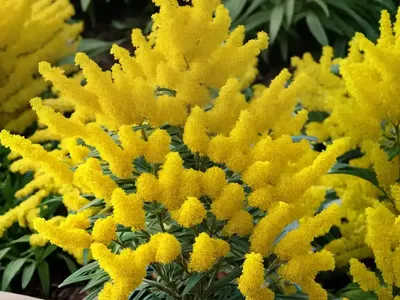
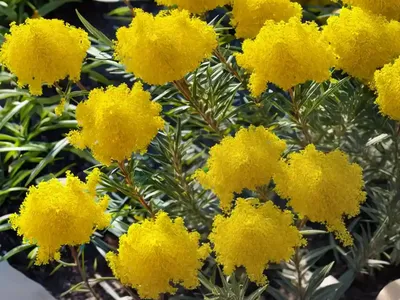
Solidago ‘Goldenmosa’ (Goldenrod)
Goldenrod, scientifically known as Solidago, is a stunning perennial plant that belongs to the Asteraceae family. Solidago ‘Goldenmosa’ is a popular.
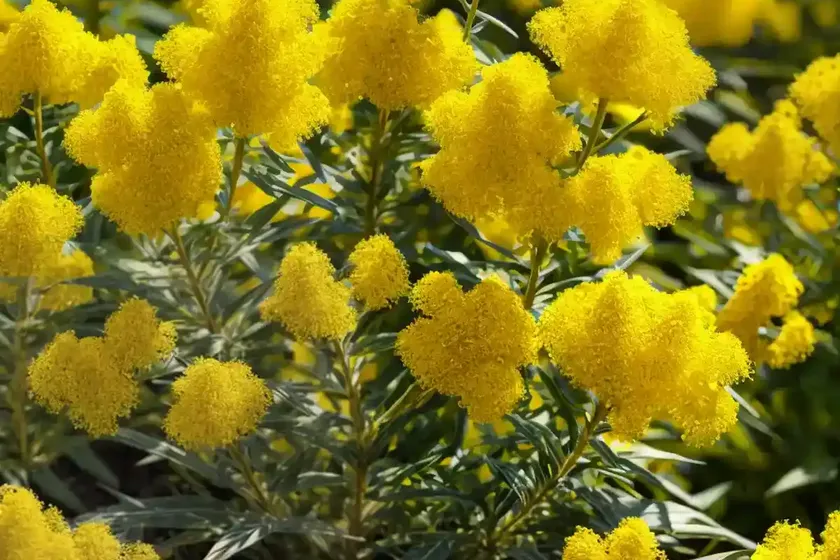
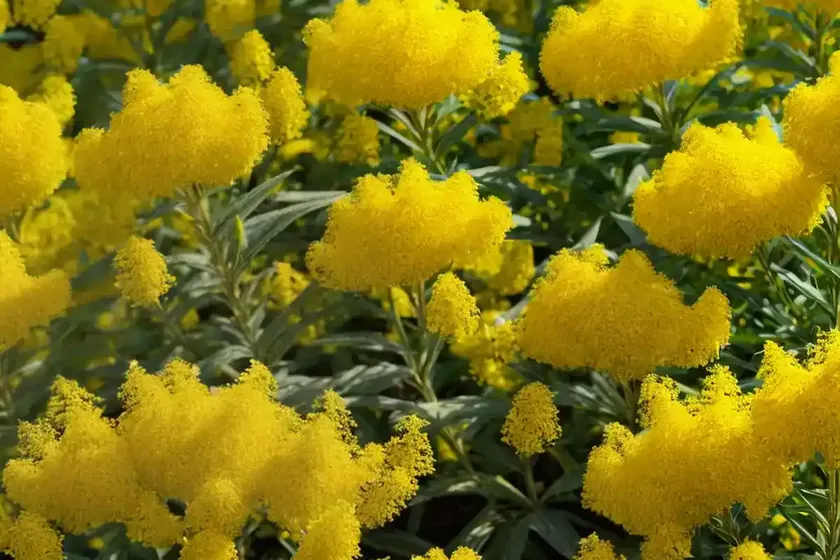
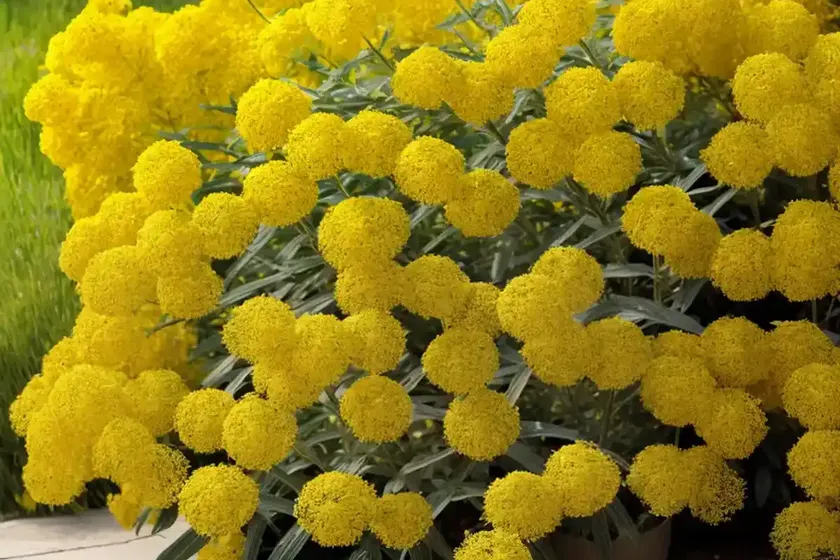
Goldenrod, scientifically known as Solidago, is a stunning perennial plant that belongs to the Asteraceae family. Solidago ‘Goldenmosa’ is a popular variety that is cherished for its vibrant inflorescence and its value to pollinators and wildlife. This comprehensive guide will delve into all aspects of Solidago ‘Goldenmosa’, from its characteristics and cultivation requirements to its uses in gardens and its ecological significance. Whether you’re a seasoned gardener or a budding enthusiast, this article aims to provide you with a thorough understanding of this beautiful plant.
What is Solidago ‘Goldenmosa’?
Solidago ‘Goldenmosa’, commonly referred to as Goldenrod, is a perennial flowering plant that is prized for its striking golden-yellow floral display. This cultivar is known for its upright, bushy growth habit and its ability to thrive in various growing conditions. Solidago ‘Goldenmosa’ is native to North America and is a vital component of its natural ecosystems.
Solidago Goldenmosa Characteristics
Solidago ‘Goldenmosa’ exhibits several defining traits that make it an attractive addition to gardens:
- Height: Typically grows to a height of 18-24 inches, making it suitable for both border plantings and mixed perennial beds.
- Flowers: The plant produces dense, elongated panicles of tiny, bright yellow flowers that create a stunning visual impact.
- Foliage: The leaves are lance-shaped, smooth, and often have a slightly serrated edge, adding to the plant’s overall aesthetic appeal.
- Bloom Time: The flowering season for Solidago ‘Goldenmosa’ typically occurs in late summer to early fall, providing a burst of color when many other perennials have finished blooming.
Goldenrod Plant ‘Goldenmosa’ Variety
The ‘Goldenmosa’ variety of Goldenrod is specifically valued for its compact growth habit and prolific flowering. Its robust nature and ability to attract pollinators and beneficial insects make it a sought-after choice for gardeners and landscapers alike.
Key Takeaways – Solidago ‘Goldenmosa’ (Goldenrod)
Before delving into the details of cultivation and care, let’s highlight the key takeaways of growing and nurturing Solidago ‘Goldenmosa’:
- Solidago ‘Goldenmosa’ is a perennial plant known for its golden-yellow flowers and upright growth habit.
- It blooms during late summer and early fall, providing a valuable food source for pollinators during this period.
- Optimal growing conditions for Solidago ‘Goldenmosa’ include well-drained soil, ample sunlight, and regular watering.
- It can be used in various applications such as border plantings, wildlife gardens, and cut flower arrangements.
- Solidago ‘Goldenmosa’ contributes to ecological conservation by supporting biodiversity and acting as a wildlife habitat.
Now, let’s explore each aspect of Solidago ‘Goldenmosa’ in detail, providing insights into its culture, uses, and care requirements.
Culture
Cultivating Solidago ‘Goldenmosa’ requires an understanding of its preferred environmental conditions and maintenance practices. This section will cover the crucial aspects of its culture, focusing on soil, sunlight, water, and fertilizer requirements.
Soil
Solidago ‘Goldenmosa’ thrives in well-drained soil that provides adequate aeration and moisture retention. It’s essential to ensure that the soil is fertile and rich in organic matter to support the plant’s growth and blooming potential. Additionally, a slightly acidic to neutral pH range of 6.0-7.5 is considered ideal for this cultivar.
Best Soil Conditions for Solidago ‘Goldenmosa:
– Well-drained soil with good moisture retention
– Fertile soil enriched with organic matter
– pH range of 6.0-7.5
Sunlight
As a sun-loving plant, Solidago ‘Goldenmosa’ flourishes in full sunlight. Select a planting site that receives at least 6-8 hours of direct sunlight daily to promote robust growth and prolific flowering. Inadequate sunlight may lead to leggy growth and reduced blooming, compromising the overall aesthetic appeal of the plant.
Sunlight Requirements for Goldenrod ‘Goldenmosa:
– Full sunlight exposure (6-8 hours of direct sunlight daily)
– Avoid planting in shaded or heavily shaded areas
Water
Proper watering is essential for the health and vitality of Solidago ‘Goldenmosa’. While the plant is relatively drought-tolerant once established, consistent moisture is crucial during the initial establishment phase and periods of prolonged drought. However, it’s important to avoid waterlogged conditions, as this can lead to root rot and other moisture-related issues.
Watering Needs of Solidago ‘Goldenmosa:
– Regular watering during the establishment phase
– Moderate to low water requirements once established
– Avoid waterlogging and standing water around the roots
Fertilizer
Solidago ‘Goldenmosa’ benefits from periodic fertilization to support its vigorous growth and abundant flowering. A balanced, slow-release fertilizer applied in early spring and potentially again in midsummer can bolster the plant’s nutrient reserves. However, it’s crucial to avoid excessive fertilization, as this can lead to excessive foliage growth at the expense of flowering.
Fertilization Recommendations:
– Apply a balanced, slow-release fertilizer in early spring
– Supplement with another application in midsummer if necessary
– Avoid over-fertilization to prevent excessive foliage at the expense of flowering
Uses
The versatility of Solidago ‘Goldenmosa’ extends beyond its ornamental value, encompassing various practical and ecological uses. This section will explore the diverse applications of Goldenrod ‘Goldenmosa’ in garden settings, ecological conservation efforts, and beyond.
In Gardens
- Border Plantings: The upright growth habit and vibrant floral display make Solidago ‘Goldenmosa’ an excellent choice for border plantings, where it can add a pop of color and texture to garden borders and pathways.
- Wildlife Gardens: As a pollinator-friendly plant, Goldenrod ‘Goldenmosa’ contributes to the creation of wildlife-friendly gardens, attracting bees, butterflies, and other beneficial insects.
- Cut Flower Arrangements: The long-lasting, vivid flowers of Solidago ‘Goldenmosa’ make it a prized addition to cut flower arrangements, adding a touch of elegance and warmth to floral compositions.
Ecological Significance
- Pollinator Support: Solidago ‘Goldenmosa’ serves as a vital food source for pollinators, particularly during late summer and early fall when other nectar-rich plants may be scarce.
- Wildlife Habitat: The plant provides cover and food for various wildlife species, playing a role in supporting biodiversity and ecological balance.
Pruning
Pruning is a key aspect of maintaining the health, aesthetics, and longevity of Solidago ‘Goldenmosa’. By engaging in proper pruning practices, gardeners can enhance the plant’s overall appearance and encourage a more robust blooming performance. This section will provide insights into the pruning requirements and techniques for Goldenrod ‘Goldenmosa’.
Pruning Solidago ‘Goldenmosa:
– Deadheading: Remove spent flowers to prolong the blooming period and prevent the plant from expending energy on seed production.
– Spring Pruning: Trim back any damaged or dead growth in early spring to stimulate new growth and maintain a tidy appearance.
– Rejuvenation Pruning: To rejuvenate the plant and promote vigorous growth, consider cutting back the stems by one-third every few years.
Propagation
Propagating Solidago ‘Goldenmosa’ allows for the expansion of its presence in the garden and the creation of new plantings. This section will explore the methods of propagating Goldenrod ‘Goldenmosa’, providing insights into both sexual and asexual propagation techniques.
How to Propagate Goldenmosa Solidago:
– Division: Divide mature clumps in early spring, ensuring that each division has a healthy root system and several growing points. Replant the divisions immediately for seamless establishment.
– Seeds: Collect seeds from mature flower heads and sow them in a prepared seedbed in the fall. Keep the soil consistently moist until germination occurs, and transplant the seedlings to their permanent positions in the following spring.
Container Popularity
Solidago ‘Goldenmosa’ is increasingly popular among container gardeners due to its compact growth habit and vibrant floral display. When cultivated in containers, it serves as a versatile and visually captivating addition to patio spaces, balconies, and urban gardens.
Growing Goldenmosa Solidago in Containers
When growing Solidago ‘Goldenmosa’ in containers, certain considerations can optimize its performance and ensure its well-being. Let’s explore the essential factors to consider when cultivating Goldenrod ‘Goldenmosa’ in containers.
Container Growing Tips:
– Select a spacious container with adequate drainage holes to prevent waterlogging.
– Use a well-draining potting mix enriched with organic matter to provide a fertile growing medium.
– Position the container in a location that receives ample sunlight to promote strong, healthy growth and prolific flowering.
Common Diseases
Solidago ‘Goldenmosa’ is generally resilient to most diseases; however, certain issues may arise under unfavorable growing conditions or during periods of stress. This section will address the common diseases that may affect Goldenrod ‘Goldenmosa’ and provide insights into disease prevention and management strategies.
Disease Diagnosis
- Powdery Mildew: A fungal disease characterized by the presence of powdery white patches on the leaves, often occurring in humid or poorly ventilated conditions. To prevent powdery mildew, ensure good air circulation and consider fungicidal treatments if the issue persists.
- Rust: Rust infections manifest as reddish-brown pustules on the leaf undersides and may lead to premature leaf drop. Practice good sanitation and consider fungicidal treatments when necessary to manage rust outbreaks.
Common Pests
While Solidago ‘Goldenmosa’ is relatively resistant to pest infestations, it may occasionally encounter certain insect nuisances. Understanding the common pests that may affect Goldenrod ‘Goldenmosa’ is essential for implementing timely and effective pest management measures.
Common Pests:
– Aphids: These small, sap-sucking insects may colonize the tender new growth of Solidago ‘Goldenmosa’, leading to distorted foliage and reduced plant vigor. Introduce natural predators or use insecticidal soaps to control aphid populations.
– Thrips: Thrips may cause stippling or silvering of the leaves, impacting the plant’s overall appearance. Implement cultural controls and consider the use of horticultural oils to manage thrips infestations.
Botanist’s Tips
As a botanist, it’s important to consider the unique ecological and botanical characteristics of Solidago ‘Goldenmosa’ when integrating it into garden settings and natural landscapes. The following tips offer botanical insights and practical recommendations for maximizing the plant’s potential in various contexts.
Botanist’s Tips:
1. Companion Planting: Pair Solidago ‘Goldenmosa’ with late-season bloomers such as asters and sedums to prolong the visual interest and nectar availability for pollinators.
2. Wildlife Gardens: Incorporate Solidago ‘Goldenmosa’ into wildlife-friendly gardens to create a thriving ecosystem that supports pollinators, birds, and beneficial insects.
3. Ecological Impact: Recognize the ecological significance of Solidago ‘Goldenmosa’ as a native plant that contributes to biodiversity and conservation efforts.
Fun Facts
Let’s uncover some fascinating fun facts about Solidago ‘Goldenmosa’ that showcase its unique characteristics and ecological contributions:
- Butterfly Magnet: Goldenrod ‘Goldenmosa’ is a favorite nectar source for various butterfly species, enhancing the beauty and biodiversity of garden spaces.
- Late-Season Appeal: Its late summer to early fall blooming period makes Solidago ‘Goldenmosa’ a standout performer in the garden when many other plants have finished flowering.
- Historical Significance: Goldenrod has historical significance and has been used for medicinal purposes by indigenous cultures, reflecting its cultural and healing attributes.
Links to External Resources
For additional information and in-depth resources on Solidago ‘Goldenmosa’ and related topics, explore the following external links:
– Solidago ‘Goldenmosa’ – Missouri Botanical Garden
– Growing Goldenrods – University of Vermont Extension
– Perennial Resource – Solidago ‘Goldenmosa’
– Incorporating Goldenrods in Gardens – Michigan State University Extension
– Solidago ‘Goldenmosa’ – Royal Horticultural Society
In conclusion, Solidago ‘Goldenmosa’ is a captivating and versatile perennial plant that offers an array of ecological, aesthetic, and practical benefits. Whether adorning garden borders, supporting pollinators, or enhancing cut flower arrangements, this resilient and alluring plant holds a special place in horticulture and ecological conservation.
By understanding its cultivation requirements, ecological contributions, and practical uses, gardeners and enthusiasts can appreciate and utilize Solidago ‘Goldenmosa’ to its fullest potential, fostering vibrant garden spaces and thriving ecosystems.
Remember to explore the provided external resources for further insights and guidance on Solidago ‘Goldenmosa’ and related topics, enriching your knowledge and appreciation for this remarkable plant.
Happy gardening and may your landscapes bloom with the golden allure of Solidago ‘Goldenmosa’!