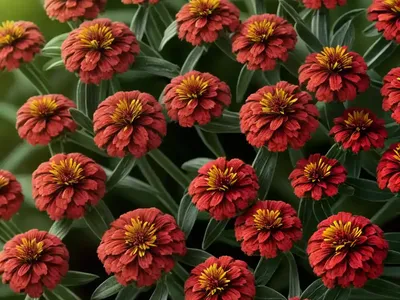
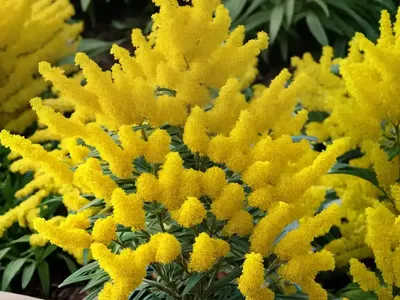
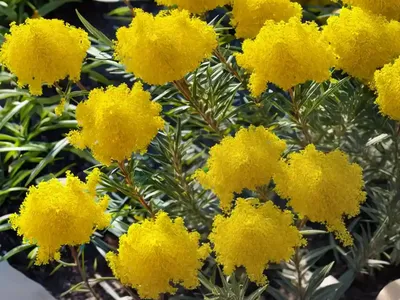
Solidago Canadensis (Canada Goldenrod)
As a plant scientist, I have always been fascinated by the incredible diversity and importance of plant species in our environment. In this blog post, we.
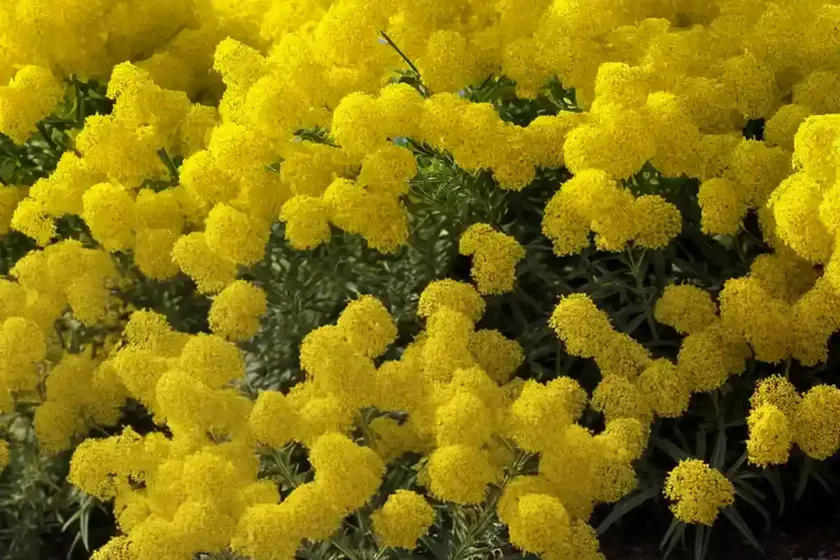
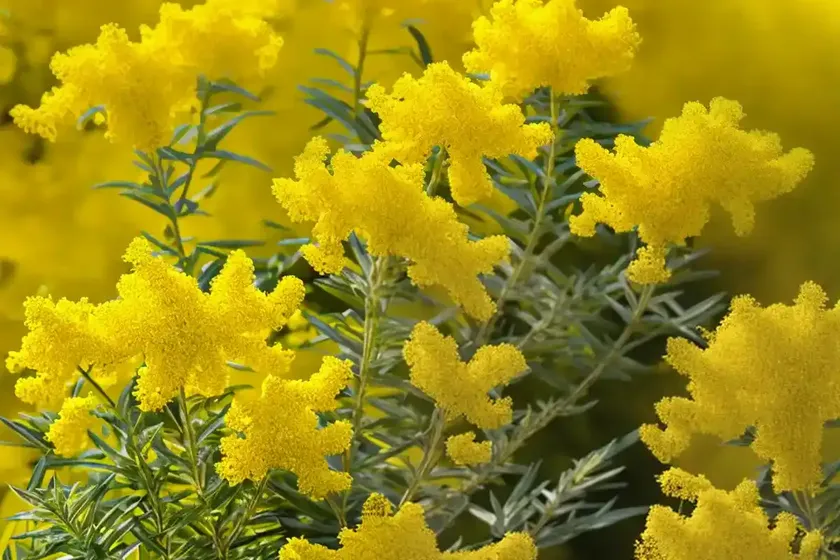
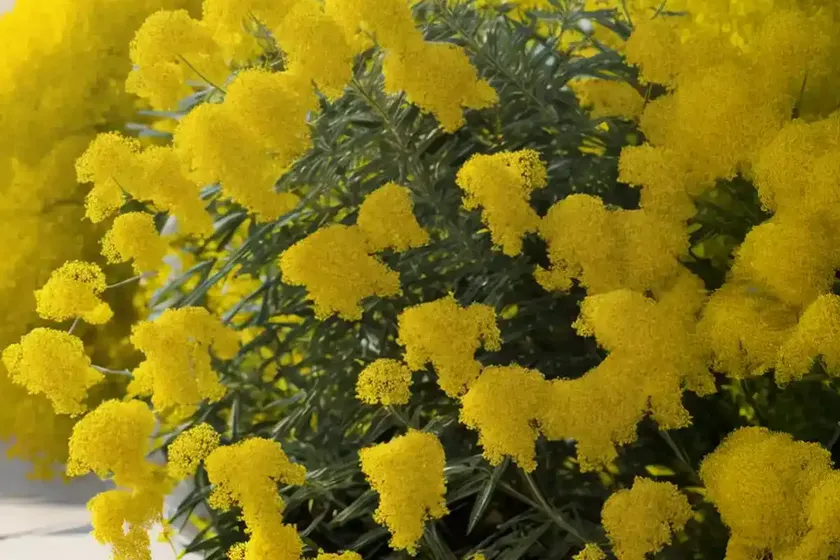
As a plant scientist, I have always been fascinated by the incredible diversity and importance of plant species in our environment. In this blog post, we will explore the captivating plant known as Solidago canadensis or Canada Goldenrod. We will delve into its characteristics, cultural requirements, uses, and its significance in both natural and cultivated landscapes. Additionally, we will discuss its ecological role, maintenance, and its potential benefits for wildlife and human well-being.
What is Solidago Canadensis?
Solidago canadensis, commonly referred to as Canada Goldenrod, is a perennial plant belonging to the family Asteraceae. It is native to North America and is known for its striking golden-yellow floral display. Its vigorous growth habit and adaptability have made it a popular choice for various landscapes, including gardens, natural habitats, and restoration projects.
Key Takeaways – Solidago Canadensis (Canada Goldenrod)
Before we dive into the details of Solidago canadensis, let’s highlight some key takeaways about this remarkable plant:
- Common Name: Canada Goldenrod
- Genus and Species: Solidago canadensis
- Plant Type: Perennial
- Native Habitat: North America
- Flower Color: Golden Yellow
- Cultural Uses: Landscaping, Wildlife Gardens, Cut Flower Arrangements
- Ecological Importance: Pollinator Attraction, Wildlife Habitat
- Cultural Requirements: Sunlight, Well-Drained Soil, Moderate Water, Minimal Fertilization
Now that we have an overview of Solidago canadensis, let’s delve deeper into its cultural and ecological attributes.
Culture
Water
Solidago canadensis is known for its adaptability to varying moisture conditions. While it thrives in moderately moist to slightly dry soil, it has a remarkable tolerance for drought once established. It’s essential to provide adequate water during the plant’s establishment period, especially in warmer climates. Once the root system is well-established, the plant can survive with minimal supplemental watering, relying primarily on natural rainfall.
Sunlight
In terms of sunlight requirements, Canada Goldenrod excels in full sun to partial shade. It thrives in open, sunny locations, where it can exhibit its full potential in terms of growth and floral abundance. However, it can also tolerate partial shade, particularly in regions with intense afternoon sunlight or during exceptionally hot periods. Ideally, a location with at least 6 hours of direct sunlight per day is recommended for robust growth and prolific blooming.
Fertilizer
One of the remarkable attributes of Solidago canadensis is its minimal fertilizer requirements. This plant generally thrives in average to poor soils and seldom requires additional fertilization. Overly rich soil can lead to excessive vegetative growth at the expense of floral display, thus it’s advisable to avoid heavy feeding. However, if the soil quality is poor, a light application of balanced, slow-release fertilizer in early spring can support healthy growth and flowering.
Soil
Canada Goldenrod prefers well-drained soil with a slightly acidic to neutral pH. It can tolerate a range of soil types, including loamy, sandy, or clayey soils, as long as they are well-drained. While this plant is adaptable to different soil conditions, it performs best in moderately fertile, moisture-retentive soils. Amending heavy clay soils with organic matter can improve drainage and create a more favorable growing environment for Solidago canadensis.
Pruning
Pruning Solidago canadensis is relatively straightforward and primarily focuses on managing its growth, maintaining its shape, and prolonging its floral display. In early spring, the previous year’s foliage and spent flower stems can be pruned back to a few inches above the soil level to make way for new growth. Additionally, thinning out overcrowded stems and removing dead or damaged foliage can promote air circulation and reduce the risk of disease.
Propagation
Propagation Methods
Solidago canadensis can be propagated through various methods, including division, seed sowing, and stem cuttings.
-
Division: This method involves dividing established clumps of Solidago canadensis into smaller sections, each containing viable roots and shoots. Early spring or late autumn is an ideal time for division, allowing the divided plants to establish before the onset of extreme temperatures.
-
Seed Sowing: Collecting ripe seeds from Solidago canadensis in late summer to early autumn allows for propagation through seed sowing. Sow the seeds in well-prepared seedbeds or containers, ensuring adequate moisture for germination. Transplant the seedlings to their permanent locations once they have developed sufficient root systems.
-
Stem Cuttings: Stem cuttings from healthy, non-flowering shoots can be taken in late spring to early summer. Remove the lower leaves, dip the cut ends in rooting hormone, and plant them in a well-draining medium. Regular moisture and humidity maintenance are crucial for successful rooting and establishment.
Container Popularity
Solidago canadensis has gained popularity as a container plant, particularly for its ability to attract pollinators and add vibrant color to outdoor living spaces. Its adaptability to container growth makes it an excellent choice for patio gardens, urban landscapes, and balcony plantings. When selecting a container for Solidago canadensis, opt for a spacious, well-draining pot that allows for healthy root development and adequate moisture retention.
Container Common Diseases
While Solidago canadensis is generally resilient to many common plant diseases, certain conditions or cultural practices can make it susceptible to issues such as:
-
Powdery Mildew: This fungal disease can occur in conditions of high humidity and poor air circulation. To prevent powdery mildew, ensure proper spacing between plants, adequate air circulation, and avoid overhead watering.
-
Root Rot: Overly wet or poorly draining soil can lead to root rot in Solidago canadensis. To prevent this, ensure well-drained soil and avoid overwatering, particularly in container-grown plants.
Disease diagnosis
Diagnosing diseases in Solidago canadensis involves careful observation of the plant’s foliage, stems, and overall growth patterns. Look for symptoms such as powdery white patches on the foliage for potential powdery mildew, or wilting, yellowing foliage for signs of root rot. If disease symptoms are observed, prompt action such as adjusting cultural practices, improving growing conditions, or implementing targeted treatments may be necessary to mitigate the issue.
Common Pests
Solidago canadensis is relatively resistant to most pests, but certain common garden pests can occasionally pose a threat:
-
Aphids: These small, sap-sucking insects can cluster on the new growth of Solidago canadensis, leading to distorted foliage and potential transmission of viral diseases.
-
Spider Mites: These arachnids can cause stippling and bronzing of the foliage, particularly in hot, dry conditions. Regularly inspecting the undersides of the leaves and implementing appropriate pest management practices can help control spider mite infestations.
Botanist’s Tips
As a plant scientist, I often emphasize the importance of understanding a plant’s natural habitat and ecological interactions to effectively cultivate and appreciate it. When it comes to Solidago canadensis, here are some botanist’s tips to maximize its cultural success and ecological impact:
-
Native Habitat Insights: Solidago canadensis is native to various regions across North America, including prairies, meadows, and open woodlands. Understanding its native habitat can provide valuable insights into its preferred growing conditions and ecological associations.
-
Pollinator Support: Canada Goldenrod is cherished for its ability to attract a diverse range of pollinators, including bees, butterflies, and other beneficial insects. By cultivating Solidago canadensis in gardens and natural landscapes, individuals can actively support pollinator populations and enhance ecological diversity.
-
Eco-Friendly Landscaping: Incorporating Solidago canadensis into landscape designs offers eco-friendly benefits, including reduced water usage, support for local wildlife, and visual appeal throughout different seasons.
Fun Facts
To truly appreciate a plant species, it’s essential to explore its fascinating attributes and ecological significance. Here are some fun facts about Solidago canadensis:
-
Secretory Glands: Canada Goldenrod possesses secretory glands that produce a sweet, sticky substance on its stems and leaves. This trait is attributed to its interactions with various insects and may play a role in herbivore deterrence or pollinator attraction.
-
Culinary and Medicinal Uses: Historically, various indigenous North American tribes used different parts of Solidago canadensis for food, dye, and medicinal purposes. The plant’s leaves and flowers were commonly used to make teas, and its roots were utilized in traditional medicine for diverse ailments.
-
Ephemeral Beauty: The golden-yellow blossoms of Solidago canadensis not only provide a vibrant display in late summer and early autumn but also serve as a vital food source for numerous pollinators preparing for the approaching winter.
Now that we have explored various aspects of Solidago canadensis, it’s important to consider references and external resources for further information and guidance.
Links to External Resources
For those eager to delve deeper into the world of Solidago canadensis and its cultural, ecological, and horticultural significance, the following resources will provide valuable insights and practical guidance:
- Plant Name: “Solidago canadensis (Canada Goldenrod)”
- Solidago canadensis care tips
- Canada Goldenrod plant profile
- How to grow Solidago canadensis
- Solidago canadensis characteristics
- Benefits of Solidago canadensis
- Importance of Canada Goldenrod in gardens
- Solidago canadensis varieties
- Solidago canadensis for landscaping
- Solidago canadensis native habitat
- Solidago canadensis natural remedies
- Solidago canadensis medicinal properties
- Solidago canadensis pollinators
- Solidago canadensis attract butterflies
- Solidago canadensis attracting bees
- Solidago canadensis for wildlife gardens
- Solidago canadensis drought tolerance
- Solidago canadensis sun requirements
- Solidago canadensis soil preferences
- How to propagate Solidago canadensis
- Solidago canadensis seasonal care
- Solidago canadensis pruning techniques
- Solidago canadensis garden design ideas
- Solidago canadensis companion plants
- Solidago canadensis in wildflower gardens
- Solidago canadensis for cut flower arrangements
- Solidago canadensis for bouquets
- Solidago canadensis plant diseases
- Solidago canadensis pests
- Solidago canadensis plant maintenance
- Solidago canadensis for erosion control
- Solidago canadensis as an herbal remedy
- Solidago canadensis folklore and symbolism
- Solidago canadensis perennial plant
- Solidago canadensis winter care
- Solidago canadensis in fall gardens
- Solidago canadensis in summer gardens
- Solidago canadensis in spring gardens
- Solidago canadensis in cottage gardens
- Solidago canadensis landscape uses
- Solidago canadensis wildlife habitat
- Solidago canadensis for beginner gardeners
- Solidago canadensis propagation methods
- Solidago canadensis in mixed borders
- Solidago canadensis for floral arrangements
- Solidago canadensis natural dye
- Solidago canadensis in traditional medicine
- Solidago canadensis water requirements
- Solidago canadensis in pollinator gardens
- Solidago canadensis for herbal teas
- Solidago canadensis for bouquet fillers
These resources will serve as valuable references for plant enthusiasts, horticulturists, and individuals passionate about creating sustainable and vibrant landscapes using Solidago canadensis.
In conclusion, the captivating Solidago canadensis, or Canada Goldenrod, embodies not only aesthetic beauty but also ecological importance and cultural versatility. Its adaptability, minimal maintenance requirements, and ornamental value make it a desirable addition to gardens, natural landscapes, and conservation projects. By understanding and appreciating the diverse attributes and cultural significance of Solidago canadensis, we can foster a deeper connection to nature and contribute to the enrichment of our surrounding ecosystems.
As a plant scientist, I encourage all enthusiasts to explore the remarkable world of Solidago canadensis and consider the numerous ways in which this plant can enrich our lives and the environment around us.
Keywords: Solidago canadensis, Canada Goldenrod, perennial plant, cultural uses, ecological importance, water requirements, sunlight preferences, soil preferences, propagation methods, container popularity, common diseases, pests, botanist’s tips, fun facts, external resources
Audience: Plant enthusiasts, horticulturists, gardening enthusiasts, nature lovers
Style: Informative, engaging, and educational