Solenostemon Sedona Sunset� (Coleus)
Solenostemon Sedona Sunset, commonly known as Coleus, is a genus of perennial plants that are popular for their vibrant and colorful foliage. These plants.
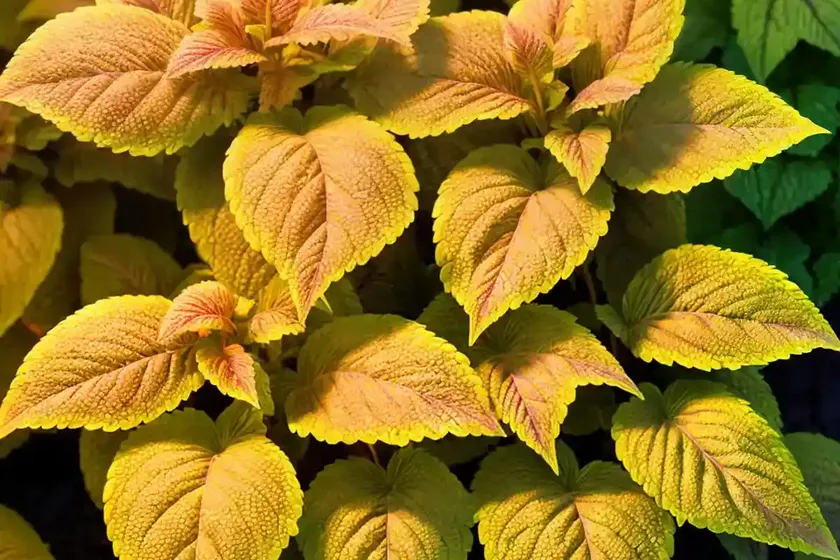
Solenostemon Sedona Sunset, commonly known as Coleus, is a genus of perennial plants that are popular for their vibrant and colorful foliage. These plants are commonly grown as ornamentals in gardens and landscapes due to their attractive leaves and ease of care. In this comprehensive guide, we will explore the culture, uses, care requirements, and interesting facts about Solenostemon Sedona Sunset (Coleus).
What is Solenostemon Sedona Sunset� (Coleus)?
Solenostemon, commonly referred to as Coleus, is a genus of perennial plants in the Lamiaceae family. These plants are native to tropical regions of Africa, Asia, Australia, and the Pacific Islands. Solenostemon species are characterized by their colorful and patterned leaves, which make them popular choices for ornamental gardening.
One of the striking varieties within the Solenostemon genus is the Solenostemon Sedona Sunset, known for its stunning foliage in vibrant hues of red, orange, and yellow. This variety is particularly favored for its eye-catching colors and its ability to add a burst of visual interest to garden landscapes.
Key Takeaways – Solenostemon Sedona Sunset� (Coleus)
Culture
Coleus plants are relatively easy to cultivate and are well-suited for both indoor and outdoor environments. Understanding the cultural requirements of Solenostemon Sedona Sunset is crucial for its successful growth and maintenance. The key cultural aspects include:
-
Water: Adequate watering is essential for the health of Solenostemon Sedona Sunset plants. They require consistently moist, well-drained soil to thrive. Overwatering should be avoided to prevent waterlogging of the soil.
-
Sunlight: These plants prefer brightly lit areas but should be protected from direct, harsh sunlight, particularly during the hottest parts of the day. Partial shade is ideal for Solenostemon Sedona Sunset plants.
-
Fertilizer: Regular feeding with a balanced fertilizer is beneficial for promoting healthy growth and vibrant foliage. Fertilization should be done according to the recommendations on the product label.
-
Soil: Solenostemon Sedona Sunset plants thrive in fertile, well-draining soil. A high-quality potting mix with organic matter is recommended for container-grown plants.
Uses
The uses of Solenostemon Sedona Sunset extend beyond mere ornamental value. These plants offer a range of applications in gardening and landscaping, including:
- Garden borders
- Container gardening
- Hanging baskets
- Mixed planters
- Indoor decoration
Water
Understanding the water needs of Solenostemon Sedona Sunset is essential for maintaining optimal moisture levels and preventing issues such as root rot. Proper watering practices include:
- Regular watering to keep the soil consistently moist
- Allowing the top layer of the soil to dry slightly between watering sessions
- Avoiding waterlogging and standing water to prevent root damage
Sunlight
Proper light conditions are crucial for the health and development of Solenostemon Sedona Sunset plants. Key aspects of sunlight requirements include:
- Providing bright, indirect light for optimal growth
- Shielding the plants from intense, direct sunlight to prevent leaf burn
- Allowing partial shade to ensure healthy foliage development
Fertilizer
The application of suitable fertilizers can significantly impact the growth and appearance of Solenostemon Sedona Sunset. Consider the following fertilizer guidelines for these plants:
- Using a balanced, water-soluble fertilizer
- Applying fertilizer according to the manufacturer’s instructions
- Providing regular feedings during the growing season to support vibrant foliage
Soil
The choice of soil for Solenostemon Sedona Sunset plants plays a crucial role in their overall health and performance. Consider the following soil-related factors:
- Opting for well-draining, nutrient-rich soil
- Ensuring proper aeration of the soil to promote root health
- Using organic matter to improve soil fertility and texture
Pruning
Pruning plays a vital role in maintaining the shape and appearance of Solenostemon Sedona Sunset plants. Proper pruning practices include:
- Removing leggy or overgrown stems to encourage bushier growth
- Trimming back any damaged or discolored foliage
- Regularly pinching back the stems to promote branching and a compact growth habit
Propagation
The propagation of Solenostemon Sedona Sunset plants allows for the expansion of their presence in a garden or landscape. Common propagation methods include:
- Stem cuttings
- Division of mature plants
- Rooting cuttings in water or a suitable growing medium
Container Popularity
Solenostemon Sedona Sunset is a popular choice for container gardening due to its vibrant foliage and adaptability to different growing environments. Container gardening offers various benefits for these plants, such as:
- Portability
- Flexible placement
- Easy maintenance
Container Common Diseases
While Solenostemon Sedona Sunset is relatively resistant to diseases, it may still be susceptible to certain common ailments. Identifying and addressing these potential diseases is essential for maintaining the plant’s health. Common diseases include:
- Fungal leaf spots
- Root rot
- Powdery mildew
Disease Diagnosis
Diagnosing and addressing diseases affecting Solenostemon Sedona Sunset plants involves careful observation and timely intervention. Key steps in disease diagnosis include:
- Noticing changes in foliage color or texture
- Identifying the presence of fungal or bacterial growth on the leaves
- Seeking professional guidance if disease symptoms persist
Common Pests
Solenostemon Sedona Sunset may face pest pressures in certain environments. Understanding the common pests and implementing appropriate pest control measures is crucial for safeguarding the plants. Common pests include:
- Aphids
- Spider mites
- Whiteflies
Botanist’s Tips
Expert insights and tips from botanists can greatly enhance the care and cultivation of Solenostemon Sedona Sunset plants. Some valuable tips include:
- Regularly monitoring soil moisture levels
- Providing adequate humidity for indoor plants
- Pruning to promote bushier growth
Fun Facts
Solenostemon Sedona Sunset plants boast a range of intriguing facets that add to their allure in garden and landscape settings. Some fun facts about these plants include:
- Varied leaf shapes and patterns
- Color-changing foliage in response to light levels
- Unique combinations of red, orange, and yellow hues
Links to External Resources
For further information on growing and caring for Solenostemon Sedona Sunset plants, explore the following resources:
- The American Coleus Society
- University of Florida Gardening Solutions: Coleus
- Royal Horticultural Society: Coleus
By delving into the cultural practices, uses, and care guidelines for Solenostemon Sedona Sunset (Coleus), enthusiasts and gardeners alike can enhance their appreciation for these captivating plants. Whether grown indoors or outdoors, the vibrant foliage and adaptability of Solenostemon Sedona Sunset make it a valuable addition to any garden or landscape.
Incorporating the outlined tips and best practices can lead to the successful cultivation and maintenance of these striking plants. By paying attention to water, sunlight, soil, and other key factors, individuals can enjoy the visual splendor and vitality that Solenostemon Sedona Sunset brings to green spaces.
The versatile nature of Solenostemon Sedona Sunset, its ease of propagation, and its adaptability to container gardening further contribute to its appeal for plant enthusiasts. With proper care and attention, Solenostemon Sedona Sunset plants can thrive and manifest their stunning colors, enriching outdoor and indoor settings with their visual allure and ornamental value.
For individuals seeking to deepen their understanding of these vibrant plants, the external resources provided offer additional insights and guidance for successful Solenostemon Sedona Sunset cultivation. Incorporating knowledge from authoritative sources and leveraging expert tips can further elevate the experience of growing and caring for Solenostemon Sedona Sunset (Coleus) plants.


