Solenostemon Redhead (Coleus)
Plants have an incredible ability to enhance our living spaces and provide a sense of tranquility. When it comes to indoor and outdoor gardening.
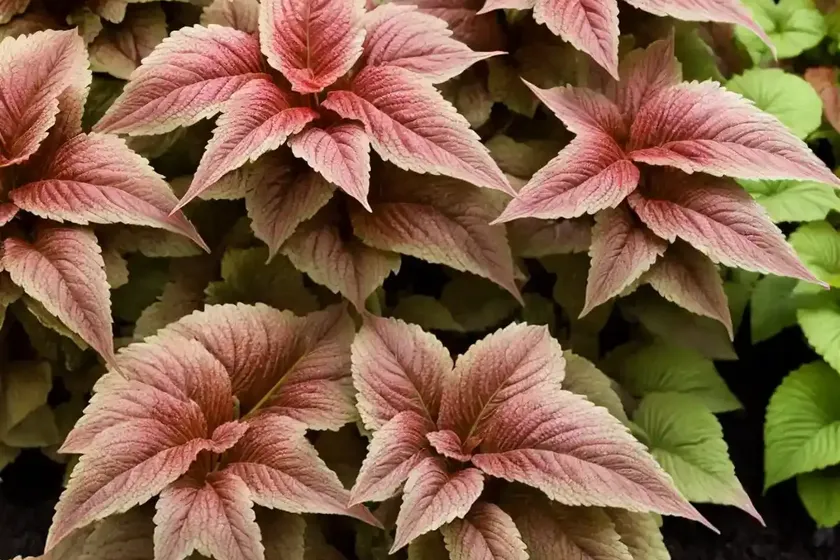
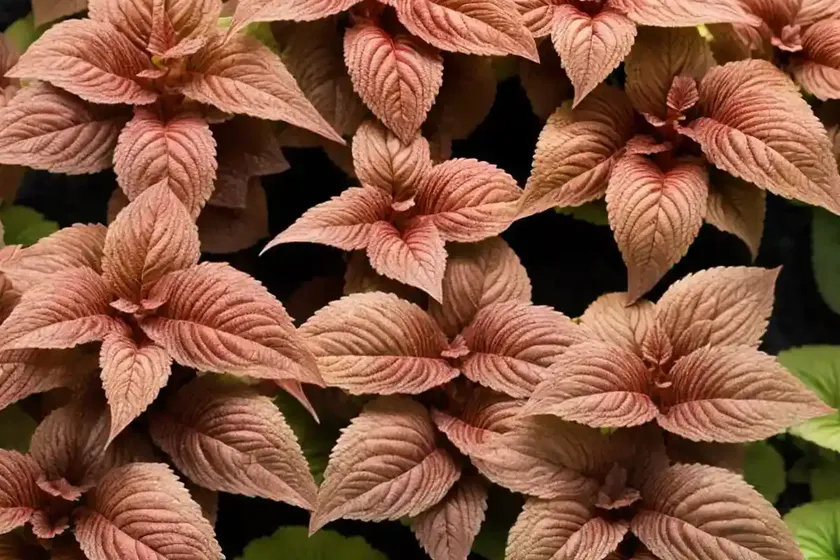
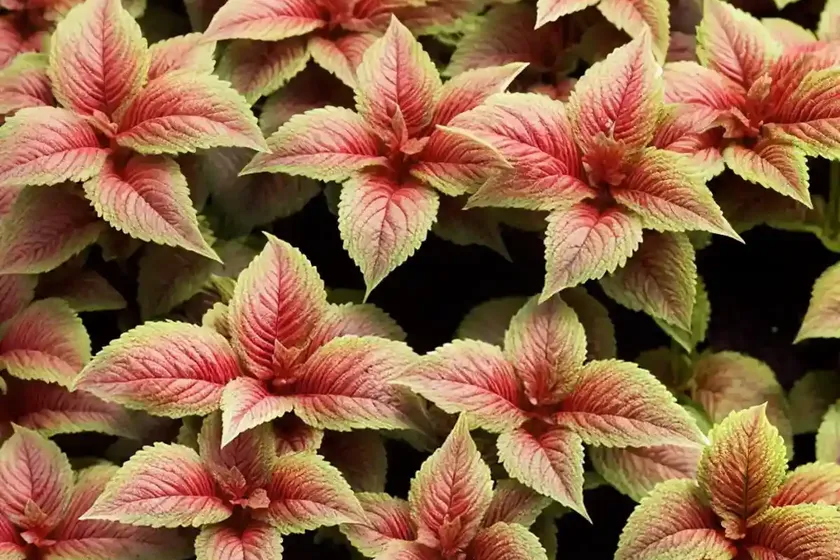
Plants have an incredible ability to enhance our living spaces and provide a sense of tranquility. When it comes to indoor and outdoor gardening, Solenostemon Redhead, commonly known as Coleus, stands out as a popular choice due to its vibrant foliage and relatively easy maintenance. This comprehensive guide will delve into the various aspects of caring for Solenostemon Redhead, including its cultural preferences, propagation, common uses, and potential diseases and pests.
What is Solenostemon Redhead (Coleus)?
Solenostemon Redhead, popularly referred to as Coleus, is a species of flowering plant in the Lamiaceae family. This ornamental plant is native to Southeast Asia, particularly in countries like India, Thailand, and Malaysia. With its distinctive colorful leaves and the ability to thrive in a wide range of conditions, Solenostemon Redhead has become a favorite among gardeners and plant enthusiasts, both for indoor and outdoor settings.
Key Takeaways
Before delving into the specific care requirements of Solenostemon Redhead, let’s outline the key takeaways associated with this vibrant plant.
Solenostemon Redhead (Coleus)
- Genus: Solenostemon
- Species: Redhead (Coleus)
- Family: Lamiaceae
- Common Names: Coleus, Flame Nettle
- Cultural Uses: Ornamental plant for indoor and outdoor gardening
- Foliage: Diverse range of colors, leaf shapes, and patterns
- Growth Habit: Herbaceous perennial, grown as an annual in cooler climates
With these key points in mind, let’s dive deeper into the comprehensive care guide for Solenostemon Redhead.
Culture
Uses
The vibrant and diverse foliage of Solenostemon Redhead makes it a popular choice for ornamental and decorative purposes. Here are some common uses of Coleus in gardening and landscaping:
- Indoor Ornamental Plant: Solenostemon Redhead is often grown indoors to add a splash of color to living spaces, bringing vitality to home décor.
- Outdoor Landscaping: In outdoor settings, Coleus is used in flower beds, borders, mixed containers, and hanging baskets to create visually striking arrangements.
- Foliage Contrast: The colorful foliage of Coleus varieties provides contrast and visual interest when planted alongside flowering plants and other foliage types.
Water
Maintaining appropriate moisture levels is essential for the health and vitality of Solenostemon Redhead. Consistent watering practices can contribute to vibrant foliage and robust growth. Here’s a closer look at the water needs of Coleus:
- Regular Watering: While Coleus prefers consistently moist soil, it’s essential to avoid waterlogging. Allow the topsoil to dry out slightly before watering again.
- Leaf Color and Watering: Inadequate watering can result in wilting and a dulling of the plant’s vibrant leaf colors. Adjust watering frequency based on environmental conditions.
Sunlight
Proper exposure to sunlight is crucial for the growth and color development of Solenostemon Redhead. Understanding the sunlight requirements of Coleus is fundamental for its overall health and appearance:
- Indirect Sunlight: Coleus thrives in bright, indirect light. While it appreciates some direct morning sun, it generally prefers partial shade, especially in regions with intense, prolonged sunlight.
- Leaf Color and Sunlight: Adequate sunlight is essential for vibrant foliage colors, and insufficient light can lead to pale or washed-out leaves.
- Indoor Placement: When grown indoors, position Coleus near windows or areas that receive bright, indirect light for optimal growth.
Fertilizer
Providing appropriate nutrients through fertilization supports the growth and vibrancy of Solenostemon Redhead. Here’s what you need to know about fertilizing Coleus:
- Balanced Fertilizer: Use a balanced, water-soluble fertilizer at half-strength every 4-6 weeks during the growing season to support healthy foliage and robust growth.
- Foliage Color and Fertilization: Regular fertilization can enhance the intensity of the plant’s leaf colors and promote lush foliage.
- Avoid Over-fertilization: Excessive fertilization can lead to leggy growth and may negatively impact the overall appearance of Coleus.
Soil
The quality and composition of the soil are key factors in ensuring the well-being and vigor of Solenostemon Redhead. Understanding the soil preferences of Coleus is vital for successful cultivation:
- Well-draining Medium: Coleus thrives in well-draining, loamy soil that retains moisture without becoming waterlogged.
- pH Range: The ideal soil pH for Coleus is slightly acidic to neutral, ranging from 6.0 to 7.0.
- Container Growing: When grown in containers, choose a high-quality potting mix that provides adequate aeration and drainage.
Pruning
Regular pruning is essential for maintaining the shape, size, and overall appearance of Solenostemon Redhead. Proper pruning practices can also promote bushier growth and prevent the plant from becoming leggy. Here are some key points to consider when pruning Coleus:
- Pinching Back: Regularly pinch back the growing tips and flowers to encourage compact, bushy growth, especially for young Coleus plants.
- Remove Leggy Growth: Trim or remove leggy or discolored stems and foliage to maintain a tidy and vibrant appearance.
- Pruning Frequency: Conduct light pruning as needed throughout the growing season, focusing on maintaining the desired shape and controlling the plant’s growth.
Propagation
Propagating Solenostemon Redhead allows for the expansion of your plant collection and the sharing of this striking foliage with others. Here are the main methods of propagating Coleus:
From Cuttings
- Cutting Preparation: Select healthy stems and take 4-6 inch cuttings just below a node. Remove the lower leaves to expose the nodes for rooting.
- Rooting Medium: Place the cuttings in a well-draining rooting medium, such as perlite or a mix of peat and perlite. Keep the medium consistently moist.
- Rooting Hormone: Optional use of rooting hormone to promote root development, especially when propagating in challenging conditions.
- Growth Conditions: Provide bright, indirect light and maintain consistent moisture levels while the cuttings establish roots.
In Water
- Water Propagation: Place Coleus cuttings in a container of water, ensuring that the nodes are submerged while the upper stems and leaves remain above the waterline.
- Root Development: Roots typically develop within a few weeks, and once they become well-established, the cuttings can be transitioned to soil.
- Monitoring Water Level: Regularly check and replenish the water to ensure continuous contact with the submerged nodes.
- Transition to Soil: Once sufficient roots have developed, carefully transplant the cuttings into a suitable potting mix to allow for further growth.
Division
- Mature Plants: Divide established Coleus plants during the active growing season, typically in spring or early summer.
- Gentle Separation: Carefully separate the root ball into sections, ensuring that each division has sufficient roots and foliage for successful establishment.
- Planting Divisions: Plant the divisions in individual containers or directly in the garden, providing appropriate care and maintenance as they acclimate to their new environment.
Container Popularity
The versatility and striking visual appeal of Solenostemon Redhead make it a popular choice for container gardening. Whether displayed alone or combined with other plants in mixed containers, Coleus can bring a vibrant touch to various settings. Here are some reasons for the popularity of Coleus in container gardening:
- Color Contrast: The colorful and diverse foliage of Coleus varieties creates dynamic and eye-catching container displays.
- Space Flexibility: Suitable for both indoor and outdoor containers, Coleus allows for flexible placement and design options in diverse settings.
- Versatile Pairings: Coleus complements a wide range of companion plants, offering endless possibilities for creative container combinations.
Common Diseases
Despite being relatively low-maintenance, Solenostemon Redhead can be susceptible to certain diseases, which can affect its overall health and appearance. Understanding common diseases and their management is crucial for maintaining the well-being of Coleus:
Disease Diagnosis
- Powdery Mildew: Characterized by the powdery white growth on the foliage, powdery mildew can impact the plant’s vigor and aesthetics. Maintain good air circulation and consider fungicidal treatments if necessary.
- Downy Mildew: Identified by the appearance of yellow spots on the upper leaf surface and a downy growth on the undersides, downy mildew can be addressed through cultural practices and, if needed, fungicidal treatments.
- Root Rot: Excessive soil moisture can lead to root rot, resulting in wilting and discoloration of the foliage. Adjust watering practices and improve soil drainage to mitigate the risk of root rot.
Common Pests
In addition to diseases, Solenostemon Redhead may also encounter various pests that can compromise its health and vitality. Recognizing common pests and implementing effective pest control measures is crucial for preserving the plant’s vigor:
Botanist’s Tips
To enhance your success in cultivating Solenostemon Redhead, consider these valuable tips and insights:
- Seasonal Care: Adjust your care practices based on seasonal changes, including temperature, humidity, and light levels.
- Pruning Benefits: Regular pruning not only maintains the plant’s appearance but also encourages bushier growth and enhances overall plant health.
- Companion Planting: Explore companion plants that complement and enhance the visual impact of Coleus in mixed containers or garden beds.
Fun Facts
To deepen your appreciation for Solenostemon Redhead, consider these intriguing and delightful facts:
- Cultural Significance: In some cultures, Coleus is associated with symbolic meanings related to prosperity, happiness, and abundance.
- Historical Uses: Beyond its ornamental value, certain Coleus species have been used in traditional medicine and culinary applications in various regions.
Links to External Resources
For further information and resources on Solenostemon Redhead (Coleus) care and cultivation, consider exploring the following external links:
- Solenostemon Redhead Care Guide
- Growing Coleus: Tips and Techniques
- Managing Common Plant Diseases
- Pest Identification and Management
- Propagation Techniques for Coleus
As you embark on your journey of cultivating Solenostemon Redhead, may this comprehensive care guide serve as a valuable resource, providing insights and practical recommendations to ensure the health, vibrancy, and visual allure of your Coleus plants. Happy gardening!
References
- Huxley, A. (1999). The New Royal Horticultural Society Dictionary of Gardening. Grove’s Dictionaries.
- Bailey, L. H., & Bailey, E. Z. (1976). Hortus Third: A Concise Dictionary of Plants Cultivated in the United States and Canada. Macmillan.
- Armitage, A. M. (2001). Armitage’s Manual of Annuals, Biennials, and Half-Hardy Perennials. Timber Press.


