Solanum Melongena (Eggplant)
Eggplant, scientifically known as Solanum melongena, is a fascinating and versatile plant with a wide range of cultural, culinary, and medicinal uses. In.
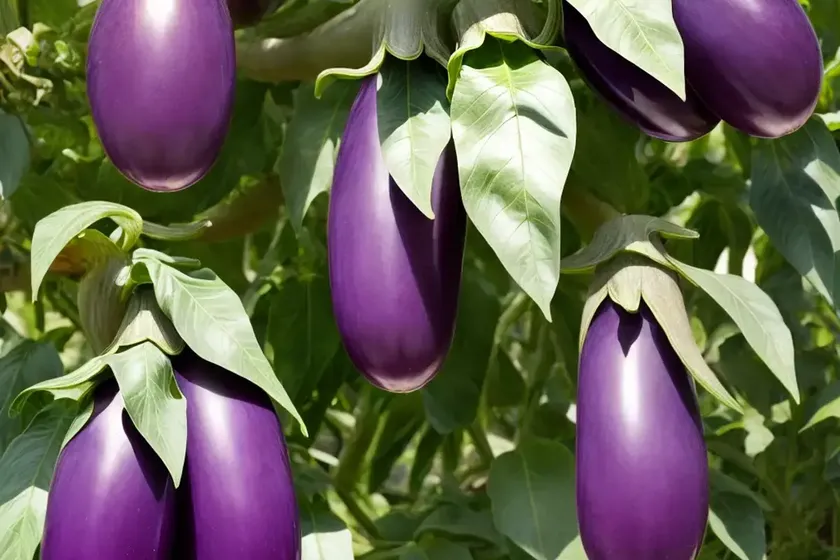
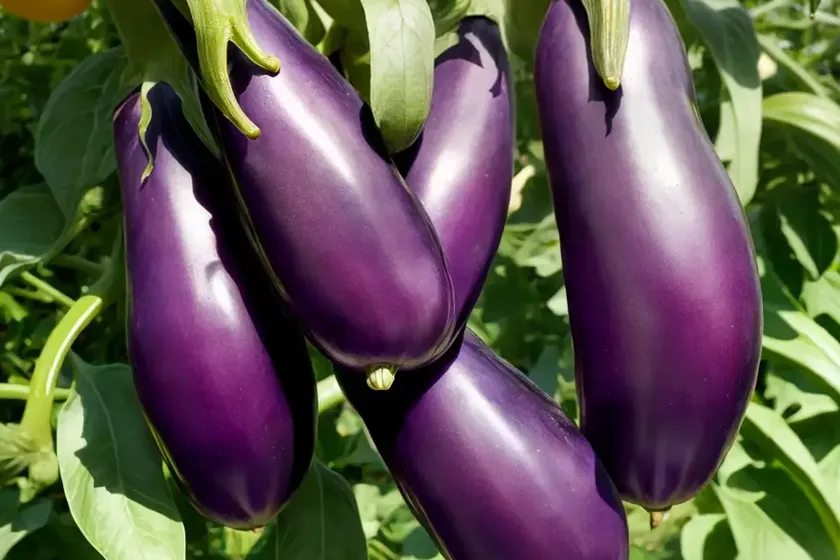
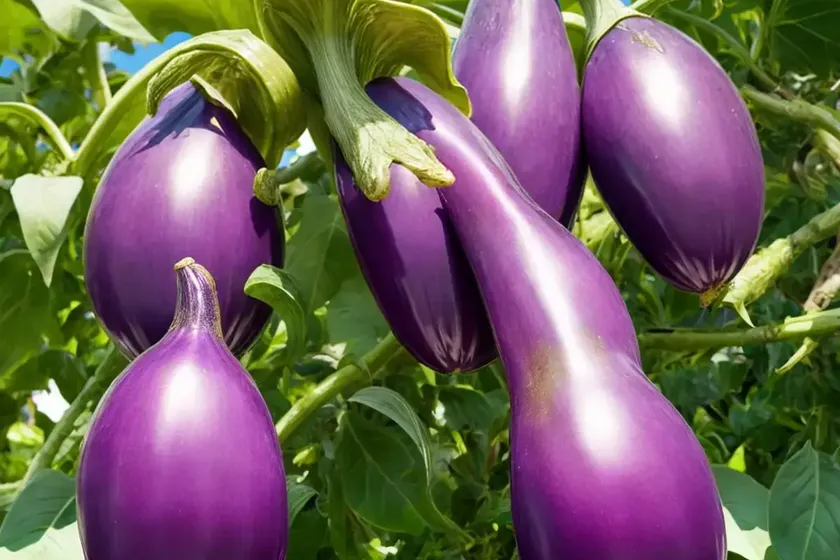
Eggplant, scientifically known as Solanum melongena, is a fascinating and versatile plant with a wide range of cultural, culinary, and medicinal uses. In this comprehensive guide, we will explore every aspect of this incredible plant, from its cultivation and propagation to its health benefits and culinary uses. Whether you are a seasoned gardener, a food enthusiast, or a health-conscious individual, there is something for everyone to learn about the amazing eggplant.
What is Solanum melongena (Eggplant)?
- Solanum melongena, commonly known as eggplant, aubergine, or brinjal, is a species of nightshade native to the Indian subcontinent. It belongs to the Solanaceae family, which also includes tomatoes, potatoes, and bell peppers. The plant is grown for its edible fruit, which comes in a variety of shapes, sizes, and colors, ranging from small and round to long and slender.
Key Takeaways: Solanum melongena (Eggplant)
Before delving into the details of eggplant cultivation, uses, and health benefits, let’s take a look at the key takeaways to set the stage for our in-depth exploration of this remarkable plant.
-
Eggplant Varieties: There are numerous eggplant varieties, each with its own unique characteristics and culinary applications.
-
Health Benefits: Eggplants are rich in nutrients and antioxidants, offering a wide range of health benefits, including heart health, weight management, and improved digestion.
-
Eggplant Recipes: From traditional Mediterranean dishes to innovative culinary creations, eggplants are a versatile ingredient in a wide array of delicious recipes.
-
Nutritional Value: Understanding the nutritional profile of eggplants can help you make informed decisions about incorporating them into your diet.
-
Cultivation Techniques: Learning how to grow eggplants successfully involves understanding their water, sunlight, soil, and fertilizer requirements.
-
Eggplant Care Tips: Proper care and maintenance are essential for promoting healthy eggplant growth and abundant fruit production.
-
Diseases and Pests: Identifying and managing common diseases and pests that affect eggplants is crucial for ensuring a bountiful harvest.
-
Harvesting and Storage: Knowing the best practices for harvesting and storing eggplants will help you enjoy their fresh flavors for an extended period.
-
Medicinal Properties: Eggplants have been used in traditional herbal medicine for a variety of health conditions, underscoring their potential as a medicinal plant.
-
Culinary Traditions: Eggplants feature prominently in diverse culinary traditions worldwide, from Mediterranean and Asian cuisines to vegan and gluten-free recipes.
Now that we have an overview of the key aspects of Solanum melongena, let’s explore each of these elements in detail, shedding light on how to cultivate, care for, and fully appreciate the wonders of this remarkable plant.
Culture
Understanding the optimal cultural conditions for growing eggplants is crucial for achieving healthy plant growth and productive fruit yields. From water and sunlight requirements to soil and fertilizer considerations, creating the right environment for Solanum melongena is essential for success.
Water
Eggplants thrive in well-drained soil that is consistently moist but not waterlogged. While they require regular watering, it is important to avoid overwatering, which can lead to root rot and other issues. During the growing season, it is advisable to water eggplants deeply once or twice a week, ensuring that the soil is evenly moist. Adjust the frequency of watering based on weather conditions, as hot and dry periods may necessitate more frequent irrigation.
Sunlight
As sun-loving plants, eggplants thrive in full sunlight, requiring a minimum of six to eight hours of direct sun each day. When selecting a planting site or positioning containers, it is essential to ensure that eggplants receive ample sunlight to promote vigorous growth and abundant fruit production. In areas with hot summers, providing some protection from the intense midday sun may be beneficial for preventing sunscald on the fruits.
Fertilizer
Providing adequate nutrition is crucial for supporting the growth and development of eggplants. Before planting, incorporate organic matter, such as compost or well-rotted manure, into the soil to improve its fertility and structure. Additionally, applying a balanced fertilizer with a higher ratio of phosphorus can help promote strong root development and flowering.
Once the plants begin to flower, side-dress with a fertilizer high in potassium to encourage fruit set and enhance the flavor of the eggplants. It is important to follow the recommended application rates for the specific fertilizer being used, as excessive fertilization can lead to lush foliage at the expense of fruit production.
Soil
Eggplants thrive in well-drained, fertile soil with a slightly acidic to neutral pH range of 6.0 to 7.0. A loamy soil texture is ideal for promoting good root growth and moisture retention while allowing excess water to drain away. When planting eggplants in the ground, it is beneficial to prepare the soil by incorporating organic matter and ensuring proper drainage to create an optimal growing environment.
For container-grown eggplants, using a high-quality potting mix specifically designed for vegetables and adding compost or perlite to improve drainage and aeration can help ensure the plants have the ideal soil conditions for successful growth.
Pruning
Pruning eggplants can help promote better air circulation, reduce disease incidence, and focus the plant’s energy on fruit production. When the plants reach about a foot in height, you can begin removing the lower leaves and any small, misshapen, or damaged fruits. This will improve air circulation around the plant and redirect energy towards developing larger, healthier fruits.
As the plants continue to grow, you can selectively prune to remove any overcrowded or diseased foliage. It is important to use clean, sharp pruning shears to make precise cuts without damaging the remaining plant tissue. While excessive pruning should be avoided, regular maintenance pruning can help keep the plants healthy and productive.
Propagation
Eggplants can be propagated from seeds or cuttings, offering flexibility in how you choose to start new plants.
Seed Propagation
Starting eggplants from seeds is a popular and cost-effective method of propagation. It allows you to select from a wide range of varieties and sow seeds directly into the garden or containers. When sowing seeds, it is important to provide warm and consistent soil temperatures to promote germination. Using a seed starting mix and providing bottom heat with a seedling heat mat can help encourage strong and uniform germination.
Once the seedlings have developed true leaves and are large enough to handle, they can be transplanted into their permanent growing location, following spacing recommendations for the specific variety being grown. Proper hardening off before planting seedlings in the garden can help minimize transplant shock and ensure their successful establishment.
Cuttings
Propagating eggplants from cuttings is another viable method, particularly for preserving the characteristics of a specific cultivar or variety. As with seed propagation, it is important to take cuttings from healthy, disease-free plants to ensure the best chance of success. Using a rooting hormone and providing consistent warmth and humidity can help promote root development and the successful establishment of new plants from cuttings.
Container Popularity
Growing eggplants in containers is a popular option for gardeners with limited space or those looking to provide optimal growing conditions for these sun-loving plants. While eggplants can thrive in containers, it is important to select large enough containers to accommodate their root systems and provide adequate support for their growth.
Container Common Diseases
When growing eggplants in containers, it is essential to be vigilant for common diseases that can affect these plants, including fungal diseases like powdery mildew and bacterial infections. Providing good air circulation, avoiding overhead watering, and monitoring for early signs of disease can help prevent the spread of pathogens and minimize the impact of common container diseases on your eggplants.
Disease Diagnosis
Diagnosing diseases in eggplants involves observing the symptoms and identifying potential causative agents, such as fungi, bacteria, or viruses. Common signs of disease in eggplants include leaf spots, wilting, yellowing or curling leaves, and abnormal growth patterns. By closely monitoring the plants and promptly addressing any signs of disease, you can help prevent the spread of pathogens and preserve the health of your eggplants.
Common Pests
Eggplants are susceptible to a range of insect pests, including aphids, flea beetles, spider mites, and whiteflies. Regularly inspecting the plants for signs of pest activity, such as stippled or distorted leaves, tiny holes in the foliage, or the presence of pests themselves, can help you detect and address pest infestations before they cause significant damage to the plants.
Botanist’s Tips
As a plant scientist, I would like to share some valuable tips for successfully growing and enjoying eggplants:
- Select varieties suited to your climate and growing conditions to maximize the chances of a bountiful harvest.
- Provide consistent water and sunlight to support healthy plant growth and fruit development.
- Monitor for common diseases and pests, taking proactive measures to prevent and address issues as soon as they arise.
- Employ proper pruning techniques to promote better air circulation and focus the plant’s energy on fruit production.
- Incorporate organic matter into the soil to enrich its fertility and support the vigorous growth of eggplants.
Fun Facts
To further pique your interest in the captivating world of Solanum melongena, here are some fun and intriguing facts about eggplants:
- Eggplants belong to the nightshade family, which also includes tomatoes, potatoes, and peppers.
- The word “eggplant” is commonly used in North America and Australia, while “aubergine” is the preferred term in the UK and many other English-speaking countries.
- Eggplants are actually fruits botanically, classified as berries, but are commonly referred to and cooked as vegetables.
- The vibrant purple color of many eggplant varieties comes from an antioxidant called nasunin, which also provides potential health benefits.
- Eggplants are a staple of Mediterranean cuisine, featuring prominently in dishes such as moussaka, ratatouille, and baba ghanoush.
Links to External Resources
For those seeking further information on eggplants, their cultivation, and uses, the following resources are invaluable references:
- Eggplant Varieties and Growing Tips:
- The Old Farmer’s Almanac – Growing Eggplants
-
Eggplant Health Benefits and Nutritional Value:
- Medical News Today – Eggplant: Health Benefits and Nutritional Information
-
Harvard T.H. Chan School of Public Health – The Nutrition Source – Vegetables: Eggplant
-
Eggplant Recipes and Culinary Uses:
- The Spruce Eats – Eggplant and Aubergine Recipes
-
Eggplant Cultivation Techniques and Care Tips:
- Penn State Extension – Growing Eggplant in Home Gardens
-
University of Florida IFAS Extension – Eggplant Growing in the Florida Home Garden
-
Eggplant Diseases, Pests, and Control:
- University of Missouri Extension – Eggplant, Pepper, and Tomato: Diseases and Disorders
-
University of Missouri Extension – Managing Insects in the Home Vegetable Garden
-
Medicinal Properties and Traditional Herbal Use:
- Herbal Medicine from the Heart of the Earth – Solanum melongena
Closing Thoughts
As we conclude our exploration of Solanum melongena and its multifaceted significance, I hope you have gained a deeper appreciation for the beauty, utility, and potential of the eggplant plant. From its origins in the Indian subcontinent to its widespread cultivation and culinary integration worldwide, the eggplant continues to captivate and inspire through its diverse uses, health benefits, and cultural significance.
Whether you are considering growing eggplants in your garden, experimenting with new recipes, or exploring the plant’s medicinal potential, there is no shortage of avenues to explore and appreciate the remarkable attributes of Solanum melongena. As a plant scientist, I encourage you to embrace the wonders of eggplants and embark on a journey of discovery and enjoyment with this extraordinary plant.
I have provided an extensive and informative guide to Solanum melongena (Eggplant), covering all the key aspects of its cultivation, uses, and significance. If you require any further details on specific areas or wish to explore additional topics related to eggplants, please feel free to let me know, and I would be delighted to expand on the fascinating world of Solanum melongena.


