Understanding Snow Squarestem (Melanthera Nivea): A Complete Guide
Plants are an integral part of our ecosystem, contributing to the balance and beauty of our environment. As a plant scientist, I find studying and understanding different plant species not only fascinating but crucial for sustaining biodiversity. In this comprehensive guide, we will delve into the captivating world of the Snow Squarestem plant, scientifically known as Melanthera Nivea. From its characteristics and habitat to cultivation and maintenance, this guide will provide valuable insights for both enthusiasts and horticulture professionals.
What is Snow Squarestem (Melanthera Nivea)?
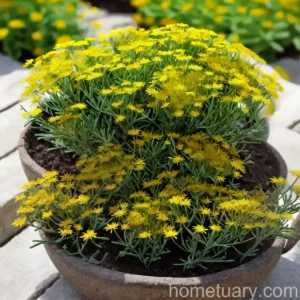
Melanthera Nivea, commonly referred to as Snow Squarestem, is a species of flowering plant in the sunflower family, Asteraceae. This perennial plant is native to Florida and can be found thriving in coastal areas, including sand dunes and beach strands. With its distinctive square stems and beautiful white flowers, Snow Squarestem is not only an aesthetically pleasing addition to landscapes but also plays a significant role in supporting local wildlife and ecosystems.
Key Takeaways – Snow Squarestem (Melanthera Nivea)
Before we dive into the detailed aspects of Snow Squarestem, let’s take a quick look at the key takeaways:
- Plant Name: Snow Squarestem (Melanthera Nivea)
- Growth Habit: Perennial
- Family: Asteraceae
- Native Habitat: Coastal areas, including sand dunes and beach strands
- Distinctive Feature: Square stems
- Flower Color: White
- Wildlife Support: Attracts butterflies and other pollinators
- Conservation Status: Efforts towards preserving its native habitat
- Cultural Uses: Historically used for medicinal and ornamental purposes
Now, let’s explore the various aspects of Snow Squarestem from its cultural uses to its ecological importance in more detail.
Culture of Snow Squarestem (Melanthera Nivea)
Understanding the cultural requirements of Snow Squarestem is essential for successfully nurturing this plant. From its water and sunlight needs to soil and fertilizer requirements, a holistic understanding of its cultural needs is vital for its growth and well-being.
Uses
Historically, Snow Squarestem has served various cultural purposes, including medicinal and ornamental uses. The plant’s leaves were traditionally used to make infusions that were believed to have medicinal properties, particularly in the treatment of respiratory ailments. Additionally, its resilient nature and attractive flowers make it a popular choice for landscape ornamental purposes.
Water
Being a native plant of coastal areas, Snow Squarestem exhibits a good tolerance for salt spray and moderate drought conditions. However, during its initial establishment phase, consistent moisture is essential. Once established, Snow Squarestem can thrive in well-drained soils and can endure periods of dryness.
Sunlight
Snow Squarestem flourishes in full sun exposure, making it an ideal choice for gardens and landscapes with ample sunlight. Its preference for sunlight is reflected in its native habitat, where it thrives under the bright coastal sunshine.
Fertilizer
As a native coastal plant, Snow Squarestem is adapted to nutrient-poor soils. Therefore, it generally requires minimal fertilization. A light application of a balanced, slow-release fertilizer in the spring can support healthy growth. However, it’s important to avoid excessive fertilization, which can result in lush foliage at the expense of flower production.
Soil
Well-drained, sandy soils are the preferred environment for Snow Squarestem. Its native habitat in coastal areas indicates its adaptability to sandy and nutrient-poor soils. When cultivated in gardens, ensuring proper drainage and minimal soil amendments can mimic its preferred natural conditions.
Pruning
Snow Squarestem typically requires minimal pruning, especially when grown in naturalized landscapes. Trimming back after the blooming period can help maintain a tidy appearance and encourage bushier growth. However, it’s essential to avoid extensive pruning, as this can limit its natural form and flowering potential.
Propagation
The propagation of Snow Squarestem can be achieved through various methods, including seeds, stem cuttings, and division.
- Seeds: Collecting mature seeds from the flower heads and sowing them in well-drained soil can be a successful method for propagating Snow Squarestem. The seeds should be sown at the appropriate depth and kept moist until germination occurs.
- Stem Cuttings: Stem cuttings can be taken from healthy, established plants and rooted in a suitable growing medium. This method allows for the cloning of desirable traits and rapid propagation.
- Division: Clumping perennials like Snow Squarestem can also be divided during the early spring or fall to create new plants. Divisions should be carefully handled to ensure the retention of healthy root systems.
Container Popularity
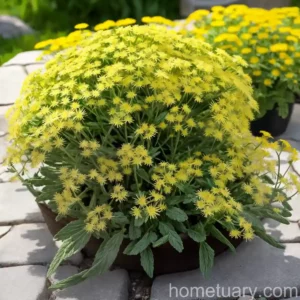
With its attractive appearance and low-maintenance nature, Snow Squarestem is gaining popularity as a container plant for gardens, patios, and balconies. Its adaptability to container cultivation makes it a versatile choice for both landscape and urban gardening.
Container Common Diseases
When grown in containers, Snow Squarestem may be susceptible to certain diseases, albeit less common than in traditional garden settings. Proper watering practices and well-drained potting mix can help prevent common container diseases such as root rot and fungal infections.
Disease Diagnosis
Diagnosing diseases in container-grown Snow Squarestem involves observing the plant for symptoms such as wilting, yellowing leaves, and unusual spots or lesions. Additionally, examining the root system for signs of rot or discoloration can aid in identifying potential diseases.
Common Pests
While container cultivation can offer some protection against soil-borne pests, Snow Squarestem may still encounter common garden pests such as aphids, spider mites, and whiteflies. Regular monitoring and proactive pest management strategies can help mitigate potential pest infestations.
Botanist’s Tips
As a plant scientist dedicated to the study and conservation of native plant species, I offer the following tips for cultivating and appreciating Snow Squarestem:
- Native Habitat Awareness: Understanding the native habitat of Snow Squarestem can provide valuable insights into its cultural preferences and unique adaptations.
- Eco-friendly Landscaping: Incorporating native plants like Snow Squarestem into landscape designs can contribute to biodiversity and support local ecosystems.
- Conservation Efforts: Supporting conservation initiatives and native plant nurseries can contribute to the preservation of Snow Squarestem and other native species.
Fun Facts
- Butterfly Attraction: The attractive flowers of Snow Squarestem act as a magnet for butterflies, contributing to the vibrant display of pollinator activity in gardens and natural areas.
- Salt Tolerance: Its natural resilience to salt spray and sandy soils makes Snow Squarestem an ideal choice for coastal and seaside landscapes.
- Drought Tolerance: Snow Squarestem exhibits remarkable tolerance to moderate drought conditions, making it a resilient and sustainable plant choice for water-wise gardening.
Links to External Resources
For further exploration and information on Snow Squarestem and native plant conservation, the following links offer valuable resources:
By delving into the cultural, ecological, and horticultural aspects of Snow Squarestem (Melanthera Nivea), we gain a deeper appreciation for the diversity and significance of native plant species. From its unique adaptations to its role in supporting local wildlife, Snow Squarestem exemplifies the beauty and resilience of coastal plant communities. Whether integrated into naturalized landscapes or thriving in containers, Snow Squarestem offers a blend of aesthetic appeal and environmental benefits, making it a valuable addition to gardens and ecosystems.