Sausage Tree (Kigelia Africana)
The world of plants never ceases to amaze us with its diversity and unique attributes. From towering trees of the rainforest to delicate desert blooms.
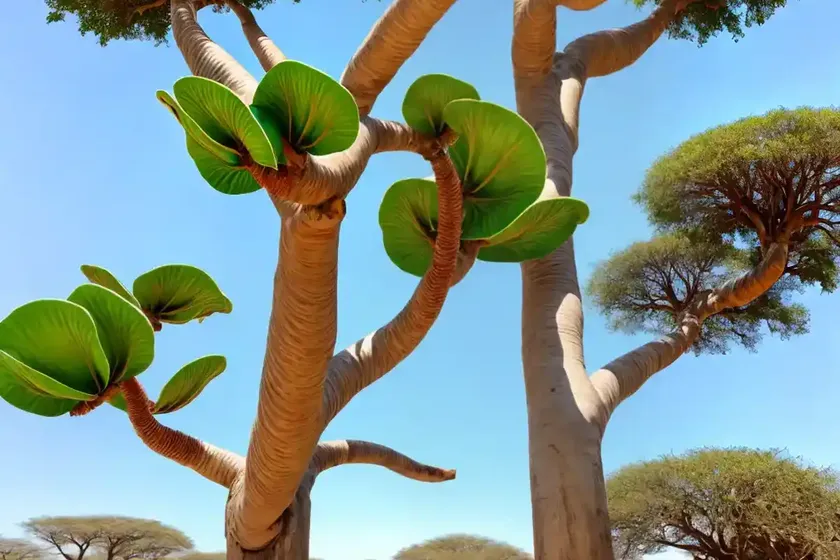
The world of plants never ceases to amaze us with its diversity and unique attributes. From towering trees of the rainforest to delicate desert blooms, each plant has its own story to tell. In this article, we delve into the extraordinary world of the Sausage Tree, scientifically known as Kigelia Africana. This remarkable plant not only captivates with its striking appearance but also holds cultural, medicinal, and folklore significance across various communities. Join me on this botanical journey as we explore the diverse facets of the Sausage Tree, including its cultural uses, propagation, care, and more.
What is the Sausage Tree (Kigelia Africana)?
The Sausage Tree (Kigelia Africana) is a large, tropical tree native to sub-Saharan Africa. It belongs to the family Bignoniaceae and is known for its distinctive fruit, which bears a resemblance to sausages, thus giving the tree its unique name. The tree is also commonly referred to as the Cucumber Tree, Worsboom, or Sausage Tree.
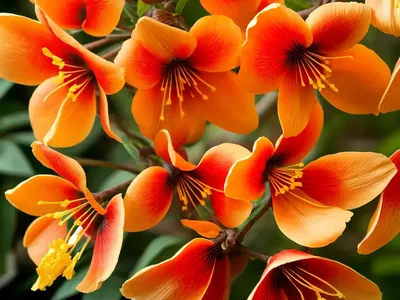
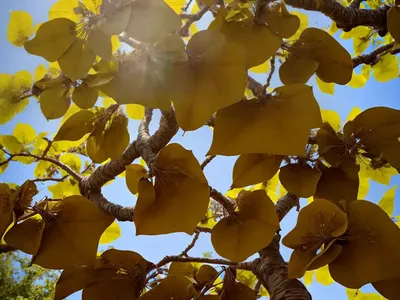
This evergreen tree is characterized by its spreading canopy, leathery, dark green foliage, and large maroon flowers with a unique trumpet-like shape. The fruit of the Sausage Tree holds a central place in the plant’s identity, both visually and culturally, as we’ll explore in detail.
Plant Name: “Sausage Tree (Kigelia Africana)”
Key Takeaways – Sausage Tree (Kigelia Africana)
Before delving into the specific aspects of the Sausage Tree, let’s glance at the key takeaways:
- Scientific Name: Kigelia Africana
- Common Names: Sausage Tree, Cucumber Tree, Worsboom
- Primary Features: Large, spreading canopy, distinctive sausage-like fruit, maroon trumpet-shaped flowers
- Cultural Significance: Holds important traditional, medicinal, and folklore significance in various African communities
- Propagation: Typically propagated from seeds
- Popularity: Gaining attention in skincare and cosmetic formulations due to its beneficial properties
Culture and Traditional Uses of the Sausage Tree
When it comes to the Sausage Tree, its cultural relevance and traditional uses are as rich as its appearance. This iconic tree has been at the center of various traditions, folklore, and medicinal practices for centuries in Africa. Let’s explore how it holds significance in different cultural contexts and traditional applications:
Folklore and Legends
The Sausage Tree is deeply entrenched in African folklore and mythologies. Its imposing stature and striking fruits have led to numerous stories and beliefs surrounding the tree. From tales of spirits dwelling within the tree to its fruits being used as containers for supernatural powers, the Sausage Tree has been a subject of fascination and reverence in traditional narratives across different African cultures.
Traditional Healing and Medicinal Uses
The fruit, bark, and leaves of the Kigelia Africana have been extensively utilized in traditional African medicine for various purposes. The medicinal properties attributed to the Sausage Tree have led to its use in treating a wide array of ailments, including skin conditions, infections, and even more serious health issues. The traditional healers and herbalists in many African communities are known to incorporate different parts of the Sausage Tree into their remedies, leveraging its perceived therapeutic benefits.
Cultural Practices and Rituals
In certain African communities, the Sausage Tree holds significant cultural value and is often incorporated into rituals and ceremonies. The tree’s presence in these cultural practices is a testament to its symbolic importance in these societies, where it represents not only a source of traditional medicine but also a link to ancestral beliefs and customs.
Uses of Sausage Tree (Kigelia Africana)
The Sausage Tree offers a myriad of uses, ranging from its traditional medicinal applications to emerging uses in skincare and beyond. Let’s explore the different dimensions of its utility:
Medicinal Uses
-
Skin Remedies: The fruit of the Sausage Tree is particularly renowned for its traditional use in treating various skin ailments. Pastes and infusions derived from the fruit have been historically applied to address conditions like eczema, psoriasis, and fungal infections.
-
Anti-inflammatory Properties: Extracts from the Sausage Tree have been utilized for their potential anti-inflammatory effects, providing relief from swelling and related discomfort.
-
Wound Healing: Traditional medicine systems have employed concoctions made from the Sausage Tree to aid in wound healing and alleviate skin irritations.
-
Digestive Health: In some regions, parts of the Sausage Tree have been used to address digestive issues and promote gastrointestinal wellness.
Skincare and Cosmetics
The Sausage Tree is gaining attention in the realm of skincare and cosmetics due to the beneficial properties of its extracts. Rich in antioxidants and other compounds, these extracts are being incorporated into various formulations, including lotions, creams, and serums, with claims of nourishing, revitalizing, and enhancing the skin.
Nutritional and Culinary Applications
While not as widespread as its medicinal and cultural uses, there are accounts of the Sausage Tree fruit being utilized for culinary purposes in certain regions. The young fruits, though reportedly toxic when raw, are said to be used in some traditional dishes after being processed to render them safe for consumption.
Landscape and Ornamental Value
Beyond its practical and traditional uses, the Sausage Tree is also valued for its ornamental appeal. Its striking flowers and unique fruit make it an attractive addition to landscapes and gardens in suitable climates. The tree’s distinct appearance and noteworthy fruit can serve as focal points, adding an exotic touch to garden spaces.
Growing a Sausage Tree: Care and Considerations
If you’re fascinated by the Sausage Tree and are contemplating introducing it to your garden or landscape, it’s essential to understand the key factors involved in its cultivation and maintenance. Let’s delve into the various aspects of caring for a Sausage Tree, from its water and sunlight needs to soil requirements and more.
Water
The Sausage Tree thrives in moist to wet conditions and is well-adapted to environments with pronounced rainy seasons. When establishing a young Sausage Tree, providing regular and generous watering is crucial for aiding its growth and establishment. Once mature, the tree exhibits a good degree of drought tolerance, but it still benefits from regular moisture, especially during dry periods.
For container-grown Sausage Trees, it’s important to strike a balance in watering, ensuring that the soil remains moist but not waterlogged, as excessive water retention can lead to issues with root health.
Sunlight
In its native habitat, the Sausage Tree is accustomed to basking in full sun, and it thrives under such conditions. When cultivating a Sausage Tree, it’s advisable to position it in a location that receives ample sunlight throughout the day. This ensures optimal growth, flowering, and fruiting, contributing to the overall health and vibrancy of the tree.
Fertilizer
Adequate nutrition is essential for the Sausage Tree to reach its full potential. While it can adapt to relatively poor soils, providing a balanced fertilizer regimen can help bolster its growth and vitality. Slow-release fertilizers, particularly those formulated for flowering and fruiting trees, can be beneficial. When selecting a fertilizer for the Sausage Tree, it’s important to prioritize formulations that are rich in phosphorus, which supports flower and fruit production.
Soil
The Sausage Tree thrives in well-draining, fertile soils. It is adaptable to a range of soil types, including loamy and sandy soils, but it generally prefers soil that retains some level of moisture without becoming waterlogged. Before planting a Sausage Tree, amending the soil with organic matter can improve its texture, drainage, and overall quality, providing an optimal foundation for the tree’s growth.
Pruning
Regular pruning, especially in the tree’s formative years, can help shape the Sausage Tree and promote a strong, well-structured canopy. It’s important to remove any dead or diseased branches and conduct periodic maintenance pruning to manage the tree’s size and shape. Pruning can also help improve ventilation and sunlight penetration within the canopy, reducing the risk of certain diseases and promoting overall tree health.
Propagation
The Sausage Tree is typically propagated from seeds, which should be sown in a well-draining potting mix. Keep the seeds warm and consistently moist to encourage germination. While the tree can also be propagated via cuttings, seed propagation is the more common and reliable method for cultivating new Sausage Trees.
Container Cultivation
For those looking to grow a Sausage Tree in a container, it’s important to select a large and sturdy pot that provides ample space for root development. Use a well-draining potting mix and ensure sufficient drainage holes to prevent waterlogging. Container-grown Sausage Trees may require more frequent watering compared to those planted in the ground, as the soil in containers tends to dry out more quickly.
Popularity of Sausage Tree (Kigelia Africana)
The Sausage Tree, with its enigmatic fruit and deeply rooted cultural significance, has caught the attention of individuals and industries beyond its native range. Its growing popularity can be attributed to a combination of factors, ranging from its ornamental appeal to the increasing recognition of its beneficial properties in skincare and herbal medicine.
Ornamental Appeal
The distinctive appearance and captivating flowers of the Sausage Tree make it a sought-after addition to tropical and exotic landscapes. Its unique fruit adds visual interest, and the tree’s ability to attract various pollinators further accentuates its appeal. As more gardeners and landscape enthusiasts seek out distinctive and unusual plants, the Sausage Tree has garnered attention for its ornamental value.
Skincare and Herbal Medicine
The Sausage Tree’s presence in the realms of skincare and herbal medicine has been on the rise, with its extracts finding their way into an array of products. From anti-inflammatory properties to the presence of antioxidants, the attributes associated with the Sausage Tree have piqued the interest of cosmetic and wellness brands, leading to its incorporation into formulations designed to promote skin health and rejuvenation.
Conservation Efforts
In some regions where the Sausage Tree is indigenous, there are ongoing efforts to conserve and protect this iconic species. Its cultural and ecological significance has prompted initiatives aimed at preserving its habitats and ensuring the sustainability of its populations in the wild.
Common Diseases of the Sausage Tree
While the Sausage Tree is known for its robust nature and relative resistance to pests and diseases, it can still be susceptible to certain issues. Understanding these potential ailments and how to address them is essential for maintaining the health and vigor of the tree.
Disease Diagnosis
One of the primary diseases that can affect the Sausage Tree is root rot, which typically arises from overwatering or poorly drained soil. Inadequate soil drainage can lead to waterlogged conditions, triggering root rot and compromising the tree’s overall health. Symptoms of root rot include wilting leaves, stunted growth, and a general decline in the tree’s appearance. Loosening the soil, improving drainage, and adjusting watering practices can help mitigate this issue.
Another potential concern is fungal diseases, which can manifest as leaf spots and discoloration. Proper sanitation, including removing and disposing of affected plant debris, and ensuring adequate air circulation can help prevent the onset and spread of fungal pathogens.
Common Pests
The Sausage Tree is relatively resistant to pest infestations, but certain pests, such as aphids and scale insects, can occasionally target the tree. Regularly inspecting the foliage and stems for signs of pest activity, such as the presence of honeydew or sooty mold, can aid in early detection. In many cases, natural predators and beneficial insects can help keep pest populations in check, but if control measures are necessary, targeted treatments, such as horticultural oils or insecticidal soaps, can be employed.
Botanist’s Tips for Cultivating and Appreciating the Sausage Tree
To conclude our exploration of the Sausage Tree, here are some insights and tips aimed at those intrigued by this remarkable plant:
- When cultivating a Sausage Tree, prioritize soil quality, as well-draining, nutrient-rich soil lays the foundation for its health and development.
- Embrace the Sausage Tree’s ornamental potential by incorporating it into landscapes and gardens as a focal point or specimen tree, allowing its unique features to shine.
- Explore the traditional and folklore aspects of the Sausage Tree, delving into the cultural significance and practices associated with this iconic plant.
Fun Facts about the Sausage Tree
As we wrap up our journey through the world of the Sausage Tree, here are a few intriguing and delightful facts about this captivating species:
- The botanical name “Kigelia” is derived from the name of a Mozambican botanist, Dr. W. K. Kigel, who was recognized for his contributions to the study of African flora.
- While the fruits of the Sausage Tree are eye-catching, it’s important to note that they are not intended for human consumption in their raw state and should be handled with caution due to their toxic potential.
Links to External Resources
For those seeking to delve further into the captivating realm of the Sausage Tree, the following resources offer valuable insights and information:
- Kigelia Africana: A Review of Phytochemistry and Pharmacological Properties
- Medicinal and Biological Potential of the Sausage Tree (Kigelia Africana)
- Cultural Significance and Traditional Uses of Kigelia Africana in Sub-Saharan Africa
- Ornamental and Landscape Use of Kigelia Africana
- Ethnobotanical and Ethnopharmacological Insights into Kigelia Africana
As we bid adieu to our botanical sojourn, I hope this exploration of the Sausage Tree has left you with a deep appreciation for the unique attributes, rich history, and diverse uses of this remarkable plant. Whether it’s the striking appearance of its fruits, the time-honored traditions surrounding its medicinal applications, or its growing presence in skincare, the Sausage Tree continues to captivate and inspire us, showcasing the enduring allure and significance of botanical wonders.