Snake’S-Head (Iris Tuberosa)
Plants have a way of captivating our hearts and imagination with their sheer beauty and captivating charm. Among these enchanting plants lies the Snake’s.
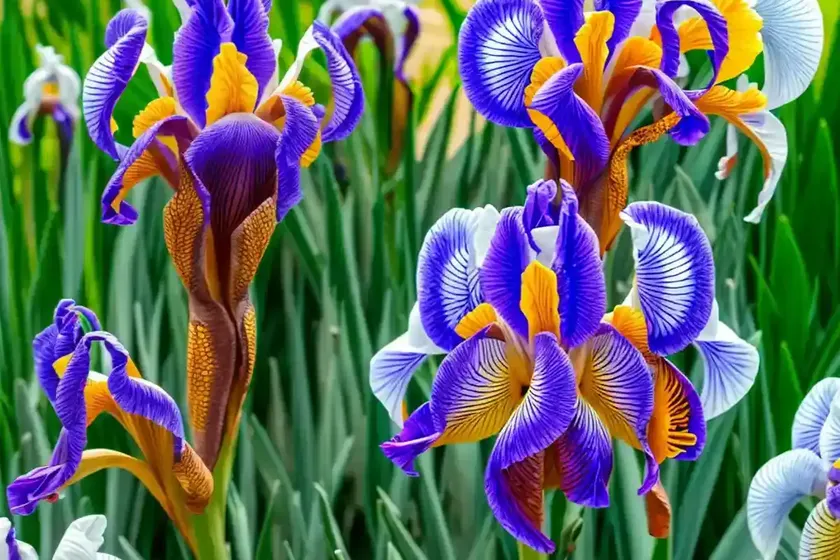
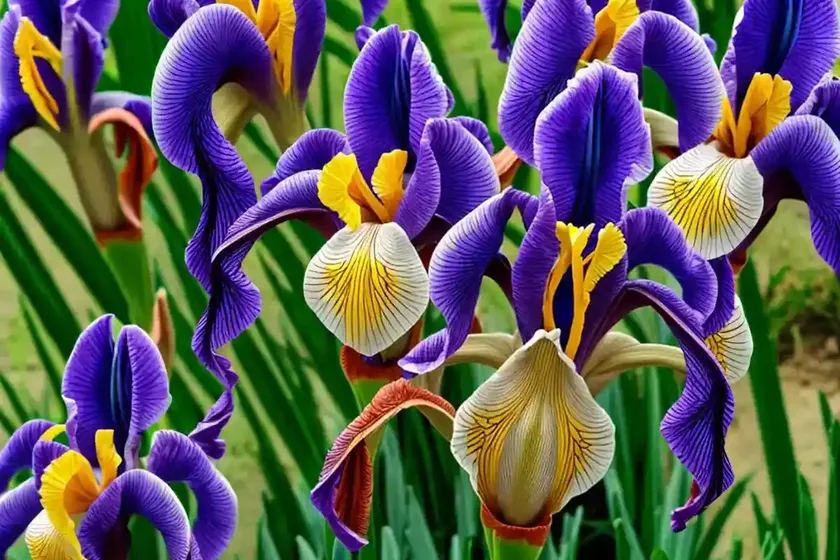
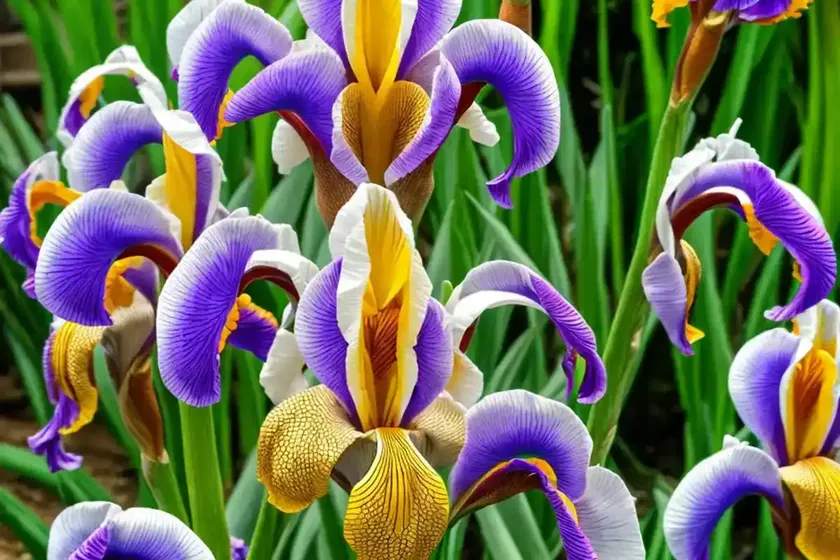
Plants have a way of captivating our hearts and imagination with their sheer beauty and captivating charm. Among these enchanting plants lies the Snake’s Head (Iris tuberosa), a delightful species that has intrigued botanists and garden enthusiasts for generations. In this comprehensive guide, we will delve into the intricate world of the Snake’s Head, exploring its culture, uses, care requirements, and so much more.
What is the Snake’s Head (Iris tuberosa)?
The Snake’s Head, scientifically known as Iris tuberosa, is a herbaceous perennial plant belonging to the Iris genus. It is a species native to the Eastern Mediterranean region and certain parts of Southeastern Europe. The name “Snake’s Head” is derived from the unique and striking appearance of its blossoms, which bear a resemblance to the head of a snake.
Key Takeaways – Snake’s Head (Iris tuberosa)
- Scientific Name: Iris tuberosa
- Common Names: Snake’s Head Iris, Snake’s Head Lily, Snake’s Head Orchid
- Life Cycle: Perennial
- Native Habitat: Eastern Mediterranean and Southeastern Europe
- Characteristics: Unique snake-like floral appearance, herbaceous perennial
- Uses: Ornamental, medicinal, wildlife attraction
Culture
The cultivation of Snake’s Head Iris involves understanding its growing conditions, care requirements, and maintenance practices. Let’s explore the cultural aspects related to this fascinating plant.
Water
Snake’s Head Iris thrives in well-draining soil and prefers moderate watering. It is essential to avoid waterlogged conditions to prevent root rot. During periods of active growth and flowering, moderate and consistent moisture is crucial.
Sunlight
This plant displays a preference for full sunlight or partial shade. While it can tolerate some shade, adequate sunlight promotes better flowering and overall plant vigor.
Fertilizer
A balanced, all-purpose fertilizer can be applied to Snake’s Head Iris in the early spring to support healthy growth and blooming. It is advisable to follow the manufacturer’s recommendations for the application of fertilizers.
Soil
Well-drained and fertile soil is ideal for cultivating Snake’s Head Iris. A slightly acidic to neutral pH range is preferable for optimal growth. Amending the soil with organic matter can enhance its texture and fertility.
Pruning
Regular deadheading and removing of spent flowers can stimulate prolonged blooming. Additionally, pruning away dead or yellowing foliage helps maintain the plant’s overall appearance and health.
Propagation
Snake’s Head Iris can be propagated through various methods, including division of rhizomes and seeds. Let’s delve into the propagation techniques suitable for this captivating plant.
Division
Dividing established clumps of Snake’s Head Iris is a common and effective method of propagation. This process is ideally carried out in late summer to early autumn. The rhizomes are carefully separated and replanted in suitable locations.
Seeds
Propagation through seeds is also a viable option. The seeds are sown in a well-prepared seedbed or containers and kept moist until germination occurs. It is important to note that Snake’s Head Iris grown from seeds may take a few years to reach maturity and start blooming.
Container Popularity
Snake’s Head Iris holds significant appeal for container gardening enthusiasts. Its compact size and stunning blooms make it an attractive addition to container displays and small garden spaces.
Common Diseases
As with any plant, Snake’s Head Iris is susceptible to certain diseases that can impact its vitality and appearance. Being aware of these potential ailments is essential for effective disease management.
Disease Diagnosis
Common diseases that may affect Snake’s Head Iris include fungal leaf spot, bacterial rot, and viral infections. Monitoring the plant for any unusual discoloration, spots, or wilting can aid in early detection and intervention.
Common Pests
In addition to diseases, pests such as aphids, thrips, and iris borers can pose a threat to the health of Snake’s Head Iris. Regular inspection and appropriate pest control measures are integral for preventing infestations.
Botanist’s Tips
The allure of Snake’s Head Iris goes beyond its visual appeal, and there are several expert tips that can enhance the cultivation experience and overall success with this captivating plant.
-
Mulching: Applying a layer of organic mulch around the base of the plant helps conserve soil moisture, suppress weed growth, and provide insulation to the roots.
-
Winter Protection: In regions with harsh winters, providing a layer of protective mulch or covering can safeguard the plant from extreme cold and temperature fluctuations.
-
Companion Planting: Pairing Snake’s Head Iris with complementary plants such as low-growing perennials or spring bulbs can create visually captivating garden displays.
Fun Facts
Exploring the intriguing world of Snake’s Head Iris unveils a treasure trove of fascinating facts that enrich our understanding and appreciation for this remarkable plant.
- The genus name “Iris” is derived from the Greek word for rainbow, which is a nod to the wide array of colors found in Iris flowers.
- Snake’s Head Iris has been traditionally used in herbal medicine for its perceived medicinal properties, including as a remedy for digestive ailments.
Links to External Resources
For further exploration and in-depth knowledge about Snake’s Head Iris, here are some recommended external resources:
- Royal Horticultural Society – Iris tuberosa
- Missouri Botanical Garden – Iris tuberosa
- American Iris Society – Iris tuberosa
In conclusion, the mystique of Snake’s Head Iris, with its distinctive appearance and cultural significance, elevates it to a prominent position in the realm of ornamental and horticultural marvels. As we continue to explore the diverse and captivating world of plants, the enduring charm of Snake’s Head Iris stands as a testament to the marvels of nature and the artistry of botanical wonders.


