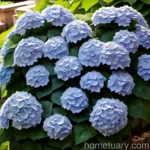
Smooth Hydrangea (Hydrangea arborescens ‘Piiha-I’ ENDLESS SUMMER BELLA ANNA): A Complete Guide
Smooth hydrangea, scientifically known as Hydrangea arborescens ‘Piiha-I’, also referred to as ENDLESS SUMMER BELLA ANNA, is a charming and versatile flowering shrub. Its beautiful blooms and low-maintenance nature make it a beloved addition to gardens and landscapes. In this comprehensive guide, we will delve into the various aspects of smooth hydrangea, including its culture, uses, maintenance, and common issues. Whether you are a seasoned gardener or just starting your gardening journey, this guide will provide you with valuable insights to help you cultivate and care for smooth hydrangea effectively.
What is Smooth Hydrangea (Hydrangea arborescens ‘Piiha-I’ ENDLESS SUMMER BELLA ANNA)?
Smooth hydrangea, Hydrangea arborescens ‘Piiha-I’ ENDLESS SUMMER BELLA ANNA, is a deciduous flowering shrub that belongs to the Hydrangeaceae family. It is native to the United States and is known for its large, showy flower heads and sturdy, low-maintenance nature. The cultivar ‘Piiha-I’, marketed as ENDLESS SUMMER BELLA ANNA, is a particularly popular variety cherished for its prolonged blooming season and vibrant flowers.
Smooth hydrangea is characterized by its large, dark green leaves and clusters of delicate, blossoming flowers that can change color as the season progresses. Its impressive blooms, compact size, and adaptability to various growing conditions make it a sought-after choice for gardeners and landscaping enthusiasts.
Key Takeaways
Before we delve into the intricate details of smooth hydrangea, let’s summarize the key takeaways about Hydrangea arborescens ‘Piiha-I’ ENDLESS SUMMER BELLA ANNA to provide a comprehensive overview.
- Versatile and resilient deciduous flowering shrub
- Known for its large, showy flower heads and vibrant blooms
- Cultivar ‘Piiha-I’, marketed as ENDLESS SUMMER BELLA ANNA, offers prolonged blooming and beautiful flowers
- Compact size and low-maintenance nature make it ideal for garden and landscape applications
- Adaptable to various growing conditions, providing flexibility for cultivation in diverse settings
Now that we have established an overview, let’s explore the various aspects of smooth hydrangea, including its culture, uses, maintenance, and common issues in more detail.
Culture
Cultivating smooth hydrangea involves understanding its specific requirements for water, sunlight, fertilizer, soil, and pruning. Properly caring for the plant ensures optimal growth and abundant blooming, allowing you to fully appreciate its beauty and charm in your garden or landscape.
Uses
Smooth hydrangea, with its captivating blooms and versatile nature, holds various uses in gardening and landscaping. Understanding its potential applications can help you maximize its aesthetic and functional contributions to your outdoor spaces.
Landscape Ornamentation
The stunning flowers of smooth hydrangea make it an excellent choice for enhancing the visual appeal of landscapes, gardens, and outdoor areas. Its compact size and vibrant blooms allow for versatile placement in different areas, such as borders, beds, and decorative clusters.
Cut Flower Arrangements
The large, eye-catching flower heads of smooth hydrangea make it a popular choice for creating stunning cut flower arrangements. Whether used in bouquets, centerpieces, or floral displays, its abundant blooms add a touch of elegance and natural beauty to indoor settings.
Wildlife Attraction
Smooth hydrangea has the potential to attract beneficial wildlife, such as butterflies and pollinators, to your garden. Its nectar-rich flowers and ample blooms create an inviting environment for these creatures, contributing to the overall biodiversity of your outdoor space.
Water
Adequate watering is crucial for the healthy growth and development of smooth hydrangea. Understanding its water needs and implementing proper watering practices are essential for ensuring its vitality and lush appearance.
Watering Needs
Smooth hydrangea thrives in consistently moist but well-drained soil. While it appreciates slightly acidic to neutral soil conditions, it is imperative to maintain adequate moisture levels, especially during periods of active growth and blooming. Regular watering, particularly during dry spells, is necessary to support its overall health and vitality.
Watering Schedule
Establishing a consistent watering schedule is essential for meeting the moisture requirements of smooth hydrangea. As a general guideline, watering deeply once or twice a week, depending on weather conditions and soil moisture levels, is recommended. Adjust the frequency and volume of watering based on specific environmental factors and the individual needs of the plant.
Sunlight
Proper sunlight exposure plays a significant role in the growth, blooming, and overall well-being of smooth hydrangea. Understanding its sunlight preferences is crucial for providing an optimal environment conducive to its thriving.
Sunlight Exposure
Smooth hydrangea exhibits a preference for partial shade to full sun, making it adaptable to various lighting conditions. While it can tolerate partial shade, providing it with sufficient sunlight exposure, preferably in the morning or early afternoon, promotes robust growth and prolific blooming. Ensuring adequate light conditions is essential for maximizing its ornamental value and floral display.
Sun Exposure Considerations
When selecting a planting location for smooth hydrangea, considerations for sun exposure should be taken into account. Assessing the available sunlight in different areas of your garden or landscape aids in determining the most suitable placement for the plant, considering its sunlight requirements and the overall design of the outdoor space.
Fertilizer
Applying appropriate fertilization supports the vigorous growth and abundant flowering of smooth hydrangea. Understanding its fertilizer needs and implementing a suitable feeding regimen is essential for promoting its overall health and blooming performance.
Fertilizer Requirements
Smooth hydrangea benefits from regular feeding with a balanced, slow-release fertilizer formulated for flowering shrubs. Applying fertilizer in early spring, before the onset of new growth, and again in early summer supports the development of strong, healthy foliage and prolific blooms. Additionally, incorporating organic matter, such as compost or well-rotted manure, into the soil during planting provides valuable nutrients for the plant’s establishment.
Fertilization Tips
When fertilizing smooth hydrangea, it is important to follow the recommended application rates and guidelines provided by the specific fertilizer product. Avoid over-fertilization, as excessive nutrient levels can have adverse effects on the plant and may disrupt its natural growth patterns. Monitoring the plant’s response to fertilization and adjusting the feeding schedule as needed contributes to its overall well-being.
Soil
The soil conditions play a vital role in the growth, vitality, and blooming performance of smooth hydrangea. Understanding its soil preferences and implementing suitable soil management practices are essential for fostering a favorable growing environment.
Soil Requirements
Smooth hydrangea thrives in well-drained, humus-rich soil with a slightly acidic to neutral pH. Loamy, fertile soil with good water retention capabilities provides an ideal substrate for the plant’s root development and overall nourishment. Assessing and amending the soil composition, as needed, to meet these criteria contributes to the establishment and sustained health of the plant.
Soil Amendment
Incorporating organic matter, such as compost, peat moss, or well-rotted manure, into the planting site enhances the soil structure, fertility, and moisture retention capacity. This practice promotes favorable soil conditions for smooth hydrangea, supporting its root growth and nutrient uptake. Regular soil testing can provide valuable insights into the soil composition and guide appropriate amendments to optimize growing conditions.
Pruning
Pruning smooth hydrangea is integral for maintaining its desired form, encouraging blooming, and managing its overall growth. Understanding the principles of pruning and implementing proper techniques aids in shaping the plant and promoting its health and longevity.
Pruning Time
Timing pruning activities for smooth hydrangea is essential for achieving desirable results while minimizing potential impacts on flowering. Pruning is typically conducted in late winter to early spring, before the emergence of new growth, to remove dead or damaged branches, shape the plant, and stimulate robust blooming. Avoiding late-season pruning allows the plant to develop flower buds for the upcoming season.
Pruning Techniques
When pruning smooth hydrangea, it is important to utilize sharp, clean pruning tools to make precise cuts. Removing spent flowers and weak or overgrown branches enhances the plant’s appearance and encourages the production of new blooms. Additionally, selectively thinning the plant by removing select stems can improve air circulation and promote vigorous growth.
Propagation
Propagating smooth hydrangea allows you to expand your plant collection or share its beauty with others. Understanding the propagation methods and best practices facilitates successful reproduction of the plant, enabling you to cultivate new specimens for your garden or landscape.
Propagation Techniques
Smooth hydrangea can be propagated through various methods, such as stem cuttings and division. Taking semi-hardwood cuttings from healthy, established plants in late spring or early summer and rooting them under favorable conditions can yield new plants. Additionally, dividing mature plants during the dormant season contributes to the multiplication of smooth hydrangea, providing opportunities for propagation.
Propagation Considerations
When propagating smooth hydrangea, ensuring the use of sterile, well-draining soil mix and maintaining consistent moisture levels are critical for the establishment of new plants. Monitoring the rooting process and providing appropriate care, such as shelter from direct sunlight and maintaining high humidity, supports the successful propagation of the plant.
Container Popularity
The compact size and ornamental beauty of smooth hydrangea make it a popular choice for container gardening. Understanding its suitability for container cultivation and implementing proper care practices allow you to enjoy its enchanting presence in confined outdoor spaces or on patios and balconies.
Container Selection
Selecting a spacious, well-draining container with adequate drainage holes is essential for growing smooth hydrangea in containers. Choose a container that accommodates the plant’s root system and allows for sufficient soil volume while promoting air circulation and moisture retention.
Container Care
Proper care for smooth hydrangea in containers involves regular watering, suitable sunlight exposure, and balanced fertilization. Monitoring the soil moisture levels and adjusting the watering frequency based on environmental conditions contribute to the sustained health and vibrancy of the plant. Additionally, providing adequate sunlight and seasonal shelter as needed supports its optimal growth in containers.
Common Diseases
Understanding the potential diseases that can affect smooth hydrangea is essential for proactive management and mitigation of plant health issues. Familiarizing yourself with common diseases and their symptoms enables timely intervention and effective disease control measures.
Disease Diagnosis
Smooth hydrangea can be susceptible to certain diseases, including powdery mildew, leaf spot, and bacterial wilt. Monitoring the plant for symptoms such as white powdery coatings on leaves, brown spots, or wilting can aid in identifying specific diseases. Prompt diagnosis and targeted treatment protocols are crucial for mitigating the impact of diseases and preserving the plant’s health.
Common Pests
While generally resilient, smooth hydrangea may encounter pest infestations that can affect its growth and vitality. Recognizing common pests and implementing appropriate pest management strategies are essential for safeguarding the plant from potential damage.
Pest Identification
Common pests that may affect smooth hydrangea include aphids, spider mites, and scale insects. Monitoring the plant for signs of pest presence, such as distorted leaves, stippling, or visible insects, facilitates early detection and intervention. Identifying the specific pests and their impact on the plant guides the selection of targeted control measures.
Botanist’s Tips
Drawing from botanical insights and practical recommendations, the following tips offer valuable guidance for cultivating and caring for smooth hydrangea in various garden and landscape settings.
- Selecting suitable varieties of smooth hydrangea, such as ‘Piiha-I’ ENDLESS SUMMER BELLA ANNA, tailored to your climate and growing conditions ensures optimal performance and blooming.
- Incorporating organic mulch, such as shredded bark or compost, around the base of the plant provides valuable moisture retention, weed suppression, and soil enrichment benefits.
- When applying fertilizers to smooth hydrangea, opt for formulations specifically designed for flowering shrubs and follow the recommended application rates to prevent nutrient imbalances and potential harm to the plant.
- Supporting the plant with appropriate structural elements, such as stakes or rings, can help alleviate stress on the stems and flowers, particularly during heavy blooming periods, enhancing the plant’s overall stability and aesthetic appeal.
Fun Facts
- The name “Hydrangea” is derived from the Greek words “hydor” (water) and “angos” (vessel), alluding to the plant’s need for ample moisture and the shape of its seed capsules.
- Smooth hydrangea is native to the eastern United States, where it thrives in woodland areas, along stream banks, and in moist, shady habitats.
- The flower color of smooth hydrangea can vary based on the soil pH, with more acidic soil producing blue to purplish blooms and alkaline soil resulting in pink to reddish flowers.
Links to External Resources
To enrich your knowledge and further explore the world of smooth hydrangea, consider the following external resources for additional information, insights, and practical tips:
- The American Hydrangea Society
- University of Florida IFAS Extension – Hydrangea Plant Care Guide
- The Royal Horticultural Society (RHS) – Hydrangea Cultivation Advice
In conclusion, smooth hydrangea, exemplified by the cultivar Hydrangea arborescens ‘Piiha-I’ ENDLESS SUMMER BELLA ANNA, is a captivating and versatile plant that enriches gardens and landscapes with its vibrant blooms and low-maintenance appeal. By embracing the insights and recommendations presented in this guide, you can cultivate and care for smooth hydrangea effectively, appreciating its ornamental beauty and natural charm throughout the growing season.
Remember to stay attuned to your plant’s specific needs and environmental conditions, as personalized care and attention contribute to the sustained health and flourishing of smooth hydrangea in your outdoor spaces. Embrace the rewarding journey of nurturing and enjoying this delightful flowering shrub, savoring its remarkable blooms and enduring elegance in your garden or landscape.
References:
- Corley, H. (n.d.). Hydrangea Plant Care Guide. University of Florida IFAS Extension. https://gardeningsolutions.ifas.ufl.edu/plants/ornamentals/hydrangeas.html
- The American Hydrangea Society. (n.d.). https://www.americanhydrangeasociety.org/
- The Royal Horticultural Society (RHS). (n.d.). Hydrangea Cultivation Advice. https://www.rhs.org.uk/advice/profile?PID=292