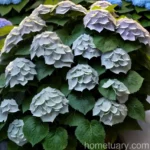
Smooth Hydrangea (Hydrangea arborescens ‘Dardom’ WHITE DOME)
Introduction
Smooth Hydrangea, scientifically known as Hydrangea arborescens ‘Dardom’ WHITE DOME, is a popular flowering shrub that belongs to the Hydrangeaceae family. This beautiful plant is valued for its delicate white blooms and its ability to thrive in various environmental conditions. In this comprehensive guide, we will delve into the various aspects of smooth hydrangea, including its culture, uses, care requirements, and maintenance guidelines.
What is Smooth Hydrangea?
Smooth hydrangea (Hydrangea arborescens ‘Dardom’ WHITE DOME) is a deciduous flowering shrub that is native to the United States. It is popular for its attractive white dome-shaped flower clusters that bloom in summer, adding a touch of elegance to gardens and landscapes. The plant is characterized by its large, dark green leaves and sturdy stems. It typically grows to a height of 3 to 5 feet, with a similar spread, making it suitable for use in various garden settings, including borders, hedges, and mixed perennial beds.
Key Takeaways
Smooth Hydrangea (Hydrangea arborescens ‘Dardom’ WHITE DOME):
- Culture: The culture of smooth hydrangea involves understanding its preferred growing conditions, including soil type, moisture levels, and sunlight requirements.
- Uses: This section explores the versatile uses of smooth hydrangea in landscaping and garden design.
- Water: Understanding the water needs of smooth hydrangea is crucial for maintaining its health and promoting robust growth.
- Sunlight: Smooth hydrangea’s sunlight requirements determine its placement in the landscape and its ability to produce abundant blooms.
- Fertilizer: Providing the right nutrients through proper fertilization is essential for supporting the growth and flowering of smooth hydrangea.
- Soil: Learning about the ideal soil conditions for smooth hydrangea cultivation is vital for ensuring its vitality and longevity.
- Pruning: Pruning smooth hydrangea is an important aspect of its maintenance, allowing for the removal of dead wood and the promotion of new growth.
- Propagation: Propagating smooth hydrangea involves various methods such as division, cuttings, and layering to create new plants.
- Container Potting: Growing smooth hydrangea in containers requires specific considerations to ensure its health and vigor.
- Common Diseases: Identifying and managing common diseases that affect smooth hydrangea is essential for preserving its beauty and vitality.
- Common Pests: Recognizing and addressing pest infestations is crucial for protecting smooth hydrangea from potential damage.
Now, let’s dive deeper into each of these aspects to gain a comprehensive understanding of smooth hydrangea and how to care for this stunning plant.
Culture
Cultivating smooth hydrangea requires a sound understanding of its preferred growing conditions. By providing the ideal environment, gardeners can ensure that the plant thrives and produces an abundance of beautiful blooms.
Water
Smooth hydrangea plants prefer consistently moist soil, especially during the initial stages of growth and establishment. Adequate watering is essential for supporting the development of healthy roots and promoting lush foliage. While the plant thrives in moist conditions, it is important to avoid waterlogged soil, as this can lead to root rot and other moisture-related issues.
Sunlight
In terms of sunlight requirements, smooth hydrangea performs best in partially shaded to fully shaded areas. This makes it an excellent choice for gardens with dappled sunlight or areas that receive filtered light throughout the day. While the plant can tolerate some sun exposure, especially in cooler regions, it generally benefits from protection against intense midday sun.
Fertilizer
Applying a balanced, slow-release fertilizer in the spring can help promote healthy growth and abundant flowering. A fertilizer with a nutrient ratio of 10-10-10 or similar composition is suitable for smooth hydrangea. It is important to follow the manufacturer’s recommendations regarding application rates and timing to prevent over-fertilization, which can damage the plant.
Soil
Smooth hydrangea thrives in well-draining, fertile soil with a slightly acidic to neutral pH. Amending the soil with organic matter such as compost or well-rotted manure can enhance its structure and fertility, providing an ideal growing medium for the plant. It is advisable to perform a soil test to assess the pH and nutrient levels, making any necessary adjustments to create a hospitable environment for the plant.
Uses
Smooth hydrangea is valued for its ornamental value and versatility in garden design. From serving as a focal point in a mixed border to contributing to an elegant foundation planting, this plant offers a range of uses in landscaping.
When used in mass plantings, smooth hydrangea can create a striking display of white blooms that adds a touch of sophistication to the landscape. Additionally, its ability to thrive in shaded areas makes it a valuable addition to woodland gardens and shaded borders.
Pruning
Proper pruning is essential for maintaining the health and appearance of smooth hydrangea. This process involves the removal of old, weak, or damaged wood, as well as the shaping of the plant to encourage a more compact and attractive form.
Pruning Techniques for Smooth Hydrangea:
- Deadheading: Removing spent blooms can encourage the plant to produce new flowers and prevent the formation of seed heads.
- Thinning: Thinning out overcrowded and crossing branches can improve air circulation and sunlight penetration, reducing the risk of disease and promoting overall plant health.
- Renewal Pruning: Every few years, consider performing renewal pruning by cutting back the plant to encourage vigorous new growth and rejuvenation.
Pruning smooth hydrangea is typically conducted in late winter or early spring while the plant is dormant. This allows the gardener to assess the plant’s structure and make necessary adjustments before the new growing season begins.
Propagation
Propagating smooth hydrangea allows gardeners to expand their plant collection and share this beautiful species with others. The following methods can be used for propagating smooth hydrangea:
Division
Dividing mature plants is a straightforward way to create new smooth hydrangea specimens. This method is typically carried out in early spring before new growth emerges. By separating the root ball into smaller sections, each containing healthy stems and roots, gardeners can produce multiple plants.
Cuttings
Taking stem cuttings from healthy, actively growing plants is an effective method of propagation. The cuttings are typically prepared during the growing season and rooted in a suitable medium, such as moist potting mix or vermiculite. With proper care, the cuttings develop roots and can be transplanted to their permanent growing locations.
Layering
Layering is another propagation technique that involves encouraging stems to produce roots while still attached to the parent plant. This approach is often utilized when working with long, flexible stems that can be bent down to come into contact with the soil. Once roots have developed, the new plant can be separated from the parent and transplanted.
Container Popularity
Smooth hydrangea’s versatility extends to container gardening, where it can be showcased on patios, decks, and balconies. When grown in containers, the plant’s compact size, lush foliage, and abundant blooms make it an attractive addition to outdoor living spaces.
Container Care Tips for Smooth Hydrangea:
- Choose a container that provides adequate room for the plant’s root system to grow and expand.
- Ensure the container has drainage holes to prevent waterlogging and promote healthy root development.
- Use a high-quality potting mix that is well-draining and rich in organic matter to support the plant’s growth.
- Water the plant consistently, checking the soil moisture levels regularly to prevent drying out or waterlogging.
- Provide the appropriate amount of sunlight based on the plant’s requirements and adjust the container’s placement as needed.
By following these care tips, gardeners can successfully grow smooth hydrangea in containers, allowing for the enjoyment of its stunning blooms in various outdoor settings.
Common Diseases
Like all plants, smooth hydrangea is susceptible to certain diseases that can impact its growth and overall well-being. By being aware of these potential issues and taking proactive measures, gardeners can help safeguard their plants against disease. Some common diseases that may affect smooth hydrangea include:
- Powdery Mildew (Erysiphales): This fungal disease can appear as a white, powdery coating on the plant’s leaves and stems. It thrives in humid conditions and can weaken the plant over time.
- Cercospora Leaf Spot (Cercospora hydrangeae): This fungal disease causes dark, circular spots to form on the leaves, potentially leading to defoliation and reduced plant vigor.
- Botrytis Blight (Botrytis cinerea): Also known as gray mold, this fungal disease can manifest as fuzzy, gray growth on plant tissues and is often associated with damp, cool conditions.
Disease Diagnosis
When diagnosing diseases on smooth hydrangea, it is essential to closely examine the plant for any abnormal symptoms or signs of distress. This can include inspecting the foliage for discoloration, spotting, or unusual growth, as well as observing the overall vigor and health of the plant. Additionally, considering the prevailing environmental conditions and any recent changes in care practices can provide valuable insights into the potential cause of the disease.
If a disease issue is suspected, it may be beneficial to seek guidance from a local extension service, horticulturist, or plant health professional. They can offer specific recommendations for disease management and provide insights into preventive measures for maintaining the plant’s health.
Common Pests
In addition to diseases, smooth hydrangea may also face challenges from various pests. By monitoring the plant for signs of pest activity and taking prompt action when necessary, gardeners can help protect their smooth hydrangea from potential damage. Some common pests that may affect this plant include:
- Aphids: These small, soft-bodied insects can cluster on the plant’s tender new growth and suck sap from the foliage, leading to distortion and weakening of the plant.
- Japanese Beetles (Popillia japonica): These voracious pests can skeletonize the leaves of smooth hydrangea and cause significant damage if left unaddressed.
- Spider Mites: These tiny pests can create fine webbing on the plant and feed on the foliage, potentially causing stippling and discoloration.
Botanist’s Tips
As a plant scientist, I recommend the following tips for the successful cultivation of smooth hydrangea:
- Selecting the Ideal Planting Site: Choose a partially shaded location with well-draining soil to create a favorable environment for smooth hydrangea to thrive.
- Maintaining Adequate Moisture: Monitor soil moisture levels and provide consistent watering, especially during periods of dry weather, to support the plant’s growth and flowering.
- Mulching: Apply a layer of organic mulch around the base of the plant to conserve soil moisture, suppress weed growth, and moderate soil temperatures.
- Understanding Pruning Requirements: Familiarize yourself with the specific pruning needs of smooth hydrangea, including the timing and techniques for best results.
- Monitoring for Pests and Diseases: Regularly inspect the plant for signs of pest infestations and diseases, taking timely action to address any issues that arise.
By implementing these tips, gardeners can create an optimal growing environment for smooth hydrangea and enjoy its abundant beauty throughout the growing season.
Fun Facts
Here are some intriguing fun facts about smooth hydrangea to further pique your interest in this captivating plant:
- Smooth hydrangea is also known as wild hydrangea, due to its native status in certain regions of the United States.
- The flowers of smooth hydrangea are highly attractive to pollinators such as bees and butterflies, contributing to the ecological value of the plant.
- The blooms of smooth hydrangea can be long-lasting, providing gardeners with an extended period of enjoyment throughout the summer months.
- Smooth hydrangea has been a beloved choice in traditional cottage gardens for generations, adding a charming and nostalgic appeal to the landscape.
Links to External Resources
For further exploration of smooth hydrangea and its cultivation, the following external resources provide valuable insights and information:
-
The American Hydrangea Society: A reputable organization dedicated to the study and appreciation of hydrangeas, offering a wealth of resources for enthusiasts and gardeners.
-
The Royal Horticultural Society (RHS) Hydrangea Growing Guide: The RHS offers comprehensive guidance on growing hydrangeas, including tips for specific varieties such as smooth hydrangea.
-
University Extension Services: Local extension services can provide region-specific information on growing smooth hydrangea, including recommendations for soil preparation, care, and maintenance.
-
Gardening Forums and Communities: Participating in online gardening forums and communities allows enthusiasts to exchange knowledge and experiences related to growing smooth hydrangea and other plants.
As we conclude this guide, it is my hope that you have gained a deeper appreciation for smooth hydrangea and its remarkable qualities. By applying the insights shared here, you can embark on a rewarding journey of cultivating and nurturing this captivating plant in your own garden.
Remember to embrace the beauty of nature and the joy of gardening as you welcome smooth hydrangea into your outdoor spaces. Happy gardening!