Smooth Hydrangea (Hydrangea arborescens ‘Annabelle’): A Comprehensive Guide
Hydrangeas have long been cherished for their beautiful and diverse blooms, and the smooth hydrangea (Hydrangea arborescens ‘Annabelle’) is no exception. This stunning plant, known for its large, creamy white flower heads, has captivated gardeners and plant enthusiasts for generations. In this comprehensive guide, we will explore everything you need to know about the smooth hydrangea, from its cultural requirements and uses to its propagation and common diseases. Whether you are a seasoned gardener or a beginner looking to add this enchanting plant to your landscape, this guide aims to provide you with the essential knowledge to cultivate and care for smooth hydrangeas successfully.
What is the Smooth Hydrangea (Hydrangea arborescens ‘Annabelle’)?
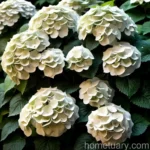
Smooth hydrangea, scientifically known as Hydrangea arborescens, is a deciduous shrub native to the United States. The ‘Annabelle’ cultivar is particularly beloved for its large, spherical flower heads, which can reach up to 12 inches in diameter. These showy blooms emerge in early summer and age to a light green or even slightly pinkish color as the season progresses. The smooth hydrangea is characterized by its lush, green foliage and sturdy, upright growth habit, making it a standout feature in any garden or landscape.
Key Takeaways – Smooth Hydrangea (Hydrangea arborescens ‘Annabelle’)
Before delving into the specifics of cultivating smooth hydrangeas, let’s take a moment to highlight the key takeaways of this remarkable plant. Understanding these essential points will provide a solid foundation for successfully nurturing smooth hydrangeas and enjoying their beauty to the fullest.
- Plant Name: Smooth Hydrangea (Hydrangea arborescens ‘Annabelle’)
- Bloom Color: Creamy white, aging to light green or pinkish hues
- Native Habitat: United States
- Growth Habit: Deciduous shrub with upright, vigorous growth
- Notable Feature: Large, spherical flower heads, reaching up to 12 inches in diameter
- Cultural Uses: Ornamental landscaping, cut flowers
- Hardiness Zones: 3-9
Now that we have an overview of the smooth hydrangea (Hydrangea arborescens ‘Annabelle’), let’s dive into the essential aspects of its cultivation and care.
Culture
Cultivating smooth hydrangeas successfully begins with an understanding of their specific cultural requirements. From soil preferences to sunlight exposure, providing the right conditions is crucial for promoting healthy growth and abundant blooms.
Uses
Smooth hydrangeas are prized for their ornamental value and find versatile uses in landscaping and floral arrangements. Whether grown as a standalone specimen or grouped with other plants, these shrubs add a captivating charm to gardens and outdoor spaces. Their striking blooms are also popular choices for cut flower arrangements and dried floral designs.
Water
Proper watering is essential for the health and vigor of smooth hydrangeas. During the growing season, it is advisable to maintain consistent moisture levels in the soil, ensuring that the plants receive an inch of water per week. However, it is equally important to avoid overwatering, as excessively wet conditions can lead to root rot and other issues. Additionally, providing a thick layer of mulch around the base of the plants helps retain soil moisture and suppress weed growth.
Sunlight
Smooth hydrangeas thrive in partial shade to full sun, making them adaptable to a variety of growing conditions. While they appreciate some relief from the intense afternoon sun in hotter climates, they generally perform well in locations with ample sunlight. Adequate exposure to sunlight is crucial for promoting robust growth and profuse blooming.
Fertilizer
Fertilizing smooth hydrangeas can help support healthy foliage and prolific blooms. Applying a balanced, slow-release fertilizer in early spring, before new growth emerges, provides essential nutrients for the plants. It is best to follow the recommended application rates specified on the fertilizer packaging to avoid over-fertilization, which can be detrimental to the plants.
Soil
Well-drained, fertile soil is ideal for smooth hydrangeas. A slightly acidic to neutral pH range is preferred, and incorporating organic matter such as compost or leaf mold into the soil can improve its structure and nutrient content. Additionally, mulching with organic materials helps maintain soil moisture and provides valuable organic nutrients as it decomposes.
Pruning
Pruning smooth hydrangeas is an essential maintenance task that helps shape the plants, remove dead or damaged wood, and promote vigorous new growth. The timing of pruning is crucial, as it varies depending on the specific growth habits and blooming characteristics of the cultivar. ‘Annabelle’ hydrangeas, for example, are best pruned in late winter or early spring to encourage the development of new flowering wood.
Propagation
Propagating smooth hydrangeas can be achieved through several methods, including division, softwood cuttings, and layering. Each approach offers unique advantages and may be suitable for different situations and preferences. For instance, division is an effective way to create new plants from established clumps, while softwood cuttings allow for the propagation of specific cultivars with desirable traits.
Container Popularity
The compact size and appealing blooms of smooth hydrangeas make them popular choices for container gardening. Whether grown on patios, balconies, or as accent plants in outdoor spaces, these shrubs lend their beauty to container displays. When cultivating smooth hydrangeas in containers, selecting a well-draining potting mix and providing adequate water and sunlight are essential for their health and vitality.
Common Diseases
Like all plants, smooth hydrangeas are susceptible to certain diseases that can affect their overall well-being. By understanding these common ailments and their management strategies, gardeners can proactively protect their plants from potential threats.
Disease Diagnosis
Recognizing the symptoms of common diseases is crucial for an accurate diagnosis and timely intervention. Some prevalent diseases that may affect smooth hydrangeas include:
- Powdery Mildew: Characterized by the appearance of powdery, white spots on the leaves and stems, powdery mildew can hinder plant growth and detract from the aesthetic appeal of the foliage.
- Cercospora Leaf Spot: This fungal disease manifests as circular, dark brown spots on the leaves, often with a distinctive tan or gray center. Severe infections can cause leaf drop and weaken the plants.
- Botrytis Blight: Also known as gray mold, botrytis blight can lead to the development of brown, water-soaked lesions on the flowers and foliage, potentially causing significant damage to the plants.
Common Pests
In addition to diseases, smooth hydrangeas may also encounter certain pests that can compromise their health and vitality. Vigilance and proactive monitoring are essential for detecting and managing these potential threats effectively. Common pests that may target smooth hydrangeas include:
- Aphids: These small, soft-bodied insects feed on plant sap and can congregate in large numbers, causing stunted growth and distortion of new growth.
- Spider Mites: These tiny pests can inflict damage by piercing plant tissues and sucking out the sap, leading to the development of characteristic stippling on the leaves.
- Japanese Beetles: The voracious appetite of these beetles can result in significant defoliation, as they consume the foliage and flowers of smooth hydrangeas.
Botanist’s Tips
To further enhance the success of cultivating smooth hydrangeas, consider the following expert tips and recommendations:
- Mulch Mindfully: Applying a layer of organic mulch around the base of smooth hydrangeas helps conserve soil moisture, regulate soil temperature, and suppress weed growth. However, it is important to avoid piling the mulch directly against the stems, as this can create a favorable environment for pests and diseases.
- Monitor Moisture Levels: Regularly check the soil moisture around smooth hydrangeas, especially during periods of hot, dry weather. Adjusting the frequency and volume of watering based on the plant’s needs can help prevent moisture-related stress and maintain optimal growth.
- Select Companion Plants Thoughtfully: When designing a landscape with smooth hydrangeas, choose companion plants that complement their growth habits, foliage colors, and flowering patterns. Creating harmonious combinations can enhance the overall aesthetic appeal of the garden and contribute to a visually captivating setting.
Fun Facts
Discover some intriguing and captivating facts about smooth hydrangeas that highlight their unique characteristics and cultural significance:
- Historical Significance: Smooth hydrangeas have a rich history, with some indigenous peoples reportedly using the bark and roots of the plant for medicinal purposes.
- Versatile Blooms: The large, spherical flower heads of ‘Annabelle’ hydrangeas not only captivate humans but also serve as valuable sources of nectar for pollinators, attracting butterflies, bees, and other beneficial insects to the garden.
- Cultural Symbolism: In various cultures, hydrangeas are associated with different meanings and symbolism, often representing gratitude, heartfelt emotions, and the expression of understanding.
Links to External Resources
To further expand your knowledge and appreciation of smooth hydrangeas, explore the following resources:
- The American Hydrangea Society: A reputable organization dedicated to promoting knowledge and appreciation of hydrangeas, offering valuable insights and resources for enthusiasts.
- The RHS’s Guide to Hydrangeas: The Royal Horticultural Society provides comprehensive guidance on growing and caring for hydrangeas, including specific advice on Hydrangea arborescens ‘Annabelle.’
- Missouri Botanical Garden – Hydrangea arborescens: Detailed information on the botanical characteristics, cultivation requirements, and uses of Hydrangea arborescens.
In Conclusion
Smooth hydrangeas, particularly the ‘Annabelle’ cultivar, are exceptional plants that offer an abundance of beauty and charm to any landscape. With the right cultural practices, an understanding of common diseases and pests, and thoughtful attention to their unique characteristics, you can cultivate these enchanting shrubs to their full potential. Whether adorning a garden bed, border, or container display, the creamy white blooms and robust foliage of smooth hydrangeas are sure to captivate the hearts of all who encounter them. As you embark on your journey of growing and caring for smooth hydrangeas, may the insights and guidance shared in this comprehensive guide serve as valuable resources and inspiration for nurturing these timeless plants.
Happy gardening!