Small-flowered leaf cup (Polymnia canadensis) – A Marvel of North American Wildflowers
Introduction
Small-flowered leaf cup (Polymnia canadensis) is a captivating North American native wildflower that has garnered attention for its ornamental, cultural, and medicinal significance. This perennial plant belongs to the sunflower family (Asteraceae) and is native to the eastern and central regions of North America. Its striking small flowers and unique foliage make it a sought-after addition to gardens, while its historical uses in traditional medicine and ecology contribute to its allure.
In this comprehensive guide, we will delve into the intricate world of small-flowered leaf cup, exploring its cultural significance, growth habits, ecological role, and practical cultivation tips. As we traverse through its various aspects, we will unravel the rich tapestry of knowledge encapsulated within this remarkable plant.
Key Takeaways
- Plant Name: Small-flowered leaf cup (Polymnia canadensis)
- Family: Asteraceae
- Native Range: Eastern and central regions of North America
- Growth Habit: Herbaceous perennial
- Cultural Significance: Traditional medicinal uses, ornamental value
- Ecological Role: Habitat for beneficial insects, wildlife interactions
- Conservation Status: Varies by region, generally stable
Plant Description
Small-flowered Leaf Cup Characteristics
Small-flowered leaf cup, scientifically known as Polymnia canadensis, is characterized by its delicate appearance and vibrant blooms. The following features outline its distinct characteristics:
– Height: Typically grows to a height of 3-6 feet
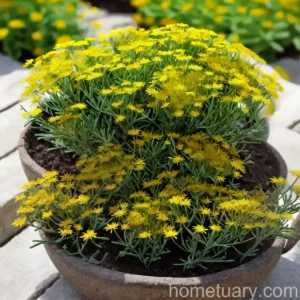
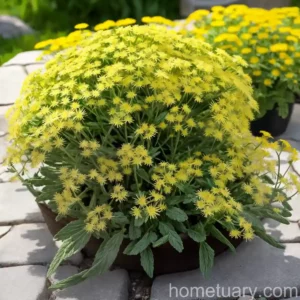
– Flowers: Small yellow flowers with a daisy-like appearance
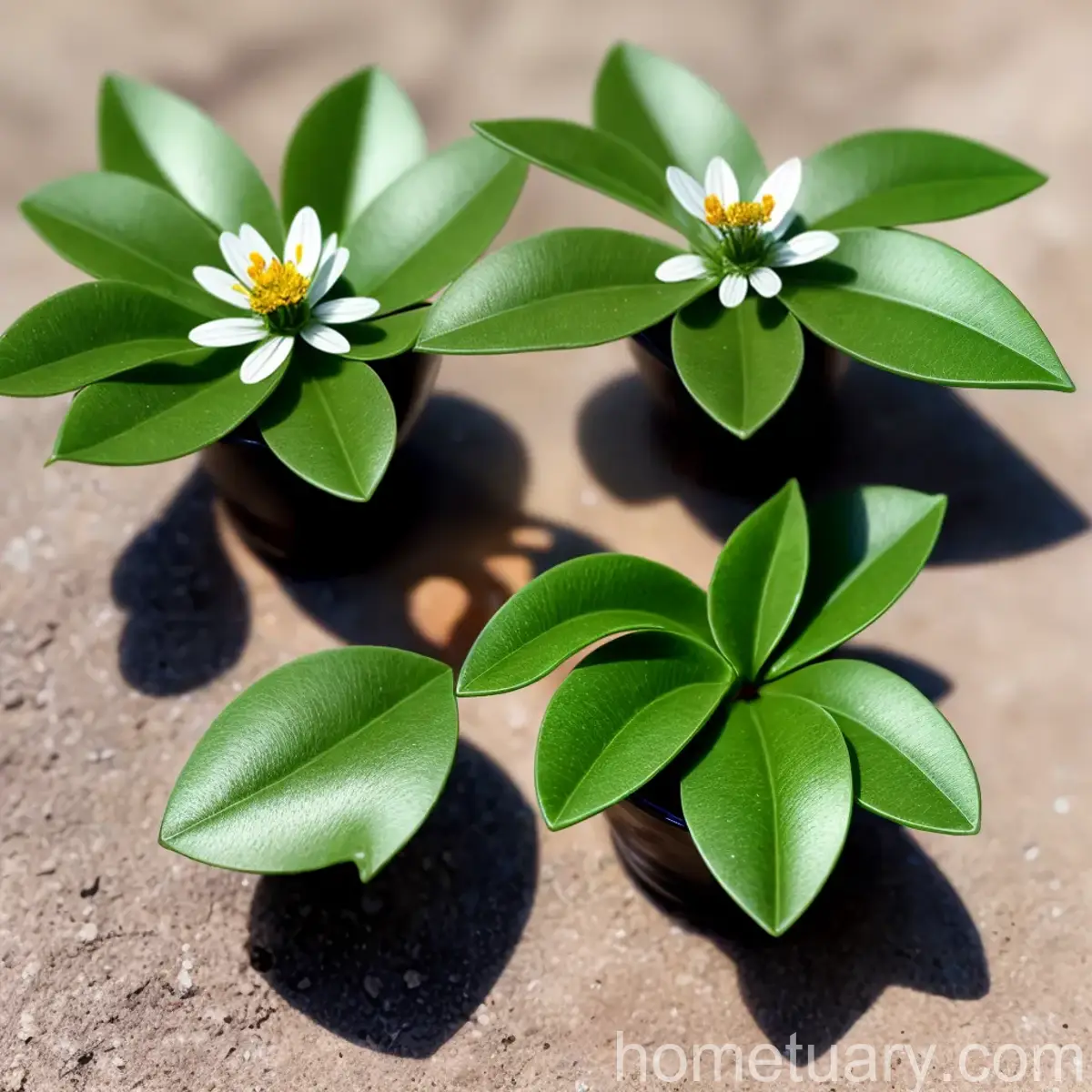
– Foliage: Large, heart-shaped leaves with serrated edges
– Habitat: Thrives in woodland edges, moist meadows, and stream banks
Small-flowered Leaf Cup Flower Structure
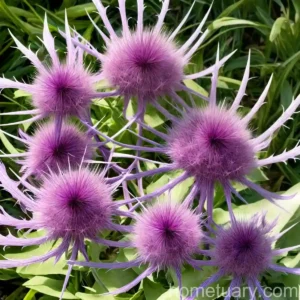
The elegant flowers of the small-flowered leaf cup are composed of numerous tiny yellow florets arranged in a compact cluster. This inflorescence creates an eye-catching display, drawing in pollinators and admirers alike.
Ecology and Conservation
Small-flowered Leaf Cup Habitat
Small-flowered leaf cup plants are predominantly found in rich, moist woods, along streams, and in open woodland areas. Their preference for such habitats makes them valuable contributors to the biodiversity of these ecosystems.
Polymnia canadensis Wildlife Interactions
The presence of small-flowered leaf cup in natural settings fosters diverse wildlife interactions. The nectar and pollen of its flowers attract bees, butterflies, and other pollinators, while the seeds serve as a food source for birds and small mammals.
Small-flowered Leaf Cup Conservation
While the conservation status of small-flowered leaf cup varies by region, it is generally considered to be stable. However, localized threats such as habitat loss and invasive species may impact its populations in certain areas.
Small-flowered Leaf Cup Ecology
Small-flowered leaf cup plays a significant role in its native ecosystems by providing food and habitat for various insects and animals. Its presence contributes to the overall ecological balance and enhances the visual appeal of natural landscapes.
Cultivation
Planting Small-flowered Leaf Cup
When considering the cultivation of small-flowered leaf cup, it is essential to create an environment that mimics its natural habitat. Here are some key factors to consider when cultivating this captivating wildflower:
Water
- Watering Needs: Moderate water requirements; thrives in moist, well-drained soil
- Irrigation: Regular watering, especially during dry spells, is crucial to supporting healthy growth and blooming
Sunlight
- Light Requirements: Prefers partial shade to full sun
- Optimal Conditions: Thrives in woodland or shaded garden settings with dappled sunlight
Soil
- Soil Type: Rich, humus-laden soil with good drainage
- pH Level: Slightly acidic to neutral soil pH
- Soil Amendments: Incorporating organic matter such as compost can enhance soil fertility and structure
Fertilizer
- Fertilization: Minimal fertilization requirements; an annual application of a balanced, organic fertilizer in early spring may be beneficial
Pruning
- Maintenance: Minimal pruning required; removal of dead or damaged foliage and flowers can promote tidy growth
Propagation and Container Cultivation
Propagation
Small-flowered leaf cup can be propagated through multiple methods, including:
– Seed Propagation: Collecting and sowing seeds in fall for germination the following spring
– Division: Dividing mature clumps in early spring to create new plants
Container Cultivation
While small-flowered leaf cup excels in naturalistic garden settings, it can also thrive in containers. When cultivating this wildflower in pots, consider the following tips:
– Container Size: Select a spacious container to accommodate the plant’s mature size
– Soil and Drainage: Use a well-draining potting mix and provide adequate drainage holes
– Watering: Monitor soil moisture closely, as containers may dry out more rapidly than garden beds
Uses
Medicinal Properties
Small-flowered leaf cup has historical significance in traditional medicine, particularly among Native American cultures. It is believed to possess various therapeutic properties and has been used in treatments related to:
– Respiratory Health: Historical use in addressing respiratory ailments and coughs
– Digestive Distress: Traditional remedies for digestive discomfort and soothing properties
– Topical Applications: External use for soothing skin irritations and minor wounds
Ornamental Value
Its charming flowers and lush foliage make small-flowered leaf cup a desirable addition to gardens and naturalistic landscapes. Its visual appeal and adaptability contribute to its popularity as an ornamental plant.
Pest Management and Disease Control
Common Diseases
While small-flowered leaf cup is generally resilient, it may be susceptible to certain diseases, including:
– Powdery Mildew: Fungal disease that manifests as powdery white patches on leaves
– Leaf Spot: Characterized by dark spots or lesions on foliage
– Root Rot: Excessive soil moisture can lead to root rot and plant decline
Disease Diagnosis
Regular monitoring for signs of disease, such as leaf discoloration, wilting, or unusual growth, can aid in early diagnosis and prompt intervention. Implementing cultural practices that promote plant health and vigor can mitigate disease susceptibility.
Common Pests
Small-flowered leaf cup may face minimal pest pressure, but occasional encounters with the following pests are possible:
– Aphids: Small, sap-sucking insects that may cluster on new growth
– Slugs and Snails: These mollusks can cause damage by feeding on foliage and flowers
Pest Management Strategies
Implementing integrated pest management (IPM) practices, including handpicking pests, applying insecticidal soap, or using physical barriers, can effectively manage pest issues while minimizing environmental impact.
Botanist’s Tips for Small-flowered Leaf Cup Care
- Naturalistic Plantings: Incorporate small-flowered leaf cup into naturalistic garden designs to emulate its native habitat.
- Companion Planting: Pair with shade-loving woodland plants such as ferns, astilbes, and epimediums to create visually appealing combinations.
- Wildlife Enhancement: Cultivate small-flowered leaf cup to attract pollinators and support local wildlife populations.
- Traditional Wisdom: Explore the historical uses of small-flowered leaf cup in traditional medicine and folklore for a deeper understanding of its cultural significance.
- Conservation Awareness: Stay informed about the conservation status of native plants and contribute to their preservation through responsible cultivation and habitat restoration efforts.
Small-flowered Leaf Cup – Fascinating Facts
Fun Facts
- Ethnobotanical Significance: Small-flowered leaf cup carries a rich history of traditional uses among various indigenous communities, serving as a symbol of cultural heritage and knowledge.
- Pollinator Magnet: The nectar-rich flowers of small-flowered leaf cup attract a diverse array of pollinators, contributing to the ecological vibrancy of its habitat.
- Conservation Considerations: Supporting native plant species such as small-flowered leaf cup in gardens and landscapes can play a vital role in preserving biodiversity and supporting ecosystem health.
Conclusion
Small-flowered leaf cup (Polymnia canadensis) stands as a testament to the captivating beauty and ecological value of North American wildflowers. Its cultural significance, medicinal history, and ornamental allure exemplify the multifaceted appeal of native plants in modern gardens and landscapes. By embracing the rich heritage and ecological benefits of small-flowered leaf cup, we can honor its legacy and contribute to the preservation of our natural heritage.
Join us in celebrating the splendor of small-flowered leaf cup, and explore the myriad ways to integrate this remarkable wildflower into your own botanical tapestry.
For further information and resources on small-flowered leaf cup and its cultivation, conservation, and ecological role, we invite you to explore the following external links:
- Lady Bird Johnson Wildflower Center – Polymnia canadensis
- USDA Plants Database – Polymnia canadensis
- University of Wisconsin-Madison Arboretum – Small-flowered Leaf Cup
- North Carolina State Extension – Small-Flower Leafcup
- Missouri Botanical Garden – Polymnia canadensis
We hope this guide has deepened your appreciation for small-flowered leaf cup and inspired you to explore its diverse facets in further detail. Embrace the beauty of native wildflowers and embark on a journey of discovery within the enchanting realm of small-flowered leaf cup.
Happy Gardening!