Christmas Fern (Polystichum Acrostichoides)
As a plant scientist, I am excited to share with you an in-depth guide about the Christmas fern (Polystichum acrostichoides). In this comprehensive blog.
Introduction
As a plant scientist, I am excited to share with you an in-depth guide about the Christmas fern (Polystichum acrostichoides). In this comprehensive blog post, we will explore the key characteristics, cultivation needs, propagation methods, common diseases, and pests, as well as interesting facts and folklore related to this native fern species. Whether you are a novice gardener or a seasoned landscaper, this guide will provide valuable insights into caring for and appreciating the Christmas fern.
What is the Christmas Fern (Polystichum acrostichoides)?
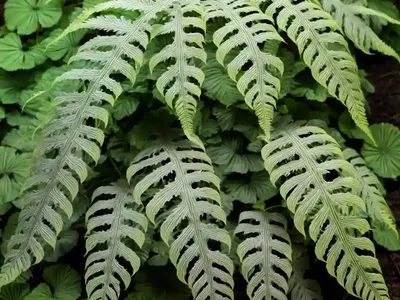
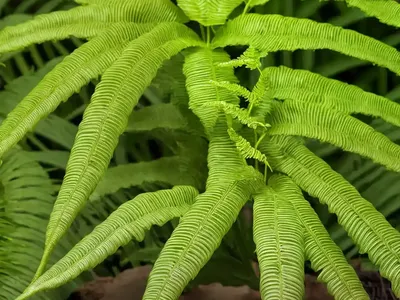
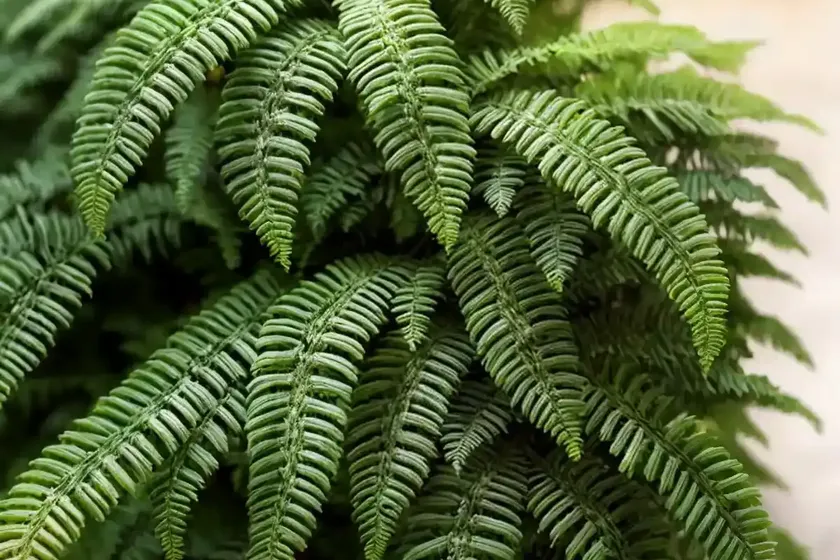
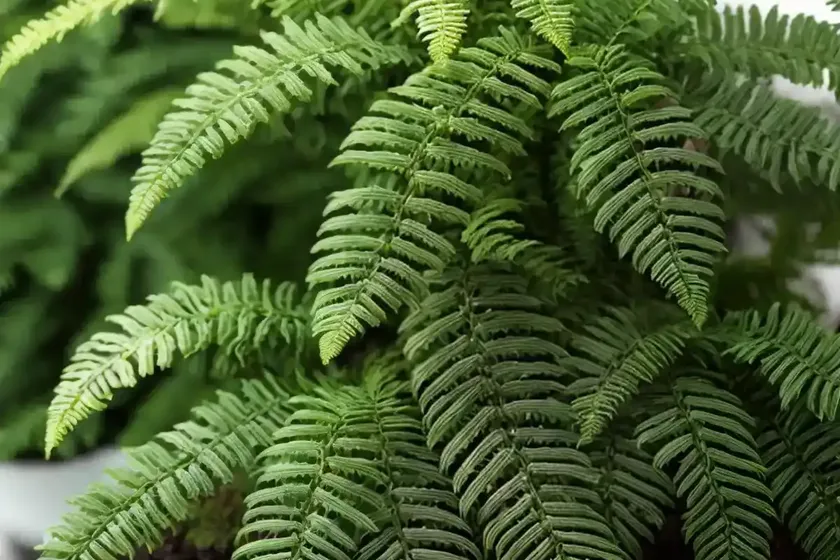
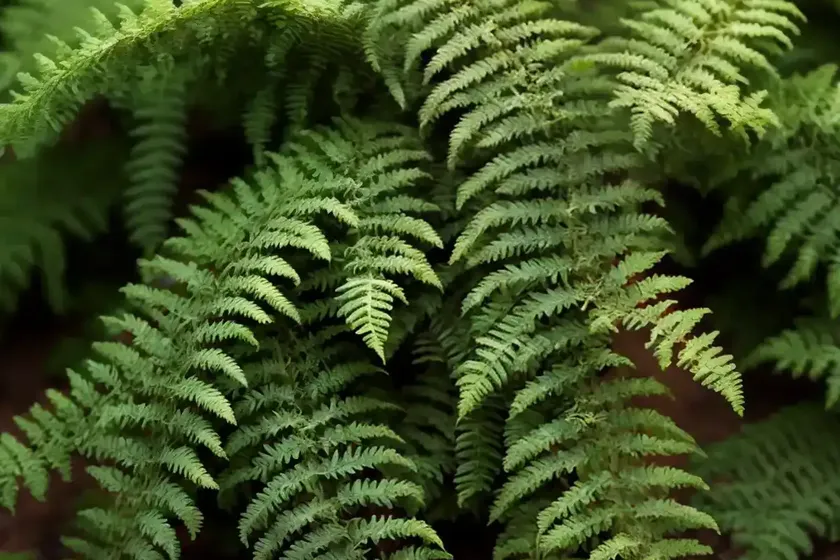
Vibrant and resilient, the Christmas fern (Polystichum acrostichoides) is a perennial evergreen fern native to the eastern regions of North America. This graceful fern is a member of the family Dryopteridaceae and is known for its distinctive fronds that bring a touch of elegance to shaded woodland gardens and natural landscapes.
The Christmas fern gets its name from the evergreen fronds which stay green throughout the winter season, making it a popular choice for holiday decorations. Its scientific name, Polystichum acrostichoides, reflects its taxonomy, with “Polystichum” signifying the many rows of sori on the underside of the fronds, and “acrostichoides” referencing its resemblance to members of the genus Acrostichum.
Key Takeaways – Christmas Fern (Polystichum acrostichoides)
Before delving into the details of Christmas fern care and cultivation, let’s summarize the key takeaways about this beautiful fern:
- Botanical Name: Polystichum acrostichoides
- Common Name: Christmas fern
- Family: Dryopteridaceae
- Foliage: Evergreen, glossy, dark green fronds
- Habit: Clump-forming, spreading by rhizomes
- Hardiness Zone: 3-9
- Growth Rate: Slow to moderate
- Mature Height: 1-2 feet
- Habitat: Native to eastern North America
- Uses: Ornamental landscaping, holiday decorations
- Ecological Importance: Provides habitat for wildlife, contributes to biodiversity
Now, let’s dive into the specifics of caring for and cultivating the Christmas fern.
Culture
Uses
The Christmas fern serves several purposes, making it a valuable addition to both natural and cultivated landscapes:
-
Ornamental Planting: With its evergreen fronds and graceful arching form, this fern is a popular choice for adding visual interest to shaded garden beds and woodland areas. It complements native plantings, rock gardens, and naturalistic landscapes, adding a touch of elegance to the surroundings.
-
Holiday Decor: Due to its evergreen nature and festive appearance, the Christmas fern is often used in holiday wreaths, floral arrangements, and other seasonal decorations. Its use in holiday crafts and centerpieces adds a natural and timeless appeal to festive settings.
-
Wildlife Habitat: In its natural habitat, the Christmas fern provides cover and foraging opportunities for various woodland creatures, including birds, insects, and small mammals. Its presence contributes to the overall biodiversity of the ecosystem.
Water
One of the notable characteristics of the Christmas fern is its adaptability to different moisture conditions. While it prefers consistently moist, well-draining soil, it can tolerate periods of drought once established. During the initial establishment phase, regular watering is essential to promote healthy root development. Once the fern shows signs of robust growth, it can withstand occasional dry spells. However, extended periods of drought should be avoided, as they can lead to wilting and diminished vitality.
Sunlight
The Christmas fern thrives in partially shaded to fully shaded locations, making it an excellent choice for gardens with limited direct sunlight. It is well-suited to woodland settings, north-facing slopes, and areas under the canopy of deciduous trees. Avoid exposing the fern to direct, intense sunlight, as this can lead to scorching of the fronds and loss of vigor. Consistent, filtered light promotes lush growth and maintains the deep green color of the fronds.
Fertilizer
As a low-maintenance plant, the Christmas fern has modest nutritional requirements. For healthy growth and optimum performance, apply a balanced, slow-release fertilizer in early spring, just as new growth begins to emerge. A complete, granular fertilizer with an N-P-K ratio of 10-10-10 or similar is suitable for supporting the fern’s nutrient needs. Avoid over-fertilization, as excessive nutrients can lead to rapid, weak growth and may disrupt the plant’s natural balance.
Soil
The Christmas fern thrives in organically rich, well-draining soil with a slightly acidic to neutral pH range. A loamy soil texture provides an ideal balance of water retention and aeration, supporting healthy root development and overall vigor. When planting or transplanting Christmas ferns, incorporate organic matter such as compost or peat moss into the soil to enhance its fertility and structure. This amendment improves moisture retention and ensures a favorable growing environment for the fern.
Pruning
Minimal pruning is required for the Christmas fern, as it maintains an attractive form and appearance without frequent intervention. Removal of old or damaged fronds can be done in late winter or early spring to tidy up the plant and encourage fresh growth. Use clean, sharp pruners to carefully trim the fronds at the base, taking care not to damage the emerging fiddleheads. Pruning is also an opportunity to monitor the fern for signs of pests or diseases, promoting overall plant health and vitality.
Propagation
Propagating the Christmas fern can be achieved through several methods, including division, spore propagation, and rhizome cuttings. Each technique offers unique advantages and can be employed based on the preferences and resources available to the gardener. Here are the primary methods of propagating the Christmas fern:
-
Division: In early spring, before new growth appears, mature Christmas ferns can be divided by carefully separating the clumps into smaller sections. Each division should contain healthy roots and several crowns to ensure successful establishment. Replant the divisions in suitable locations, ensuring adequate moisture and protection from direct sunlight.
-
Spore Propagation: For experienced gardeners and enthusiasts, spore propagation offers a fascinating way to propagate Christmas ferns. Collect mature fronds with sori (spore-bearing structures) and allow the spores to mature and disperse in a controlled environment. Sow the spores on a suitable germination medium and provide optimal conditions for spore germination and subsequent growth.
-
Rhizome Cuttings: Select healthy, vigorous rhizomes from established Christmas ferns and carefully divide them into individual sections, each with viable roots and fronds. Plant the rhizome cuttings at the appropriate depth, ensuring good soil contact and adequate moisture for successful establishment.
Container Popularity
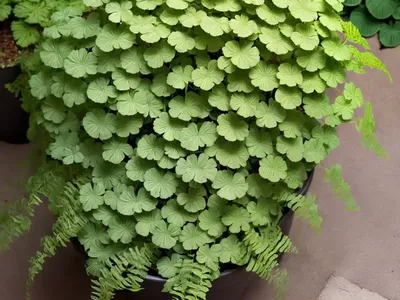
While the Christmas fern is primarily grown in garden beds and naturalized settings, it can also thrive in containers and planters. This versatility makes it an excellent choice for adding greenery to shaded patios, balconies, and outdoor living spaces. When grown in containers, the fern requires well-draining potting mix, consistent moisture, and appropriate protection from harsh environmental conditions. Choose a container with drainage holes to prevent waterlogging, and ensure adequate space for the fern to spread and develop its root system.
Common Diseases
Like many fern species, the Christmas fern is susceptible to certain diseases and environmental stressors that can affect its growth and appearance. Understanding these common ailments and their associated symptoms is crucial for implementing timely management strategies and ensuring the long-term health of the fern. Some of the common diseases and issues that may impact Christmas ferns include:
-
Leaf Spot: Characterized by the presence of small, dark spots on the fronds, leaf spot is often caused by fungal pathogens. Overhead irrigation and prolonged leaf wetness can exacerbate this condition, leading to widespread foliar damage. Proper spacing, adequate airflow, and avoiding overhead watering can reduce the risk of leaf spot.
-
Rust: Rust diseases, caused by various fungal pathogens, manifest as yellow, orange, or brown spots on the undersides of the fronds. These spots may release powdery spores, contributing to the spread of the disease. Rust can weaken the fern and affect its overall vigor. Fungicidal treatments may be warranted in severe cases of rust infestation.
-
Root Rot: Excessive soil moisture and poorly drained conditions can lead to root rot, a fungal disease that affects the roots of the fern. As the disease progresses, the fern may exhibit wilting, yellowing fronds, and overall decline. Improving soil drainage, adjusting watering practices, and using well-draining potting mix in containers can mitigate the risk of root rot.
-
Powdery Mildew: Powdery mildew, characterized by a white, powdery growth on the fronds, can occur in humid or poorly ventilated environments. Increasing air circulation, avoiding overcrowding of plants, and maintaining moderate humidity levels can help prevent powdery mildew outbreaks.
Disease Diagnosis
Diagnosing diseases affecting Christmas ferns involves careful observation of the plant’s symptoms, as well as an understanding of the environmental conditions and cultural practices that may contribute to disease development. Here are some key considerations for accurate disease diagnosis and effective management:
-
Symptom Identification: Carefully examine the fronds, roots, and overall appearance of the fern to identify any abnormalities, discoloration, or lesions. Record the specific characteristics of the symptoms, including color, pattern, and distribution, to aid in accurate diagnosis.
-
Cultural Practices: Evaluate the watering regimen, soil conditions, and light exposure to assess whether any cultural factors may be contributing to the onset of the disease. Addressing underlying cultural issues can help prevent future occurrences of the disease.
-
Environmental Conditions: Consider the prevailing environmental factors, such as humidity levels, air circulation, and temperature fluctuations, as these can influence disease development. Creating a favorable microclimate for the fern can limit the impact of environmental stressors.
-
Pathogen Identification: If the symptoms persist or worsen, consider seeking assistance from a plant pathology expert or diagnostic laboratory to identify the specific pathogen causing the disease. Accurate pathogen identification is crucial for implementing targeted treatment strategies.
Common Pests
While the Christmas fern is relatively resistant to pest infestations, it may occasionally attract certain insect pests that can compromise its health and appearance. Vigilant monitoring and proactive pest management measures can help safeguard the fern from pest-related damage. Some of the common pests that may affect Christmas ferns include:
-
Spider Mites: These tiny arachnids can infest the fronds of the fern, causing stippling, webbing, and reduced vigor. Spider mites thrive in hot, dry conditions and can rapidly multiply under favorable environmental circumstances. Regularly inspect the fronds for signs of mite activity and intervene promptly if infestations are detected.
-
Slugs and Snails: These mollusks are known for feeding on the tender fronds of ferns, leaving behind irregular holes and ragged edges. Slugs and snails are particularly active in moist, shaded environments and can be deterred through physical barriers, baits, and cultural practices aimed at reducing their populations.
-
Scale Insects: Scale insects, including armored and soft scales, can attach themselves to the fronds and stems of Christmas ferns, feeding on plant sap and secreting sticky honeydew. Infestations of scale insects can weaken the fern and lead to stunted growth. Targeted applications of horticultural oil or insecticidal soap can help manage scale populations effectively.
-
Fern Caterpillars: Certain species of caterpillars may feed on the fronds of ferns, causing visible damage and defoliation. Proactive monitoring and manual removal of caterpillars can help minimize their impact on the Christmas fern.
Botanist’s Tips
As a botanist specializing in ferns and native plant species, I have compiled a set of essential tips and recommendations for cultivating and appreciating the Christmas fern. These insights are based on scientific knowledge and practical experience, aiming to assist gardeners, landscapers, and nature enthusiasts in successfully integrating the Christmas fern into their natural surroundings. Here are some invaluable botanist’s tips for cultivating Christmas ferns:
-
Native Planting: Embrace the natural beauty and ecological significance of the Christmas fern by incorporating it into native plantings and woodland restoration projects. Its resilience, adaptability, and value to wildlife make it an asset in efforts to strengthen local biodiversity.
-
Understory Charm: Take advantage of the Christmas fern’s affinity for shaded environments by using it to enhance the understory of wooded landscapes. By pairing it with other native shade-loving plants, such as wild ginger, Virginia bluebells, and foamflower, you can create enchanting woodland scenes with a diverse array of textures and colors.
-
Seasonal Elegance: Capitalize on the evergreen nature of the Christmas fern by using it in seasonal decorations and holiday arrangements. Its deep green fronds provide a timeless and versatile element that can be woven into wreaths, garlands, and festive displays, evoking the spirit of the winter season.
-
Habitat Enhancement: Recognize the role of the Christmas fern in providing habitat for wildlife, and seek to create environments that support its ecological contributions. Incorporating native ferns and companion plants that attract pollinators, birds, and beneficial insects can foster a thriving ecosystem within the garden or natural landscape.
-
Educational Outreach: Share the story of the Christmas fern with others, promoting awareness of its ecological importance, cultural significance, and botanical features. Engage in educational endeavors that highlight the value of native plants and the role they play in sustaining healthy ecosystems.
Fun Facts
Discovering intriguing and lesser-known facts about the Christmas fern adds depth to the appreciation of this remarkable native plant. From its historical uses to its valuable ecological contributions, the following fun facts shed light on various aspects of the Christmas fern:
-
Historical Lore: In traditional folklore, the Christmas fern was attributed with protective and medicinal properties. It was believed to bring good fortune and ward off evil spirits when placed near the entrance of a home, making it a cherished component of seasonal decorations and rituals.
-
Ecological Significance: Christmas ferns serve as important host plants for butterfly and moth larvae, providing food and shelter for these delicate creatures during their developmental stages. By supporting native insect populations, the fern contributes to the complex web of life in natural ecosystems.
-
Native American Uses: Native American tribes valued the Christmas fern for its diverse utility, utilizing its fronds for basketry, thatching, and medicinal purposes. The fern’s resilience and prevalence in wooded areas made it a readily available resource for various cultural practices.
-
Winter Foraging: In certain regions, the fiddleheads of the Christmas fern are harvested in early spring and used in culinary preparations as a seasonal delicacy. Their unique flavor and texture make them a sought-after ingredient in traditional cuisines.
-
Botanical Resilience: The adaptability of the Christmas fern allows it to thrive in diverse environments, from deep woodland shade to rocky hillsides. Its ability to persist through the winter months, retaining its verdant fronds, serves as a symbol of endurance and resilience.
Links to External Resources
For further exploration of fern care tips, native fern species, and holiday-themed botanical topics, I recommend consulting the following external resources:
- American Fern Society – https://www.amerfernsoc.org/
- University of Florida IFAS Extension – “Ferns and Allies” – https://edis.ifas.ufl.edu/topic_ferns_and_allies
- The Native Plant Trust – “Gardening with Native Plants” – https://www.nativeplanttrust.org/what-we-do/gardening-with-native-plants/
- The Morton Arboretum – “Plant Clinic” – https://www.mortonarb.org/visit-explore/education-engagement/plant-clinic
- The Spruce – “Winter Landscaping Ideas” – https://www.thespruce.com/winter-landscaping-ideas-4173894
- Missouri Botanical Garden – “Plant Finder” – https://www.missouribotanicalgarden.org/plantfinder
Incorporating these resources into your research and exploration will provide valuable insights and support for your journey into the world of ferns, native plants, and seasonal gardening.
Conclusion
In this comprehensive guide, we have delved into the captivating world of the Christmas fern (Polystichum acrostichoides), exploring its cultural significance, ecological contributions, and ornamental value. By understanding its native habitat, cultivation needs, and unique characteristics, we can cultivate a deeper appreciation for this timeless fern and its role in both natural and designed landscapes.
As a plant scientist and advocate for native plant conservation, it is my hope that this guide has offered practical insights, inspiring ideas, and an enduring appreciation for the Christmas fern. By incorporating this resilient and elegant fern into our gardens, landscapes, and seasonal décor, we celebrate its rich heritage and contribute to the preservation of native plant species for future generations to enjoy.
Remember to share the knowledge and beauty of the Christmas fern with others, fostering a deeper connection to the natural world and the remarkable diversity of plant life that enriches our surroundings.
Happy gardening, and may the enduring presence of the Christmas fern bring timeless elegance to your seasonal celebrations and everyday landscapes.