Sloe (Prunus Spinosa)
Prunus spinosa, commonly known as Sloe, is an intriguing shrub that has been deeply intertwined with human culture and the natural world for centuries..
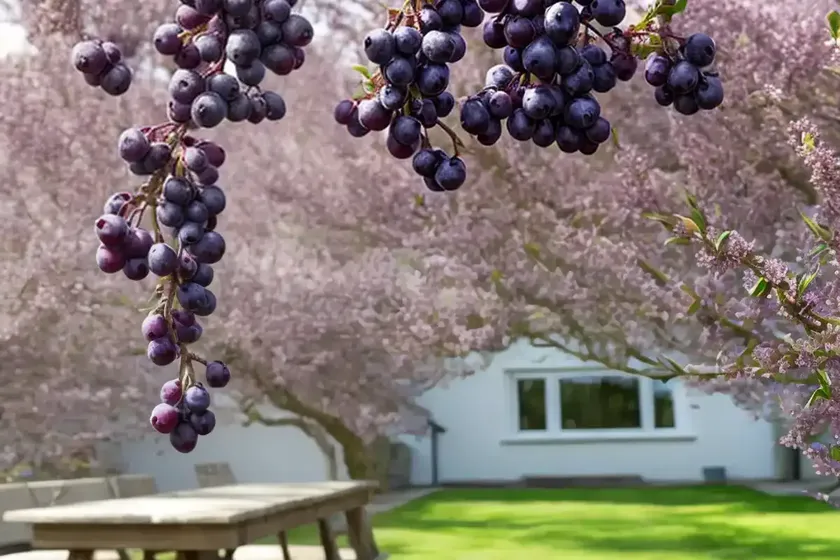
Prunus spinosa, commonly known as Sloe, is an intriguing shrub that has been deeply intertwined with human culture and the natural world for centuries. This article will delve into the various aspects of this remarkable plant, including its characteristics, cultivation, uses, folklore, and much more. As a plant scientist with a passion for exploring the wonders of the botanical world, I am thrilled to take you on a journey to uncover the captivating allure of Prunus spinosa.
What is Sloe (Prunus spinosa)?
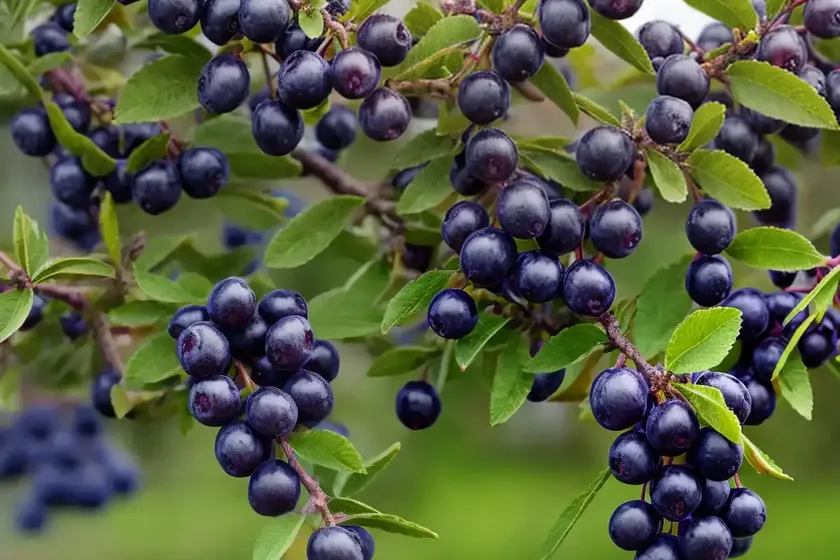
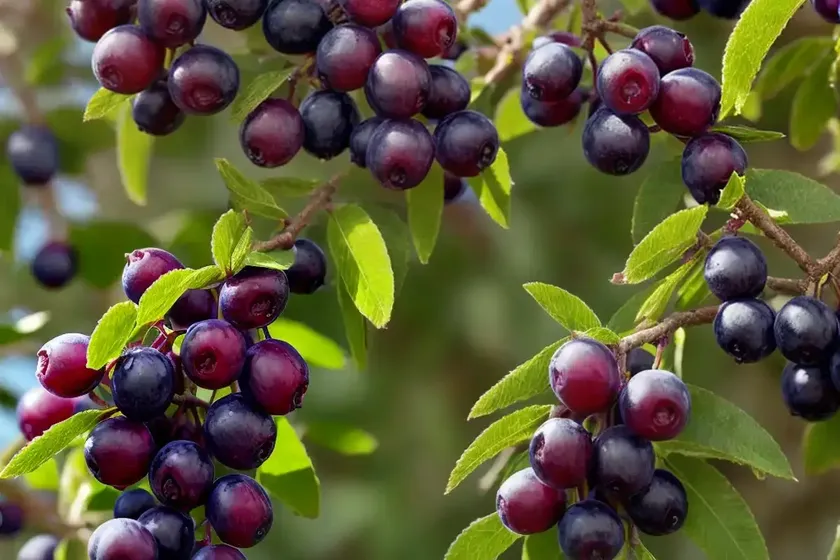
Sloe, scientifically named Prunus spinosa, is a deciduous shrub belonging to the Rosaceae family. It is native to Europe, western Asia, and parts of northern Africa, where it thrives in diverse habitats, including woodlands, hedges, and scrublands. Prunus spinosa is renowned for its distinctive dark fruits, which are commonly referred to as sloes.
The shrub typically reaches a height of 2-4 meters and is adorned with thorny branches, creating a dense and impenetrable thicket in its natural environment. Its small, white flowers bloom in early spring, providing an enchanting spectacle of delicate blossoms. As the seasons progress, these blooms give way to the formation of the characteristic deep blue to black sloe fruits, which ripen in the autumn.
Let’s begin our deep dive into the world of Sloe by exploring its key characteristics and the cultural significance it holds.
Key Takeaways – Sloe (Prunus spinosa)
Before delving into the specific aspects of Sloe, let’s highlight some key takeaways about this fascinating plant:
- Scientific Name: Prunus spinosa
- Common Names: Sloe, Blackthorn
- Habitat: Native to Europe, western Asia, and parts of northern Africa
- Characteristic Feature: Small, dark blue to black fruit known as sloe
- Cultural Significance: Deeply woven into human folklore, traditional medicinal uses, and culinary practices
- Growth Habit: Deciduous shrub with thorny branches
- Blooming Season: Early spring, with white flowers
- Ripening of Fruits: Sloe fruits ripen in the autumn, adding a splash of color to the landscape
Now that we have a snapshot of the salient features, let’s embark on a comprehensive exploration of Sloe, encompassing its cultural significance, uses, habitat preferences, care requirements, and much more.
Culture
The cultural significance of Sloe transcends geographical boundaries and historical epochs, weaving its way through folklore, traditional medicine, and culinary traditions. Let’s delve into the multifaceted cultural context of this remarkable plant.
Folklore and Symbolism
Prunus spinosa holds a prominent place in folklore and mythology across different cultures. In European folklore, the thorns of the blackthorn were believed to have protective qualities, warding off evil spirits. The association of Sloe with protection is evident in its traditional use as a component of ‘hedge laying’, where it formed impenetrable barriers for livestock and security.
In Irish folklore, the blackthorn tree is associated with the dark fairy queen, the Cailleach. It was believed that cutting or harming a blackthorn tree would invite the wrath of the Cailleach and bring misfortune. The symbolic significance of Sloe as a protector and a mystical entity underlines its deep-rooted presence in the collective imagination of different cultures.
Medicinal Uses and Folk Remedies
The historical uses of Sloe in traditional medicine are varied and extensive. The fruits were traditionally employed to make potent remedies, particularly in the form of sloe gin or sloe wine, which were believed to possess medicinal properties. Sloe-based preparations were often used as tonics and were reputed to invigorate and fortify the body during the winter months.
Furthermore, the astringent properties of Sloe were leveraged in traditional herbal medicine to address conditions such as diarrhea and sore throat. The fruits were also used in dyeing, yielding hues of purple and blue.
Culinary Uses
Sloe has also carved a niche for itself in the culinary domain. The fruits, though extremely tart when raw, undergo a transformation when used in the production of sloe gin and other liqueurs. The infusion of sloes with alcohol results in a delectable beverage that is traditionally enjoyed during the festive season. Additionally, the fruits are used to make jams, jellies, and even sloe-flavored chocolates, delighting taste buds with their unique flavor profile.
Now that we have glimpsed into the rich cultural tapestry of Sloe, let’s proceed to uncover its specific cultivation requirements and care guidelines.
Uses
The uses of Sloe extend beyond cultural and folklore realms, encompassing practical applications in hedgerow management, wildlife habitat provision, and culinary pursuits. Here’s a comprehensive overview of the diverse uses of Prunus spinosa:
-
Hedgerow Construction: Sloe is valued for its thorny, dense growth habit, making it an excellent choice for hedgerow construction. It provides effective barriers for livestock and serves as a wildlife-friendly boundary, offering shelter and nesting sites for numerous species.
-
Wildlife Habitat: The dense and thorny structure of Sloe provides refuge for various wildlife species. Birds, in particular, are drawn to the shrub, seeking shelter and nesting opportunities within its protective canopy. The fruits of Sloe serve as a valuable food source for birds and small mammals, contributing to the ecological balance of the surrounding habitat.
-
Culinary Delights: Sloe fruits, though astringent when fresh, are transformed into delightful culinary creations when used in the production of sloe gin, jams, jellies, and other confections. The unique tartness of the fruits adds a distinctive flavor to these preparations, making them sought-after delicacies.
-
Traditional Medicine: Historically, the fruits of Sloe have been used in traditional medicine for their astringent and tonic properties. While modern medical practices have evolved, the cultural and traditional significance of Sloe in herbal medicine continues to resonate in certain communities.
Water
The water requirements of Prunus spinosa are typically moderate, with a preference for well-drained soils. During the establishment phase, regular watering is essential to ensure that the young shrubs develop robust root systems. Once established, Sloe is relatively resilient to periods of moderate drought, though it benefits from occasional deep watering during extended dry spells.
Sunlight
Sloe thrives in full sun to partial shade, displaying a remarkable adaptability to varying light conditions. When grown in full sun, the shrub tends to exhibit optimal growth and fruit production. However, it can also tolerate partial shade, making it a versatile option for different planting locations.
Fertilizer
Sloe generally does not require heavy fertilization and can thrive in nutrient-poor soils. However, if the soil is particularly impoverished or if there are signs of nutrient deficiency, a balanced fertilizer application in the early spring can bolster the growth and vitality of the shrub. It is important to avoid excessive nitrogen fertilization, as it can lead to excessive vegetative growth at the expense of fruit production.
Soil
Sloe demonstrates a degree of adaptability to various soil types, ranging from loamy to sandy soils. However, it shows a preference for well-drained soils and is susceptible to waterlogged conditions. A neutral to slightly acidic soil pH in the range of 6.5 to 7.5 is conducive to the healthy growth of Prunus spinosa. Prior to planting, it is advisable to amend the soil with organic matter to improve its structure and fertility.
Pruning
Pruning of Sloe is typically carried out during the late winter or early spring when the shrub is in a dormant state. The objectives of pruning include the removal of dead, diseased, or damaged wood, shaping the shrub to maintain a desired form, and encouraging vigorous fruiting.
Young plants may require formative pruning to establish a well-balanced structure, while mature shrubs benefit from regular maintenance pruning to remove overly vigorous growth and maintain an open canopy. It is crucial to handle the thorny branches carefully, employing appropriate pruning tools and techniques to avoid injury.
Propagation
The propagation of Prunus spinosa can be achieved through various methods, including seed sowing, hardwood cuttings, and layering. Each propagation technique offers unique advantages and requires specific conditions to ensure successful establishment.
-
Seed Sowing: Sloe seeds can be collected from ripe fruits and sown in the fall after undergoing a period of cold stratification. Germination can be erratic, and it may take several months for the seeds to sprout. Once the seedlings have developed, they can be transplanted to their permanent growing locations.
-
Hardwood Cuttings: Hardwood cuttings taken from healthy, vigorous shoots can be prepared during the dormant season and planted in a prepared nursery bed or container. The cuttings require a period of dormancy and root development before they can be transplanted to their final growing sites.
-
Layering: This method involves encouraging a low-hanging branch to come into contact with the soil, where it develops roots. Once sufficient roots have formed, the rooted portion of the branch can be separated from the mother plant and transplanted.
Container Popularity
Growing Sloe in containers is a feasible option for individuals with limited garden space or those seeking to establish a portable hedge or boundary. Sizable containers with adequate drainage are essential for accommodating the extensive root system of Prunus spinosa. Container-grown Sloe can be positioned on patios, balconies, or small gardens, offering the aesthetic appeal of the shrub and the potential for fruit production in a confined space.
Common Diseases
Sloe, like many plants, is susceptible to certain diseases that can impact its overall health and vigor. Understanding the common diseases affecting Prunus spinosa and implementing appropriate preventive measures is crucial for maintaining its well-being. Some of the prevalent diseases that may afflict Sloe include:
-
Silver Leaf: This fungal disease, caused by the pathogen Chondrostereum purpureum, results in the characteristic silvery discoloration of the leaves and can lead to dieback of affected branches. Pruning infected wood and promoting overall plant health through proper cultural practices are crucial for managing this disease.
-
Fire Blight: While primarily affecting ornamental and fruiting pear and apple trees, fire blight, caused by the bacterium Erwinia amylovora, can also impact members of the Rosaceae family, including Sloe. The disease manifests as blackened, wilting shoots and can result in severe damage if left unchecked.
-
Canker Diseases: Various canker-causing fungi can target the branches and stems of Sloe, leading to the development of sunken lesions and dieback. Pruning to remove affected wood and promoting good air circulation around the plant can aid in preventing the spread of canker diseases.
Disease Diagnosis
The diagnosis of diseases affecting Sloe involves a systematic examination of the plant’s symptoms, coupled with an understanding of prevalent diseases and their causal agents. For accurate disease diagnosis, it is advisable to consult with experienced horticulturists, plant pathologists, or agricultural extension services. Diagnostic tools such as laboratory testing and visual inspection of symptomatic plant material are essential for confirming disease presence and formulating targeted management strategies.
Common Pests
In addition to diseases, Sloe may also encounter challenges posed by various pests that can compromise its vitality and yield. Awareness of common pests and their associated damage symptoms is pivotal in implementing timely pest management measures. Some of the prevalent pests that may target Prunus spinosa include:
-
Aphids: These sap-feeding insects can cluster on the tender shoot tips and undersides of leaves, causing distortion and stunted growth. Natural predators and horticultural oils can offer effective control of aphid populations.
-
Fruit Flies: The adult flies of certain species, such as the plum fruit moth, can lay their eggs on Sloe fruits, leading to the infestation of the developing fruits. Monitoring for pest activity and employing pheromone traps can aid in managing fruit fly populations.
-
Leafrollers: The larvae of leafrolling moths can feed on the foliage of Sloe, rolling leaves and encapsulating themselves within, resulting in unsightly damage. Pruning and destroying affected leaves and employing biological control agents can assist in mitigating leafroller infestations.
Botanist’s Tips
As a plant scientist deeply enamored with the captivating allure of Prunus spinosa, I offer the following tips for enthusiasts seeking to cultivate and appreciate Sloe in their own gardens or natural spaces:
-
Cultural Significance: Embrace the cultural and historical significance of Sloe by exploring its folklore, traditional uses, and the role it plays in the ecological tapestry.
-
Habitat Management: Consider incorporating Sloe into hedgerow and boundary plantings to enhance wildlife habitat and bolster the aesthetic appeal of the landscape.
-
Pruning Caution: Exercise caution and use appropriate protective gear when undertaking pruning activities due to the thorny nature of Sloe branches.
-
Disease Vigilance: Vigilantly monitor for signs of common diseases and pests, promptly addressing any issues to safeguard the health of Prunus spinosa.
-
Culinary Exploration: Delight in the culinary potential of sloe fruits by experimenting with recipes for sloe gin, jams, and other delectable creations.
Fun Facts
Uncovering the unique and intriguing facets of Sloe adds another layer of appreciation for this exceptional plant. Here are some fun and fascinating facts about Prunus spinosa:
-
Historical Significance: Sloe has been an integral component of traditional hedgerow management in Europe for centuries, contributing to the iconic landscape of the countryside.
-
Wildlife Haven: The thorny thickets of Sloe serve as important wildlife corridors, offering shelter, foraging opportunities, and nesting sites for an array of species.
-
Culinary Renaissance: The resurgence of interest in foraging and traditional food practices has led to a renewed appreciation for the culinary potential of sloe fruits, resulting in a resurgence of sloe gin and other concoctions.
-
Mystical Associations: The folklore and mystical associations of Sloe underscore its enduring presence in the narratives and beliefs of diverse cultures, adding an aura of mystique to this humble shrub.
As we round off our exploration of Sloe, I invite you to continue uncovering the multifaceted dimensions of this remarkable plant.
Links to External Resources
For further insights into Prunus spinosa and its various aspects, the following links to external resources provide valuable information and perspectives:
- Royal Horticultural Society – Prunus spinosa
- Woodland Trust – Blackthorn
- The Wildlife Trusts – Sloe
- Plants for a Future – Prunus spinosa
By delving into these resources, you can gain a deeper understanding of Prunus spinosa and its diverse dimensions.
As we draw to a close, I hope this comprehensive guide has provided a nuanced insight into the captivating world of Sloe, illuminating its cultural significance, uses, care requirements, and historical resonance. Whether it is as a wildlife haven, a culinary muse, or a timeless symbol in folklore, Sloe continues to enchant and inspire, weaving its timeless tale through the fabric of human experience and the natural world.


