Skimmia (Skimmia Japonica)
Skimmia japonica, commonly known as skimmia, is a stunning evergreen shrub often prized for its glossy green foliage, fragrant flowers, and colorful.
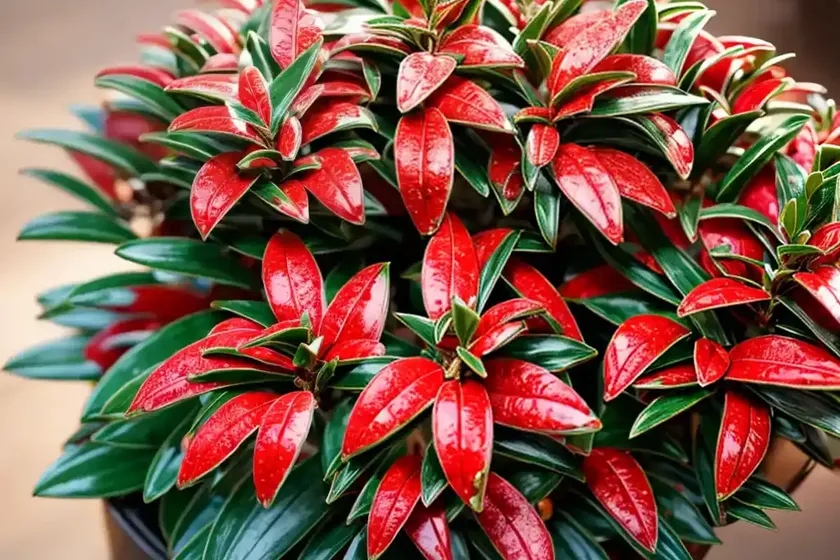
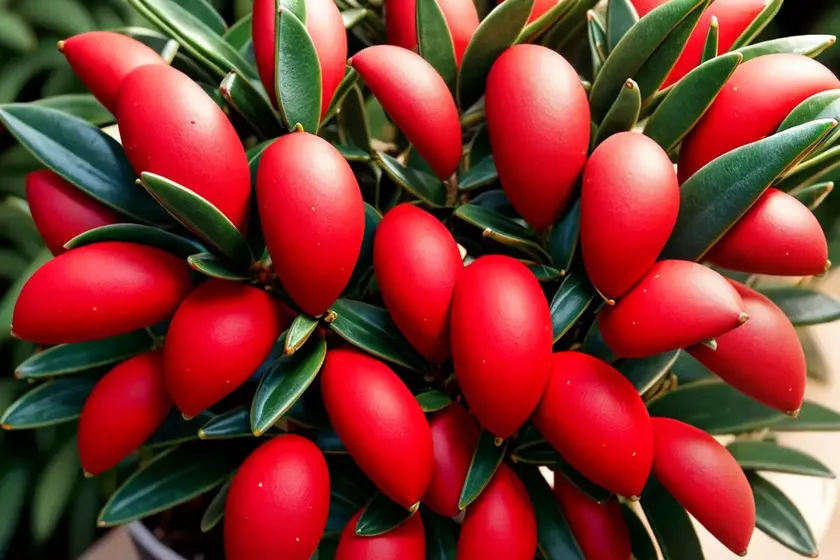
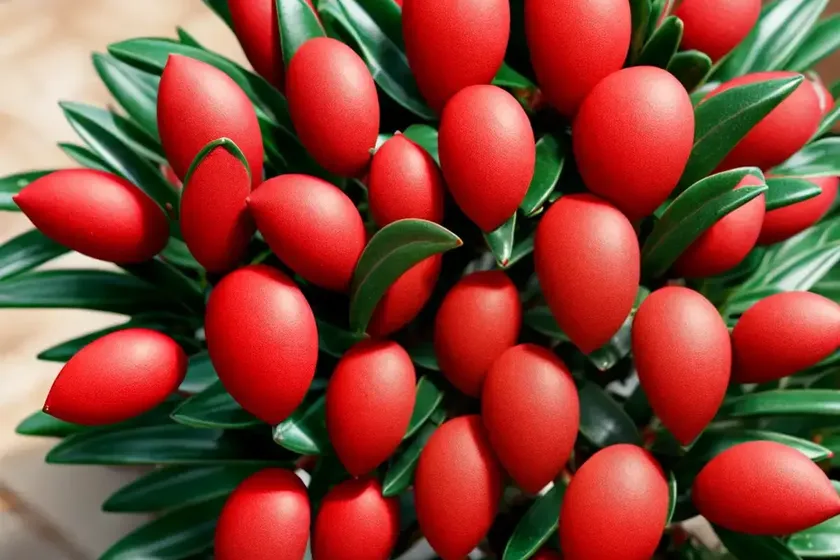
Skimmia japonica, commonly known as skimmia, is a stunning evergreen shrub often prized for its glossy green foliage, fragrant flowers, and colorful berries. As a prominent plant scientist with a passion for horticulture, I am delighted to shed light on the captivating world of Skimmia japonica. Throughout this extensive guide, we will delve into the various aspects of this enchanting plant, including its culture, uses, maintenance, and much more. Whether you’re a seasoned gardener, a nature enthusiast, or simply appreciate the beauty of plants, this comprehensive exploration of Skimmia japonica aims to captivate and educate.
What is Skimmia japonica?
Skimmia japonica, a member of the Rutaceae family, is a species of flowering plant native to Japan, China, and Southeast Asia. It is known for its vibrant, year-round foliage and its ability to produce fragrant flowers and showy berries. With its compact growth habit and ornamental appeal, Skimmia japonica has gained popularity as an evergreen shrub in gardens, landscapes, and containers.
Key Takeaways – Skimmia japonica
Before delving into the specific aspects of Skimmia japonica, let’s explore the key takeaways that distinguish this plant and contribute to its allure.
-
Evergreen Foliage: Skimmia japonica boasts glossy, leathery leaves that retain their vibrant green color throughout the year, providing year-round visual interest.
-
Fragrant Flowers: The plant produces clusters of small, fragrant white or pink flowers, typically in late winter or early spring, adding a delightful sensory aspect to its appeal.
-
Colorful Berries: Following the flowering period, Skimmia japonica develops striking red berries on female plants, enhancing the ornamental value and attracting wildlife.
-
Compact Growth: With its dense, compact growth habit, Skimmia japonica is well-suited for use as a border plant, in containers, or as a standalone ornamental specimen.
-
Low Maintenance: This species is relatively low-maintenance, making it an excellent choice for both experienced and novice gardeners seeking a visually striking yet undemanding plant.
Now that we have a foundational understanding of Skimmia japonica, it’s time to delve into the finer details of its culture, uses, and maintenance.
Culture
Understanding the cultural requirements of Skimmia japonica is essential for ensuring its optimal growth and performance in various settings. From the ideal environmental conditions to its preferred soil type, the following aspects contribute to the successful cultivation of Skimmia japonica.
Water
When it comes to watering Skimmia japonica, it is crucial to maintain a balance, providing adequate moisture without waterlogging the soil. Here are the key points to consider regarding watering:
-
Establishment: Newly planted Skimmia japonica should be watered regularly to support root establishment. This is particularly important during dry spells or the initial phases following planting.
-
Mature Plants: Once established, the plant generally exhibits good drought tolerance. However, during prolonged dry periods, it is essential to provide supplemental watering to prevent excessive stress.
-
Avoid Waterlogging: While Skimmia japonica appreciates regular moisture, it is crucial to ensure that the soil is well-draining to avoid waterlogged conditions, which can lead to root rot and other issues.
Sunlight
Skimmia japonica thrives in partially shaded or dappled sunlight conditions. Here are essential considerations regarding sunlight requirements:
-
Shade Tolerance: This species has a notable tolerance for shade, making it well-suited for planting in areas with partial shade or filtered sunlight.
-
Avoid Direct Sun: While Skimmia japonica can tolerate some morning sun, it generally prefers to be shielded from intense, direct sunlight, especially during the hottest part of the day.
-
Indoor Consideration: If grown as a container plant, it is essential to provide bright, indirect light when kept indoors, ensuring adequate exposure to natural light.
Fertilizer
Proper fertilization is key to supporting the health and vigor of Skimmia japonica. Consider the following guidelines for effectively fertilizing this plant:
-
Balanced Fertilizer: Use a balanced, slow-release fertilizer formulated for acid-loving plants. This can be applied in spring as new growth emerges, ensuring a steady supply of essential nutrients.
-
Avoid Excess Nitrogen: While nitrogen is crucial for foliage growth, excessive nitrogen levels can lead to lush but susceptible new growth, making the plant more prone to disease and pest infestations.
-
Avoid High Phosphorus: As Skimmia japonica prefers slightly acidic soil, it is essential to avoid excessive phosphorus in the fertilizer, as this can disrupt the pH balance of the soil.
Soil
The choice of soil and its properties significantly influences the overall health and growth of Skimmia japonica. Here’s what you need to know about soil considerations for this plant:
-
Well-Draining Soil: Skimmia japonica thrives in humus-rich, well-draining soil. It is crucial to ensure that the soil provides good drainage to prevent waterlogging, especially in areas with high rainfall.
-
Acidic pH: This species prefers slightly acidic soil with a pH range between 5.0 and 6.5. Amending the soil with organic matter can help maintain the desired acidity level.
-
Mulching: Applying a layer of organic mulch around the base of Skimmia japonica can help conserve soil moisture, suppress weed growth, and contribute to the gradual improvement of soil structure.
Pruning
Pruning is an essential aspect of maintaining the form and vitality of Skimmia japonica, promoting healthy growth and enhancing its ornamental appeal. Understanding the principles of pruning can help you effectively manage this plant.
Timing
The timing of pruning plays a crucial role in the success and overall impact of the process. Consider the following guidelines regarding pruning timing for Skimmia japonica:
-
After Flowering: The ideal time for pruning Skimmia japonica is after the flowering period, typically in late spring or early summer. This allows the plant to develop new growth and flower buds for the following season.
-
Avoid Late Autumn and Winter: Pruning in late autumn or winter should be avoided, as this can remove the flower buds and potentially diminish the next year’s floral display.
-
Deadwood Removal: Throughout the year, it is beneficial to remove any dead, damaged, or diseased wood as soon as it is noticed, helping to maintain the overall health of the plant.
Techniques
Adopting the correct pruning techniques can help achieve the desired results without compromising the plant’s health. Consider the following techniques for pruning Skimmia japonica:
-
Shape Maintenance: Light pruning can be employed to maintain the desired shape and size of the plant, ensuring a neat and compact appearance in the landscape.
-
Selective Pruning: When removing branches, adopt selective pruning to maintain the plant’s natural form and promote balanced growth. Focus on eliminating overcrowded or crossing branches.
-
Sterilize Tools: Before and after pruning, it’s important to sterilize the pruning tools to minimize the potential transmission of diseases between plants.
Propagation
As an esteemed plant scientist, it is important to explore the methods of propagating Skimmia japonica to enhance its presence in gardens and landscapes. The following propagation techniques can be employed to multiply this captivating evergreen shrub.
Seed Propagation
While Skimmia japonica can be grown from seeds, the process requires patience and specific conditions to achieve successful germination. Here’s what you need to know about propagating this plant from seeds:
-
Seed Collection: Gather ripe berries from female Skimmia japonica plants. Remove the seeds from the pulp and wash them to remove any remaining fruit residue.
-
Seed Preparation: Stratify the seeds by storing them in a moist medium, such as peat moss, in a sealed plastic bag, and placing them in the refrigerator for a period of 60-90 days. This mimics the natural conditions required to break seed dormancy.
-
Germination: Following the stratification period, sow the seeds in a well-draining, acidic soil mix and maintain consistent moisture. Germination may take several weeks to several months, and patience is key to achieving successful results.
Stem Cuttings
Propagating Skimmia japonica from stem cuttings offers a reliable and efficient method of producing new plants with traits identical to the parent plant. Consider the following techniques for propagating skimmia japonica through stem cuttings:
-
Cutting Selection: Select healthy, non-flowering shoots for the best results. Choose sections of the stem that are semi-hardwood, typically taken in late spring or early summer.
-
Rooting Hormone: Dip the base of the cuttings in a rooting hormone to promote the development of roots. This can enhance the success rate of rooting and subsequent plant establishment.
-
Growth Medium: Plant the cuttings in a well-draining, sterile propagation medium, such as a mix of perlite and peat moss, to support root development and reduce the risk of fungal diseases.
-
Rooting Conditions: Provide the cuttings with a consistently moist, humid environment while avoiding excessive water accumulation. Maintain moderate light levels to support photosynthesis without inducing excessive stress.
Layering
Layering is another effective method of propagating Skimmia japonica, especially for individuals with an established plant seeking to create new clones. Follow these steps to propagate this plant through layering:
-
Select a Branch: Identify a low, flexible branch on the Skimmia japonica plant, ideally one without flower buds. Gently wound the underside of the branch to promote root formation.
-
Soil Contact: Place the wounded section of the branch in contact with the soil, ensuring that it is securely anchored and covered with a layer of well-draining soil.
-
Root Development: Over time, the wounded section of the branch will develop adventitious roots, establishing a new plant. Once rooted, the new plant can be separated from the parent and transplanted to a new location.
Container Popularity
Skimmia japonica’s suitability for container cultivation has contributed to its rising popularity among gardeners and landscaping enthusiasts. Whether in a garden setting or on patios and balconies, Skimmia japonica adds a touch of elegance and charm when grown in containers.
Advantages
The container-friendly nature of Skimmia japonica offers several advantages and opportunities for creative expression in gardening and design:
-
Space Versatility: Containers allow for the strategic placement of Skimmia japonica in various indoor and outdoor settings, making it accessible to a wider range of gardening enthusiasts.
-
Aesthetic Appeal: The compact growth habit and ornamental features of Skimmia japonica make it an ideal candidate for adding visual interest and charm to container gardens, patio landscapes, and urban green spaces.
-
Seasonal Flexibility: Containers provide the flexibility to move Skimmia japonica to sheltered areas during extreme weather conditions, ensuring its protection and longevity.
-
Creative Combinations: This plant can be paired with a diverse range of companion plants and seasonal accents to create captivating container arrangements that evolve with the changing seasons.
Container Considerations
Optimizing the growth and well-being of Skimmia japonica in containers requires thoughtful consideration of various factors. Here are crucial considerations for growing Skimmia japonica in containers:
-
Container Size: Select a container that accommodates the mature size of the plant while providing ample room for root development. Ensure that it has drainage holes to prevent waterlogging.
-
Potting Mix: Use a well-draining, acidic potting mix formulated for acid-loving plants, or create a custom blend by combining peat moss, pine bark, and perlite.
-
Watering and Moisture: Containers can dry out more quickly than garden soil, so monitor the moisture levels regularly and water as needed to maintain consistent moisture without overwatering.
-
Sunlight Exposure: Position the container in a location that provides the appropriate level of sunlight for Skimmia japonica, ensuring that it receives sufficient but not excessive light.
Common Diseases
Though generally resilient, Skimmia japonica may encounter certain diseases that can impact its health and appearance. Understanding these diseases and their management is essential for maintaining the plant’s vitality.
Anthracnose
Anthracnose is a fungal disease that can affect Skimmia japonica, causing brown lesions on the leaves and stems. To manage anthracnose:
-
Prune Affected Areas: Remove and dispose of any infected plant material to prevent the spread of the disease.
-
Fungicidal Treatment: Apply a suitable fungicide to protect the plant from further infection, following the manufacturer’s instructions for application and safety.
Phytophthora Root Rot
Phytophthora root rot is a concerning disease that can affect Skimmia japonica, especially in poorly drained soil or waterlogged conditions. To manage phytophthora root rot:
-
Improve Drainage: Amend the soil to improve its drainage characteristics, preventing excess moisture around the plant’s roots.
-
Avoid Overwatering: Practice moderate and consistent watering to prevent waterlogged conditions that promote phytophthora development.
-
Fungal Control: Apply a fungicidal treatment as a preventative measure or as soon as symptoms are noticed, targeting the soil around the plant’s base.
Powdery Mildew
Powdery mildew, characterized by a white, powdery growth on the leaves and stems, can occasionally affect Skimmia japonica. To manage powdery mildew:
-
Pruning and Air Circulation: Thin out dense growth to improve air circulation around the plant, reducing the favorable conditions for powdery mildew development.
-
Fungicidal Spray: Apply a suitable fungicidal spray to the affected areas, ensuring thorough coverage and following the manufacturer’s guidelines for application.
Disease Diagnosis
Accurately diagnosing diseases affecting Skimmia japonica plays a critical role in implementing effective management strategies. Here are essential steps for diagnosing diseases in this plant:
-
Symptom Observation: Carefully observe the symptoms present, including leaf spots, wilting, discoloration, or unusual growth patterns.
-
Diagnostic Resources: Utilize plant pathology resources, extension services, or local garden centers to access diagnostic expertise and identify the specific disease affecting the plant.
-
Sample Submission: If necessary, submit samples of the affected plant material to a diagnostics lab or reputable institution for thorough analysis and disease identification.
-
Integrated Management: Based on the diagnosed disease, implement an integrated management approach that may include cultural practices, chemical treatments, or biological controls.
Common Pests
Skimmia japonica may face various pests that can impact its overall health and appearance. From sap-feeding insects to foliage-chomping pests, understanding and managing these intruders is crucial for preserving the plant’s beauty.
Aphids
Aphids, tiny sap-feeding insects, can affect the tender growth of Skimmia japonica, potentially causing distortion and stunted development. To manage aphids:
-
Natural Predators: Encourage the presence of natural aphid predators, such as ladybugs and lacewings, to help control aphid populations.
-
Hose Spray: Use a strong spray of water to dislodge and remove aphids from the plant, effectively reducing their abundance.
-
Insecticidal Soap: Apply insecticidal soap as a targeted treatment for persistent aphid infestations, ensuring thorough coverage of the affected areas.
Spider Mites
Spider mites, tiny arachnids that feed on plant juices, can cause visible stippling and webbing on Skimmia japonica. To manage spider mites:
-
Horticultural Oil: Apply a horticultural oil spray to suffocate and control spider mite populations, targeting the undersides of the leaves where they tend to congregate.
-
Natural Predators: Introduce predatory mites or beneficial insects, such as predatory thrips, to help control spider mite populations and prevent their rapid proliferation.
-
Hydration and Humidity: Maintain adequate soil moisture and a humid environment around the plant to deter excessive spider mite activity, especially during dry periods.
Scale Insects
Scale insects, characterized by their protective waxy coverings, can infest Skimmia japonica, particularly on the stems and foliage. To manage scale insects:
-
Physical Removal: Use a soft brush or cloth to physically remove scale insects from the plant, taking care to address both the insects and their protective covers.
-
Horticultural Oil: Apply a horticultural oil spray to target and suffocate scale insects, penetrating their protective coverings and effectively controlling their population.
-
Systemic Treatment: In severe infestations, consider systemic insecticide treatments to address scale insects, ensuring that the application is in line with safety guidelines and environmental considerations.
Botanist’s Tips
As a plant scientist deeply dedicated to the world of horticulture, I am pleased to offer the following expert tips for cultivating and appreciating Skimmia japonica:
-
Companion Planting: Pair Skimmia japonica with shade-tolerant companions such as ferns, hellebores, and heucheras to create visually enriching and cohesive shade gardens.
-
Seasonal Accents: Consider incorporating seasonal accents such as ornamental grasses, early spring bulbs, or winter-flowering plants to complement Skimmia japonica and create year-round interest.
-
Wildlife Interaction: Embrace the presence of wildlife, such as pollinators and birds attracted to Skimmia japonica, fostering a harmonious and biodiverse garden environment.
-
Regular Monitoring: Conduct regular inspections of the plant for signs of disease, pest activity, or any cultural issues, allowing for prompt intervention and corrective measures.
-
Educational Resources: Utilize botanical gardens, plant societies, and online resources to further enrich your understanding of Skimmia japonica and its diverse attributes.
Fun Facts
As we continue to delve into the captivating world of Skimmia japonica, here are some intriguing and delightful fun facts about this enchanting plant:
-
Symbolism: Skimmia japonica is often associated with qualities of endurance, optimism, and the beauty of the changing seasons, making it a symbol of resilience and transformation.
-
Medicinal Traditions: In traditional herbal medicine, certain parts of Skimmia japonica have been used for their potential therapeutic qualities, primarily due to their aromatic and chemical properties.
-
Aesthetic Allure: The vibrant red berries of female Skimmia japonica plants provide a striking contrast to the glossy green foliage, adding a touch of elegance to the plant’s ornamental appeal.
-
Winter Interest: The evergreen nature of Skimmia japonica, combined with its colorful berries, contributes to its exceptional visual impact, particularly during the winter months when other plants may be dormant.
-
Deer Resistance: Skimmia japonica is known for its resistance to deer browsing, making it a valuable addition to landscapes and gardens in areas with high deer populations.
Links to External Resources
To further expand your knowledge and appreciation of Skimmia japonica, I recommend exploring the following external resources:
-
Royal Horticultural Society (RHS): The RHS provides comprehensive insights into the cultivation and selection of Skimmia japonica varieties, offering valuable guidance for gardeners and enthusiasts.
-
University Extension Resources: Many reputable university extension services offer in-depth information on the cultural requirements, maintenance, and potential issues associated with Skimmia japonica.
-
Botanical Gardens and Arboreta: Visit


