Sitka Spruce (Picea Sitchensis)
The Sitka spruce, scientifically known as Picea sitchensis, is a majestic evergreen coniferous tree species that holds tremendous ecological, commercial.
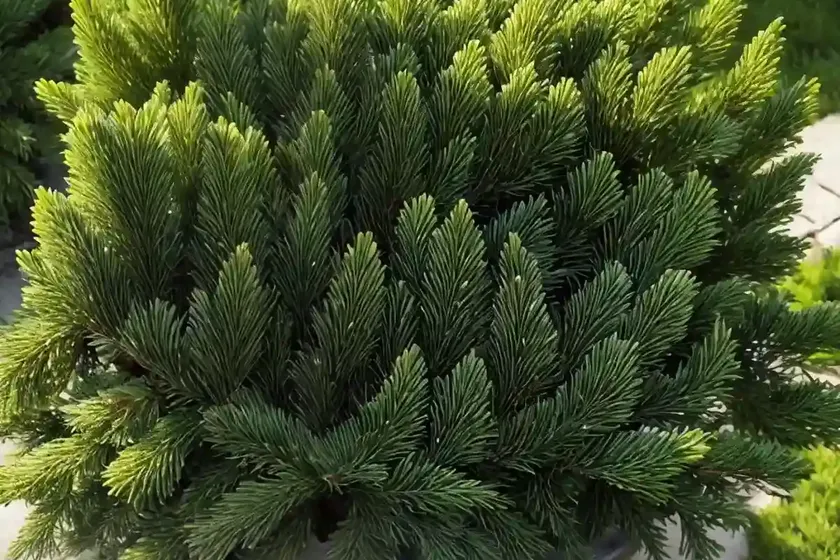
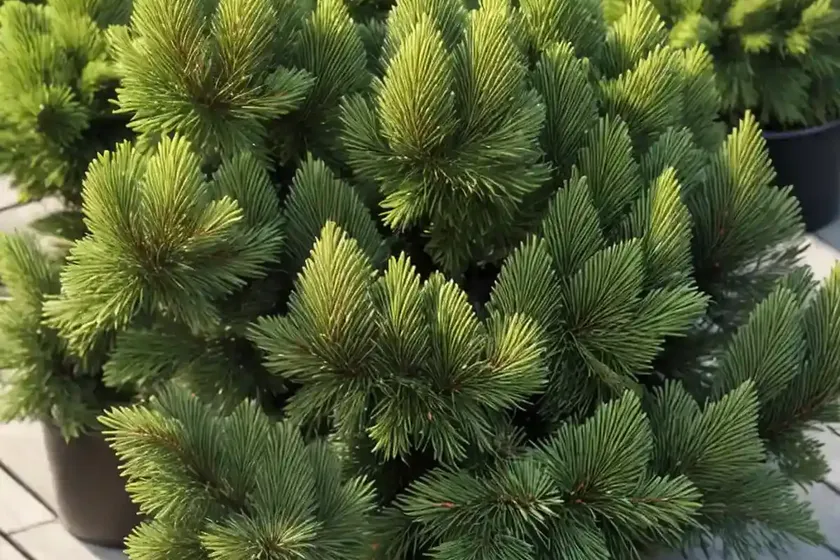
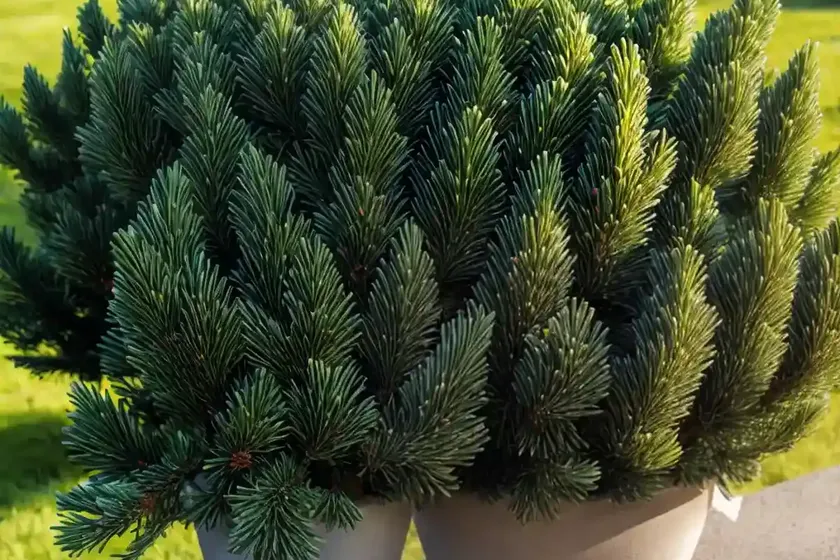
The Sitka spruce, scientifically known as Picea sitchensis, is a majestic evergreen coniferous tree species that holds tremendous ecological, commercial, and ornamental significance. Being the largest species of spruce and a prominent inhabitant of the Pacific Northwest’s coastal regions, the Sitka spruce is valued for its environmental benefits, timber production, and aesthetic appeal in landscaping.
In this comprehensive guide, we will delve into the intricacies of Sitka spruce, exploring its cultural needs, uses, characteristics, management, and ecological importance. We will also uncover the various diseases and pests that can impact this species, along with professional tips to ensure its optimal growth and wellbeing.
What is the Sitka Spruce (Picea Sitchensis)?
The Sitka spruce, recognized for its scientific name Picea sitchensis, is a grand coniferous tree species belonging to the Pinaceae family. This towering evergreen has earned its reputation as the largest species of spruce, typically reaching staggering heights of 60-95 meters (197-312 feet), making it one of the tallest trees in the world.
Key Takeaways – Sitka Spruce (Picea Sitchensis):
- Evergreen tree: The Sitka spruce is an evergreen, retaining its lush green needles throughout the year, providing year-round aesthetic appeal.
- Coastal tree species: It is predominantly found in coastal regions, thriving in the cool and moist climatic conditions prevalent in these areas.
- Native tree of North America: The Sitka spruce is a native tree of North America, specifically thriving in the coastal areas of the Pacific Northwest.
- Forest tree: It’s a vital component of forest ecosystems, contributing to the diversity and structure of coastal forests.
- Coniferous tree: As a coniferous species, it bears cones and has needle-like leaves, typical of the conifer family.
- Tall tree species: It stands as one of the tallest tree species, reaching impressive heights in its natural habitat.
- Hardy tree: The Sitka spruce exhibits hardiness, withstanding the harsh coastal winds and salt spray common in its natural environment.
- Ornamental tree: Beyond its ecological role, it is prized for its ornamental value in landscaping and horticulture.
- Timber tree: It is a significant timber species, valued for its high-quality wood with diverse applications.
- Environmental benefits of Sitka Spruce: The species contributes to various ecological services, enriching the environment through its presence.
- Habitat for wildlife: By providing shelter and food, the Sitka spruce serves as a crucial habitat for diverse wildlife species.
- Ecosystem services: It contributes to the overall health and functioning of the ecosystem through processes like nutrient cycling and soil stabilization.
- Commercial value of Sitka Spruce: Its timber is of significant commercial value, contributing to the economy through various industries and applications.
- Uses of Sitka Spruce wood: The wood of the Sitka spruce finds application in diverse industries, including construction, boat-building, and musical instruments.
- Growth characteristics of Sitka Spruce: Understanding its growth patterns and characteristics is essential for effective management and cultivation.
- Sitka Spruce adaptations: It possesses specific adaptations that enable it to thrive in its coastal habitat.
- Sitka Spruce distribution: Knowing its distribution range is vital for conservation and management efforts.
- Sitka Spruce characteristics: Understanding its key features aids in its identification and appreciation.
- Sitka Spruce facts: Exploring interesting facts about the species adds depth to our understanding of this unique tree.
- Landscape tree: Its use in landscaping and horticulture adds to its appeal beyond its native habitat.
- Popular tree species: The Sitka spruce is a well-known and widely recognized tree species, both in its natural habitat and in cultivated landscapes.
- Planting Sitka Spruce: Knowing how to effectively plant and establish the species is essential for successful cultivation.
- How to care for Sitka Spruce: Understanding its care requirements facilitates its successful growth and development.
- Pruning Sitka Spruce: Pruning practices are crucial for maintaining its health and aesthetics.
- Sitka Spruce diseases: Recognizing and managing diseases that affect the species is essential for its wellbeing.
- Common pests of Sitka Spruce: Addressing pest issues is critical in maintaining the health of Sitka spruce populations.
- Sitka Spruce timber industry: The timber industry associated with the species plays a significant role in regional economies.
- Sitka Spruce conservation: Efforts to conserve and protect the species are crucial for its long-term sustainability.
- Sitka Spruce ecosystem: The role it plays in its native ecosystem and beyond influences conservation and management strategies.
- Sitka Spruce in the Pacific Northwest: Its presence and significance in the Pacific Northwest region are profound and multifaceted.
- Climate requirements of Sitka Spruce: Understanding its climate preferences aids in successful cultivation and management.
- Sitka Spruce growth rate: Knowing its growth rate is valuable in planning and management activities.
- Sitka Spruce timber uses: The diverse applications of its timber contribute to its economic and industrial significance.
- Sitka Spruce forest management: Effective forest management strategies are essential for sustaining healthy Sitka spruce populations.
- Sitka Spruce logging: The practice of logging and its implications on Sitka spruce forests require careful consideration.
- Sitka Spruce timber properties: Understanding the properties of Sitka spruce wood aids in selecting appropriate end uses.
- Sitka Spruce timber quality: Assessing the quality of its wood is essential in determining its commercial value and uses.
- Sitka Spruce reforestation: Efforts to re-establish and regenerate Sitka spruce forests are important for its long-term viability.
- Sitka Spruce wood products: The diverse range of products derived from its wood contributes to its economic importance.
- Sitka Spruce wood properties: Understanding the specific properties of its wood aids in its effective utilization.
- Sitka Spruce ecological importance: Its broader ecological significance goes beyond its individual characteristics, influencing entire ecosystems.
- Sitka Spruce seedlings: Understanding the establishment and propagation of seedlings is vital for reforestation and cultivation efforts.
- Sitka Spruce tree care tips: Practical tips for caring for Sitka spruce assist in its successful growth and management.
- Landscaping with Sitka Spruce: Its role in landscaping provides an additional dimension to its horticultural and ornamental value.
- Sitka Spruce wood characteristics: Delving into the specific qualities of its wood sheds light on its diverse applications and uses.
- Sitka Spruce management practices: Understanding effective management practices aids in the sustainable utilization of the species.
- Sitka Spruce growth stages: Recognizing the various growth stages of the species informs management and conservation efforts.
- Sitka Spruce tree identification: A clear understanding of its identifying features aids in its recognition and appreciation.
- Sitka Spruce in the timber industry: Its significance in the timber industry influences forest management and economic activities.
Culture
Water
As a species native to coastal regions, Sitka spruce is well adapted to receiving significant amounts of rainfall, often exceeding 100 inches annually in its native habitat. When cultivated, providing ample water, especially during dry periods, is crucial for its health and growth. Proper irrigation is particularly important during the early years of establishment. Sitka spruce does not tolerate prolonged drought well, and adequate water availability is essential for optimal development and foliage health.
Sunlight
In its natural habitat, Sitka spruce is known to thrive in areas offering partial to full sunlight. When being grown outside of its native range, it is essential to provide a location that offers adequate sunlight for proper growth. Additionally, young Sitka spruce trees should be gradually acclimated to direct sunlight to avoid sunburn on their delicate needles.
Fertilizer
Fertilization of Sitka spruce should be approached with caution, as excessive fertilization can lead to issues such as tip burn on the foliage. If fertilization is necessary, it should be done sparingly, and it is essential to use a fertilizer specifically formulated for coniferous trees. It is advisable to perform a soil test before applying fertilizer to determine the specific nutrient needs of the tree, as excessive nutrients can lead to imbalanced soil conditions.
Soil
Sitka spruce thrives in well-drained, acidic soils with a pH range of 5.0 to 6.5. When cultivated, it is crucial to ensure that the soil provides adequate drainage, as waterlogged soils can lead to root rot and other issues. Amending the soil with organic matter, such as pine bark or peat moss, can help maintain proper soil structure and acidity levels, promoting healthy growth.
Pruning
Pruning of Sitka spruce should be undertaken with care, focusing on the removal of dead or damaged branches to maintain the tree’s health and aesthetics. It is important to avoid excessive or aggressive pruning, as Sitka spruce does not regenerate foliage as readily as some other coniferous species. Additionally, pruning should be done during the dormant season to minimize stress on the tree and decrease the risk of disease transmission.
Propagation
Propagation of Sitka spruce is typically achieved through seeds. Collecting seeds from mature cones and following proper storage and planting techniques can yield successful germination. It is important to note that Sitka spruce seeds have a brief period of viability and should be planted promptly after collection. Additionally, the use of rooting hormone and careful attention to environmental conditions during germination can enhance propagation success.
Container Popularity
While Sitka spruce is a popular ornamental tree for landscaping, it is not commonly grown in containers due to its large size and extensive root system when mature. However, in certain horticultural settings, young Sitka spruce trees are occasionally cultivated in large containers, with a focus on providing ample space for root development and ensuring proper drainage.
Uses
Environmental Benefits of Sitka Spruce
The ecological significance of Sitka spruce extends across its native range and beyond. It plays a vital role in maintaining healthy ecosystems, contributing to processes such as carbon sequestration, nutrient cycling, and soil stabilization. Its presence in coastal forests influences the overall biodiversity and resilience of these habitats, making it an essential species for the conservation of diverse flora and fauna.
Habitat for Wildlife
The dense foliage and substantial size of mature Sitka spruce trees provide critical habitat for a wide array of wildlife species. From birds to mammals to insects, the tree offers shelter, nesting sites, and foraging opportunities, supporting diverse ecological communities and contributing to the overall richness of its native ecosystems.
Ecosystem Services
Sitka spruce contributes to various ecosystem services, including regulating hydrological cycles, reducing erosion, and enhancing soil fertility through leaf litter decomposition. Its role in maintaining stable and healthy ecosystems is invaluable, making it a species of profound ecological significance.
Commercial Value of Sitka Spruce
The timber produced by Sitka spruce is of significant commercial value, offering high-quality wood that is utilized in diverse industries. The species contributes to the economy through activities such as timber harvesting, processing, and manufacturing, supporting numerous jobs and businesses in the Pacific Northwest and beyond.
Uses of Sitka Spruce Wood
Sitka spruce wood is known for its fine grain, lightweight nature, and strength, making it highly sought after for a range of applications. It is used in the construction of musical instruments, particularly for soundboards in pianos and guitars, due to its exceptional resonance qualities. Additionally, the wood finds use in boat-building, interior paneling, and specialty furniture due to its attractive appearance and workability.
Growth Characteristics of Sitka Spruce
Sitka spruce is characterized by its impressive height, rapid growth rates, and straight, cylindrical trunks that yield high-quality timber. It typically exhibits a conical growth habit with dense foliage, creating a stately and imposing presence in the landscape. Understanding its growth patterns and habits is essential for effective management and cultivation.
Sitka Spruce Adaptations
Adapted to the cool and moist coastal climate of the Pacific Northwest, Sitka spruce possesses specific adaptations that enable it to thrive in its native environment. These adaptations include its ability to withstand strong coastal winds, resist salt spray, and efficiently capture and utilize available moisture.
Sitka Spruce Distribution
The natural range of Sitka spruce spans the coastal regions of North America, specifically from Alaska to Northern California. It forms extensive forests in these areas, contributing to the ecological richness and diversity of coastal ecosystems. Understanding its distribution is crucial for conservation and management efforts.
Sitka Spruce Characteristics
Recognizable by its densely foliated branches, pendulous cones, and slender, sharp-pointed needles, Sitka spruce embodies the classic features of a majestic coniferous tree. Its aesthetic appeal and distinctive characteristics make it a favored species for both ecological and ornamental purposes.
Sitka Spruce Facts
- Sitka spruce is the state tree of Alaska, underscoring its cultural and ecological importance in the region.
- One of the world’s largest Sitka spruce trees, known as the “Quinault Lake Spruce,” resides in Washington state and stands at an impressive height of 191 feet.
- Sitka spruce forests are vital habitats for several endangered and threatened species, emphasizing their significance for biodiversity conservation.
- Its timber has been used for centuries by Indigenous peoples and later European settlers for construction, boat-building, and cultural artifacts, attesting to its enduring cultural and historical value.
Fun Facts
- Coastal Giant: The Sitka spruce is a true coastal giant, often towering over nearby vegetation and structures, earning its reputation as one of the world’s tallest tree species.
- Ancient Ancestors: Sitka spruce forests have existed in the Pacific Northwest for thousands of years, with some individual trees dating back centuries, serving as a living link to the region’s ecological history.
- Ecological Guardians: Beyond their aesthetic and commercial value, Sitka spruce forests act as guardians of coastal ecosystems, regulating microclimates, protecting soils, and fostering diverse wildlife habitats.
Links to External Resources
For further exploration and in-depth information on Sitka spruce and related topics, consider visiting the following resources:
- Sitka Spruce – USDA Forest Service
- Managing Sitka Spruce – Forestry Commission
- Sitka Spruce: Ecology, Silviculture, and Management
- Sitka Spruce Soundboard Research – University of Alaska Fairbanks
In conclusion, the Sitka spruce stands as an emblem of the coastal regions of the Pacific Northwest, embodying ecological resilience, commercial value, and ornamental beauty. Its towering presence, adaptability, and vital ecological role make it an iconic species with far-reaching significance. Understanding and appreciating the Sitka spruce is not only an exploration of a remarkable tree species but also an acknowledgment of its profound impact on diverse aspects of our natural and cultural landscapes.


