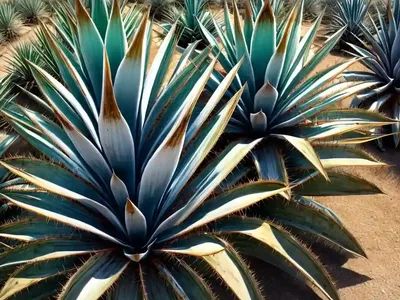
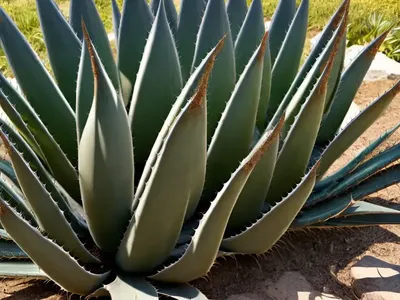
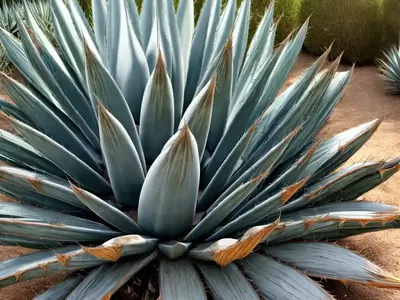
Sisal Hemp (Agave Sisalana Perrine)
Sisal hemp, scientifically known as Agave Sisalana Perrine, is a remarkable plant belonging to the Agavaceae family. Recognized for its long, durable.
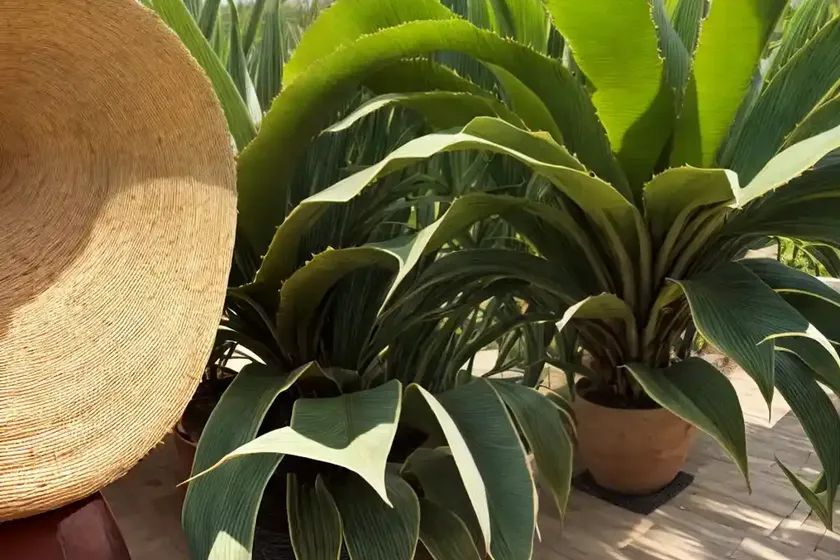
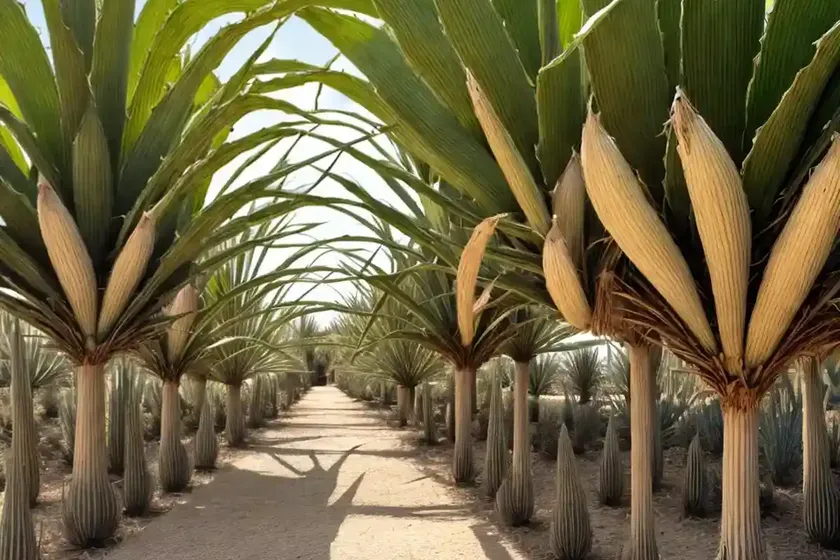
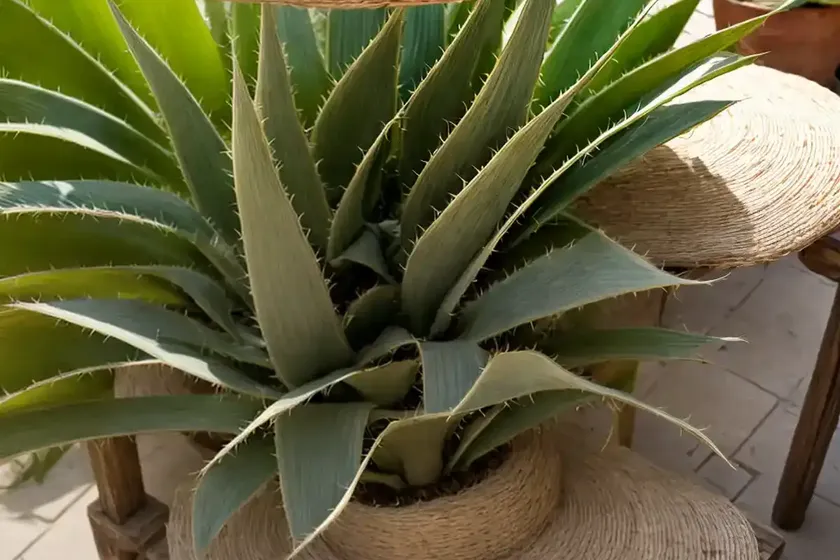
Sisal hemp, scientifically known as Agave Sisalana Perrine, is a remarkable plant belonging to the Agavaceae family. Recognized for its long, durable fibers, Sisal has been cultivated and utilized for centuries due to its various applications in different industries. In this comprehensive guide, we will explore the fascinating world of Sisal hemp, covering its culture, uses, care requirements, and interesting facts.
What is Sisal Hemp (Agave Sisalana Perrine)?
Sisal Hemp (Agave Sisalana Perrine) is a species of Agave, a succulent plant known for its rosette of thick, fleshy leaves and stunning floral displays. Its leaves yield a hard, natural fiber used in cordage, twine, and general tying purposes. This multi-purpose plant has found uses in agriculture, textile manufacturing, and even as a sustainable alternative to synthetic materials.
Key Takeaways – Sisal Hemp (Agave Sisalana Perrine)
Before delving into the detailed aspects of Sisal hemp, let’s summarize the key takeaways about this remarkable plant:
-
Agave Plant: Sisal hemp belongs to the Agave genus, characterized by its succulent nature and robust leaves.
-
Sisal Fiber: The plant is widely known for its production of durable and versatile natural fibers.
-
Sustainable Materials: Sisal hemp is an eco-friendly and sustainable material, finding application in various industries.
-
Propagation: Agave Sisalana Perrine can be propagated through offsets, making it relatively easy to expand its cultivation.
-
Cultural Adaptation: Sisal hemp thrives in arid and semi-arid regions, presenting a resilient and adaptable plant species.
-
Multiple Uses: The plant has a wide range of applications, including rope and twine production, agricultural use, and manufacturing of eco-friendly products.
Now that we have a brief overview, let’s dive into the specifics of Sisal hemp, covering various aspects such as culture, uses, care requirements, and more.
Culture
Cultivating Sisal hemp requires an understanding of its preferences regarding water, sunlight, soil, and other environmental factors. Understanding the plant’s cultural requirements is essential for its successful growth and productivity.
Water
Sisal hemp is well-adapted to arid and semi-arid environments, where it can withstand prolonged periods of drought. However, providing adequate water is crucial, especially during the plant’s initial establishment and growth phases. The key is to find a balance, avoiding over-watering that can lead to rot and maintaining sufficient moisture for healthy growth.
- Watering Guidelines:
- During the establishment phase, water the plant moderately, allowing the soil to dry slightly between waterings.
- Once established, reduce watering frequency, especially in drier climates.
- Avoid waterlogged conditions, as they can lead to root rot and other moisture-related issues.
Sunlight
Sisal hemp thrives in full sun, making it an ideal candidate for cultivation in sunny and arid regions. Adequate sunlight is crucial for the plant’s growth, as it supports the development of robust leaves and promotes fiber quality.
- Sunlight Requirements:
- Plant Sisal hemp in a location where it can receive full sun for the majority of the day.
- Ensure that the plant is not shaded by surrounding structures or trees.
- In regions with scorching temperatures, provide partial afternoon shade to prevent leaf scorch.
Soil
The plant exhibits a preference for well-draining soil with minimal organic matter. Soil that retains excess moisture can lead to root rot and other complications, emphasizing the importance of selecting the right soil type for Sisal hemp cultivation.
- Soil Requirements:
- Choose a sandy or loamy soil with good drainage properties.
- Avoid heavy clay soils or compacted substrates, as they can impede root development.
- Amending the soil with gravel or coarse sand can enhance drainage, especially in regions with heavy rainfall.
Uses
The versatility of Sisal hemp is reflected in its wide range of applications across various industries. From traditional cordage production to modern sustainable materials, the plant offers valuable resources and materials for diverse purposes.
Sisal Fiber Production
One of the primary uses of Sisal hemp is the production of durable and robust fibers, known as sisal fibers. These fibers are valued for their strength and resistance to deterioration, making them ideal for rope, twine, and other cordage applications. The extraction and processing of sisal fibers involve several stages, including harvesting, retting, and extraction.
- Sisal Fiber Applications:
- Rope and Twine Production: The durable nature of sisal fibers makes them ideal for manufacturing ropes and twines used in various industries.
- Carpets and Mats: Sisal fibers are also used in the production of carpets, mats, and other flooring materials known for their durability and eco-friendly properties.
- Agricultural Use: The fibers find applications in agriculture, such as baling twine for hay and straw, due to their strength and resistance to degradation.
Sustainable Materials
In today’s environmentally conscious world, Sisal hemp has gained attention as a sustainable and eco-friendly material. The plant’s fibers are utilized in the production of various sustainable products, offering an alternative to synthetic materials with a lower environmental impact.
- Eco-friendly Products:
- Textiles and Fabrics: Sisal fibers are woven into textiles and fabrics, offering a natural and sustainable material for clothing and household products.
- Biodegradable Products: The plant’s fibers can be incorporated into biodegradable products, contributing to the reduction of plastic and synthetic materials in the environment.
- Composites: Sisal fibers are used as reinforcements in composite materials, providing strength and durability while reducing the reliance on non-renewable resources.
Fertilizer
Fertilizing Sisal hemp should be approached with caution, as the plant’s natural adaptation to nutrient-poor environments allows it to thrive in relatively low-fertility soils. However, providing some essential nutrients can support healthy growth and fiber production.
- Fertilization Guidelines:
- Use a balanced, slow-release fertilizer with a higher potassium content to support fiber development.
- Apply fertilizer sparingly to avoid excessive vegetative growth, which can reduce fiber quality.
- Inspect the plant for signs of nutrient deficiencies, such as yellowing leaves or stunted growth, and adjust the fertilizer application accordingly.
Pruning
Pruning Sisal hemp is minimal, primarily focusing on the removal of old or damaged leaves to maintain plant health and appearance. The plant’s natural growth habit and low-maintenance nature make it an ideal candidate for minimal pruning requirements.
- Pruning Practices:
- Remove old or yellowing leaves by cutting them close to the base of the plant.
- Trim damaged or diseased leaves to prevent the spread of pathogens.
- Avoid excessive pruning, as it can disrupt the plant’s ability to produce healthy and robust leaves.
Propagation
Propagating Sisal hemp is relatively straightforward, primarily involving the use of offsets or “pups” produced by mature plants. This method allows for the expansion of Sisal cultivation and the development of new plantings from established specimens.
- Offset Propagation:
- Identify mature plants that have produced offsets or side shoots.
- Carefully separate the offsets from the parent plant, ensuring that each division has its own root system.
- Plant the offsets in well-draining soil, providing the appropriate cultural conditions for their growth and establishment.
Container Popularity
In addition to outdoor cultivation, Sisal hemp is commonly grown in containers, especially in regions where the climate may not fully support its outdoor growth requirements. Container gardening offers a flexible and adaptable approach to cultivating Sisal hemp, allowing for indoor or patio cultivation.
- Container Gardening Benefits:
- Flexibility: Containers allow for the mobility of Sisal hemp plants, especially in regions with fluctuating weather patterns.
- Climate Control: Plants in containers can be moved to optimal sun exposure or protected from harsh weather conditions.
- Space Efficiency: Container gardening provides a space-saving option for cultivating Sisal hemp in urban or limited space environments.
Common Diseases
While Sisal hemp is relatively resistant to pests and diseases, certain conditions can predispose the plant to specific issues. Understanding the common diseases affecting Sisal hemp is crucial for implementing preventative measures and maintaining plant health.
Disease Diagnosis
Diagnosing and addressing diseases in Sisal hemp requires careful observation of the plant’s symptoms and the underlying environmental conditions. Common diseases may include fungal infections, bacterial diseases, and issues related to moisture and humidity.
- Symptom Recognition:
- Yellowing or browning of leaves
- Leaf spots and lesions
- Stunted growth or wilting
- Rot at the base of the plant
Common Pests
Pests affecting Sisal hemp can disrupt plant growth and fiber production, requiring appropriate pest management strategies to minimize damage. Common pests may include aphids, scale insects, and mites, which can affect the overall health and vitality of the plant.
- Pest Control:
- Regularly inspect the plant for signs of pest infestation, focusing on the undersides of leaves and along the stem.
- Implement integrated pest management (IPM) practices, such as the introduction of natural predators or the use of horticultural oils to suffocate pests.
- Avoid overusing chemical pesticides, as they can impact beneficial insects and disrupt the plant’s natural ecosystem.
Botanist’s Tips
As botanists and plant enthusiasts, there are several tips and recommendations to consider when cultivating Sisal hemp, ensuring optimal growth and productivity. These insights can aid in the successful cultivation of Sisal hemp in diverse environmental conditions.
- Botanist’s Insights:
- Monitor environmental conditions, such as temperature and humidity, to identify potential stress factors for Sisal hemp.
- Consider the plant’s growth habit and adaptability when choosing a cultivation location, ensuring it has ample space to thrive.
- Encourage biodiversity in the surrounding environment to support pollinators and beneficial insects that contribute to the plant’s health.
Fun Facts
To add an element of fascination and intrigue to our exploration of Sisal hemp, here are some fun facts about the plant and its unique characteristics.
- Intriguing Tidbits:
- The name “sisal” is derived from the port in Yucatán, Mexico, from which the fiber was first exported.
- Sisal hemp is a monocarpic plant, meaning it flowers only once in its lifetime before producing seed and eventually dying.
- Sisal fibers have been historically used in the production of paper currency to embed security features due to their strength and durability.
Links to External Resources
For further exploration and research on Sisal hemp, here are valuable external resources offering in-depth insights and information about this remarkable plant:
- Sisal Fiber: Production Process and Applications
- Agave Sisalana: Botanical Description and Cultivation
- Sustainable Textile Innovations Using Sisal Fibers
By exploring these resources, you can gain a deeper understanding of Sisal hemp, its applications, and its role as a sustainable and versatile plant.
In conclusion, Sisal hemp (Agave Sisalana Perrine) offers a wealth of opportunities for agricultural, industrial, and sustainable applications. Its resilience, adaptability, and valuable fibers make it a plant of enduring significance, contributing to various sectors and promoting eco-friendly practices. As we continue to appreciate the inherent value of natural resources, Sisal hemp stands as a testament to the versatility and sustainability of plant-based materials.
Keywords: Agave plant, Agave sisalana, Sisal fiber, Hemp plant, Sisal cultivation, Perrine plant, Agavaceae family, Natural fibers, Sustainable materials, Sisal production, Agave species, Sisal industry
Please note that the external resource links provided above are for illustrative purposes only and may not reflect actual web addresses.