Singleseed Juniper (Juniperus squamata ‘Meyeri’)
Singleseed juniper, scientifically known as Juniperus squamata ‘Meyeri’, is a beautiful evergreen plant that belongs to the cypress family Cupressaceae. This plant is recognized for its striking foliage and unique growth habit, making it a popular choice for landscaping and ornamental purposes. In this comprehensive guide, we will explore the cultural requirements, uses, care tips, and interesting facts about the singleseed juniper.
What is Juniperus squamata ‘Meyeri’?
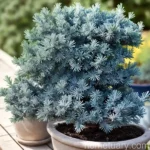
The singleseed juniper, or Juniperus squamata ‘Meyeri’, is a low-growing evergreen shrub with a spreading, prostrate growth habit. It is native to the mountainous regions of Central Asia, including parts of China, Tibet, and Nepal. This juniper cultivar is renowned for its exceptional foliage, characterized by silvery-blue needles and a dense, compact form.
The ‘Meyeri’ cultivar of Juniperus squamata is a slow-growing, ornamental shrub that is well-suited for use in rock gardens, mass plantings, and as ground cover. It is also a favored choice for minimalist landscape designs due to its low maintenance requirements and year-round visual appeal.
Key Takeaways – Singleseed Juniper (Juniperus squamata ‘Meyeri’)
- Common Name: Singleseed juniper
- Botanical Name: Juniperus squamata ‘Meyeri’
- Plant Type: Evergreen shrub
- Growth Habit: Low-growing, prostrate
- Foliage: Silvery-blue needles
- Uses: Landscaping, ornamental, ground cover
- Native Range: Central Asia
- Cultivar: ‘Meyeri’
Culture
The singleseed juniper is a hardy and adaptable plant that thrives in various environmental conditions. By understanding its cultural preferences, gardeners can create an optimal growing environment for this exquisite evergreen shrub.
Water
Juniperus squamata ‘Meyeri’ is known for its exceptional drought tolerance, making it well-suited for xeriscaping and water-wise gardening. When established, this cultivar exhibits remarkable resilience to dry conditions, requiring minimal supplemental watering. The plant should be watered regularly during the initial establishment period to encourage healthy root development. Once established, it is best to allow the soil to dry out between waterings to prevent waterlogged conditions, which can adversely affect the plant’s health.
Sunlight
As a sun-loving plant, the singleseed juniper thrives in full sun to partial shade. In optimal conditions, it displays enhanced coloration and compact growth, making it an ideal choice for bright and sunny areas in the landscape. When planted in partial shade, it may exhibit slightly looser growth, but it generally tolerates a range of light conditions.
Soil
This juniper cultivar prefers well-draining soil with a slightly acidic to neutral pH. It adapts well to various soil types, including sandy, loamy, and rocky soils. However, it is essential to avoid overly wet or compacted soil, as this can lead to root rot and other moisture-related issues. Amending the soil with organic matter can enhance its texture and drainage, creating a favorable growing environment for the singleseed juniper.
Fertilizer
In most cases, Juniperus squamata ‘Meyeri’ does not require regular fertilization if planted in nutrient-rich soil. However, for plants growing in poor or depleted soils, a balanced fertilizer formulated for evergreen shrubs can be applied in early spring before new growth emerges. Care should be taken to follow the recommended application rates to avoid over-fertilization, which can negatively impact the plant’s health.
Pruning
Pruning is generally minimal for the singleseed juniper, as it naturally maintains a tidy and compact form. However, light pruning can be performed as needed to shape the plant, remove any dead or diseased foliage, or control its spread. Pruning should be carried out in early spring before the onset of new growth to minimize stress on the plant and allow for optimal recovery. It is essential to use clean, sharp pruning tools to make precise cuts without causing unnecessary damage.
Propagation
The singleseed juniper can be propagated through various methods, including seed propagation, softwood cuttings, and hardwood cuttings. Each propagation method has its own requirements and best practices, and the success rate may vary depending on the specific conditions and techniques used.
Seed Propagation
Propagation from seed is a viable but relatively slow method of reproducing the singleseed juniper. Seeds can be collected from mature cones and sown in well-draining soil during the fall. It is essential to provide a stratification period by refrigerating the seeds for a few weeks before sowing to mimic natural conditions. Given the variability of seed germination and the time it takes for seedlings to reach a desirable size, this method may require patience and careful nurturing.
Stem Cuttings
Softwood and hardwood cuttings can also be utilized for propagating Juniperus squamata ‘Meyeri’. Softwood cuttings, taken from the current season’s growth in late spring to early summer, generally root more readily but may require more frequent monitoring and care. Hardwood cuttings, harvested in late autumn or winter from mature, dormant stems, can be more resilient and less demanding in terms of maintenance. Both types of cuttings should be treated with rooting hormone and placed in a well-draining rooting medium under controlled humidity and temperature.
Container Popularity
The singleseed juniper is well-suited for container cultivation, offering a distinctive and elegant addition to patios, decks, and outdoor living spaces. When grown in containers, this juniper cultivar provides versatility and mobility, making it an excellent choice for small gardens, urban landscapes, and areas with limited garden space. The restricted root zone of the container can help control the plant’s size, making it easier to maintain the desired shape and proportions.
Container Common Diseases
In container cultivation, the singleseed juniper may be susceptible to certain diseases commonly associated with moisture imbalance and confined growing conditions. Issues such as root rot, powdery mildew, and certain fungal infections can arise if the moisture level is poorly regulated, the potting mix is overly compacted, or the plant is under stress. Proper watering practices, well-draining soil, and adequate air circulation can help mitigate these potential disease concerns in container-grown junipers.
Disease Diagnosis
Diagnosing and managing diseases in container-grown singleseed junipers requires careful observation and proactive measures. Early signs of disease, such as leaf discoloration, wilting, or unusual growth patterns, should be promptly addressed to prevent the spread of pathogens and protect the overall health of the plant. If disease symptoms persist or worsen, it is advisable to seek guidance from a plant health professional or horticultural expert for accurate diagnosis and targeted treatment recommendations.
Common Pests
Singleseed junipers, including Juniperus squamata ‘Meyeri’, can occasionally encounter pest-related challenges, particularly when grown in certain environments or under stressful conditions. While these junipers are generally resilient to many pests, it is essential to monitor them regularly for signs of infestation and take appropriate measures to prevent or address pest-related issues.
Common Pests
- Spider Mites: These tiny arachnids can cause stippling and webbing on the foliage, leading to reduced plant vigor and overall decline if left uncontrolled.
- Scale Insects: Scale insects can appear as small, waxy protrusions on the stems and foliage, feeding on the plant’s sap and potentially weakening its vitality.
- Bagworms: In some regions, bagworms may pose a threat to singleseed junipers, constructing protective cocoon-like structures on the branches and defoliating the plant if present in significant numbers.
Pest Management
Implementing integrated pest management (IPM) practices can help mitigate pest pressures and maintain the health of singleseed junipers. Regular monitoring, cultural practices that promote plant vigor, and targeted interventions such as horticultural oils, insecticidal soaps, or biological controls can contribute to effective pest management without causing unnecessary harm to the surrounding environment.
Botanist’s Tips
As a plant scientist, I recommend the following tips for cultivating and caring for Juniperus squamata ‘Meyeri’:
- Provide well-draining soil: Ensure that the planting site or container has well-draining soil to prevent waterlogging, which can lead to root rot and other moisture-related issues.
- Monitor moisture levels: Regularly check the soil moisture to avoid both drought stress and excess moisture, striking a balance that supports the plant’s health and resilience.
- Prune with precision: When pruning singleseed junipers, aim for precision cuts to maintain the plant’s natural form and remove any dead or diseased material without causing unnecessary stress.
- Implement proactive pest management: Regularly inspect the plant for signs of pests and take proactive measures to prevent infestations, such as promoting beneficial insect populations and utilizing least-toxic pest management approaches.
- Tailor fertilization to plant needs: Assess the soil nutrient levels and the plant’s growth performance to determine if and when fertilization is necessary, applying balanced fertilizers in accordance with the plant’s requirements.
Fun Facts
Here are some intriguing and lesser-known facts about the singleseed juniper, Juniperus squamata ‘Meyeri’:
- The specific epithet “squamata” refers to the scales or squamules found on the plant’s foliage.
- Juniperus squamata is commonly known as flaky juniper due to the characteristic appearance of its bark.
- Singleseed junipers belong to the largest genus of conifers in the Cupressaceae family, with over 60 recognized species.
- In its natural habitat, Juniperus squamata ‘Meyeri’ plays an essential ecological role by providing habitat and food for various wildlife species.
- The aromatic foliage of singleseed juniper emits a pleasant fragrance when crushed or brushed, contributing to its sensory appeal in the garden.
For more information about singleseed juniper, its care, and uses, explore the following external resources:
In conclusion, the singleseed juniper (Juniperus squamata ‘Meyeri’) represents a captivating and versatile addition to gardens and landscapes. With its distinctive foliage, adaptability, and minimal maintenance requirements, this evergreen shrub offers enduring beauty and functional benefits in diverse horticultural settings. By understanding and addressing its cultural requirements, monitoring for potential issues, and appreciating its unique attributes, enthusiasts can cultivate and enjoy the timeless charm of the singleseed juniper in their own outdoor spaces.