Silver Squill (Ledebouria Socialis)
Silver Squill, scientifically known as Ledebouria socialis, is a unique and attractive perennial herb that belongs to the Asparagaceae family. This plant.
Introduction to Silver Squill
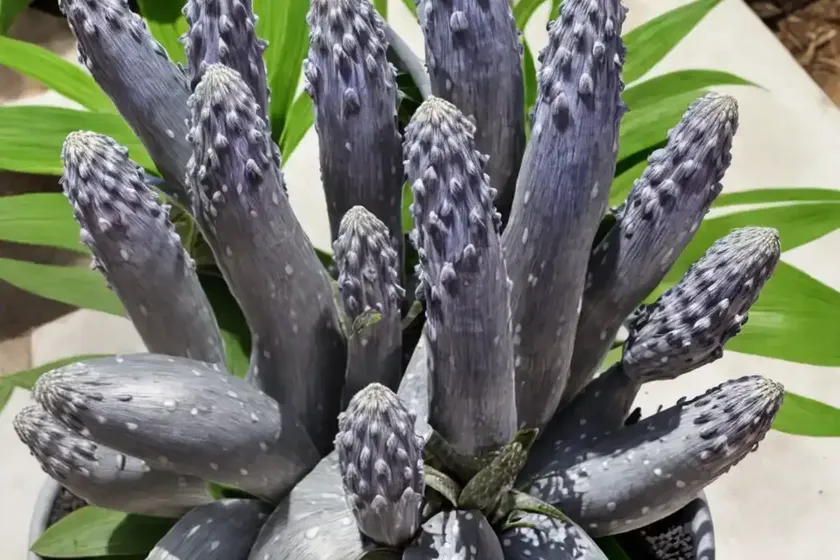
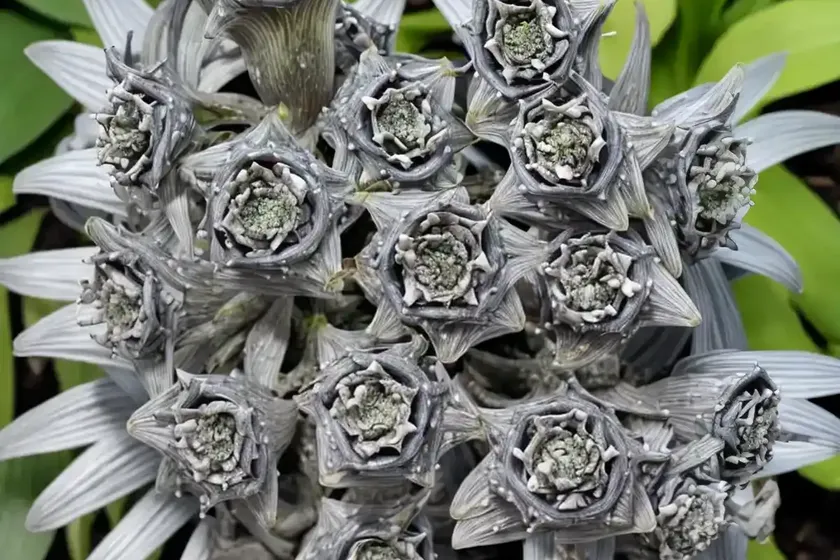
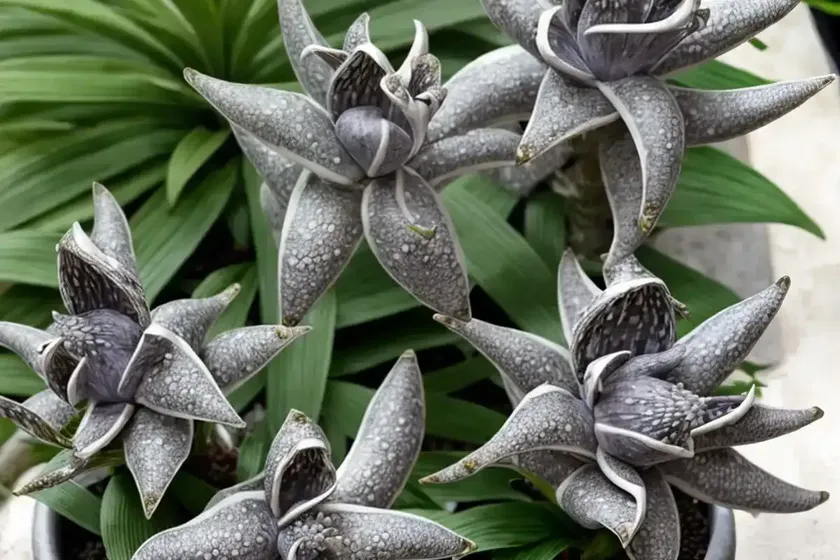
Silver Squill, scientifically known as Ledebouria socialis, is a unique and attractive perennial herb that belongs to the Asparagaceae family. This plant is native to the Eastern Cape province of South Africa and is celebrated for its distinctive silvery-green, patterned foliage and delicate blooming spikes. Its eye-catching appearance, low maintenance requirements, and air-purifying qualities make it a popular choice for indoor and outdoor plant enthusiasts.
Key Takeaways – Silver Squill (Ledebouria socialis)
Before delving into the specifics of caring for Silver Squill, let’s explore some key takeaways about this fascinating plant:
- Common Name: Silver Squill
- Scientific Name: Ledebouria socialis
- Family: Asparagaceae
- Origin: Eastern Cape province of South Africa
- Features: Silvery-green, patterned foliage; delicate blooming spikes
- Uses: Ornamental plant, air-purifying qualities
- Maintenance: Low
- Popularity: Increasing as an indoor and outdoor plant
- Special Features: Attractive foliage, easy to propagate, pest-resistant
Now, let’s dive deeper into understanding the culture, uses, and best practices for caring for Silver Squill.
Culture of Silver Squill
Water
–Water Requirement: Silver Squill thrives in well-draining soil and prefers to dry out slightly between waterings. It is essential to avoid overwatering, as this can lead to root rot and other complications. During the growing season (spring and summer), water the plant when the top inch of the soil is dry. In the dormant period (fall and winter), reduce watering frequency, allowing the soil to dry out more between waterings.
–Watering Technique: When watering, it’s recommended to do so at the base of the plant to prevent water from collecting and causing potential issues with the bulbs.
–Water Quality: Use filtered or room-temperature water to avoid shocking the plant with extreme temperature differences.
Sunlight
–Light Requirement: Silver Squill thrives in bright, indirect light. It can adapt to partial shade but should not be exposed to direct sunlight for extended periods, as this can lead to leaf burn and stress the plant.
–Sunlight Exposure: Position the plant in a location where it can receive adequate bright, indirect sunlight throughout the day. A north-facing window or an area with dappled light is often ideal for Silver Squill.
Soil
–Potting Mix: When it comes to potting mix for Silver Squill, a well-draining, cactus or succulent-specific blend works well. Alternatively, you can create a mix using equal parts of potting soil, perlite, and coarse sand to ensure proper drainage and aeration for the plant’s roots.
–Soil pH: The optimal soil pH for Silver Squill ranges between 6.0 and 7.0, slightly acidic to neutral.
–Soil Moisture: It’s crucial to ensure that the soil is well-draining to prevent waterlogged conditions, which can lead to root rot.
Fertilizer
–Fertilizing Needs: During the active growth period in spring and summer, you can feed Silver Squill with a balanced, diluted liquid fertilizer once a month. It’s essential not to over-fertilize, as this can lead to excessive green growth at the expense of the plant’s distinctive silver patterning.
–Fertilizer Type: Opt for a balanced, water-soluble fertilizer with an NPK ratio of 20-20-20 or a similar formulation. Dilute the fertilizer to half or quarter strength to avoid causing stress to the plant.
Pruning and Propagation
Pruning
–Pruning Techniques: While Silver Squill does not require extensive pruning, promptly remove any yellowing or damaged leaves to maintain the plant’s overall health and appearance.
–Deadheading: Once the flowering spike has finished blooming, you can gently remove it to encourage the plant to focus its energy on foliage growth.
Propagation
–Propagation Method: Silver Squill can be easily propagated from offsets, which are small bulbs that develop around the base of the parent plant. Carefully remove the offsets and plant them in a separate container with well-draining soil to establish new Silver Squill plants.
–Timing: Spring is an ideal time to propagate Silver Squill, as the plant is actively growing and will establish the new offsets more readily.
Container Popularity
Silver Squill’s unique appearance and low-maintenance nature make it a popular choice for container gardening enthusiasts. Whether placed indoors as an ornamental houseplant or outdoors in a garden container, this plant’s ability to thrive in confined spaces adds to its appeal.
Indoor Planting
–Container Type: When growing Silver Squill indoors, opt for a well-draining, appropriately sized container with drainage holes to prevent waterlogging.
–Location: Place the potted Silver Squill in a well-lit area with bright, indirect sunlight, ensuring that it receives adequate natural light for healthy growth.
Outdoor Gardening
–Container Selection: When selecting a container for outdoor gardening, choose a durable, frost-resistant pot to withstand outdoor conditions and provide ample space for the plant’s roots to grow.
–Positioning: Select an outdoor location that offers partial shade to protect the plant from intense sunlight and harsh weather conditions.
Common Diseases and Pest Management
Disease Diagnosis
–Common Diseases: Silver Squill is relatively resistant to diseases, but overwatering can lead to root rot and fungal issues, such as botrytis. Keep an eye out for signs of yellowing or wilting leaves, which may indicate underlying health concerns.
–Preventive Measures: To prevent disease, ensure that the plant is not exposed to excessive moisture and humidity, especially in cooler temperatures, and maintain proper air circulation around the plant.
Common Pests
–Pest Control: As a relatively pest-resistant plant, Silver Squill is minimally susceptible to common indoor plant pests, including aphids, mealybugs, and spider mites. Inspect the plant regularly for signs of pests, especially on the undersides of the leaves, and address any infestations promptly.
–Organic Pest Control: If pests are present, you can use organic methods such as neem oil or insecticidal soap to control and eliminate the infestation without harming the plant.
Botanist’s Tips for Growing Silver Squill
As a botanist, I’ve had the opportunity to observe and study the growth habits of Silver Squill. Here are some valuable tips for successfully cultivating this fascinating plant:
-
Aerate the Soil: Ensure that the potting mix remains loose and aerated to allow for proper air circulation around the roots.
-
Monitor Watering Closely: Overwatering is one of the most common issues that can affect Silver Squill. It’s essential to establish a watering routine and adapt it according to the plant’s specific needs.
-
Protect from Temperature Extremes: Silver Squill prefers moderate temperatures and can suffer from stress if exposed to drastic temperature fluctuations. Shield the plant from hot drafts or cold drafts to maintain its health and vitality.
Fun Facts about Silver Squill
Before we conclude our exploration of Silver Squill, here are some intriguing and lesser-known facts about this remarkable plant:
- The bulbous base of Silver Squill stores water, allowing the plant to withstand periods of drought.
- Silver Squill is often used in terrariums and mixed foliage arrangements due to its compact growth habit and striking foliage.
- In its natural habitat, Silver Squill can be found growing in rocky outcrops and sandy soils, showcasing its adaptability to harsh conditions.
Links to External Resources
For further information and detailed insights into Silver Squill care and cultivation, consider exploring the following external resources:
- The Royal Horticultural Society – Ledebouria socialis
- Gardening Know How – Silver Squill Care
- The Spruce – Silver Squill Plant Profile
- University of Florida IFAS Extension – Silver Squill Propagation Guide
In conclusion, Silver Squill (Ledebouria socialis) is a captivating and adaptable plant that offers unique visual appeal and ease of care for both indoor and outdoor plant enthusiasts. By understanding its specific requirements for water, sunlight, soil, and maintenance, you can cultivate and enjoy the beauty of Silver Squill in your own gardening endeavors.
Remember to observe the plant closely, adjust care practices as needed, and appreciate the subtle charm of this exceptional botanical gem.
Keywords: Silver Squill care, Ledebouria socialis plant, Growing Silver Squill, Silver Squill plant care guide, How to care for Ledebouria socialis, Silver Squill propagation tips, Silver Squill indoor plant, Ledebouria socialis varieties, Silver Squill water requirements, Ledebouria socialis planting guide, Silver Squill potting mix, Taking care of Ledebouria socialis, Silver Squill light requirements, Ledebouria socialis bulb tips, Silver Squill soil conditions, Ledebouria socialis growth habits, Silver Squill fertilizing needs, How to repot Ledebouria socialis, Silver Squill pest control, Ledebouria socialis flowering season, Silver Squill pruning techniques, Ledebouria socialis companion plants, Silver Squill container gardening, Ledebouria socialis disease prevention, Silver Squill temperature preferences, Ledebouria socialis foliage colors, Silver Squill natural habitat, Ledebouria socialis water retention, Silver Squill root development, Propagating Ledebouria socialis offsets, Silver Squill humidity requirements, Ledebouria socialis sunlight exposure, Silver Squill leaf arrangement, Ledebouria socialis winter care, Silver Squill toxicity levels, Ledebouria socialis pet-friendly plant, Silver Squill container size, Ledebouria socialis common names, Silver Squill decorative uses, Ledebouria socialis plant family, Silver Squill air purification, Ledebouria socialis landscape design, Silver Squill garden cultivation, Ledebouria socialis interior design, Silver Squill prop


