Silver Ragwort (Jacobaea Maritima)
Silver ragwort, scientifically known as Jacobaea maritima, is a stunning perennial plant renowned for its silvery-gray foliage and versatility in garden.
Introduction
Silver ragwort, scientifically known as Jacobaea maritima, is a stunning perennial plant renowned for its silvery-gray foliage and versatility in garden settings. This article delves into the various aspects of silver ragwort, including its cultural significance, uses, and essential care requirements for optimum growth. Apart from its aesthetic value, the silver ragwort also has ecological, medicinal, and horticultural benefits. With its adaptability and low-maintenance nature, this plant has been gaining popularity among both amateur and seasoned gardeners.
Key Takeaways
- Botanical Name: Jacobaea maritima
- Common Name: Silver Ragwort
- Plant Type: Perennial
- Native Habitat: Coastal regions of the Mediterranean
In this comprehensive guide, we will cover the various aspects of silver ragwort, including its cultural uses, care requirements, common diseases and pests, as well as interesting facts about this resilient plant.
Table of Contents
- Cultural Uses
- Water
- Sunlight
- Fertilizer
- Soil
- Pruning
- Propagation
- Container Planting
- Popularity
- Common Diseases
- Common Pests
- Botanist’s Tips
- Fun Facts
- Links to External Resources
What is Silver Ragwort (Jacobaea maritima)?
Silver ragwort, also known as dusty miller or Senecio cineraria, is a herbaceous perennial plant belonging to the Asteraceae family. This plant is native to the coastal regions of the Mediterranean, where it thrives in sandy and rocky environments. Known for its striking silvery-gray foliage, silver ragwort is prized for its ornamental value in garden landscapes.
Botanical Characteristics
- Appearance: The silver ragwort is characterized by its deeply lobed, woolly, silvery-white leaves, which form a dense rosette. The leaves are deeply incised and have a distinctive downy texture, giving the plant a soft and ornamental appearance.
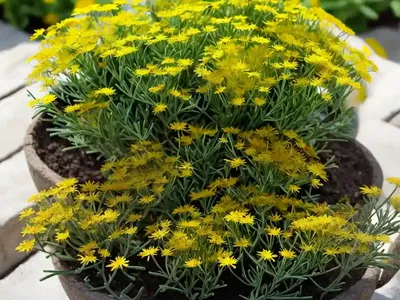
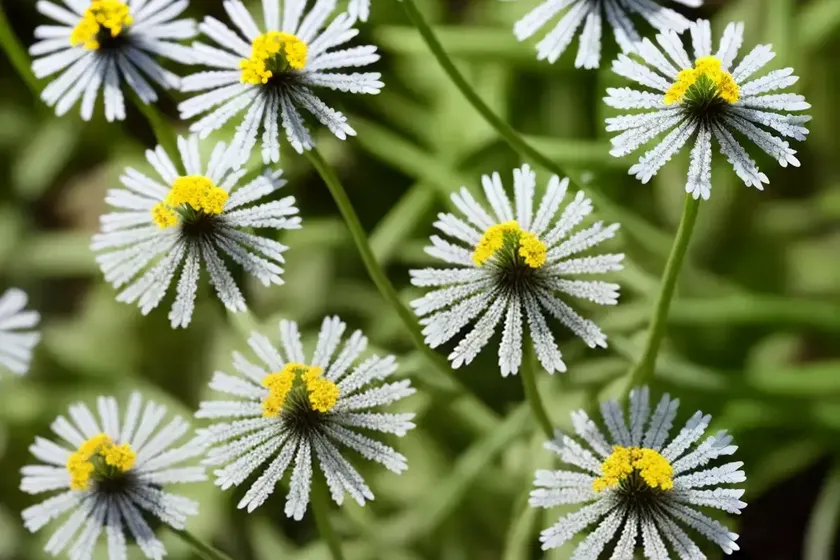
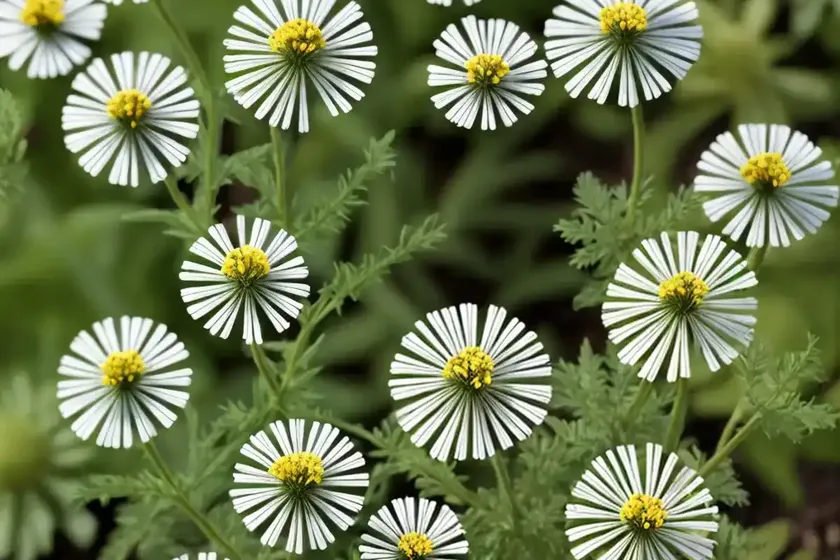
- Flowers: In summer, silver ragwort produces small, inconspicuous yellow flowers that are borne on tall, wiry stems. While the flowers are not the primary attraction of the plant, they can add a delicate touch to the overall aesthetic.
Silver Ragwort Benefits
- Ornamental Value: The silver-gray foliage of this plant provides an elegant contrast in garden beds and borders, serving as a picturesque backdrop for colorful flowers.
- Drought Tolerance: Silver ragwort exhibits excellent drought tolerance, making it a resilient choice for water-wise gardening.
- Pest Repellent: The strong aroma of silver ragwort leaves acts as a natural deterrent for certain pests, minimizing the need for chemical interventions.
- Low Maintenance: Once established, silver ragwort requires minimal care, making it an ideal choice for novice gardeners or those with limited time for maintenance.
Cultural Uses
Silver ragwort holds cultural significance in various contexts, ranging from folklore and traditional uses to its symbolism in different cultures. The following are some of the notable cultural uses and associations of silver ragwort:
- Medicinal Folklore: In traditional herbal medicine, silver ragwort has been used to treat various ailments due to its believed medicinal properties, including anti-inflammatory and diuretic effects.
- Symbolism: In certain cultures, silver ragwort is associated with purity, resilience, and ageless beauty. Its silver foliage is often considered symbolic of wisdom and strength.
- Ornamental Gardens: Silver ragwort is commonly used as a striking accent plant in ornamental gardens, rock gardens, and coastal landscapes, adding textural interest and a subtle shimmer.
Uses
The uses of silver ragwort extend beyond its visual appeal and include practical applications in various domains:
- Landscaping: Silver ragwort is a popular choice for landscape designers and homeowners seeking an elegant and low-maintenance ground cover or border plant. Its distinct foliage adds texture and contrast to garden compositions.
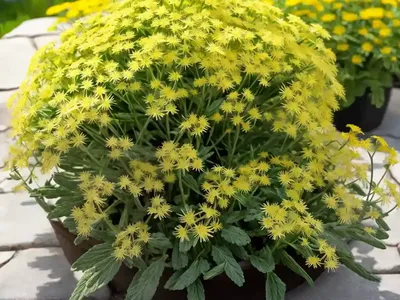
- Container Gardening: Due to its adaptability to container cultivation, silver ragwort is widely used in container gardens, including decorative pots and planters on patios, balconies, and terraces.
- Floral Arrangements: The velvety and silver-colored foliage of this plant is often utilized in cut flower arrangements, providing an attractive complement to colorful blooms.
Water
Silver ragwort displays good resilience to drought conditions and is considered relatively drought-tolerant. Proper watering practices are essential, especially during the plant’s establishment phase and in extended periods of dry weather.
Watering Guidelines
- Establishment Phase: Water newly planted silver ragwort regularly to ensure that the soil remains consistently moist but not waterlogged.
- Mature Plants: Once established, silver ragwort typically requires minimal supplemental watering, as it can thrive in dry, well-draining soil.
Sunlight
Silver ragwort thrives in well-lit environments with ample sunlight and can tolerate varying light conditions, including full sun and partial shade.
Sunlight Requirements
- Full Sun: In regions with mild climatic conditions, silver ragwort can thrive in full sun, where it often displays the most vibrant foliage coloration.
- Partial Shade: In hotter climates, providing partial shade during the peak of the day can prevent the foliage from scorching and maintain the plant’s vitality.
Fertilizer
Despite its adaptability to various soil types, silver ragwort benefits from a balanced fertilizer application to support healthy growth and enhanced foliage coloration.
Fertilization Guidelines
- Timing: Apply a balanced, slow-release fertilizer in early spring to provide the plant with essential nutrients for the growing season.
- Frequency: Repeat the fertilization process every 6 to 8 weeks during the active growing period to sustain the plant’s vigor and visual appeal.
Soil
Silver ragwort demonstrates a preference for well-draining soil with moderate fertility. It can adapt to various soil types, provided that proper drainage is maintained to prevent waterlogging.
Soil Requirements
- Drainage: Ensure that the soil has excellent drainage to prevent water accumulation around the plant’s root zone, which can lead to root rot and other issues.
- pH: Silver ragwort tolerates a wide range of soil pH levels, but it typically thrives in neutral to slightly alkaline soils with a pH range of 6.0 to 7.5.
Pruning
Pruning silver ragwort is primarily focused on the removal of spent flowers and any damaged or diseased foliage to maintain the plant’s overall health and visual appeal.
Pruning Techniques
- Deadheading: Regularly remove faded or spent flowers to encourage prolonged blooming and prevent the plant from allocating energy to seed production.
- Foliage Maintenance: Trim any discolored or withered foliage to maintain a tidy appearance and promote the emergence of new growth.
Propagation
Silver ragwort can be propagated through various methods, including division, stem cuttings, and seed sowing. Each propagation technique offers distinct advantages and can be tailored to the preferences and resources of the gardener.
Propagation Methods
- Division: Divide mature plants in early spring or late autumn to propagate silver ragwort and rejuvenate its growth.
- Stem Cuttings: Take stem cuttings from healthy, established plants and root them in a well-draining potting mix to produce new individuals.
- Seed Sowing: Collect seeds from mature flowers, and sow them in a seed-starting mix indoors or directly in the garden bed for natural germination.
Container Planting
The adaptability of silver ragwort to container cultivation makes it an excellent choice for adding texture and visual interest to outdoor and indoor spaces.
Container Planting Tips
- Container Selection: Choose a container with adequate drainage holes to prevent waterlogging and use a well-draining potting mix tailored for perennial plants.
- Placement: Position the container in a location that receives sufficient sunlight, such as a south-facing patio or balcony, to support the plant’s growth and coloration.
Popularity
Silver ragwort has gained widespread popularity due to its remarkable attributes and versatility in garden landscapes and container gardens. Its popularity is attributed to the following factors:
- Ornamental Appeal: The distinctive silver-gray foliage of silver ragwort adds an elegant touch to garden compositions, making it a sought-after choice for landscape designers and home gardeners.
- Low Maintenance: The plant’s resilience and minimal care requirements make it an appealing option for individuals seeking low-maintenance greenery with visual impact.
- Versatility: Silver ragwort’s adaptability to varying light and soil conditions, as well as its container-friendly nature, contributes to its widespread appeal in diverse gardening settings.
Common Diseases
While silver ragwort is generally resistant to many common plant diseases, it may occasionally be susceptible to certain ailments when grown in suboptimal conditions.
Disease Prevention
- Adequate Air Circulation: Ensuring good airflow around the plant can minimize the risk of fungal infections and foliar diseases.
- Proper Watering: Avoid overwatering, which can lead to root rot, and maintain soil moisture at a level that promotes healthy growth without creating excessively damp conditions.
Common Pests
Silver ragwort is known for its resistance to pests due to the natural deterrent properties of its foliage. However, it may encounter occasional pest issues, which can be managed through non-toxic methods.
Pest Management
- Aphids: If aphids are present, gently wash the foliage with a strong stream of water or introduce natural predator insects, such as ladybugs, to control the aphid population.
- Snails and Slugs: Employ organic methods, such as copper barriers or beer traps, to deter snails and slugs from feeding on the foliage.
Botanist’s Tips
- Soil Amendment: Incorporate organic matter, such as compost or well-rotted manure, into the soil to improve its structure and fertility for silver ragwort.
- Mulching: Apply a layer of organic mulch around the base of the plant to conserve soil moisture and suppress weed growth while enhancing the overall soil quality.
- Winter Protection: In colder climates, provide a protective layer of mulch or straw around the base of silver ragwort to insulate the roots from freezing temperatures.
Fun Facts
- Herbal Remedies: In herbal medicine, silver ragwort has been historically used for its purported diuretic and anti-inflammatory properties, and as a potential remedy for various ailments.
- Folklore and Symbolism: Across different cultures, silver ragwort has been associated with qualities such as resilience, purity, and timeless elegance, inspiring various traditions and symbolic meanings.
- Natural Repellent: The aroma of silver ragwort leaves acts as a natural pest repellent, serving as a deterrent for certain insects and pests in garden settings.
Links to External Resources
For additional information on silver ragwort, herbal remedies, and sustainable gardening, consider exploring the following resources:
- Royal Horticultural Society: Silver Ragwort
- American Society for the Prevention of Cruelty to Animals (ASPCA): Pet-Safe Plants
- Permaculture Research Institute: Sustainable Gardening Practices
- National Center for Biotechnology Information (NCBI): Medicinal Properties of Senecio Species
In conclusion, the silver ragwort (Jacobaea maritima) is a multifaceted plant with diverse applications in ornamental horticulture, traditional herbal medicine, and sustainable gardening practices. By understanding its cultural uses, care requirements, and ecological attributes, gardeners can fully appreciate and harness the potential of this resilient and visually captivating perennial.
By addressing the significance of silver ragwort in various contexts, sharing essential care guidelines, and highlighting its ecological benefits, this article aims to provide a comprehensive understanding of the plant’s versatility and value in gardening and horticulture.