Dusty-miller (Jacobaea Maritima)
Dusty-miller, scientifically known as Jacobaea maritima, is a plant cherished for its beautiful silver-gray foliage. It is a versatile plant that can be.
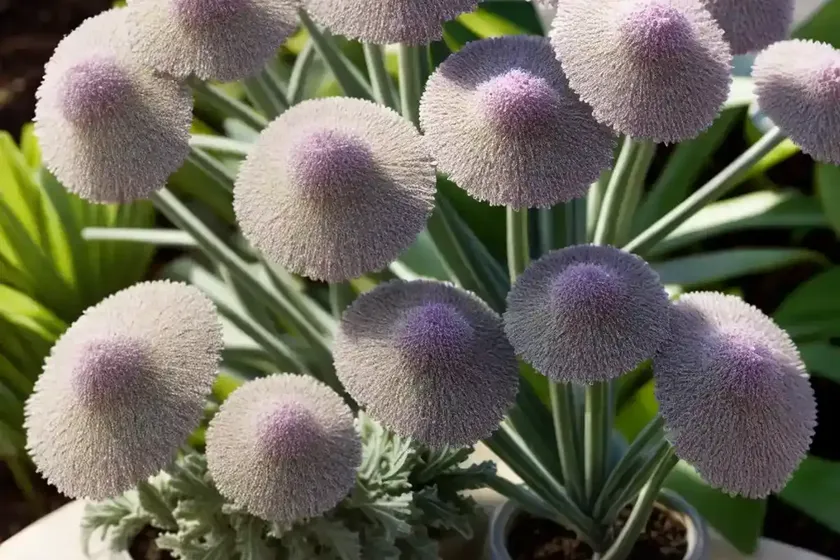
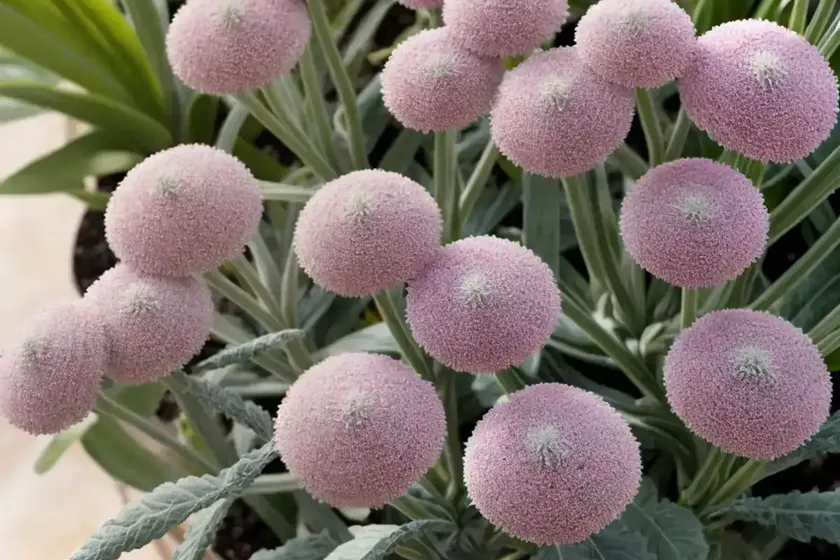
Dusty-miller, scientifically known as Jacobaea maritima, is a plant cherished for its beautiful silver-gray foliage. It is a versatile plant that can be used for various purposes ranging from landscaping to medicinal applications. In this comprehensive guide, we will delve into the various aspects of Dusty-miller, including its cultural preferences, uses, care tips, and much more.
What is Dusty-Miller (Jacobaea maritima)?
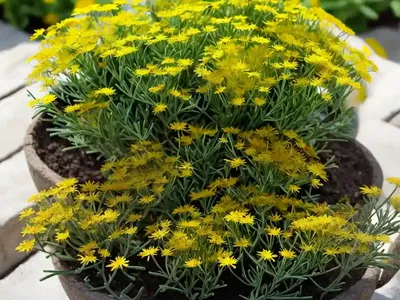
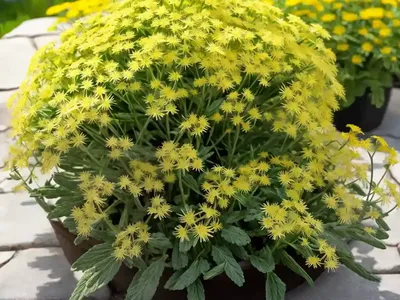
Dusty-miller, or Jacobaea maritima, is a herbaceous perennial plant native to the Mediterranean region. It belongs to the Asteraceae family and is known for its distinct silver-gray foliage. The plant typically grows in compact mounds, and it produces small, yellow, button-like flowers in the summer. However, it is primarily cultivated for its attractive foliage rather than its blooms.
The silvery leaves of Dusty-miller are deeply lobed and covered in fine, downy hairs, giving them a soft, velvety texture. This unique appearance makes Dusty-miller a popular choice for ornamental gardens, rock gardens, and as a filler plant in mixed borders.
Key Takeaways – Dusty-Miller (Jacobaea maritima)
Before we delve into the specifics of cultivating and caring for Dusty-miller, let’s take a look at some key takeaways about this plant:
- Dusty-miller, or Jacobaea maritima, is a herbaceous perennial with silvery-gray foliage.
- It is primarily grown for its attractive leaves rather than its flowers.
- The plant is well-suited for landscaping, container gardening, and as a companion plant.
- Dusty-miller exhibits drought tolerance and can thrive in various environmental conditions.
- It has cultural uses, including medicinal and aesthetic applications.
Now, let’s explore the various aspects of Dusty-miller in detail, from its cultural preferences to its propagation and potential diseases.
Culture
Understanding the cultural requirements of Dusty-miller is essential for ensuring its successful growth and development. From water and sunlight to soil and pruning, each aspect plays a crucial role in shaping the health and appearance of the plant.
Uses
Landscaping
Dusty-miller is a popular choice for landscaping due to its striking foliage color and texture. It is often used as a border plant, edging plant, or as a contrasting element in garden designs. The silvery leaves add a unique visual appeal to the landscape, particularly when planted alongside vibrant, colorful flowers.
Container Gardening
In addition to being used in traditional garden beds, Dusty-miller is well-suited for container gardening. Its compact growth habit makes it an excellent option for adding texture and interest to potted arrangements. Whether used alone or in combination with other plants, Dusty-miller can thrive in containers placed on patios, balconies, or other outdoor spaces.
Medicinal Applications
While primarily grown for ornamental purposes, Dusty-miller is also known for its potential medicinal properties. The plant has been used in traditional medicine for its purported anti-inflammatory and wound-healing properties. However, it’s important to consult a healthcare professional before using Dusty-miller for any medicinal purposes.
Water
Dusty-miller exhibits good drought tolerance once established, making it suitable for Mediterranean and xeriscaping gardens. The plant prefers well-draining soil and is susceptible to root rot if overwatered. When watering Dusty-miller, it’s essential to allow the soil to dry out slightly between waterings to prevent waterlogged conditions.
Sunlight
In terms of sunlight requirements, Dusty-miller thrives in full sun to partial shade. While it can tolerate some shade, it typically performs best in locations with ample sunlight. When grown in full sun, the silvery foliage of Dusty-miller often appears more vibrant and adds a striking visual contrast to its surroundings.
Fertilizer
Dusty-miller generally has low to moderate fertility needs. When planted in nutrient-rich soil, it may not require regular fertilization. However, if the soil is poor or if the plant displays signs of nutrient deficiency, a balanced, slow-release fertilizer can be applied in the spring to support healthy growth.
Soil
The ideal soil for Dusty-miller is well-draining and slightly alkaline with a pH range of 6.0 to 7.5. Sandy or loamy soils are suitable for this plant, but it’s essential to ensure that the soil does not become waterlogged, as excessive moisture can lead to root rot.
Pruning
Dusty-miller benefits from occasional pruning to maintain its shape and promote bushy growth. By removing spent or damaged foliage and encouraging lateral branching, the plant can maintain its compact and attractive form. Pruning can also help to prevent the plant from becoming leggy, especially in areas with extended growing seasons.
Propagation
Dusty-miller can be propagated through various methods, including division, stem cuttings, and seeds. Each method has its own set of advantages and challenges, and the choice of propagation technique often depends on the resources and expertise available to the gardener.
Division
Dividing established Dusty-miller clumps is a straightforward method of propagation. It involves carefully separating the root mass into smaller sections, each with its own set of roots and growing points. Division is typically conducted in the early spring or fall when the plant is not actively flowering.
Stem Cuttings
Taking stem cuttings from healthy, non-flowering shoots is another effective way to propagate Dusty-miller. The cuttings are rooted in a suitable potting medium and kept under controlled conditions until they develop a strong root system. This method allows gardeners to produce new plants that are genetically identical to the parent plant.
Seeds
While Dusty-miller can be grown from seeds, this method is less commonly used due to the plant’s slow germination and growth rate. When collecting Dusty-miller seeds, it’s important to ensure that they are fully mature and viable. The seeds can then be sown in a well-draining seed-starting medium and kept under favorable conditions for germination.
Container Popularity
As mentioned earlier, Dusty-miller is well-suited for container gardening. Its adaptability to container growth, combined with its striking foliage, has contributed to its popularity as an ornamental plant for pots and planters. When grown in containers, Dusty-miller can serve as a focal point or a complementary element in mixed arrangements, adding visual interest and texture to the overall composition.
Common Diseases
While Dusty-miller is generally resistant to most pests and diseases, it can occasionally encounter issues that affect its health and appearance. Some common diseases that may affect Dusty-miller include:
- Powdery Mildew: A fungal disease that manifests as a white, powdery coating on the leaves, stems, and flowers.
- Root Rot: Often caused by overwatering or poorly draining soil, leading to the decay of the plant’s root system.
- Botrytis Blight: This fungal disease can cause brown spots and stem rot, particularly in conditions of high humidity and poor air circulation.
Disease Diagnosis
Diagnosing and treating diseases in Dusty-miller requires careful observation and prompt action. By monitoring the plant for any signs of abnormal growth, discoloration, or lesions, gardeners can detect potential issues early and take the necessary steps to address them. Maintaining proper cultural practices, such as providing adequate air circulation and avoiding overwatering, can also help prevent common diseases from affecting Dusty-miller.
Common Pests
Dusty-miller is relatively resistant to pest infestations, but it may still attract certain insects under favorable conditions. Some of the common pests that can affect Dusty-miller include:
- Aphids: Small, sap-sucking insects that can cluster on the new growth of the plant, leading to distorted leaves and stunted growth.
- Spider Mites: These tiny arachnids can infest Dusty-miller, causing stippling, webbing, and overall decline in plant health.
- Slugs and Snails: These mollusks can feed on the foliage of Dusty-miller, leading to irregular holes and damage to the leaves.
Implementing integrated pest management strategies, such as physical removal of pests, applying horticultural oils or insecticidal soaps, and promoting natural predators, can help control pest infestations without harming the plant or the environment.
Botanist’s Tips
As a plant scientist, I have a few additional tips to share for cultivating and caring for Dusty-miller:
-
Companion Planting: Consider pairing Dusty-miller with plants that complement its silvery foliage, such as purple or blue-flowering perennials. This combination can create a visually stunning display in the garden.
-
Overwintering: In regions with cold winters, provide extra protection to Dusty-miller by applying a layer of mulch around the base of the plant to insulate the roots and protect them from freezing temperatures.
-
Soil Amendment: If the soil in your garden is heavy or poorly draining, amend it with organic matter such as compost or peat moss to improve overall soil structure and drainage.
-
Harvesting Leaves: If you’re interested in using Dusty-miller leaves for decorative purposes or crafts, harvest them when the plant is actively growing and the foliage is at its peak.
Now that we’ve covered the fundamental aspects of Dusty-miller, including its cultivation, uses, and care tips, let’s explore additional insights and fun facts about this fascinating plant.
Fun Facts
- Historical Significance: Dusty-miller has a rich historical background and has been cultivated for centuries due to its ornamental and potential medicinal uses.
- Pollinator Attraction: Despite being grown primarily for its foliage, Dusty-miller can produce small, yellow flowers that attract various pollinators, adding ecological value to the garden.
- Foliage Arrangements: The silvery leaves of Dusty-miller are popularly used in floral arrangements and bouquets to add a unique texture and contrast to the overall composition.
- Drought Tolerance: One of the remarkable characteristics of Dusty-miller is its ability to thrive in dry, arid conditions, making it an excellent choice for water-wise gardening.
Now that we’ve explored the various facets of Dusty-miller, from its cultural preferences to its propagation and potential uses, let’s dive deeper into the world of Dusty-miller through external resources and links to further expand your knowledge.
Links to External Resources
To further enhance your understanding of Dusty-miller and its cultivation, applications, and characteristics, here are some valuable external resources:
-
Dusty Miller: A Plant for All Seasons (Royal Horticultural Society)
-
Growing Dusty Miller: Tips at a Glance (The Old Farmer’s Almanac)
-
Dusty Miller: Characteristics and Growing Guide (The Spruce)
-
Dusty Miller (Jacobaea maritima) Care and Propagation (Balcony Garden Web)
-
Asteraceae Family: Plant Profile, Care, and Landscaping Ideas (Gardening Know How)
By exploring these resources, you can gain further insights into the world of Dusty-miller, its attributes, and its potential applications in various settings.
In conclusion, Dusty-miller (Jacobaea maritima) is a fascinating plant that offers a myriad of opportunities for ornamental, landscaping, and potential medicinal purposes. With its striking silver-gray foliage and resilience in diverse environmental conditions, Dusty-miller has captured the attention of gardeners, landscapers, and plant enthusiasts worldwide. By embracing the cultural preferences, care tips, and potential uses of Dusty-miller, you can unlock the full potential of this captivating plant and create stunning, visually appealing landscapes and gardens.
Remember, each Dusty-miller plant has its own personality, so take the time to observe and care for them, and you’ll be rewarded with their remarkable beauty and resilience throughout the seasons.