Silver Falls (Dichondra Argentea)
In the world of landscaping and gardening, the diversity of plant species offers countless opportunities to add beauty, texture, and functionality to.
In the world of landscaping and gardening, the diversity of plant species offers countless opportunities to add beauty, texture, and functionality to outdoor spaces. Among the diverse plant species available for cultivation, Dichondra argentea, commonly known as Silver Falls, stands out as an excellent choice for ground cover, hanging baskets, and container gardening. Not only is it visually appealing, but it also requires minimal maintenance and is versatile in its applications.
This comprehensive guide to Silver Falls (Dichondra argentea) will explore various aspects of this plant, from its cultivation and care to its uses and benefits, helping both novice and experienced gardeners make the most of this stunning and versatile plant.
What is Silver Falls (Dichondra argentea)?
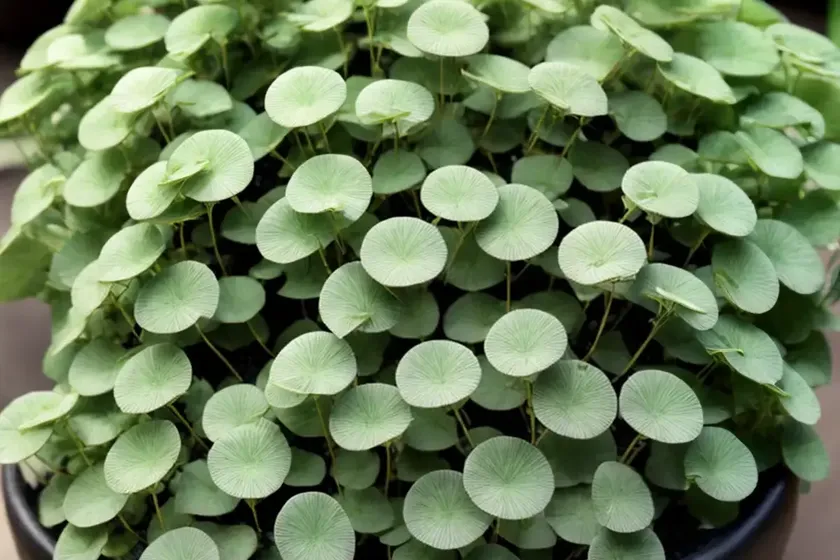
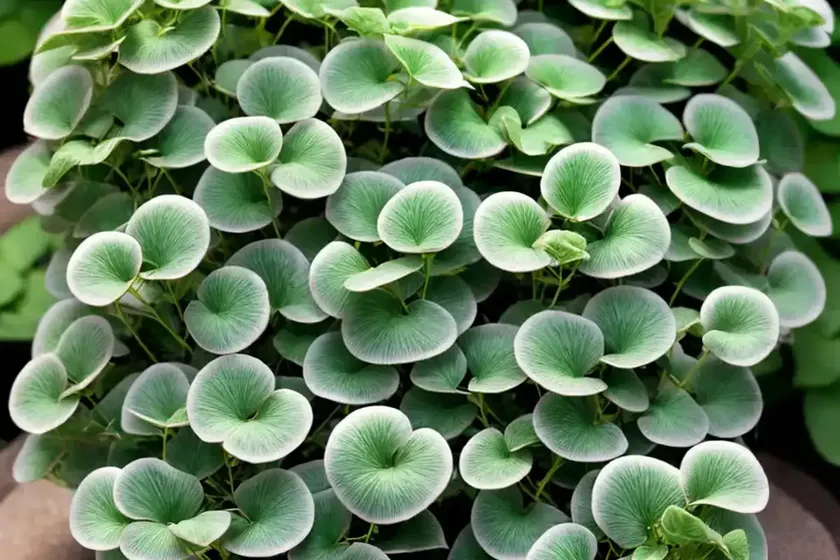
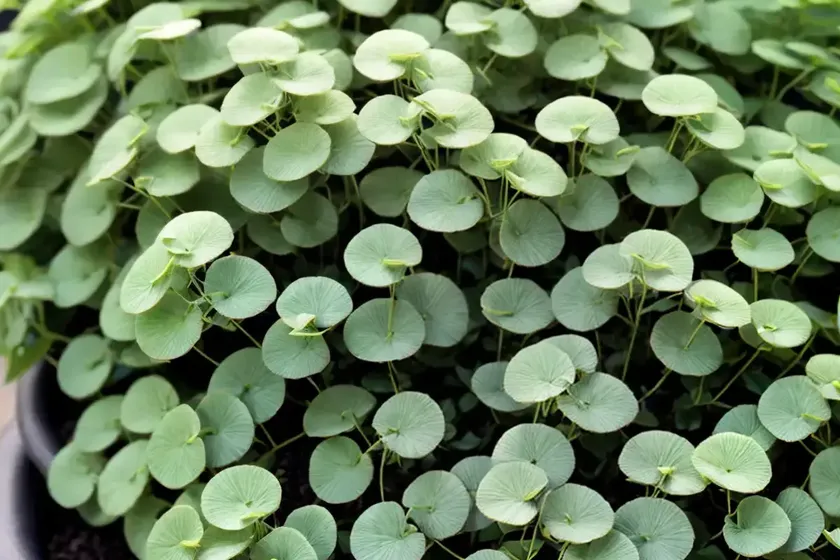
Dichondra argentea, also known as Silver Falls or Silver Ponyfoot, is a trailing perennial plant that belongs to the Convolvulaceae family. This low-growing plant is native to regions of North America and Mexico. It is characterized by its silver-green, small, rounded leaves and a cascading growth habit, making it an ideal choice for ground cover and hanging baskets. Silver Falls is prized for its ability to create a lush, carpet-like appearance and its adaptability to various growing conditions, making it a popular choice in landscaping and gardening.
Key Takeaways
Before delving into the details of Silver Falls (Dichondra argentea) cultivation and care, let’s highlight some key takeaways about this versatile plant:
- Common Name: Silver Falls, Silver Ponyfoot
- Scientific Name: Dichondra argentea
- Plant Type: Trailing perennial
- Uses: Ground cover, hanging baskets, container gardening
- Key Features: Cascading growth habit, silver-green foliage
- Growth Rate: Fast
- Maintenance Level: Low
- Recommended Growing Zones: 10-11 (USDA hardiness zones)
Cultivation and Care of Silver Falls (Dichondra argentea)
To successfully cultivate and care for Silver Falls (Dichondra argentea), it’s essential to understand its specific requirements related to water, sunlight, soil, and maintenance. This section will provide an in-depth overview of each of these aspects, equipping gardeners with the knowledge needed to ensure the healthy growth and vigor of this stunning plant.
Water
Silver Falls (Dichondra argentea) has moderate water needs, and it’s crucial to maintain optimal soil moisture levels to support its growth and prevent drying out or waterlogging. The following guidelines can help gardeners in effectively managing the watering needs of Silver Falls:
- Regular, Even Moisture: While Silver Falls is relatively drought-tolerant once established, it thrives best with regular, even moisture. Aim to water the plant when the soil feels slightly dry to the touch, ensuring that the soil doesn’t remain soggy for extended periods.
- Avoid Overwatering: Overwatering can lead to root rot and other moisture-related issues. It’s advisable to allow the top layer of soil to dry out between watering sessions to strike the right balance.
- Deep Watering: When watering Silver Falls, aim to water deeply to encourage healthy root development. Shallow watering may promote surface root growth, which can make the plant more susceptible to drying out.
Sunlight
Silver Falls (Dichondra argentea) thrives in full sun to partial shade, making it adaptable to a wide range of light conditions. The following sunlight requirements should be considered when cultivating Silver Falls:
- Full Sun: In regions with mild temperatures, providing Silver Falls with full sun exposure can promote lush, vigorous growth and help enhance the silvery sheen of its foliage.
- Partial Shade: In hotter climates, providing partial shade during the hottest part of the day can help prevent the foliage from scorching and maintain its vibrant appearance.
Fertilizer
Proper nutrition is essential for the healthy growth and development of Silver Falls (Dichondra argentea). While these plants are not heavy feeders, providing a balanced fertilizer can contribute to their overall vigor. Consider the following tips when fertilizing Silver Falls:
- Balanced Fertilizer: Choose a balanced, water-soluble fertilizer with a formulation such as 20-20-20 or 10-10-10. Apply the fertilizer at half strength every 4-6 weeks during the growing season to provide essential nutrients without risking fertilizer burn.
- Avoid Excessive Fertilization: Over-fertilizing Silver Falls can lead to an excess of lush foliage at the expense of flowering. It’s crucial to follow recommended fertilization guidelines to maintain a healthy balance.
Soil
The choice of soil directly impacts the health and growth of Silver Falls (Dichondra argentea). The following soil considerations are crucial for cultivating and caring for this plant:
- Well-Draining Soil: Silver Falls thrives in well-draining soil to prevent waterlogging and avoid root suffocation. A mix of quality potting mix and coarse sand can enhance soil drainage for container-grown plants.
- Soil pH: This plant prefers slightly acidic to neutral soil with a pH range of 6.0-7.0. Amending the soil with organic matter can help achieve and maintain the optimal pH range for Silver Falls.
Pruning
Pruning is an essential aspect of maintaining the appearance and health of Silver Falls (Dichondra argentea). Regular pruning helps manage the plant’s growth and shape, and it can also rejuvenate the plant and encourage denser growth. Consider the following pruning practices for Silver Falls:
- Pinching Tips: Pinching the growing tips of Silver Falls can encourage lateral branching and a fuller, more bushy growth habit. This practice is particularly beneficial for container-grown Silver Falls and hanging baskets.
- Trimming: Periodically trimming back any leggy or straggly growth can help maintain a neat and compact appearance. Use clean, sharp pruning shears to make precise cuts without causing unnecessary damage to the plant.
Propagation
Propagating Silver Falls (Dichondra argentea) allows for the expansion of your plant collection and the renewal of older plants. The following propagation methods are suitable for Silver Falls:
- Stem Cuttings: Propagating Silver Falls from stem cuttings is a reliable and straightforward method. Take 3-4 inch stem cuttings from healthy, mature plants and root them in a well-draining propagation medium, such as a mix of perlite and peat moss.
- Division: Silver Falls can also be propagated through division. Carefully separate the root ball into smaller sections, ensuring that each division has sufficient roots and foliage to sustain its growth.
Container Gardening with Silver Falls (Dichondra argentea)
Silver Falls (Dichondra argentea) is exceptionally well-suited for container gardening, making it an excellent choice for adding trailing beauty to patios, balconies, and outdoor living spaces. When cultivating Silver Falls in containers, several key considerations can optimize its growth and visual impact:
- Container Selection: Choose containers with adequate drainage holes to prevent waterlogging and ensure proper soil aeration. Hanging baskets, window boxes, and tall, narrow containers can showcase the cascading growth of Silver Falls.
- Well-Draining Soil Mix: Use a high-quality, well-draining potting mix enriched with organic matter to provide the ideal growing medium for Silver Falls in containers.
- Watering: Container-grown Silver Falls may require more frequent watering, especially during hot, dry weather. Monitor soil moisture closely and adjust the watering frequency as needed to maintain optimal growing conditions.
- Fertilization: Apply a balanced, water-soluble fertilizer at half strength every 4-6 weeks during the growing season to supply essential nutrients to container-grown Silver Falls.
Popularity of Silver Falls in Containers
The versatility and visual appeal of Silver Falls make it a popular choice for container gardening among enthusiasts and professional landscapers alike. Its cascading growth habit and silvery foliage lend a touch of elegance to various types of containers, from hanging baskets to tall planters. Whether used as a standalone focal point or combined with other trailing or upright plants, Silver Falls adds a unique charm to container gardens and outdoor spaces.
Common Diseases and Pest Control for Silver Falls (Dichondra argentea)
Despite being relatively low-maintenance, Silver Falls (Dichondra argentea) is susceptible to certain diseases and pests that can affect its health and appearance. Recognizing the symptoms of common diseases and implementing effective pest control measures can help ensure the ongoing vitality of Silver Falls.
Disease Diagnosis
- Fungal Diseases: Silver Falls may be affected by fungal infections, such as powdery mildew and leaf spot diseases. Symptoms include white powdery growth on the foliage, yellowing or browning of leaves, and the appearance of dark spots or lesions.
- Root Rot: Overwatering or poorly draining soil can lead to root rot in Silver Falls. Symptoms include wilting, yellowing, and stunted growth.
- Preventive Measures: To prevent fungal diseases and root rot, avoid overhead watering, provide adequate air circulation around the plants, and ensure proper soil drainage. Promptly remove and destroy any infected plant material to prevent the spread of diseases.
Common Pests
- Aphids: These small, soft-bodied insects may infest Silver Falls, particularly during periods of new growth. Aphids feed on plant sap, causing distorted growth and the development of sticky honeydew on the foliage.
- Spider Mites: Spider mites are tiny arachnids that feed on the undersides of Silver Falls leaves, causing stippling, discoloration, and webbing.
- Integrated Pest Management: Implementing integrated pest management practices, such as regularly monitoring for pest activity, using insecticidal soaps, and attracting natural predators, can help control aphids, spider mites, and other common pests.
Botanist’s Tips for Growing Silver Falls (Dichondra argentea)
As a seasoned plant scientist, I’d like to offer some additional insights and tips for successfully growing and caring for Silver Falls (Dichondra argentea):
- Companion Planting: Consider companion plants that complement the trailing beauty of Silver Falls, such as vibrant petunias, cascading lobelia, or upright ornamental grasses. Companion planting can enhance the visual appeal of container gardens and mixed plantings.
- Seasonal Care: While Silver Falls is relatively resilient, providing some protection during extreme weather conditions, such as intense heat or prolonged periods of heavy rain, can help maintain its healthy growth and appearance.
- Winter Protection: In regions with mild winters, Silver Falls may persist as a perennial. In colder climates, providing winter protection, such as moving container-grown plants indoors or providing a protective mulch layer, can help ensure their survival through the winter months.
Fun Facts About Silver Falls (Dichondra argentea)
As we explore the fascinating world of Silver Falls (Dichondra argentea), let’s uncover some fun and intriguing facts about this versatile plant:
- Native Habitat: Silver Falls is native to regions of North America, where it thrives in various natural habitats, from rocky slopes to woodland edges.
- Drought Tolerance: With its moderate water needs and resilient nature, Silver Falls exhibits commendable drought tolerance once established, making it a valuable plant for water-wise landscaping.
- Butterfly Attraction: The cascading foliage of Silver Falls and its nectar-producing flowers can attract butterflies, adding an enchanting quality to outdoor spaces.
Links to External Resources
For further information on Silver Falls (Dichondra argentea) and related topics, consider exploring the following external resources:
- Silver Falls Plant Care Guide – The Spruce
- Growing Silver Falls – Gardening Know How
- Dichondra argentea – Missouri Botanical Garden
- Container Gardening Tips – Royal Horticultural Society
- Integrated Pest Management – University of California Statewide Integrated Pest Management Program
Silver Falls (Dichondra argentea) stands as a versatile and visually captivating plant that offers a wide range of applications, from ground cover and container gardening to hanging baskets and mixed plantings. By understanding and implementing the essential cultivation and care practices outlined in this guide, gardeners can harness the beauty and resilience of Silver Falls to enhance their outdoor spaces and create stunning landscape displays. Whether cascading from hanging planters or adorning garden beds, the silvery foliage of Silver Falls adds a touch of elegance and charm to any setting, making it a valuable addition to the world of ornamental horticulture.