Silphium Terebinthinaceum (Prairie Dock)
Silphium terebinthinaceum, commonly known as Prairie Dock, is a striking perennial plant that belongs to the Asteraceae family. This robust and versatile.
Silphium terebinthinaceum, commonly known as Prairie Dock, is a striking perennial plant that belongs to the Asteraceae family. This robust and versatile plant is native to North America and offers a plethora of ecological, cultural, and medicinal benefits. Whether you are an avid gardener, a plant enthusiast, or simply intrigued by the wonders of nature, this comprehensive guide will provide you with invaluable insights into the characteristics, cultivation, ecological significance, and practical uses of Silphium terebinthinaceum.
What is Silphium terebinthinaceum (Prairie Dock)?
Silphium terebinthinaceum, often referred to as Prairie Dock, is a perennial plant that is known for its impressive height, striking flowers, and remarkable ecological contributions. This native North American plant is characterized by its robust, deep-reaching taproot, which enables it to thrive in a variety of environmental conditions. The impressive size and resilience of Prairie Dock make it an excellent addition to gardens, natural landscapes, and wildlife habitats.
Silphium terebinthinaceum Characteristics
- Height: Prairie Dock plants can reach towering heights, often exceeding 7 feet, making them an imposing presence in any landscape.
- Leaves: The leaves of Silphium terebinthinaceum are large, deeply lobed, and often have a rough texture, adding to the plant’s unique visual appeal.
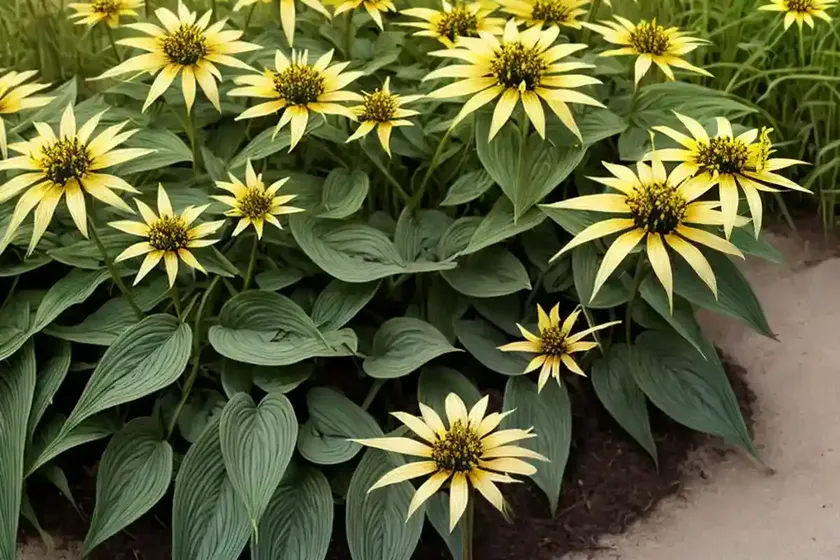
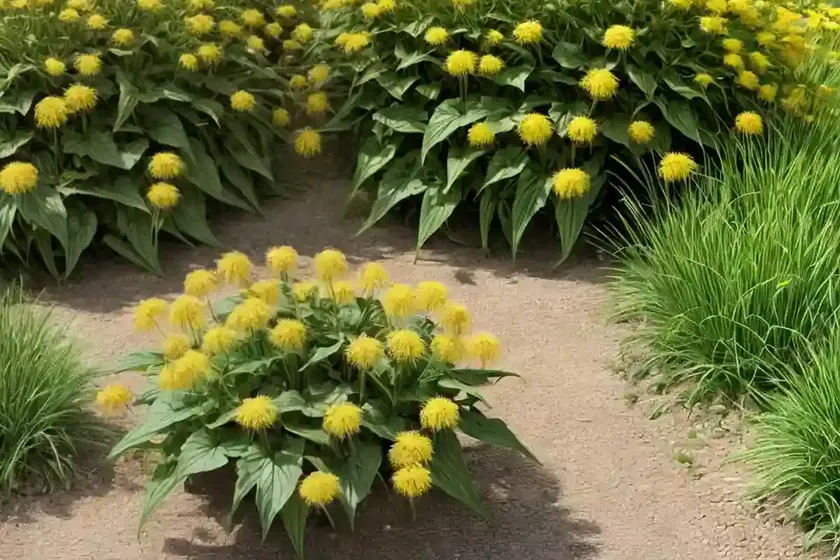
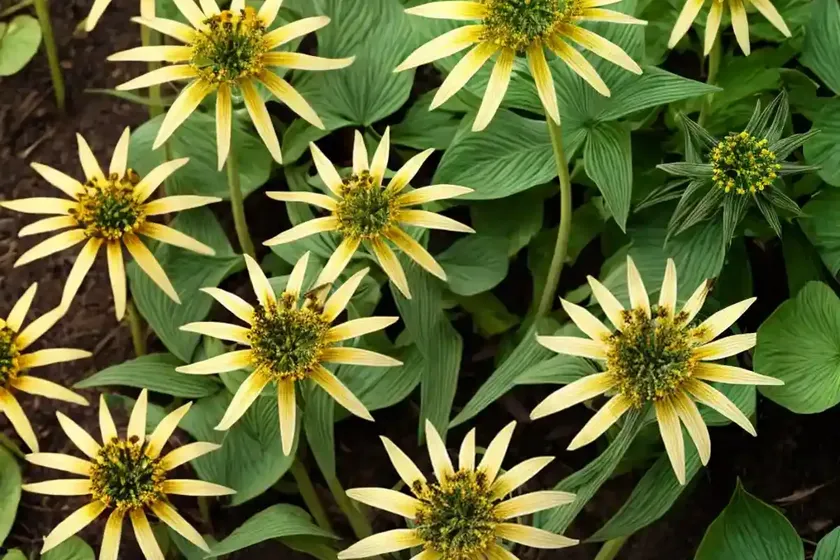
- Flowers: The flowers of Prairie Dock are a highlight of the plant, featuring bright yellow petals and a prominent brown central disc. These blooms are not only visually striking but also play a crucial role in supporting local pollinators and wildlife.
- Ecological Adaptability: Silphium terebinthinaceum is well-suited to a range of environmental conditions, including moist prairies, dry meadows, and even roadside habitats, showcasing its remarkable ecological versatility.
Prairie Dock Flower
The Prairie Dock flower is a distinct feature that adds natural beauty and ecological significance to any environment where the plant is cultivated. The bright yellow petals and prominent brown center of the flower not only make it visually appealing, but also attract a variety of pollinators, contributing to the biodiversity of its habitat.
Silphium terebinthinaceum Uses
Silphium terebinthinaceum has a multifaceted array of uses, ranging from its ecological contributions to its cultural and medicinal significance. Its noteworthy uses include:
- Ecological Benefits: Prairie Dock serves as a valuable native plant that supports local ecosystems by providing habitat and food for pollinators, birds, and other wildlife.
- Cultural Significance: In addition to its ecological importance, Silphium terebinthinaceum holds cultural significance, featuring in folklore and traditions of various indigenous communities.
- Medicinal Properties: Historically, Prairie Dock has been utilized for its medicinal properties, with parts of the plant used in traditional remedies and herbal teas.
Prairie Dock Habitat
Silphium terebinthinaceum thrives in a diverse range of habitats, making it a versatile and valuable addition to various landscapes. Its ability to adapt to different moisture levels and environmental conditions contributes to its widespread presence in natural ecosystems and cultivated gardens.
Silphium terebinthinaceum Cultivation
Cultivating Prairie Dock can be a rewarding experience, whether it’s integrated into a naturalistic landscape or established in a dedicated garden setting. Understanding the key factors that contribute to successful cultivation is essential for harnessing the full potential of this remarkable plant.
Key Takeaways – Silphium terebinthinaceum (Prairie Dock)
Silphium terebinthinaceum, also known as Prairie Dock, offers a wealth of benefits and opportunities for individuals, communities, and ecosystems. By delving into its cultural, ecological, and practical significance, one can gain a deeper appreciation for the remarkable qualities of this native plant.
Culture
Cultivating Silphium terebinthinaceum requires an understanding of its native habitat, growth habits, and specific cultural requirements. By appreciating its cultural significance and ecological value, individuals can enhance their cultivation practices and overall appreciation of Prairie Dock.
Uses
The multifaceted uses of Silphium terebinthinaceum span ecological, cultural, and medicinal realms, making it a plant of considerable value and significance. Understanding and harnessing these diverse uses can lead to a more integrated and sustainable approach to cultivating and conserving Prairie Dock.
Water
Water is a vital resource for the successful growth and development of Silphium terebinthinaceum. Understanding the plant’s water requirements and implementing appropriate watering practices are essential for supporting its overall health and resilience.
Sunlight
Sunlight plays a crucial role in the growth and flowering of Silphium terebinthinaceum. By considering the plant’s sunlight needs and optimizing its exposure to natural light, individuals can promote vigorous growth and prolific flowering in Prairie Dock.
Fertilizer
Fertilization can significantly impact the growth and vitality of Silphium terebinthinaceum. By employing appropriate fertilization strategies and understanding the plant’s nutrient requirements, individuals can optimize the health and productivity of Prairie Dock.
Soil
The soil conditions in which Silphium terebinthinaceum is cultivated can profoundly influence its overall well-being and performance. By identifying the optimal soil characteristics and implementing suitable soil management practices, individuals can create an ideal growing environment for Prairie Dock.
Pruning
Pruning is an important aspect of maintaining the health, appearance, and longevity of Silphium terebinthinaceum. By mastering the art of pruning and understanding the specific pruning needs of Prairie Dock, individuals can ensure its continued vitality and aesthetic appeal.
Propagation
Propagation methods play a key role in expanding the presence and accessibility of Silphium terebinthinaceum. By familiarizing oneself with effective propagation techniques and approaches, individuals can contribute to the conservation and cultivation of Prairie Dock.
Container
Cultivating Silphium terebinthinaceum in containers offers unique opportunities and considerations. By understanding the specific requirements of container cultivation and harnessing its potential advantages, individuals can enjoy the beauty and benefits of Prairie Dock in various settings.
Popularity
The growing popularity of Silphium terebinthinaceum reflects its outstanding qualities and potential contributions to diverse environments and communities. Exploring the factors that underpin its popularity can deepen one’s understanding of the plant’s appeal and significance.
Common Diseases
Silphium terebinthinaceum, like many plants, is susceptible to certain diseases that can impact its health and appearance. By identifying common diseases and implementing appropriate disease management strategies, individuals can safeguard the well-being of Prairie Dock.
Disease Diagnosis
Accurately diagnosing diseases that affect Silphium terebinthinaceum is crucial for implementing targeted and effective remedies. By familiarizing oneself with the symptoms and diagnostic methods for common plant diseases, individuals can address issues promptly and effectively.
Common Pests
Pests can pose a threat to the health and vitality of Silphium terebinthinaceum, necessitating proactive pest management measures. By recognizing common pests and deploying suitable pest control strategies, individuals can protect the integrity and productivity of Prairie Dock.
Botanist’s Tips
Insights from botanists and plant experts can offer valuable guidance and perspectives on cultivating and appreciating Silphium terebinthinaceum. By incorporating botanist’s tips and best practices, individuals can enhance their engagement with Prairie Dock and its natural qualities.
Fun Facts
Uncovering intriguing and captivating facts about Silphium terebinthinaceum adds depth and fascination to one’s appreciation of this remarkable plant. Discovering fun and surprising aspects of Prairie Dock can inspire a deeper connection and enthusiasm for its cultivation and conservation.
Links to External Resources
Explore the following links to access additional information and resources related to Silphium terebinthinaceum:
- USDA Plants Database
- Lady Bird Johnson Wildflower Center
- The Xerces Society
- Native Plant Conservation Campaign
As we delve into the vibrant world of Silphium terebinthinaceum, it becomes evident that Prairie Dock is a plant of extraordinary value and significance, offering a rich tapestry of uses, benefits, and ecological contributions. By nurturing a deeper understanding of its characteristics, cultivation, and practical applications, individuals can cultivate, conserve, and celebrate the remarkable qualities of this native North American plant.