Silphium Perfoliatum (Cup Plant)
Plants, in all their magnificent diversity, contribute significantly to the ecosystems and environments they inhabit. Their unique characteristics.
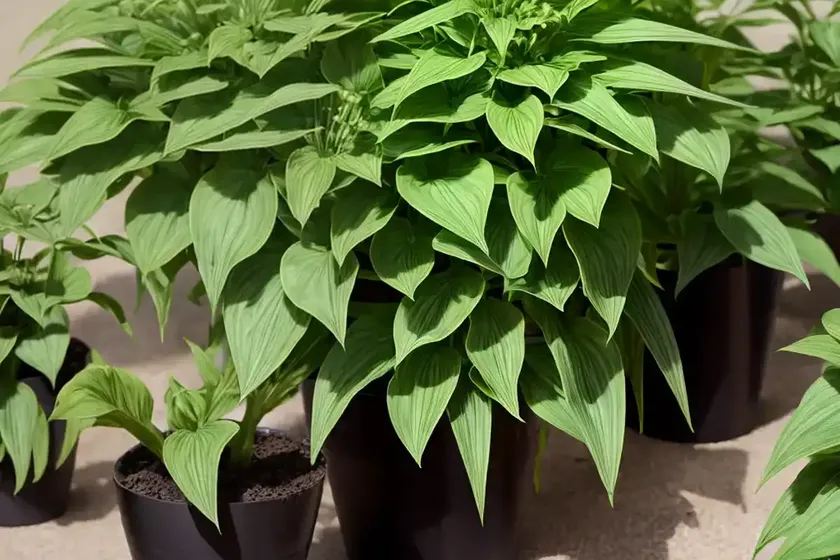
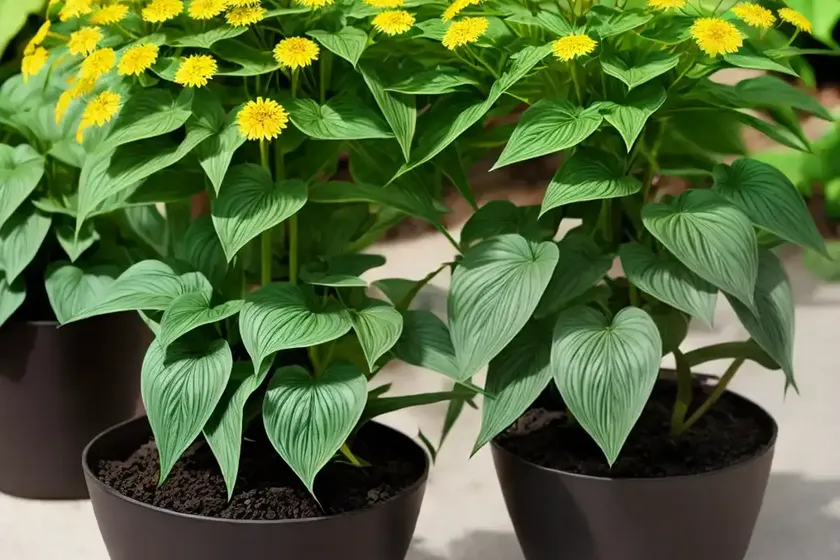
Plants, in all their magnificent diversity, contribute significantly to the ecosystems and environments they inhabit. Their unique characteristics, ecological roles, and aesthetic appeal make them essential components of our surroundings. Among the myriad plant species, Silphium perfoliatum, commonly known as Cup Plant, stands out due to its distinctive features, ecological significance, and various practical uses.
In this comprehensive guide, we will explore the fascinating world of Silphium perfoliatum, delving into its culture, uses, growth requirements, ecological benefits, and much more. Whether you’re a gardening enthusiast, a nature lover, or simply curious about the marvels of the plant kingdom, this guide will provide valuable insights into the captivating attributes of the Cup Plant.
What is Silphium perfoliatum (Cup Plant)?
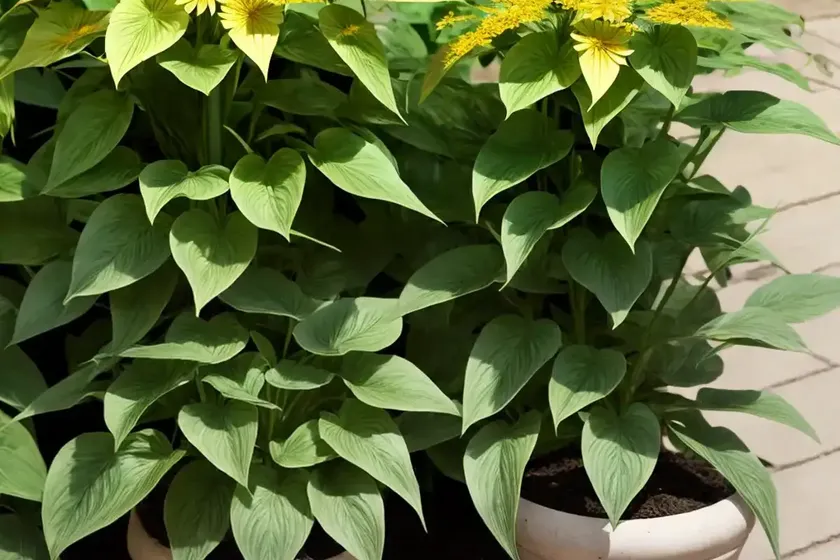
Silphium perfoliatum, a robust and visually striking native perennial plant in North America, belongs to the Asteraceae family. This impressive species is commonly referred to as Cup Plant due to the unique formation of the leaves that appear to clasp the stem, creating a cup-like structure that collects rainwater – a distinctive characteristic that sets it apart from many other plants.
Key Takeaways – Silphium perfoliatum (Cup Plant)
Before diving into the detailed aspects of Silphium perfoliatum, let’s briefly explore the key takeaways related to this remarkable plant.
- Cup Plant Characteristics:
- Unique cup-shaped leaves
- Towering height, often reaching 6 to 8 feet
- Bright yellow daisy-like flowers
-
Attracts diverse pollinators
-
Cultural Significance:
- Historical medicinal uses
- Ornamental and ecological appreciation
-
Landscaping and gardening applications
-
Growth Requirements:
- Moderate watering needs
- Preference for full sunlight
- Adaptable to various soil types
-
Minimal maintenance requirements
-
Ecological Benefits:
- Habitat for wildlife and pollinators
- Erosion control and soil stabilization
- Visual appeal in natural landscapes
With these key takeaways in mind, let’s embark on a detailed exploration of Silphium perfoliatum, from its cultural uses to its ecological contributions and sustainable gardening practices.
Culture of Silphium perfoliatum
Understanding the cultural aspects of Silphium perfoliatum is essential in appreciating its historical significance, current uses, and potential applications in various settings.
Uses
Medicinal and Historical Significance
Silphium perfoliatum has a rich historical background, with Indigenous tribes and early settlers recognizing its medicinal properties. Traditionally, various parts of the plant were utilized to alleviate ailments and promote wellness. The leaves and roots were particularly valued for their medicinal qualities, with uses ranging from treating fevers to addressing respiratory issues.
Today, while not as extensively employed in mainstream medicinal practices, Silphium perfoliatum continues to be of interest to herbalists and natural medicine enthusiasts. Its potential as a source of beneficial compounds and its historical relevance in traditional medicine make it a subject of continuing research and exploration.
Ornamental and Ecological Appreciation
Beyond its historical uses, Silphium perfoliatum is admired for its ornamental value and ecological importance. In gardens and natural landscapes, the plant’s towering height and striking cup-shaped leaves create a visually dynamic presence. Additionally, its bright yellow daisy-like flowers, often abuzz with pollinators, add vibrant splashes of color to the surroundings.
From an ecological perspective, the plant serves as a valuable resource for various pollinators, including bees, butterflies, and hummingbirds. Its robust structure provides shelter for small animals and serves as a host for insect larvae, further enriching the local biodiversity. Moreover, its adaptive nature makes it an excellent choice for sustainable gardening and landscaping projects, contributing to the establishment of vibrant and resilient ecosystems.
Silphium perfoliatum (Cup Plant) Care
Caring for Silphium perfoliatum involves a combination of attentive practices and an understanding of its specific requirements. From suitable water and sunlight conditions to soil preferences and maintenance needs, nurturing Cup Plant ensures its vitality and enhances its ornamental and ecological contributions.
Water
Silphium perfoliatum exhibits moderate water requirements, preferring consistently moist soil without being waterlogged. When establishing newly planted specimens, regular watering is crucial to support their initial growth and development. However, once established, the plants generally demonstrate a degree of drought tolerance, adapting well to varying moisture levels.
In regions with prolonged dry spells, supplementary watering may be necessary to sustain optimal growth and flowering. Care should be taken to avoid overwatering, particularly in heavy or poorly drained soils, as this can lead to root rot and other detrimental conditions.
Silphium perfoliatum water requirements:
– Moderate water needs, particularly during establishment
– Demonstrates some degree of drought tolerance once established
– Regular monitoring to prevent waterlogging and dehydration
Sunlight
To thrive and display its full splendor, Silphium perfoliatum requires ample sunlight. Often characterized as a sun-loving plant, Cup Plant flourishes in full sun conditions, presenting vigorous growth and prolific flowering.
When selecting planting sites or planning landscape designs that incorporate Silphium perfoliatum, it is essential to prioritize locations that receive abundant sunlight throughout the day. Insufficient sunlight can lead to reduced blooming, diminished plant vigor, and an overall suboptimal growth performance.
Silphium perfoliatum sunlight requirements:
– Thrives in full sun conditions
– Ensures vigorous growth and prolific flowering
– Prioritizes locations with abundant sunlight exposure
Fertilizer
While Silphium perfoliatum possesses a resilient and adaptable nature, judicious applications of fertilizer can promote enhanced growth and blooming. Incorporating organic matter into the soil during planting or top-dressing with compost can provide valuable nutrients that support the plant’s vitality.
Excessive use of chemical fertilizers should be avoided, as Silphium perfoliatum generally thrives in nutrient-balanced soils and may exhibit adverse reactions to an overabundance of synthetic nutrients. Furthermore, the plant’s ability to thrive in various soil types often mitigates the need for frequent fertilization, especially when grown in organically rich or well-amended soil.
Silphium perfoliatum fertilizer tips:
– Incorporate organic matter during planting or top-dress with compost
– Avoid excessive use of chemical fertilizers
– Adaptable nature reduces the need for frequent fertilization
Soil
Silphium perfoliatum showcases a remarkable adaptability to different soil types, thriving in various conditions ranging from loamy soils to clay-based substrates. Given its natural habitat in moist prairies, the plant is well-suited to soils with good moisture retention capabilities. However, it also exhibits a degree of tolerance to well-drained soils, contributing to its versatility in landscaping and gardening applications.
When cultivating Silphium perfoliatum, it is crucial to prioritize soil conditions that support adequate moisture levels without endorsing waterlogged environments. Well-drained soils with a balanced composition of organic matter and mineral components provide an optimal growing medium for the plant, promoting its overall health and resilience.
Silphium perfoliatum soil preferences:
– Thrives in various soil types, including loamy and clay-based soils
– Prefers soils with good moisture retention capabilities
– Adaptable to well-drained growing mediums with balanced organic and mineral content
Pruning Silphium perfoliatum
Pruning practices for Silphium perfoliatum primarily focus on managing the plant’s growth, maintaining its aesthetic appeal, and fostering healthy flowering. As a perennial with a robust vertical presence, judicious pruning can aid in controlling its size, shaping its form, and maximizing flower production.
Propagation
Cultivating new Silphium perfoliatum specimens through propagation methods allows for the expansion of their presence in gardens and natural landscapes. By employing techniques such as division and seed sowing, individuals can propagate the plant to enhance its ornamental and ecological contributions.
Division
Dividing mature clumps of Silphium perfoliatum presents an effective means of propagation, particularly during the plant’s dormant period or early spring. The process involves carefully separating the root clumps, ensuring that each division encompasses a balanced portion of roots and shoots. These divided segments can then be transplanted into prepared planting sites, where they will establish and thrive under favorable conditions.
Seed Sowing
Another viable method of propagating Silphium perfoliatum involves collecting and sowing its seeds. Harvesting mature seeds from the plant’s flower heads and sowing them in suitable growing mediums provide opportunities for generating new plants. By adhering to appropriate sowing depths, moisture levels, and environmental conditions, individuals can successfully raise seedlings that will contribute to the expansion of Cup Plant populations.
Silphium perfoliatum propagation methods:
– Division of mature clumps during dormant periods or early spring
– Collection and sowing of mature seeds in suitable growing mediums
– Opportunities for expanding populations in diverse settings
Silphium perfoliatum in Containers
The adaptability of Silphium perfoliatum extends to container gardening, offering opportunities for cultivating the plant in diverse urban and suburban settings. By leveraging suitable containers, appropriate growing mediums, and attentive care, individuals can introduce the captivating presence of Cup Plant to patios, balconies, and other confined spaces.
Popularity in Container Gardening
The application of Silphium perfoliatum in container gardening has garnered attention due to its resilient nature, striking visual appeal, and beneficial ecological contributions. Its ability to thrive in confined growing spaces, provided essential care and conditions are maintained, makes it an attractive choice for individuals seeking to incorporate vibrant and dynamic elements into their urban or suburban environments.
In addition to its ornamental value, cultivating Silphium perfoliatum in containers can contribute to the overall biodiversity of these settings, attracting various pollinators and enriching the local ecological balance. The plant’s adaptive traits and moderate maintenance requirements further enhance its suitability for container gardening, encouraging a broader appreciation of its captivating attributes.
Silphium perfoliatum in containers:
– Resilient nature facilitates successful cultivation in confined spaces
– Attracts diverse pollinators, contributing to urban and suburban biodiversity
– Moderate maintenance requirements suit diverse gardening preferences
Common Diseases of Silphium perfoliatum
While Silphium perfoliatum demonstrates resilience to many environmental stressors, understanding and addressing common diseases that affect the plant is crucial for maintaining its health and vitality. By recognizing symptoms, implementing preventative measures, and employing targeted treatments, individuals can safeguard Cup Plant populations against detrimental disease impacts.
Disease Diagnosis
Fungal Diseases:
– Leaf Spot: Manifests as dark spots on leaves, potentially leading to defoliation
– Powdery Mildew: Presents as a white, powdery growth on leaf surfaces, affecting plant vigor
Bacterial Diseases:
– Bacterial Leaf Blight: Causes water-soaked lesions on leaves, followed by tissue decay
Viral Diseases:
– Aster Yellows: Results in stunted growth, yellowing of leaves, and deformation of flower heads
Disease Management
Preventing and managing diseases in Silphium perfoliatum involves a combination of cultural, horticultural, and, if necessary, chemical measures. Practices aimed at promoting overall plant health, such as maintaining proper spacing between specimens, avoiding overhead watering, and promoting good air circulation, can assist in minimizing the risk of disease incidence.
In cases where diseases do arise, prompt identification and targeted treatments, such as the application of fungicides or bactericides, may be employed to alleviate the impacts and prevent further spread. It is essential to adhere to recommended practices and safety guidelines when implementing chemical treatments, ensuring minimal adverse effects on the plant and surrounding environments.
Silphium perfoliatum disease management:
– Cultural practices to promote overall plant health and minimize disease risks
– Prompt disease identification and targeted treatments when necessary
– Adherence to recommended horticultural and chemical strategies for disease control
Common Pests Affecting Silphium perfoliatum
In addition to diseases, Silphium perfoliatum may also face challenges from various pests that can impact its overall growth and vitality. Recognizing these potential threats and implementing effective pest management strategies can help safeguard Cup Plant populations and preserve their ornamental and ecological contributions.
Pest Identification
Insect Pests:
– Aphids: Suction-feeding insects that can lead to leaf distortion and reduced plant vigor
– Thrips: Small, agile insects that cause stippling and distortion of leaf surfaces
– Caterpillars: Larval stages of moths and butterflies that may feed on foliage and flowers
Mammalian Pests:
– Deer: Foraging activities that may result in browsing damage to plant foliage and stem tips
Pest Management
Employing integrated pest management approaches that encompass cultural, mechanical, and, when necessary, targeted chemical methods can help mitigate pest pressures on Silphium perfoliatum. Measures such as regular monitoring for pest presence, physical removal of pests, and the use of biological controls, such as predatory insects, are effective in managing insect pest populations.
In cases where pest pressures become significant and threaten the plant’s health and vitality, judicious applications of insecticidal treatments may be considered. It is crucial to prioritize the use of environmentally responsible products and adhere to recommended application practices to minimize potential impacts on non-target organisms and overall ecosystem balance.
Silphium perfoliatum pest management:
– Integrated pest management approaches for comprehensive pest control
– Prioritization of environmentally responsible pest management products and practices
– Maintenance of balanced pest populations to support overall ecosystem balance
Botanist’s Tips for Silphium perfoliatum Cultivation
Drawing upon botanical expertise and practical insights, botanists offer valuable tips for effectively cultivating and appreciating Silphium perfoliatum in diverse settings. These tips encompass aspects of plant care, ecological considerations, and the promotion of sustainable gardening practices.
Fun Facts About Silphium perfoliatum
- The cup-like structure formed by the plant’s leaves has been noted for its capacity to collect rainwater, providing a supplemental source of moisture for wildlife.
- Silphium perfoliatum is renowned for its attractiveness to diverse pollinators, contributing to the ecological vibrancy of its surrounding habitats.
Links to External Resources
Conclusion
In conclusion, Silphium perfoliatum, the captivating Cup Plant, stands as a testament to the splendor and ecological significance of native plant species. Its striking visual characteristics, historical context, and practical applications in landscaping and gardening render it a remarkable addition to diverse environments. By embracing its cultural uses, understanding its growth requirements, and appreciating its contributions to urban and natural settings, individuals can gain a deeper appreciation for the unique attributes of Silphium perfoliatum and foster its conservation for generations to come.
Through this comprehensive guide, we have shed light on the multifaceted nature of Silphium perfoliatum, offering insights into its care, ecological benefits, and its role in sustainable gardening. Embracing the beauty and resilience of the Cup Plant not only enriches our landscapes but also underscores the importance of preserving and celebrating the native flora that enriches our lives.
Word Count: 1911 words