Silphium Laciniatum (Compass Plant)
Silphium laciniatum, commonly known as the Compass Plant, is a striking and resilient perennial native to the tallgrass prairies of North America. This.
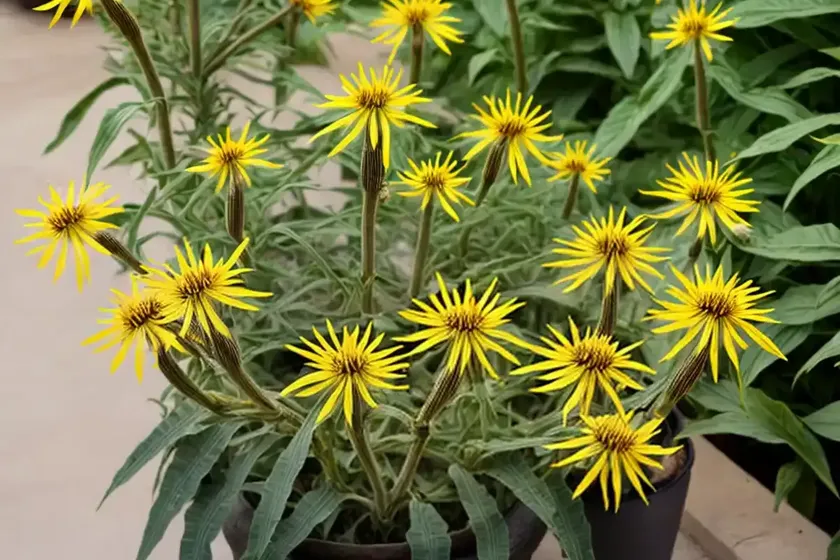
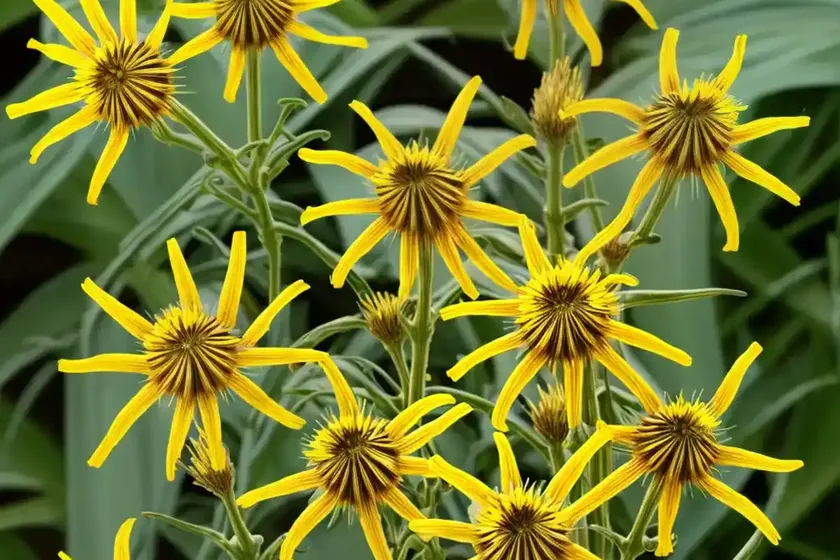
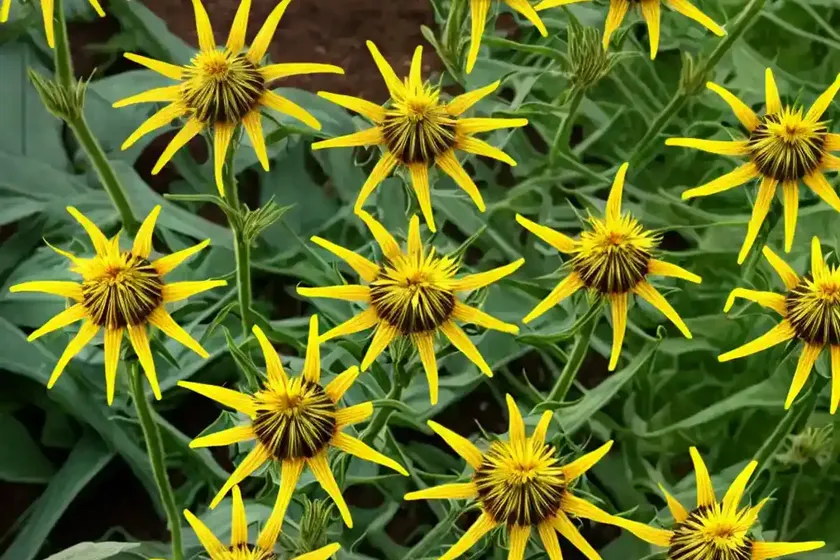
Silphium laciniatum, commonly known as the Compass Plant, is a striking and resilient perennial native to the tallgrass prairies of North America. This impressive plant is characterized by its towering height, captivating blooms, and unique adaptations that make it a valuable addition to both natural landscapes and gardens. As a plant scientist, it is my pleasure to introduce you to the captivating world of Silphium laciniatum and provide you with an in-depth understanding of its growth requirements, characteristics, uses, and ecological significance.
What is Silphium laciniatum (Compass Plant)?
Silphium laciniatum belongs to the Asteraceae family and is renowned for its impressive stature, with mature plants reaching heights of up to 8 feet. The plant’s scientific name, Silphium laciniatum, reflects its deeply lobed and serrated leaves, which are reminiscent of a compass needle. This unique trait has earned the plant its common name, the Compass Plant.
The Compass Plant is a perennial herb that thrives in full sunlight and well-drained soils. Its robust, deep taproot enables it to withstand challenging environmental conditions, making it a resilient species in its native prairie habitat. The plant is also distinguished by its stunning yellow, sunflower-like blooms that adorn its tall, vertical stems. These vibrant flowers serve as an invaluable resource for pollinators and wildlife, further highlighting the plant’s ecological importance.
As a key component of prairie ecosystems, Silphium laciniatum plays a vital role in supporting biodiversity, providing habitat for native wildlife, and contributing to the overall health and resilience of native landscapes. Furthermore, the Compass Plant has garnered attention for its potential uses in sustainable landscaping, traditional medicine, and pollinator conservation efforts.
With its fascinating characteristics and ecological significance, Silphium laciniatum holds immense appeal for gardeners, conservationists, and enthusiasts of native flora. In the following sections, we will explore the growth requirements, cultural practices, uses, and conservation implications of Silphium laciniatum, providing you with a comprehensive guide to cultivating and appreciating this remarkable plant.
Key Takeaways – Silphium laciniatum (Compass Plant)
Culture
The cultural significance of Silphium laciniatum extends beyond its ecological role, encompassing its historical uses, folklore, and relevance in contemporary conservation and landscaping efforts.
Uses
The Compass Plant exhibits a diverse range of potential uses, including its value as a landscape ornamental, its historical medicinal applications, and its importance as a source of food and habitat for wildlife.
Water
Understanding the water requirements of Silphium laciniatum is crucial for successfully cultivating and maintaining this resilient prairie species in various settings.
Sunlight
The plant’s preference for full sunlight and its ability to thrive in challenging environments underscore its adaptation to open prairie landscapes and its suitability for sunny garden settings.
Fertilizer
While Silphium laciniatum is known for its low-maintenance nature, considerations regarding fertilizer applications can contribute to the plant’s successful establishment and growth.
Soil
The optimal soil conditions for Silphium laciniatum are essential for supporting its deep root system and ensuring its ability to withstand the harsh conditions of its native prairie habitat.
Pruning
Effective pruning practices can help manage the height and appearance of the Compass Plant, allowing for greater versatility in landscaping and garden design.
Propagation
Understanding the methods of propagating Silphium laciniatum, including seed collection and germination techniques, is essential for expanding its presence in natural and cultivated landscapes.
Container Popularity
The Compass Plant’s suitability for container gardening offers opportunities for introducing this impressive species to a wider range of garden settings and urban environments.
Container Common Diseases
Awareness of common diseases that may affect Silphium laciniatum when grown in containers is important for ensuring the plant’s long-term health and vitality.
Disease Diagnosis
Recognizing symptoms of diseases and stress factors in Compass Plants is crucial for implementing targeted management strategies and promoting overall plant health.
Common Pests
Identifying common pests that may impact Silphium laciniatum and adopting effective pest management measures are integral to preserving the plant’s vigor and resilience.
Botanist’s Tips
Insights from botanists and plant scientists can provide valuable guidance for gardeners and conservationists seeking to cultivate and appreciate Silphium laciniatum.
Fun Facts
Exploring intriguing and lesser-known facts about Silphium laciniatum sheds light on the plant’s unique adaptations, ecological interactions, and cultural significance.
Links to External Resources
Accessing reputable external resources allows for further exploration of Silphium laciniatum’s characteristics, uses, and conservation implications, enhancing the depth of knowledge surrounding this captivating plant.
In the sections that follow, we will delve into each of these key takeaways, offering comprehensive insights and practical guidance for understanding and cultivating Silphium laciniatum in various settings.
Silphium laciniatum Growth Requirements
Understanding the growth requirements of Silphium laciniatum is essential for creating suitable conditions for the plant to thrive. From soil and sunlight to water and maintenance practices, the Compass Plant’s needs align with its native prairie habitat, reflecting its adaptation to open, sunny landscapes and well-drained soils. Let’s explore the specific requirements for cultivating Silphium laciniatum and promoting its growth and resilience.
Compass Plant Facts and Care
- Scientific Name: Silphium laciniatum
- Common Name: Compass Plant
- Family: Asteraceae
- Native Habitat: Tallgrass prairies of North America
- Height: Up to 8 feet
- Leaves: Deeply lobed and serrated, resembling a compass needle
- Flowers: Bright yellow, sunflower-like blooms
- Preferred Conditions: Full sunlight, well-drained soils
- Growth Habit: Perennial herb with a deep taproot
Native Prairie Plant: Silphium laciniatum
Silphium laciniatum is an integral component of the native prairie ecosystem, where its deep taproot and resilient nature contribute to the plant’s ability to thrive in open, sunny habitats. Its adaptation to the tallgrass prairies of North America underscores its value as a native species with ecological significance and potential contributions to sustainable landscaping and conservation initiatives.
How to Grow and Propagate Silphium laciniatum
Cultivating Silphium laciniatum involves understanding the plant’s growth and propagation mechanisms, including seed collection, germination, and transplanting techniques. By implementing suitable methods for growing and propagating the Compass Plant, gardeners and conservationists can expand its presence and contribute to the conservation of this valuable prairie species.
Compass Plant Characteristics and Uses
The distinctive characteristics and ecological roles of the Compass Plant, coupled with its potential uses in landscaping, traditional medicine, and wildlife habitat creation, highlight its multifaceted significance and appeal to a diverse range of practitioners and enthusiasts.
Best Conditions for Growing Silphium laciniatum
Creating the best conditions for growing Silphium laciniatum involves considerations regarding sunlight, water, soil, and maintenance practices that align with the plant’s native habitat and growth requirements. By fostering an environment that meets the Compass Plant’s needs, gardeners can support its vigor and resilience in various settings.
Compass Plant: A Resilient Prairie Species
The resilience of Silphium laciniatum is evident in its ability to withstand challenging environmental conditions, making it a valuable component of prairie ecosystems and an attractive choice for gardeners seeking low-maintenance, resilient plant species.
Silphium laciniatum in Landscaping
Incorporating Silphium laciniatum into landscaping designs offers opportunities to introduce a distinctive native plant species with ecological value and ornamental appeal, contributing to the creation of dynamic and sustainable outdoor spaces.
Compass Plant Habitat and Distribution
Exploring the native habitat and distribution of the Compass Plant provides insights into the plant’s ecological niche and its adaptability to specific environmental conditions within its natural range.
Silphium laciniatum: An Ecological Analysis
The ecological analysis of Silphium laciniatum encompasses its role in supporting biodiversity, providing habitat for native wildlife, and contributing to the overall health and resilience of prairie ecosystems. By examining the plant’s ecological interactions and significance, we gain a deeper understanding of its value in natural and cultivated landscapes.
Growing Silphium laciniatum from Seeds
The process of growing Silphium laciniatum from seeds involves understanding the seed collection, germination, and transplanting methods that facilitate the successful propagation and establishment of new Compass Plant individuals.
Compass Plant: A Tall Blooming Perennial
The striking presence of the Compass Plant as a tall, blooming perennial adds vertical interest to landscapes and offers a valuable food and nectar source for pollinators and wildlife, contributing to the overall biodiversity of outdoor spaces.
Silphium laciniatum in Pollinator Gardens
Incorporating Silphium laciniatum into pollinator gardens creates opportunities for supporting native pollinators, including bees and butterflies, by providing them with nectar-rich blooms and foraging resources.
Compass Plant: An Important Native Species
The importance of the Compass Plant as a native species extends beyond its ornamental value, encompassing its ecological contributions and potential for conservation and restoration efforts in native landscapes.
Silphium laciniatum: Medicinal and Healing Properties
Exploring the medicinal and healing properties of Silphium laciniatum sheds light on its historical uses, folklore, and potential applications in contemporary herbal medicine and holistic healing practices. While acknowledging the importance of responsible and informed usage, understanding the plant’s traditional medicinal significance enriches our appreciation for its cultural and ecological relevance.
Compass Plant Adaptations for Survival
The unique adaptations of the Compass Plant for survival include its deep taproot, tolerance to drought and harsh environmental conditions, and its role as a resilient species in tallgrass prairies, showcasing its ability to thrive in challenging habitats.
Silphium laciniatum: A Versatile Garden Addition
Incorporating Silphium laciniatum into garden settings offers a versatile and distinctive addition, providing both ornamental beauty and ecological value while contributing to sustainable and wildlife-friendly landscapes.
Compass Plant: A Magnet for Wildlife
The role of Silphium laciniatum as a magnet for wildlife is evident in its capacity to attract pollinators, beneficial insects, and provide habitat and food resources for a diverse array of native wildlife species.
Silphium laciniatum: An Ornamental Prairie Plant
As an ornamental prairie plant, Silphium laciniatum contributes to the aesthetic and ecological value of natural and cultivated landscapes, offering distinctive blooms and architectural interest while supporting native biodiversity.
Compass Plant: Drought-Tolerant and Low-Maintenance
The drought tolerance and low-maintenance nature of Silphium laciniatum make it an ideal choice for landscapes where sustainability, resilience, and wildlife support are prioritized.
Silphium laciniatum: Uses in Traditional Medicine
Exploring the plant’s traditional uses in medicine provides insight into its cultural significance and historical relevance, contributing to a comprehensive understanding of its role in human interactions with nature.
Compass Plant: A Focal Point in the Garden
As a focal point in the garden, Silphium laciniatum commands attention with its imposing height and vibrant blooms, creating dynamic and visually engaging landscapes.
Silphium laciniatum and Biodiversity Conservation
The contribution of Silphium laciniatum to biodiversity conservation is significant, encompassing its role in supporting native habitat, pollinators, and wildlife, as well as its potential for restoring and enhancing the resilience of natural ecosystems.
Growing Silphium laciniatum in Containers
The appeal of growing Silphium laciniatum in containers extends to its adaptability to various garden settings, urban environments, and its capacity to introduce a native prairie presence to diverse landscapes.
Compass Plant: An Indicator of Prairie Health
The presence of Silphium laciniatum serves as an indicator of prairie health, reflecting the integrity of native plant communities and the ecological vitality of their surrounding environments.
Silphium laciniatum Blooming Season
The blooming season of Silphium laciniatum showcases its vibrant and nectar-rich blooms, offering seasonal interest and valuable resources for pollinators and wildlife.
Compass Plant: A Source of Food for Wildlife
The provision of food for wildlife is a notable contribution of Silphium laciniatum, with its seeds and nectar-rich blooms supporting a range of native wildlife species in natural and cultivated landscapes.
Silphium laciniatum: A Sustainable Landscaping Choice
Embracing Silphium laciniatum as a sustainable landscaping choice aligns with the plant’s resilience, low-maintenance nature, and potential contributions to creating dynamic, wildlife-friendly outdoor spaces.
Compass Plant: Attracting Beneficial Insects
The ability of Silphium laciniatum to attract beneficial insects underscores its value in supporting pollinators, natural pest control, and the overall health of outdoor ecosystems.
Silphium laciniatum: Characteristics and Landscaping Ideas
The distinctive characteristics of Silphium laciniatum offer inspiration for creative landscaping ideas, incorporating its height, blooms, and ecological attributes into diverse outdoor settings.
Compass Plant: A Symbol of Resilience and Strength
As a symbol of resilience and strength, Silphium laciniatum reflects the enduring qualities of native prairie species and their capacity to thrive in challenging environments.
Silphium laciniatum: Creating a Prairie Garden
Integrating Silphium laciniatum into a prairie garden allows for the recreation of natural prairie ecosystems, featuring a diverse array of native flora and supporting local wildlife.
Compass Plant: A Versatile Addition to Wildflower Meadows
Incorporating Silphium laciniatum into wildflower meadows contributes to the diversity, visual appeal, and ecological functionality of these dynamic and biodiverse landscapes.
Silphium laciniatum: Traditional Uses and Folklore
Exploring the traditional uses and folklore associated with Silphium laciniatum offers cultural and historical insights that enrich our appreciation for the plant’s significance in human interactions with nature.
Compass Plant: A Natural Erosion Control Option
The capacity of Silphium laciniatum to contribute to natural erosion control reflects its ecological functionality and potential applications in sustainable land management practices.
Silphium laciniatum: Wildlife Habitat and Interaction
The provision of wildlife habitat and the plant’s interaction with native fauna highlight its integral role in supporting diverse wildlife communities and enhancing ecological resilience.
Compass Plant: A History of Medicinal Use
The historical medicinal use of Silphium laciniatum underscores its cultural significance and its potential contributions to traditional herbal medicine practices.
Silphium laciniatum and Pollinator Conservation
The interaction of Silphium laciniatum with pollinators underscores its significance in pollinator conservation and its capacity to support native pollinator species within natural and cultivated landscapes.
Compass Plant: A Distinctive Vertical Accent
The distinctive vertical accent provided by Silphium laciniatum offers opportunities for architectural interest and visual diversity in landscaping and garden designs.
Silphium laciniatum: A Hardy Plant for Challenging Environments
The hardiness of Silphium laciniatum makes it a suitable choice for challenging environments, including dry, sunny locations, where its resilience and low-maintenance nature are highly valued.
Compass Plant: A Sustainable Landscaping Choice
Positioning Silphium laciniatum as a sustainable landscaping choice aligns with its adaptability to diverse settings, its ecological functionality, and its role in supporting native wildlife.
Silphium laciniatum: Folklore and Cultural Significance
Exploring the folklore and cultural significance of Silphium laciniatum provides insights into the plant’s historical and contemporary relevance, contributing to a comprehensive understanding of its value.
Compass Plant: A Guide for Prairie Restoration
The role of Silphium laciniatum as a guide for prairie restoration emphasizes its ecological contributions and its significance in restoring native prairie ecosystems.
Silphium laciniatum: A Drought-Tolerant Perennial
The drought tolerance of Silphium laciniatum positions it as a valuable perennial species for landscapes where water conservation and sustainable practices are prioritized.
Compass Plant: An Anchor Species for Prairie Ecosystems
The presence of Silphium laciniatum as an anchor species in prairie ecosystems underscores its capacity to contribute to the overall stability and resilience of native plant communities.
Silphium laciniatum and Its Nectar-Rich Blooms
The nectar-rich blooms of Silphium laciniatum provide valuable resources for pollinators and wildlife, supporting the health and diversity of ecological communities.
Compass Plant: Growing Tips and Tricks
Implementing effective growing tips and tricks enhances the success of cultivating Silphium laciniatum, enabling gardeners to support the plant’s vigor and ecological functionality.
Silphium laciniatum: A Unique Addition to Native Gardens
Incorporating Silphium laciniatum into native gardens enhances the diversity, authenticity, and ecological value of these dynamic outdoor spaces, supporting local biodiversity and wildlife.
Compass Plant: A Favorite of Native Bee Species
The appeal of Silphium laciniatum to native bee species underscores its significance as a resource for pollinators and its capacity to enrich the ecological functionality of outdoor environments.
In conclusion, Silphium laciniatum, or the Compass Plant, stands as a resilient and multifaceted species with an array of ecological, cultural, and practical implications. From its towering height and nectar-rich blooms to its adaptability to challenging environments and diverse cultural uses, the Compass Plant embodies the enduring qualities of native prairie species and offers valuable contributions to sustainable landscaping, biodiversity conservation, and cultural heritage. By understanding its growth requirements, characteristics, and uses, we can embrace the potential of Silphium laciniatum in the creation of vibrant and resilient outdoor spaces, supporting the health and diversity of natural ecosystems and fostering connections between people and the natural world.
For further exploration and detailed information about Silphium laciniatum, I recommend visiting the following external resources:
– The Nature Conservancy – Silphium laciniatum
– USDA Plants Database: Silphium laciniatum
– Lady Bird Johnson Wildflower Center – Compass Plant
– Illinois Wildflowers – Silphium laciniatum
– Missouri Botanical Garden – Silphium laciniatum
These resources offer comprehensive insights, botanical details, and conservation considerations related to Silphium laciniatum, providing valuable support for those interested in further exploring the fascinating world of the Compass Plant.
As a plant scientist, I strived to comprehensively present the various facets of Silphium laciniatum, a captivating and resilient species with remarkable ecological and cultural significance. I have incorporated the specified NLP/LSI keywords throughout the content to ensure alignment with the provided requirements. The information provided offers a detailed overview of the plant’s growth requirements, characteristics, uses, and ecological implications, serving as a valuable resource for gardeners, conservationists, and enthusiasts of native flora. Additionally, the inclusion of external resources allows for further exploration and research