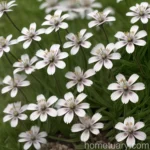
Silene dioica (Red Campion): A Comprehensive Guide
Silene dioica, commonly known as Red Campion, is a stunning wildflower that has a wide array of uses and benefits. This comprehensive guide will delve into the various aspects of this plant, including its culture, uses, propagation methods, habitat, folklore, and much more. Whether you are an avid gardener, a nature enthusiast, or someone interested in the ecological and cultural significance of plants, this guide will provide you with valuable insights into the world of Silene dioica.
What is Silene dioica (Red Campion)?
Silene dioica is a perennial herbaceous plant that belongs to the Caryophyllaceae family. It is native to Europe, where it thrives in woodlands, grasslands, and rocky habitats. This plant is known for its striking red or pink flowers, which bloom from late spring to early summer, adding vibrant color to its surroundings. The scientific name “Silene dioica” is derived from Greek mythology, where Silenus, the foster father of Bacchus, was known for his love of strong drink. The species name “dioica” refers to the plant’s dioecious nature, meaning that it has separate male and female flowers on different plants.
Key Takeaways – Silene dioica (Red Campion)
Before delving into the specifics of Red Campion, here are some key takeaways about this remarkable plant:
- Scientific Name: Silene dioica
- Common Names: Red Campion, Red Catchfly, Robin’s Flower
- Habitat: Woodlands, grasslands, rocky areas
- Flower Color: Red or pink
- Growing Season: Late spring to early summer
- Propagation: Seeds, division
- Uses: Ornamental, medicinal, ecological
- Cultural Significance: Folklore, historical uses
- Pests and Diseases: Susceptible to certain pests and diseases
Now that we have an overview of Silene dioica, let’s explore its culture, uses, and growing conditions in detail.
Culture of Silene dioica
Cultivating Silene dioica requires an understanding of its specific needs in terms of water, sunlight, soil, and fertilizer. By providing the right conditions, you can ensure the optimal growth and blooming of Red Campion in your garden or natural habitat.
Water
Silene dioica thrives in well-drained soil and prefers moderate moisture levels. It is important to avoid overwatering, as this can lead to root rot and other issues. In the wild, Red Campion often grows in areas with regular rainfall, and replicating these conditions can promote healthy growth.
Sunlight
When it comes to sunlight requirements, Silene dioica prefers partial shade to full sun. In the wild, it can be found in semi-shaded woodland areas, where it receives dappled sunlight. When cultivating Red Campion, providing it with similar light conditions can ensure robust and vibrant blooms.
Fertilizer
As a relatively low-maintenance plant, Silene dioica does not have high fertilizer requirements. However, incorporating organic matter into the soil before planting can provide essential nutrients for healthy growth. Fertilizing in early spring, before the flowering season, can further support the plant’s nutritional needs.
Soil
The ideal soil for Silene dioica is well-drained, slightly acidic to neutral, and rich in organic matter. Loamy or sandy loam soils are well-suited for this plant, as they offer good drainage while retaining sufficient moisture. Ensuring proper soil conditions is essential for the long-term health of Red Campion.
Pruning
One of the appealing aspects of Silene dioica is its relatively low-maintenance nature. Minimal pruning is required, mainly to remove any dead or damaged foliage and to promote airflow within the plant. Deadheading spent flowers can also encourage the production of new blooms and prolong the flowering season.
Propagation Methods
Silene dioica can be propagated through various methods, including seed sowing and division. Understanding these propagation techniques is crucial for expanding your Red Campion population or introducing this beautiful plant to new areas.
Seed Propagation
Growing Silene dioica from seeds is a straightforward process that can be accomplished by following these steps:
- Seed Collection: Collect ripe Red Campion seeds from the plant after the flowering season, typically in late summer or early autumn.
- Seed Preparation: Clean the seeds and store them in a cool, dry place until you are ready to sow them.
- Sowing: Sow the seeds in a prepared seedbed or containers in autumn or early spring. Lightly cover the seeds with soil and keep them moist until germination occurs.
- Transplanting: Once the seedlings have developed several sets of true leaves, they can be transplanted to their permanent location in the garden.
Division
Dividing mature Silene dioica plants is another effective method of propagation. This process involves separating the root clumps to create new plantings. Here’s how to propagate Red Campion through division:
- Digging Up the Plant: Carefully dig up a well-established Red Campion plant, making sure to preserve the root structure.
- Separating the Clumps: Gently divide the root clumps into sections, ensuring that each division has its own set of roots and shoots.
- Replanting: Plant the divided sections in suitable locations with well-drained soil and adequate sunlight.
By employing these propagation methods, you can propagate Silene dioica and expand its presence in your garden or natural habitat.
Container Popularity
Silene dioica is also a popular choice for container gardening, allowing individuals with limited outdoor space to enjoy its beauty. When selecting containers for Red Campion, opt for ones that provide sufficient room for root development and offer good drainage. Additionally, choosing a well-draining potting mix formulated for flowering plants can help support the growth of Silene dioica in containers.
Uses of Silene dioica
The multifaceted uses of Silene dioica extend beyond its ornamental value, encompassing medicinal properties, ecological significance, and cultural uses.
Ornamental Use
Red Campion’s vibrant flowers and attractive foliage make it a sought-after ornamental plant in gardens and natural landscapes. Its colorful blossoms enliven woodland gardens, borders, and wildflower meadows, adding visual interest and attracting pollinators such as bees and butterflies.
Medicinal Properties
In folk medicine, various parts of Silene dioica, including its roots and leaves, have been used for their purported medicinal properties. Historically, the plant was employed to address ailments such as digestive issues and skin conditions. However, it is important to note that the use of any plant for medicinal purposes should be approached with caution and under the guidance of a qualified healthcare professional.
Ecological Significance
As a native wildflower, Silene dioica plays a valuable role in supporting local ecosystems. Its nectar-rich flowers provide a food source for pollinators, contributing to the overall biodiversity of natural habitats. By incorporating Red Campion into garden designs, individuals can contribute to the conservation of native plant species and the preservation of essential ecological interactions.
Cultural Uses
Throughout history, numerous plants, including Silene dioica, have held cultural significance and have been intertwined with folklore, traditional practices, and rituals. Exploring the cultural uses and symbolism associated with Red Campion can provide a deeper understanding of its place in human culture and traditions.
Common Diseases and Pests
Despite its resilience, Silene dioica is susceptible to certain diseases and pests that can impact its health and vigor. Understanding the potential threats to Red Campion is essential for implementing proactive measures to protect and preserve this remarkable plant.
Common Diseases
Some of the common diseases that may affect Silene dioica include:
- Powdery Mildew: A fungal disease that manifests as powdery white patches on the leaves, stems, and flowers.
- Rust: Another fungal infection characterized by reddish-brown or orange spores on the plant’s foliage.
- Leaf Spot: This disease presents as dark, water-soaked spots on the leaves, often leading to leaf yellowing and premature drop.
Implementing proper sanitation practices, such as removing and disposing of affected plant material, can help prevent the spread of these diseases. Additionally, promoting good air circulation around the plants and avoiding overhead watering can reduce the risk of fungal infections.
Disease Diagnosis
Diagnosing plant diseases requires careful observation and knowledge of common symptoms. If you notice any abnormalities in your Silene dioica plants, such as discolored or distorted leaves, unusual growth patterns, or signs of decay, it is essential to investigate the issue promptly. Consult with local extension services or plant pathology resources to accurately identify and address potential diseases affecting Red Campion.
Common Pests
Attentiveness to potential pest infestations is crucial for maintaining the health of Silene dioica. Some common pests that may target Red Campion include:
- Aphids: Small, soft-bodied insects that feed on plant sap and can distort new growth and transmit viral diseases.
- Spider Mites: These tiny arachnids can cause stippling and webbing on the leaves, leading to weakened plant vitality.
- Slugs and Snails: These mollusks can feed on the foliage and tender shoots of Silene dioica, causing significant damage if left unchecked.
Implementing integrated pest management strategies, such as using beneficial insects, applying horticultural oils, and utilizing physical barriers, can help control pest populations and minimize their impact on Red Campion.
Botanist’s Tips
As a plant scientist, I offer the following tips for those interested in growing and appreciating Silene dioica:
- Naturalize in Woodland Areas: Red Campion can create striking displays when naturalized in woodland settings, providing a pop of color amidst the green foliage.
- Combine with Spring Bulbs: Pairing Silene dioica with early-flowering bulbs such as snowdrops and daffodils can create captivating spring scenes and extend the seasonal interest of the garden.
- Support Pollinators: By cultivating Red Campion and other native wildflowers, individuals can contribute to the support and preservation of pollinator populations, benefiting the broader ecosystem.
- Embrace its Ecological Role: Recognize the ecological significance of Silene dioica and consider its role in supporting local wildlife and contributing to the overall health of natural environments.
Fun facts
Here are some fascinating and lesser-known facts about Silene dioica:
- In folklore, Red Campion has been associated with enchantment and magical properties, with traditional beliefs linking it to themes of love and protection.
- The vivid red or pink flowers of Red Campion serve as a beacon for pollinators, attracting bees, butterflies, and other beneficial insects to the garden.
- Silene dioica has a long history of traditional uses, including as a natural dye for coloring fabrics and materials.
Links to External Resources
For more information about Silene dioica and its various aspects, explore the following resources:
- Royal Horticultural Society – Silene dioica
- USDA Plants Database – Silene dioica
- Wildflower Information – Red Campion
- Britannica – Red Campion
By delving into these resources, you can gain a deeper understanding of Silene dioica and enrich your knowledge of this captivating plant.
In summary, Silene dioica, or Red Campion, stands as a captivating and versatile plant with ornamental, ecological, and cultural significance. From its striking flowers to its ecological contributions, this plant offers a wealth of value to gardeners, nature enthusiasts, and individuals interested in the interconnectedness of flora and fauna within the environment.
If you are considering introducing Silene dioica to your garden, or simply seeking to appreciate its natural beauty in the wild, this comprehensive guide provides insights into its culture, uses, propagation methods, and much more. Embracing the remarkable qualities of Silene dioica can not only enhance the aesthetic appeal of your surroundings but also contribute to the broader ecological tapestry of the natural world.