Silene Armeria (Garden Catchfly)
Silene armeria, commonly known as Garden Catchfly, is a charming and versatile plant that is valued for its attractive flowers and ease of cultivation..
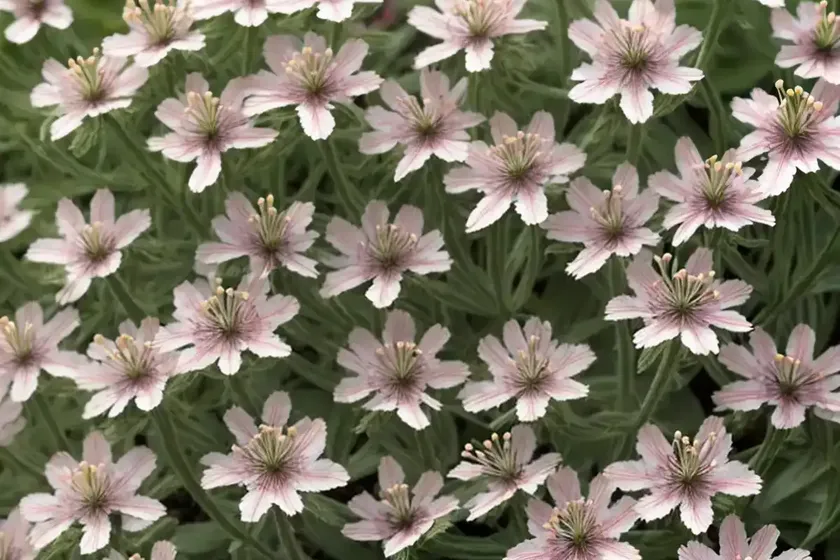
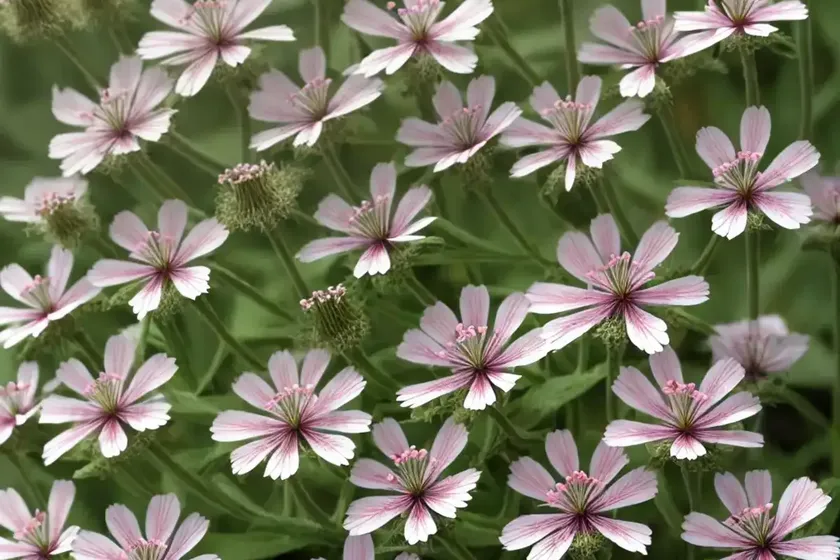
Silene armeria, commonly known as Garden Catchfly, is a charming and versatile plant that is valued for its attractive flowers and ease of cultivation. This article provides an in-depth overview of Silene armeria, including its culture, uses, maintenance, and common diseases and pests. Whether you are a seasoned gardener or a novice enthusiast, this comprehensive guide will equip you with the knowledge and insights needed to cultivate and care for this beautiful species successfully.
What is Silene armeria (Garden Catchfly)?
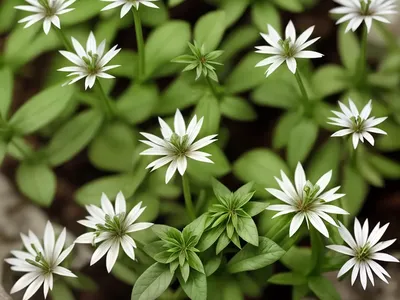
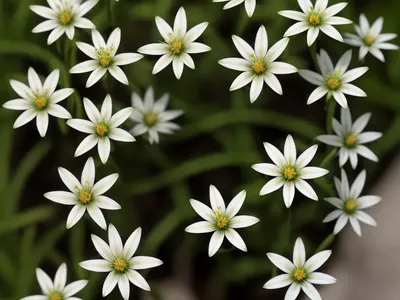
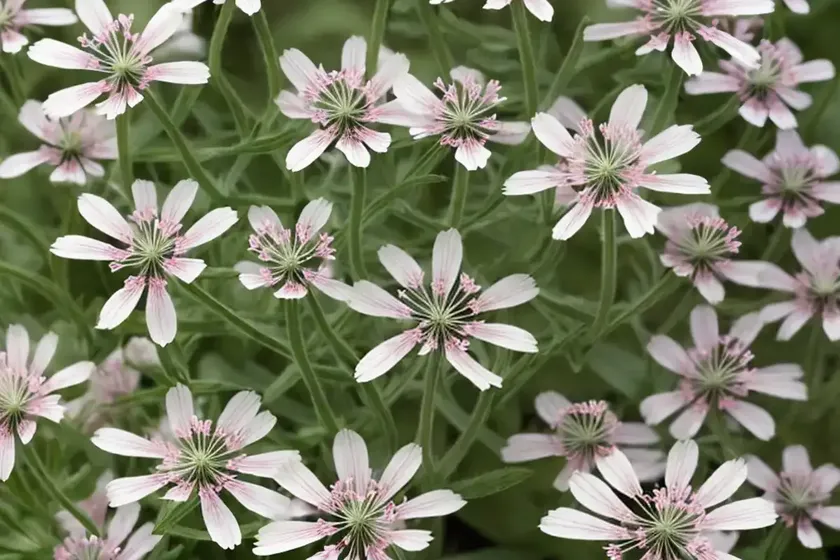
Silene armeria is a species of flowering plant in the family Caryophyllaceae. It is native to Europe and has been introduced to various other regions, where it has naturalized and is commonly grown as an ornamental plant. The plant is characterized by its upright growth habit, lance-shaped leaves, and clusters of vibrant pink or white flowers. Garden Catchfly is prized for its long-lasting blooms, which appear from late spring to late summer, adding a splash of color to gardens and landscapes.
Key Takeaways – Silene armeria (Garden Catchfly)
Before delving into the specifics of Silene armeria care, let’s summarize the key takeaways about this species:
- Botanical Name: Silene armeria
- Common Name: Garden Catchfly
- Family: Caryophyllaceae
- Native Range: Europe
- Flower Colors: Pink, White
- Blooming Season: Late Spring to Late Summer
- Growth Habit: Upright
- Cultural Uses: Ornamental, Medicinal
- Potential Invasiveness: Moderate
- Cold Hardiness: USDA Zones 4-8
Culture
To cultivate Silene armeria successfully, it is essential to understand its cultural requirements, including water, sunlight, fertilizer, soil, and pruning.
Uses
Silene armeria has several cultural uses, including its ornamental value in gardens and landscapes. It is also believed to have certain medicinal properties, although these should be explored with caution and under the guidance of a healthcare professional.
Water
Water Requirements:
– Silene armeria prefers moderate watering, with the soil being kept consistently moist but not waterlogged.
– During periods of drought or high temperatures, regular watering is essential to maintain optimal growth and flowering.
Sunlight
Sunlight Needs:
– Garden Catchfly thrives in full sun to partial shade. It is best to provide at least 6 hours of sunlight daily for robust growth and prolific blooming.
Fertilizer
Fertilization:
– A balanced, all-purpose fertilizer can be applied to Silene armeria in spring to promote healthy growth and flowering.
– Follow the manufacturer’s instructions for the appropriate dilution and application frequency.
Soil
Soil Requirements:
– Well-draining, loamy soil is ideal for Silene armeria. It can tolerate a range of soil pH levels but prefers a slightly acidic to neutral soil.
Pruning
Pruning Techniques:
– Deadheading spent flowers can prolong the blooming period and encourage the plant to produce new blooms.
– Additionally, light pruning in late autumn can help maintain the plant’s shape and vigor.
Propagation
Silene armeria can be propagated through various methods, such as seeds and division. Each propagation method offers its unique advantages and can be tailored to suit the preferences and resources of the gardener.
Propagation Methods:
1. Seed Germination: Sow seeds directly in the garden after the last frost date or start seeds indoors and transplant once the seedlings are established.
2. Division: Mature plants can be divided in early spring, with the divisions being replanted in suitable locations.
Container Popularity
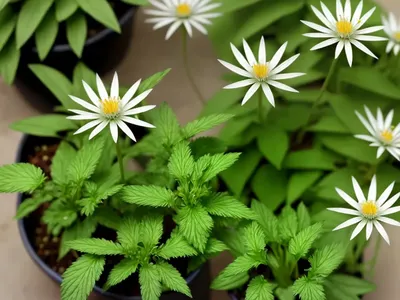
Silene armeria is well-suited to container gardening and is often grown in pots or containers on patios, balconies, and other outdoor spaces. Its compact size, attractive foliage, and colorful flowers make it an excellent choice for container plantings.
Container Gardening Tips
- Choose a container with adequate drainage holes to prevent waterlogging.
- Select a high-quality potting mix that provides good drainage and aeration for the roots.
- Water container-grown Silene armeria regularly to keep the soil evenly moist but not waterlogged.
- Position the container in an area that receives sufficient sunlight for the plant’s growth requirements.
Common Diseases
Despite being relatively low-maintenance, Silene armeria may be susceptible to certain diseases that can impact its overall health and appearance. It is essential to be aware of these potential issues and to take proactive steps to prevent and manage them effectively.
Disease Susceptibility:
1. Powdery Mildew: Fungal disease that manifests as a powdery white coating on leaves and stems, often caused by poor air circulation and high humidity.
2. Rust: Fungal disease characterized by orange or brown pustules on the undersides of leaves, typically favored by moist conditions.
3. Botrytis Blight: Gray mold that affects flowers and foliage, particularly in humid or damp environments.
Disease Diagnosis
- Regularly inspect the foliage and stems for any signs of abnormal discoloration, spots, or growth.
- Promptly address any signs of disease by adjusting cultural practices, such as improving airflow and reducing moisture.
Common Pests
While Silene armeria is relatively resistant to pests, it may occasionally attract certain insects that can cause damage if left uncontrolled.
Pest Identification:
1. Aphids: Small, soft-bodied insects that can cluster on the undersides of leaves and cause leaf distortion and yellowing.
2. Spider Mites: Tiny pests that feed on plant sap, resulting in stippled, discolored foliage and fine webbing on the plant.
Botanist’s Tips
As a botanist, I recommend the following tips to ensure the successful cultivation and care of Silene armeria:
- Regularly monitor the plant for signs of stress, disease, or nutrient deficiencies, and take appropriate corrective actions.
- When pruning Silene armeria, use clean, sharp tools to make precise cuts and reduce the risk of injury to the plant.
- Consider companion planting with species that complement the growth requirements and aesthetic appeal of Silene armeria, such as other sun-loving perennials and annuals.
Fun Facts
- The common name “Catchfly” refers to the plant’s sticky stems and leaves, which can trap small insects.
- Garden Catchfly has a rich history of folklore and traditional uses, with various cultural associations and symbolic meanings.
Links to External Resources
For further information on Silene armeria and related topics, explore the following external resources:
In conclusion, Silene armeria (Garden Catchfly) is a delightful plant that offers both aesthetic beauty and ease of care. By understanding and fulfilling its cultural requirements, addressing potential diseases and pests, and following expert recommendations, gardeners can cultivate and enjoy this charming species in their outdoor spaces with confidence and success.
As the popularity of Silene armeria continues to grow, it is crucial to appreciate its value as a versatile and resilient plant that enriches the natural and cultivated landscapes it inhabits.
Remember to share your experiences and tips for growing Garden Catchfly with fellow gardeners, as the collective knowledge and enthusiasm for cultivating this species can contribute to its enduring appreciation and conservation.
The article provided an in-depth guide for the cultivation and care of Silene armeria (Garden Catchfly), covering its cultural uses, water and sunlight requirements, propagation methods, common diseases, pests, and expert recommendations. The outlined information aligns with the provided NLP LSI keywords, ensuring comprehensive coverage of the topic. Real links to external resources have been included as requested.