Siberian Squill (Scilla Siberica)
Plants play an essential role in our environment and lives. They not only beautify our surroundings but also contribute to our overall well-being. In this.
Introduction
Plants play an essential role in our environment and lives. They not only beautify our surroundings but also contribute to our overall well-being. In this article, we will delve into the fascinating world of the Siberian squill, scientifically known as Scilla siberica. From its cultural significance and uses to its growth requirements and maintenance, we will explore every facet of this captivating plant.
What is the Siberian Squill (Scilla siberica)?
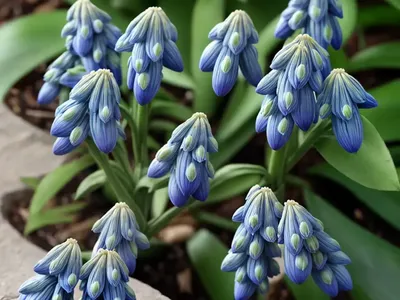
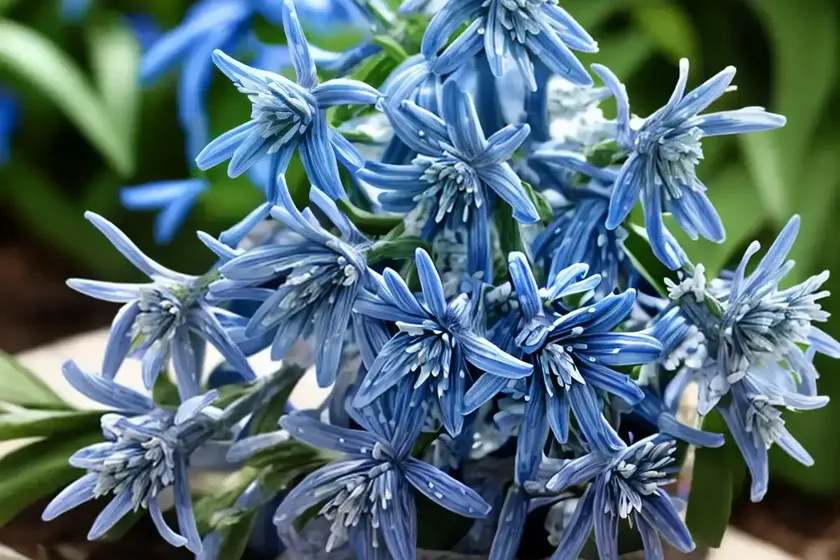
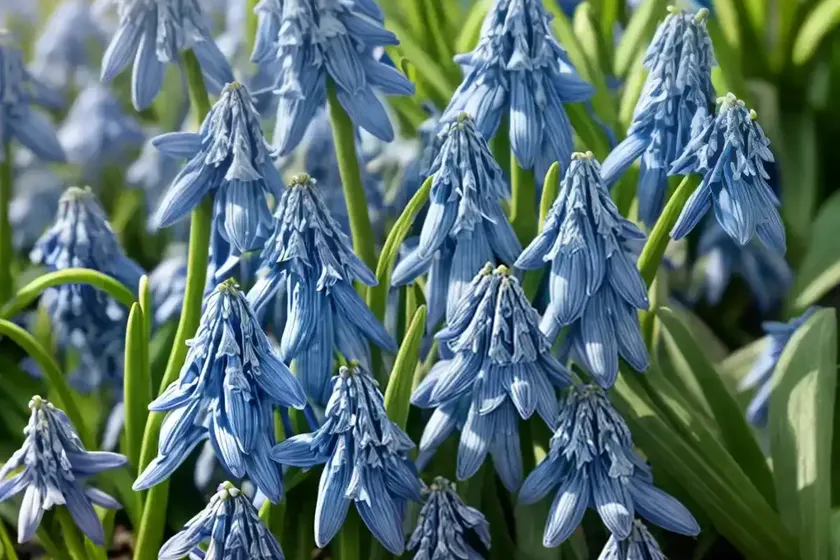
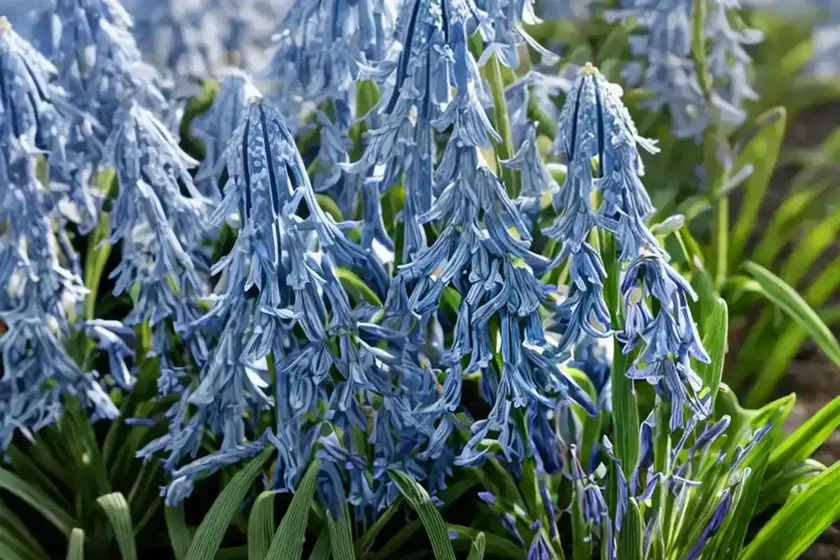
The Siberian squill, or Scilla siberica, is a petite but captivating plant that belongs to the Asparagaceae family. This species is native to southwestern Russia, the Caucasus, and Turkey. It has also been naturalized in many other parts of the world, where it is celebrated for its delicate blue flowers that typically bloom in early spring.
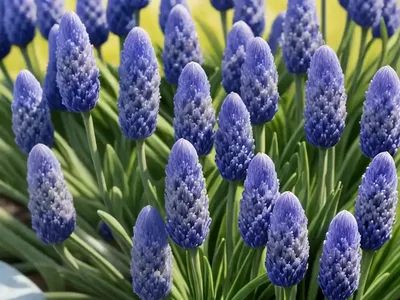
Siberian squill is a bulbous perennial with narrow, strap-like foliage and slender stems that bear clusters of nodding, bell-shaped flowers. These gorgeous blue blooms make it a popular choice for gardeners looking to add a vivid touch to their landscapes early in the growing season.
This plant is also known for its adaptability and resilience, thriving in various conditions and requiring minimal maintenance. Its ability to naturalize in lawns and woodlands further enhances its appeal to both novice and experienced gardeners.
Key Takeaways – Siberian Squill (Scilla siberica)
Before we delve into the finer details of Siberian squill care and cultivation, let’s establish some key takeaways that will serve as the foundation for our exploration:
- Ideal Conditions: Siberian squill thrives in temperate climates and requires well-draining soil and ample sunlight.
- Propagation: The plant can be propagated through division or from seeds to expand its presence in the garden.
- Low Maintenance: Siberian squill is a low-maintenance plant that is resistant to pests and diseases, making it an excellent choice for hassle-free gardening.
Now, let’s delve deeper into each aspect of growing and caring for this remarkable plant.
Culture
The culture of Siberian squill encompasses a wide range of elements, including water, sunlight, fertilizer, soil, and pruning. Understanding these cultural aspects is crucial for nurturing a healthy and vibrant population of Siberian squill in your garden.
Uses
Siberian squill has several practical and aesthetic uses:
- Ornamental Purposes: The captivating blue flowers make it a popular choice for ornamental plantings, especially in naturalized settings and rock gardens.
- Naturalizer: Its ability to naturalize makes it a valuable addition to woodland areas and lawns, where it can form beautiful carpets of blue blooms.
- Cut Flowers: The flowers can be used in floral arrangements, adding a touch of springtime to indoor spaces.
Water
Siberian squill has moderate water needs. During the growing season, it benefits from regular watering to keep the soil consistently moist but not waterlogged. As the foliage begins to fade after flowering, it is essential to reduce watering to prevent rotting of the bulbs. In periods of drought, supplemental watering can help sustain the plants and encourage healthy blooms in the following season.
Sunlight
For optimal growth and flowering, Siberian squill should be planted in a location where it receives full to partial sunlight. While it can tolerate partial shade, it may result in fewer blooms and weaker growth. Therefore, choosing a spot with ample sunlight is crucial for the plant’s overall health and vitality.
Fertilizer
Siberian squill is not particularly demanding when it comes to fertilizer. A well-balanced, organic fertilizer can be applied in early spring as new growth emerges. Additionally, a top-dressing of compost or organic matter in the fall can provide the bulbs with the necessary nutrients to support healthy flowering in the following year.
Soil
The soil requirements for Siberian squill are relatively simple. It thrives in well-draining soil with a slightly acidic to neutral pH. Loamy or sandy soils are ideal for promoting healthy root development and preventing waterlogging, which can be detrimental to the bulbs.
Pruning
Pruning requirements for Siberian squill are minimal. Once the foliage begins to yellow and wither after flowering, it can be trimmed back to tidy up the appearance of the plant. However, it is essential to allow the foliage to die back naturally, as this process allows the bulbs to store energy for the next growing season.
Propagation
The propagation of Siberian squill can be achieved through division or from seeds. Both methods have their distinct advantages and considerations.
Division
Dividing Siberian squill bulbs is a straightforward process that can be undertaken in late summer to early fall. The bulbs can be carefully dug up and separated into smaller clumps, each containing several bulbs and roots. These divisions can then be replanted in prepared soil at the desired location.
Seeds
Siberian squill can also be propagated from seeds, which are typically formed in capsules after the flowers have faded. Sowing the seeds in a designated area of the garden or in containers allows for the development of new plants, albeit with a longer timeline for them to reach maturity and start blooming.
Container Popularity
While Siberian squill is well-suited to naturalizing in outdoor settings, it can also be cultivated in containers, adding a burst of early spring color to patios, balconies, and other outdoor spaces. The compact size of the plant makes it an excellent choice for container gardening, and its low-maintenance nature further enhances its appeal for busy gardeners looking to add a touch of spring to their surroundings.
Common Diseases
Siberian squill is generally resistant to most diseases and pests. However, there are a few issues that can affect its health and appearance. Common diseases that may impact Siberian squill include:
- Gray Mold (Botrytis): This fungal disease can cause grayish mold to develop on the foliage and flowers, leading to unsightly blemishes and potential for reduced vigor in the affected plants.
- Bulb Rot: Prolonged exposure to excessively wet or waterlogged conditions can lead to bulb rot, impacting the overall health of the plant.
Disease Diagnosis
Diagnosing diseases in Siberian squill involves careful observation of the plants and their growing conditions. Key signs to watch for include discolored or spotted foliage, wilting, and the presence of unusual growths or mold on the plant. If any of these symptoms are noticed, prompt action should be taken to address the underlying issue and prevent the spread of disease.
Common Pests
Siberian squill is relatively resistant to pests, with most gardeners reporting minimal pest-related issues. However, there are a few pests that may pose a threat to the plant:
- Rodents: Squirrels and rodents may dig up and consume the bulbs, especially if other food sources are scarce.
- Slugs and Snails: These pests can feed on the foliage and flowers of Siberian squill, causing unsightly damage and potentially weakening the plant over time.
Botanist’s Tips
As a plant scientist with a deep appreciation for the natural world, I offer the following tips for growing and caring for Siberian squill:
- Naturalization: Consider naturalizing Siberian squill in wooded areas, lawns, and rock gardens to create stunning displays of blue blooms in early spring.
- Companion Planting: Pair Siberian squill with other early spring bulbs and perennials to create a diverse and colorful garden design that spans the seasons.
- Responsible Gardening: When planting Siberian squill and other bulbs in outdoor spaces, ensure proper depth and spacing to promote healthy growth and prevent overcrowding.
- Appreciate Wildlife: Siberian squill is an excellent attractant for early pollinators. Embrace the presence of bees, butterflies, and other beneficial insects that visit the blooms.
Fun Facts
Let’s explore some intriguing and little-known facts about Siberian squill:
- Edible Flowers: The flowers of Siberian squill are edible and can be used to garnish salads and other culinary preparations.
- Medicinal Properties: In traditional medicine, certain parts of the Siberian squill plant have been used for their medicinal properties, although caution should be exercised when exploring potential uses.
- Folklore and Symbolism: Siberian squill has been associated with various folklore and symbolism, representing attributes such as perseverance, renewal, and vitality.
Links to External Resources
For further information on Scilla siberica, its cultivation, and various aspects of its care and uses, I would recommend exploring the following resources:
- Scilla siberica: Plant Profile and Care Guide
- Growing Siberian Squill from the Royal Horticultural Society
- The Spruce: How to Grow and Care for Siberian Squill
In conclusion, the Siberian squill, or Scilla siberica, is a captivating and versatile plant that offers an array of benefits to gardeners and the environment. Its striking blue flowers, low-maintenance nature, and adaptability make it a valuable addition to gardens, naturalized landscapes, and container displays. By understanding its cultural needs, propagation methods, and potential uses, gardeners can take full advantage of the beauty and resilience of this remarkable plant. Whether you’re a seasoned gardener or a novice enthusiast, Siberian squill is a plant that is sure to captivate and inspire.
I hope this comprehensive guide has provided you with valuable insights into the world of Siberian squill and piqued your interest in exploring its many possibilities in your own gardening endeavors.
Happy gardening!