Plant Profile: Siberian Iris (Iris ‘Steve Varner’)
Siberian irises, scientifically known as Iris sibirica, are perennial plants that are adored for their stunning blooms and easy-to-care-for nature. One particularly captivating variety is the Iris ‘Steve Varner’, which has unique characteristics that make it a sought-after addition to gardens and landscapes. This blog post aims to delve into the art of cultivating and nurturing the Siberian Iris ‘Steve Varner,’ providing comprehensive insights into its care, uses, and much more.
What is the Siberian Iris (Iris ‘Steve Varner’)?
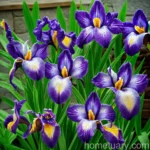
The Siberian Iris ‘Steve Varner’ is a cultivar renowned for its exquisite violet-blue flowers and gracefully arching foliage. This variety is cherished by gardeners for its ability to thrive in various conditions, making it an ideal choice for both novice and experienced gardeners. With proper care and cultivation, the Iris ‘Steve Varner’ can be a breathtaking addition to any garden, providing an elegant touch and a vibrant splash of color.
Key Takeaways – Siberian Iris (Iris ‘Steve Varner’)
Before delving into the specific care and cultivation of the Siberian Iris ‘Steve Varner,’ let’s take a moment to outline the key takeaways that will be discussed in detail throughout this blog post:
- Culture
- Uses
- Water
- Sunlight
- Fertilizer
- Soil
- Pruning
- Propagation
- Container Popularity
- Common Diseases
- Disease Diagnosis
- Common Pests
- Botanist’s Tips
- Fun Facts
- Links to External Resources
Now, let’s explore each of these aspects in detail, providing valuable insights into the best practices for nurturing and enjoying the Siberian Iris ‘Steve Varner.’
Culture
The culture of the Siberian Iris ‘Steve Varner’ encompasses the various environmental and care-related factors that impact its growth and overall well-being. Understanding the cultural requirements of this stunning iris cultivar is essential for ensuring its thriving presence in any garden or landscape.
Water
Siberian irises, including the ‘Steve Varner’ variety, exhibit good tolerance to various moisture conditions. However, regular watering is essential, especially during the growing season and in the absence of consistent rainfall. Adequate moisture is crucial for promoting healthy growth and vibrant blooms.
Sunlight
Similar to many iris varieties, the Siberian Iris ‘Steve Varner’ thrives in full sun to partial shade. Ideally, it should receive approximately 6 hours of direct sunlight, which contributes to robust flowering and overall plant vigor.
Fertilizer
When it comes to fertilization, Siberian irises respond well to a balanced fertilizer application in early spring. A general-purpose fertilizer with balanced nutrients can be applied according to the package instructions, ensuring that the plants receive the necessary nutrients for optimal growth and flowering.
Soil
The Siberian Iris ‘Steve Varner’ performs best in well-draining, fertile soil. While they are known for their adaptability to various soil types, incorporating organic matter into the soil prior to planting can greatly benefit their growth and development.
Uses
The Siberian Iris ‘Steve Varner’ has several versatile uses, adding both aesthetic and functional value to gardens and landscapes. Let’s explore some of the primary uses of this captivating iris cultivar:
- Ornamental Purposes: The beautiful violet-blue flowers and graceful foliage of the Iris ‘Steve Varner’ make it a stunning ornamental addition to gardens and landscapes.
- Pollinator Attraction: The flowers of Siberian irises are known to attract pollinators, contributing to biodiversity and the overall health of the garden ecosystem.
- Erosion Control: Due to their dense root systems and clumping growth habit, Siberian irises are often used to stabilize soil and prevent erosion in garden beds and naturalized areas.
The multi-faceted uses of the Siberian Iris ‘Steve Varner’ make it a valuable asset in diverse gardening and landscaping scenarios, enhancing the beauty and ecological balance of outdoor spaces.
Pruning
Pruning plays a crucial role in maintaining the health, appearance, and blooming potential of the Siberian Iris ‘Steve Varner.’ Proper pruning techniques can help manage the plant’s growth and ensure a prolific display of flowers each season.
Deadheading
Removing spent blooms through deadheading not only maintains the visual appeal of the plant but also encourages continuous flowering. This simple practice involves snipping off faded flowers to prevent the formation of seeds and redirect the plant’s energy into producing new blooms.
Division
Over time, Siberian irises can benefit from division to prevent overcrowding and rejuvenate their vigor. Dividing the ‘Steve Varner’ variety every 3 to 4 years can help maintain its vitality and promote the development of new shoots and blooms.
Propagation
The propagation of Siberian irises, including the ‘Steve Varner’ cultivar, can be achieved through several methods, offering gardeners the opportunity to expand their iris collections or share these magnificent plants with others.
Division
Dividing mature clumps of Siberian irises is the most common and reliable method of propagation. This process involves carefully separating the rhizomes and replanting them in suitable locations, ensuring that each new division has sufficient roots and foliage to support its growth.
Seeds
While Siberian irises can also be propagated from seeds, this method requires patience and dedication, as it may take a few years for the plants to reach flowering maturity. Harvesting and sowing iris seeds can be a rewarding endeavor for gardeners interested in exploring the full life cycle of these enchanting plants.
Container Popularity
The Siberian Iris ‘Steve Varner’ is well-suited for container gardening, offering an enchanting and portable way to enjoy its captivating blooms and elegant foliage. The container popularity of this iris cultivar provides an opportunity for gardeners with limited space or specific design preferences to incorporate its beauty into their outdoor living areas.
Container Selection
When selecting containers for Siberian irises, it is important to choose options that provide ample room for the plants’ root systems to spread and develop. Additionally, containers with drainage holes are essential for preventing waterlogging and ensuring proper soil moisture levels.
Maintenance
Caring for Siberian irises in containers involves regular watering, appropriate fertilization, and adequate sunlight exposure. Monitoring the moisture levels and providing necessary nutrients can help sustain the health and vitality of the ‘Steve Varner’ variety in container settings.
Common Diseases
While Siberian irises are generally resilient plants, they can be susceptible to certain diseases that may affect their growth and appearance. Familiarizing oneself with these common diseases and their preventive measures is crucial for maintaining the overall health of the Iris ‘Steve Varner’ and other iris varieties.
Leaf Spot
Leaf spot, caused by fungal pathogens, can manifest as small, dark spots on the leaves of Siberian irises. To prevent this disease, it is important to avoid overhead watering, promote good air circulation, and remove any infected plant debris from the vicinity.
Root Rot
Excessive soil moisture and poorly draining conditions can lead to root rot in Siberian irises. Proper watering practices and well-draining soil are essential for preventing this disease, as it can significantly impact the overall health of the plants.
Disease Diagnosis
Timely diagnosis of diseases in Siberian irises is crucial for implementing effective treatment and control measures. Recognizing the symptoms and identifying the causal agents behind common iris diseases is essential for preserving the health and vitality of the Iris ‘Steve Varner’ and other cultivars.
Symptom Identification
Observing changes in leaf color, texture, and overall plant vigor can provide important clues for diagnosing potential diseases in Siberian irises. Yellowing, browning, or wilting of foliage, as well as the presence of unusual spots or lesions, may indicate the presence of a disease.
Causal Agents
Understanding the environmental and pathogen-related factors that contribute to iris diseases can aid in formulating targeted management strategies. Factors such as excessive moisture, poor air circulation, and specific fungal or bacterial pathogens can play a role in disease development.
Common Pests
In addition to diseases, Siberian irises, including the ‘Steve Varner’ variety, can be affected by various pests that may compromise their growth and aesthetics. Recognizing and addressing common iris pests is essential for protecting these stunning plants from potential infestations.
Iris Borer
The iris borer, a notorious pest of many iris species, can inflict substantial damage by tunneling into the rhizomes and consuming plant tissues. Regular inspection and prompt removal of affected portions can help manage iris borer infestations and mitigate their impact on the plants.
Aphids
Aphids, which feed on plant sap and excrete honeydew, can be a nuisance for Siberian irises. Controlling aphid populations through manual removal, insecticidal soaps, or natural predators can help safeguard the ‘Steve Varner’ variety and preserve its overall health.
Botanist’s Tips
Drawing from the knowledge and experience of botanists and horticultural experts, here are some valuable tips for successfully caring for and enjoying the Siberian Iris ‘Steve Varner’ and similar iris cultivars:
- Adequate Watering: Water deeply and consistently, especially during the growing season, to promote robust plant growth and flowering.
- Balanced Fertilization: Apply a balanced fertilizer in early spring to provide the necessary nutrients for healthy foliage and vibrant blooms.
- Prudent Pruning: Regular deadheading and occasional division can help maintain the vigor and flowering potential of Siberian irises.
- Optimal Sunlight: Ensure that the ‘Steve Varner’ variety receives adequate sunlight for prolific flowering and overall plant vitality.
- Disease Management: Practice preventive measures such as proper watering and sanitation to minimize the risk of common iris diseases.
Implementing these botanist-recommended tips can significantly enhance the success and visual appeal of Siberian irises in various gardening settings.
Fun Facts
As we explore the captivating world of Siberian irises, let’s uncover some intriguing and delightful fun facts about the Iris ‘Steve Varner’ and its close botanical relatives:
- Heritage: The ‘Steve Varner’ cultivar is named after the renowned iris breeder Steve Varner, who made significant contributions to the development of exceptional iris varieties.
- Longevity: Siberian irises are known for their long lifespan, with some plants thriving for several decades when provided with suitable growing conditions and care.
- Natural Habitat: The species Iris sibirica is native to the grasslands and wetlands of Eastern Europe and Asia, showcasing its adaptability to diverse environmental conditions.
- Cultural Significance: In various cultures, irises are associated with symbolism related to wisdom, courage, and artistic expression, adding a deeper layer of meaning to these enchanting flowers.
Links to External Resources
For those seeking further information and in-depth guidance on the care and cultivation of Siberian irises, the following external resources are valuable references:
- American Iris Society
- Royal Horticultural Society: Growing Siberian Irises
- University of Illinois Extension: Iris
- North Carolina State University Extension: Siberian Iris
These resources offer a wealth of information, including detailed cultivation guidelines, plant profiles, and expert recommendations for nurturing Siberian irises, including the enchanting ‘Steve Varner’ variety.
As we conclude this exploration of the Siberian Iris ‘Steve Varner,’ it becomes evident that this captivating cultivar embodies the timeless allure and resilience of iris plants. From its striking blooms to its adaptability and diverse uses, the Iris ‘Steve Varner’ continues to enchant and inspire gardeners and plant enthusiasts around the world, making it a cherished addition to gardens, landscapes, and horticultural collections.
Through an understanding of its cultural requirements, propagation techniques, and pest and disease management, gardeners can cultivate and appreciate the beauty of the Siberian Iris ‘Steve Varner’ while enhancing the ecological and aesthetic value of their outdoor spaces. As we celebrate the enduring charm of this remarkable iris cultivar, we invite you to embark on your journey of discovery and delight in the enchanting world of Siberian irises.