Siberian Iris (Iris ‘Quiet Shape’)
Siberian iris, scientifically known as Iris ‘Quiet Shape’, is a stunning perennial plant that belongs to the iris family. Native to Europe and Central.
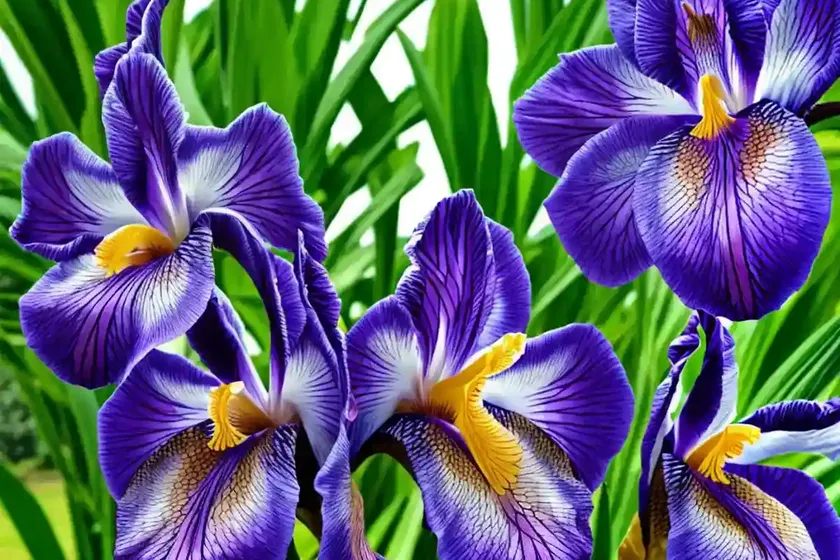
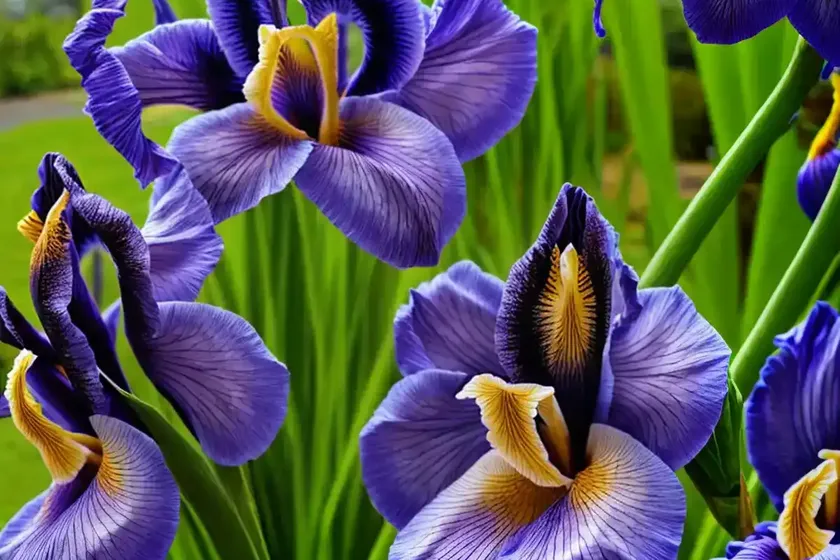
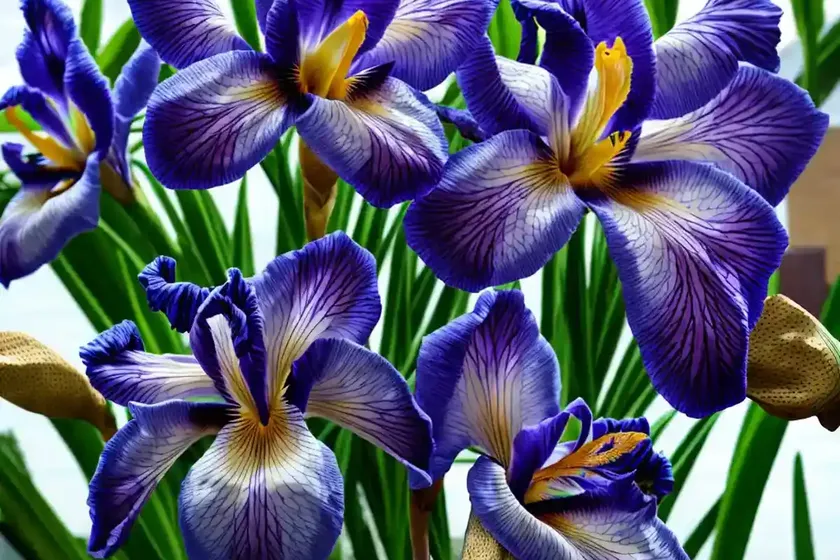
Siberian iris, scientifically known as Iris ‘Quiet Shape’, is a stunning perennial plant that belongs to the iris family. Native to Europe and Central Asia, this exquisite iris variety is famed for its graceful, delicate blooms and its adaptability to a wide range of growing conditions. Its classic charm and low-maintenance nature make it a popular choice among gardeners and landscapers alike.
In this comprehensive guide, we will delve into the world of Siberian iris, exploring everything from its cultural preferences and propagation techniques to its uses in landscaping and its ability to attract pollinators. Whether you’re a novice gardener or an experienced horticulturist, this guide will provide you with valuable insights into the care and cultivation of this beloved plant.
What is Siberian Iris (Iris ‘Quiet Shape’)?
Siberian iris, known by its botanical name Iris ‘Quiet Shape’, is a clump-forming perennial with long, grass-like foliage and elegant, beardless flowers. The plant typically reaches a height of 2 to 4 feet, with slender stems that bear a profusion of blooms in various shades of blue, violet, white, and pink. Renowned for its hardiness and adaptability, Siberian iris thrives in a wide range of climates and soil types, making it a versatile and low-maintenance addition to any garden or landscape.
Key Takeaways
Before we dive into the specifics of Siberian iris care and cultivation, let’s outline some key takeaways about this exquisite plant:
- Siberian Iris (Iris ‘Quiet Shape’):
-
Belongs to the iris family, known for its graceful, delicate blooms and adaptability to various growing conditions.
-
Cultural Preferences:
-
Thrives in moist, well-drained soil and prefers full sun to partial shade.
-
Uses:
-
Ideal for borders, mass plantings, and waterside gardens.
-
Watering:
-
Requires regular watering, especially during the growing season, to keep the soil consistently moist.
-
Sunlight:
-
Flourishes in full sun but can tolerate partial shade.
-
Fertilizer:
-
Benefits from a balanced, slow-release fertilizer applied in spring.
-
Soil:
-
Prefers fertile, slightly acidic soil with good drainage.
-
Pruning:
-
Minimal pruning is needed, primarily to remove spent flower stems and dead foliage.
-
Propagation:
-
Can be propagated through division or by sowing seeds.
-
Container Popularity:
-
Well-suited for container gardening, provided ample space for root development.
-
Common Diseases:
-
Susceptible to fungal diseases such as leaf spot and root rot.
-
Common Pests:
- Attracts pests like aphids, iris borers, and slugs.
Now that we have a brief overview of Siberian iris, let’s explore each of these aspects in greater detail.
Culture
Understanding the cultural preferences of Siberian iris is crucial for ensuring its optimal growth and flowering. From water and sunlight requirements to soil preferences and pruning practices, let’s delve into the cultural aspects of caring for Siberian iris.
Uses
Siberian iris is an incredibly versatile plant that offers multifaceted utility in various gardening and landscaping settings. Its adaptability and aesthetic appeal make it an attractive choice for a diverse range of applications.
Ways to Utilize Siberian Iris (Iris ‘Quiet Shape’):
– Borders and Edges: Siberian iris adds an elegant touch to garden borders and edges, creating a colorful and vibrant display along pathways and beds.
– Mass Plantings: This iris variety is well-suited for mass plantings, where its prolific blooms can create a breathtaking sea of color.
– Waterside Gardens: With its affinity for moist soil, Siberian iris thrives in waterside and pond-edge settings, where its graceful presence enhances the natural beauty of the landscape.
Water
Siberian iris, like many other moisture-loving plants, thrives in soil that is consistently moist but well-drained. Implementing proper watering practices is essential for the health and vitality of this exquisite plant.
Watering Tips
- Regular Watering: During the growing season, ensure that the soil around Siberian iris remains consistently moist. Adequate moisture is particularly crucial during the flowering period to support robust bloom production.
- Watering Frequency: Depending on local weather conditions and soil moisture retention, Siberian iris may require watering 1-2 times per week, especially in warm and dry climates.
- Mulching: Applying a layer of organic mulch around the base of the plant can help retain soil moisture and reduce the frequency of watering.
Sunlight
Siberian iris flourishes in full sun but exhibits exceptional tolerance to partial shade as well. Providing the appropriate amount of sunlight is essential for promoting healthy growth and vibrant blooms.
Sunlight Requirements
- Full Sun: Planting Siberian iris in a location that receives at least 6 hours of direct sunlight daily will encourage robust growth and prolific flowering.
- Partial Shade: While Siberian iris thrives in full sun, it can also tolerate partial shade, especially in regions with intense heat or prolonged sunlight exposure.
Fertilizer
Fertilizing Siberian iris is integral to supporting its nutritional needs and promoting vigorous growth and blooming. Understanding the ideal timing and formulation of fertilizer is crucial for maximizing the plant’s potential.
Fertilizing Guidelines
- Timing: Apply a balanced, slow-release fertilizer in early spring, just before new growth emerges. This will provide the necessary nutrients for the upcoming growing season and flowering cycle.
- Application Rate: Follow the manufacturer’s recommendations for the appropriate dosage of fertilizer based on the size and age of the Siberian iris plants.
Soil
The soil composition and quality play a pivotal role in the overall health and vitality of Siberian iris. Understanding the soil preferences of this plant is crucial for creating an optimal growing environment.
Ideal Soil Conditions
- Moisture Retention: Siberian iris thrives in moist soil conditions. Opt for well-drained soil with good moisture retention to ensure consistent hydration for the plant’s roots.
- Acidity Level: While Siberian iris can tolerate a slightly alkaline pH, it typically prefers mildly acidic soil with a pH range of 6.0-6.8.
- Organic Matter: Incorporating organic matter such as compost or peat moss into the soil can improve its structure, fertility, and moisture retention capacity.
Pruning
Pruning Siberian iris is a relatively straightforward task that primarily involves the removal of spent flower stems and dead foliage. Implementing proper pruning techniques is essential for maintaining the plant’s appearance and health.
Pruning Practices
- Deadheading: Remove faded or spent flower stems promptly to prevent the formation of seed pods. Deadheading can redirect the plant’s energy towards new growth and blooming.
- Foliage Cleanup: Trim away any yellowing or dead foliage to promote a tidy and healthy appearance. Additionally, removing decaying foliage can help prevent the onset of diseases.
Propagation
Siberian iris can be propagated through division or by sowing seeds, offering gardeners multiple options for expanding their iris collection or sharing the plant with others.
Propagation Methods
- Division: Divide established clumps of Siberian iris every 3-4 years in late summer or early fall. This allows the newly divided plants to establish themselves before winter.
- Seed Propagation: Collect mature seeds from the plant’s seed pods and sow them in well-prepared seedbeds in early autumn. Germination typically occurs in the following spring, yielding seedlings that can be transplanted to their permanent locations.
Container Popularity
While Siberian iris is often grown in garden beds or naturalized areas, it has also gained popularity as a container plant. Growing Siberian iris in containers offers several advantages and allows for creative expressions of its beauty in smaller spaces.
Container Gardening Considerations
- Pot Size: Choose a spacious container that provides ample room for the iris plant’s roots to develop and spread. A depth of at least 12 inches is recommended to accommodate the plant’s rhizomes.
- Well-Draining Soil: Fill the container with a well-draining potting mix to ensure optimal moisture levels and prevent waterlogging.
- Watering Needs: Monitor the soil moisture regularly, particularly during the warmer months, to ensure that the Siberian iris receives adequate hydration in its container environment.
Common Diseases
Like many ornamental plants, Siberian iris is susceptible to certain diseases, primarily fungal infections that can impact its foliage and overall health. Recognizing the symptoms and implementing preventative measures is critical for managing these diseases effectively.
Disease Susceptibility
- Leaf Spot: This fungal disease presents as dark, water-soaked spots on the leaves, eventually leading to yellowing and browning of the foliage. It can be managed through proper sanitation and the application of fungicidal sprays if necessary.
- Root Rot: Overly wet or poorly drained soil can lead to root rot in Siberian iris. To prevent this disease, ensure that the soil has adequate drainage and avoid overwatering.
Disease Diagnosis
Identifying and diagnosing diseases in Siberian iris is essential for implementing targeted treatment strategies and preventing the spread of infections to neighboring plants.
Symptoms and Diagnosis
- Leaf Spot: Look for the characteristic dark spots or lesions on the foliage, often surrounded by yellow halos. As the disease progresses, the affected leaves may wither and die prematurely.
- Root Rot: Symptoms of root rot include wilting, yellowing, or stunted growth, often accompanied by a foul odor emanating from the affected root system.
Common Pests
Siberian iris is also susceptible to attacks from various pests, including insects and small animals that can compromise its growth and flowering potential. Implementing pest control measures is essential for safeguarding the plant from these threats.
Pest Identification
- Aphids: These small, soft-bodied insects can congregate on the undersides of the iris leaves, sucking sap and causing distortion or discoloration of the foliage. Regular monitoring and the application of insecticidal soaps can help manage aphid populations.
- Iris Borers: The larvae of iris borers feed on the internal tissues of iris plants, leading to wilting, yellowing, and overall decline. Inspection and removal of affected plant parts, along with the use of biological control agents, can help manage iris borer populations.
- Slugs: These slimy pests can damage iris foliage by feeding on it, creating irregular holes and leaving behind a silvery trail. Handpicking, as well as the use of organic slug baits, can help control slug infestations.
Botanist’s Tips
To enrich your experience with Siberian iris and ensure its optimal growth and beauty, consider the following expert tips and recommendations from botanists and experienced gardeners.
Expert Insights
- Dividing Clumps: Regularly dividing established clumps of Siberian iris not only helps manage the plant’s size and rejuvenate its vigor but also provides an opportunity to propagate new plants.
- Moisture Monitoring: Pay close attention to the soil moisture levels, especially during hot and dry periods. Consider installing a soaker hose or drip irrigation system to ensure consistent hydration for the plants.
Fun Facts
As we unravel the captivating world of Siberian iris, let’s explore some intriguing and delightful facts about this beloved plant.
Fascinating Tidbits
- Historical Significance: The iris flower has a rich history and is often associated with ancient Greek mythology, where it symbolized communication and messages.
- Medicinal Uses: In traditional medicine, certain species of iris were used for their purported medicinal properties, particularly in the treatment of skin conditions and as a diuretic.
Links to External Resources
For further exploration and in-depth information about Siberian iris and its cultivation, consider delving into these valuable external resources:
With its timeless elegance and remarkable adaptability, Siberian iris (Iris ‘Quiet Shape’) has secured its place as a cherished ornamental plant in gardens, landscapes, and horticultural traditions worldwide. By embracing its cultural nuances, harnessing its natural beauty, and understanding its unique qualities, we can cultivate and celebrate this remarkable iris variety with boundless appreciation and joy.
In the pages that follow, we will embark on a comprehensive journey through the world of Siberian iris, exploring its origins, characteristics, growing requirements, and much more. Let’s delve into the captivating realm of this exquisite plant and unravel its many facets with enthusiasm and reverence.
Plant Name: “Siberian Iris (Iris ‘Quiet Shape’)”
In this extensive guide, we will delve into the intricacies of growing and caring for Siberian iris (Iris ‘Quiet Shape’), gaining valuable insights into its cultural preferences, uses in landscaping, and practical tips for optimizing its beauty and vitality in various settings.
Siberian iris, also known by its botanical name Iris ‘Quiet Shape’, is a beloved perennial plant renowned for its delicate, beardless flowers and ornamental grass-like foliage. In this comprehensive guide, we will explore the multifaceted aspects of Siberian iris care, from its cultural preferences and propagation techniques to its uses in landscaping and its ability to attract pollinators.
Iris ‘Quiet Shape’ Characteristics
The distinctive characteristics of Iris ‘Quiet Shape’ set it apart as an exceptional addition to any garden or landscape. Let’s delve into the defining features of this exquisite iris variety and unravel its captivating allure.
Morphological Features
- Foliage: Siberian iris possesses long, narrow, and grass-like foliage that forms dense clumps, providing an attractive backdrop for its elegant blooms.
- Flowers: The beardless flowers of Iris ‘Quiet Shape’ are borne on slender stems and exhibit a wide range of colors, including blue, violet, white, and pink, with delicate veining and intricate patterns.
- Height: This iris variety typically reaches a height of 2 to 4 feet, creating an eye-catching display in garden borders and perennial beds.
- Adaptability: Siberian iris showcases exceptional adaptability to diverse growing conditions, making it a versatile and low-maintenance plant for various landscapes.
Growing Siberian Iris: Unlocking Its Full Potential
Cultivating Siberian iris entails understanding and catering to its specific requirements in terms of water, sunlight, soil, and fertilizer. By optimizing these growth factors, gardeners can ensure that this beloved plant thrives and flourishes in their gardens and landscapes.
Siberian Iris Plant Profile
- Scientific Name: Iris ‘Quiet Shape’
- Family: Iridaceae
- Plant Type: Perennial
- USDA Hardiness Zones: 3-9
- Watering Needs: Consistently moist soil
- Sunlight Requirements: Full sun to partial shade
- Soil Preferences: Well-drained, slightly acidic soil
- Fertilization: Balanced, slow-release fertilizer in spring
- Disease Resistance: Moderate to good resistance to certain diseases
Benefits of Siberian Iris: A Valuable Garden Addition
Beyond its aesthetic appeal, Siberian iris offers a range of practical benefits and ecological contributions, making it an invaluable plant for any garden or landscape.
Ecological Contributions
- Pollinator Attraction: The nectar-rich flowers of Siberian iris attract various pollinators, including bees, butterflies, and hummingbirds, contributing to the ecological diversity of the garden.
- Soil Stabilization: The robust root system of Siberian iris aids in soil stabilization and erosion control, particularly in waterside or riparian environments.
Iris ‘Quiet Shape’ Varieties: Exploring Color and Form
The diverse array of Siberian iris varieties offers an enticing palette of colors, patterns, and forms, allowing gardeners to select the perfect specimens for their specific design preferences and landscaping visions.
Variation in Blooms
- Color Spectrum: Siberian iris blooms manifest in a broad spectrum of colors, ranging from deep blues and violets to ethereal whites and soft pinks, often embellished with intricate veining and markings.
- Bloom Size: The size of Siberian iris blooms can vary, with some showcasing large, expansive petals and graceful form, while others exhibit more petite and intricately detailed flowers.
Tips for Growing Iris ‘Quiet Shape’: Nurturing Its Beauty
Nurturing the beauty and vitality of Siberian iris requires attention to detail and adherence to specific growing and care guidelines. By incorporating these expert tips, gardeners can ensure that their Iris ‘Quiet Shape’ plants thrive and enchant with their graceful presence.
Expert Recommendations
- Moisture Management: Maintain consistent soil moisture levels to support healthy growth and blooming, especially during the plant’s active growing period in spring and early summer.
- Mulching Benefits: Mulch the soil around Siberian iris plants to conserve moisture, suppress weeds, and insulate the roots during temperature fluctuations.
Siberian Iris Planting Guide: A Path to Success
Optimal planting practices are instrumental in establishing Siberian iris in the garden, setting the stage for its long-term health, vigor, and blooming performance.
Step-by-Step Planting Process
1. Site Selection
- Choose a location with well-drained soil and ample sunlight, ideally providing at least 6 hours of direct sunlight daily.
2. Soil Preparation
- Amend the soil with organic matter such as compost or peat moss to enhance its fertility, structure, and moisture retention capacity.
3. Planting Depth
- Dig planting holes that accommodate the iris rhizomes, ensuring that they are positioned just beneath the soil surface and not buried too deeply.
4. Spacing Considerations
- Space Siberian iris plants approximately 12-24 inches apart, allowing ample room for their growth and healthy development.
5. Watering and Mulching
- Water the newly planted iris thoroughly to settle the soil around the roots, then apply a layer of mulch to conserve moisture and discourage weed growth.
How to Propagate Siberian Iris: A Guide to Expansion
Expanding your Siberian iris collection or sharing this beautiful plant with fellow gardening enthusiasts can be achieved through effective propagation techniques such as division and seed sowing.
Division Method
- Timing: Divide established clumps of Siberian iris in late summer or early fall, when the weather is milder and the plants are transitioning into dormancy.
- Rhizome Sections: Cut the rhizomes into sections, ensuring that each division contains healthy, viable roots and at least one fan of foliage.
- Replanting: Transplant the divided sections into prepared soil, watering them thoroughly to promote establishment.
Seed Propagation
- Seed Collection: Collect mature seeds from the iris seed pods and dry them before storing for sowing in early autumn.
- Seedbed Preparation: Prepare a seedbed with well-drained soil and sow the iris seeds at the appropriate depth, covering them with a light layer of soil.
- **Germination and Transplant


