Banana Pepper (Capsicum Annuum ‘Banana Pepper’)
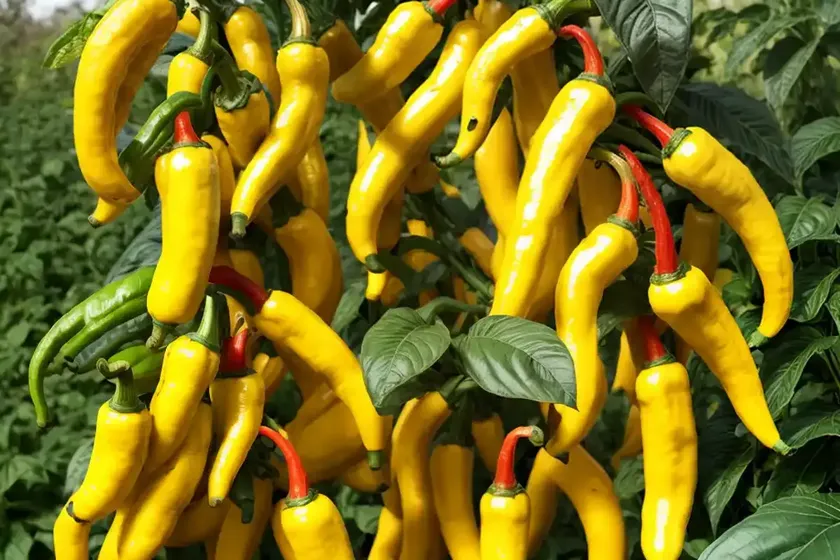
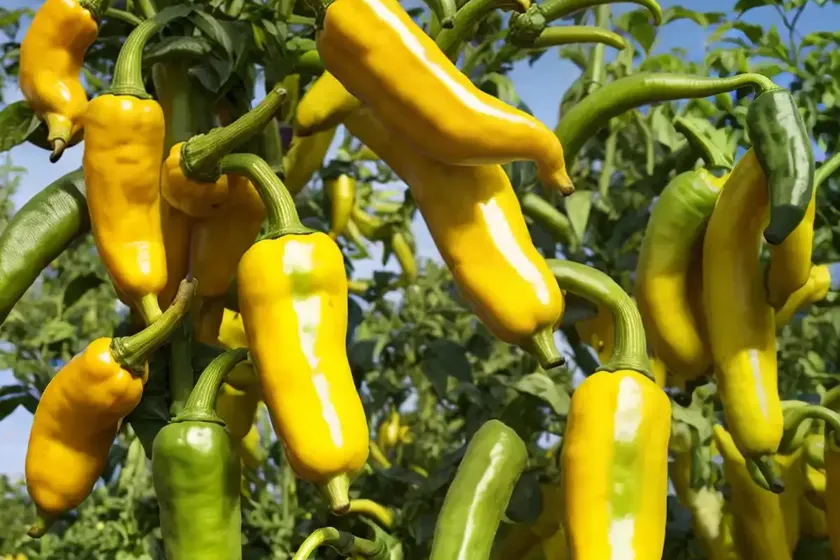
Banana pepper (Capsicum annuum ‘Banana Pepper’) is a popular variety of mild chili pepper, known for its elongated shape and vibrant yellow color when.
Introduction
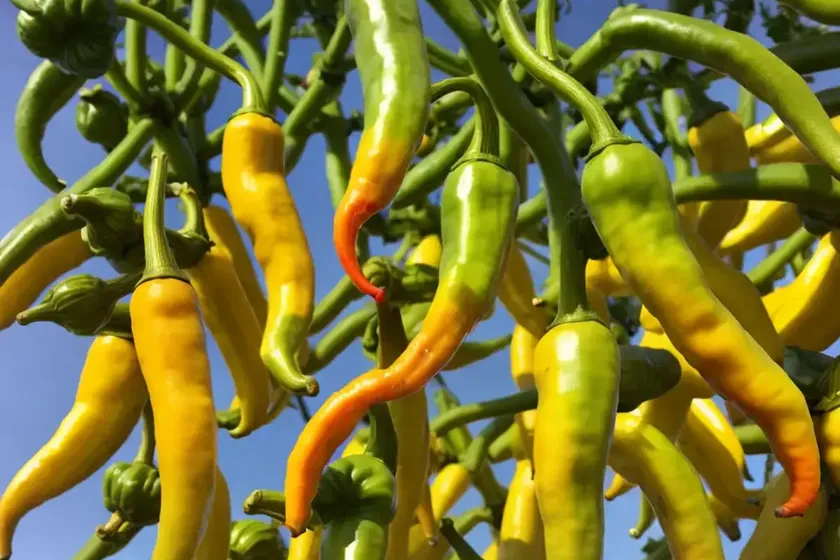
Banana pepper (Capsicum annuum ‘Banana Pepper’) is a popular variety of mild chili pepper, known for its elongated shape and vibrant yellow color when ripe. As a plant scientist with a passion for horticulture, I am excited to delve into the world of banana pepper cultivation. In this comprehensive guide, I will cover the various aspects of growing, caring for, and utilizing banana peppers, as well as their cultural significance and culinary uses.
What is a Banana Pepper?
Banana pepper, scientifically known as Capsicum annuum, belongs to the Solanaceae family, which also includes tomatoes, potatoes, and eggplants. It is a warm-season perennial plant that is widely cultivated for its edible fruit. The distinctive elongated shape and mild flavor of banana peppers make them a versatile ingredient in various culinary dishes, ranging from salads and sandwiches to pickles and relishes. With proper care and attention, banana peppers can thrive in home gardens, providing a bountiful harvest of flavorful peppers.
Key Takeaways – Banana Pepper (Capsicum annuum ‘Banana Pepper’)
Culture
Uses
- Culinary Delight: Banana peppers are commonly used in culinary preparations such as salads, sandwiches, pizzas, pickles, relishes, and salsas. They add a mild, tangy flavor and vibrant color to dishes, making them a favorite among home cooks and professional chefs alike.
- Medicinal Uses: In addition to their culinary applications, banana peppers are rich in vitamins and antioxidants, making them a valuable ingredient for promoting overall health and well-being.
Water
- Adequate Watering: Banana pepper plants require consistent moisture to support healthy growth and fruit development. However, it is crucial to avoid overwatering, as excessively wet soil can lead to root rot and other problems.
- Drip Irrigation: Using a drip irrigation system or watering at the base of the plants can help deliver water directly to the root zone, minimizing the risk of leaf diseases.
Sunlight
- Full Sun: Banana pepper plants thrive in full sunlight, ideally receiving at least 6-8 hours of direct sun exposure per day. Providing ample sunlight promotes robust plant growth and encourages fruit production.
Fertilizer
- Balanced Fertilization: Applying a balanced fertilizer with a higher phosphorus content can support healthy root development and flower formation. Consider using a 5-10-10 or 10-10-10 fertilizer to provide essential nutrients for banana pepper plants.
- Supplemental Nutrients: During the growing season, additional applications of nitrogen-rich fertilizer can help sustain vigorous foliage and fruiting.
Soil
- Well-Draining Soil: Banana pepper plants prefer well-draining, loamy soil with a slightly acidic to neutral pH range of 6.0-7.0. Amending the soil with organic matter, such as compost or aged manure, can enhance soil fertility and structure.
Pruning
- Pruning Techniques: Regular pruning of banana pepper plants can help maintain an open, airy canopy, improve air circulation, and facilitate sunlight penetration. Trimming away excess foliage and non-productive branches can also redirect the plant’s energy towards fruit production.
Propagation
- Seed Propagation: Banana pepper seeds can be started indoors 6-8 weeks before the last frost date, then transplanted into the garden once the weather warms up. Sowing seeds in biodegradable pots or seed trays facilitates seamless transplanting without disturbing the delicate roots.
Container Popularity
- Container Gardening: Banana peppers are well-suited for container gardening, making them an excellent choice for urban gardeners or those with limited outdoor space. Selecting large, sturdy containers with ample drainage holes will provide a conducive environment for growing banana peppers on patios, balconies, or windowsills.
Container Common Diseases
- Container Disease Management: When growing banana peppers in containers, it’s essential to monitor for common diseases such as damping off, root rot, and fungal infections. Implementing proper sanitation practices, using sterile potting mix, and providing adequate airflow can help mitigate disease risks.
Disease Diagnosis
- Identifying Symptoms: Common diseases that can affect banana pepper plants include bacterial spot, powdery mildew, and various viral infections. Promptly identifying and addressing disease symptoms, such as leaf spots, discoloration, or wilting, is crucial for effective disease management.
Common Pests
- Pest Management: Banana peppers are susceptible to pests such as aphids, spider mites, and pepper weevils. Regular scouting for pest activity, utilizing natural predators, or employing organic insecticidal soap can help safeguard plants from pest infestations.
Botanist’s Tips
- Soil Temperature: Plant banana pepper seeds or transplants in soil that has reached a minimum temperature of 60°F (15.5°C) to support optimal germination and root establishment.
- Mulching Benefits: Applying a layer of organic mulch around banana pepper plants helps conserve soil moisture, suppress weed growth, and maintain consistent soil temperatures, contributing to overall plant health.
Fun Facts
- Color Variation: While banana peppers are commonly associated with their vibrant yellow hue when ripe, some varieties can ripen to shades of orange or red, offering a visually striking display in the garden.
- Culinary Creativity: Banana peppers can be enjoyed in a multitude of culinary creations, including stuffed peppers, pepper jellies, and spicy hot sauces. Their versatility and mild heat make them a popular choice for experimenting in the kitchen.
Links to External Resources
- Growing Banana Peppers in Containers – University of Illinois Extension
- Best Soil for Banana Peppers – Gardening Know How
- Sunlight Requirements for Banana Pepper Plants – The Old Farmer’s Almanac
- Watering Banana Pepper Plants – Clemson Cooperative Extension
- Fertilizing Banana Pepper Plants – University of Florida IFAS Extension
- Common Diseases of Banana Pepper Plants – University of Minnesota Extension
- Pests Affecting Banana Pepper Plants – Texas A&M AgriLife Extension
- Harvesting Banana Peppers – University of Missouri Extension
- Storing Banana Peppers – Utah State University Extension
- Banana Pepper Recipes – Allrecipes
- Growing Banana Peppers in Pots – University of California Master Gardener Program
- Pruning Banana Pepper Plants – Penn State Extension
- Transplanting Banana Pepper Seedlings – University of Maryland Extension
- Companion Plants for Banana Peppers – Washington State University Extension
- Organic Banana Pepper Cultivation – Oregon State University Extension Service
- Saving Banana Pepper Seeds – University of Kentucky Cooperative Extension Service
- Tips for Successful Banana Pepper Cultivation – University of Georgia Cooperative Extension
- Container Gardening with Banana Peppers – Purdue University Extension
- Banana Pepper Plant Propagation – Ohio State University Extension
- Preserving Banana Peppers – Michigan State University Extension
- Banana Pepper Jelly Recipe – North Carolina State University Extension
- Dehydrating Banana Peppers – University of Illinois Extension
- Banana Pepper Hot Sauce Recipe – Rutgers New Jersey Agricultural Experiment Station
- Growing Banana Peppers from Seeds – University of Nebraska-Lincoln Extension
- Banana Pepper Fertilizers – University of Arkansas Division of Agriculture
- Common Problems with Banana Pepper Plants – Mississippi State University Extension
- Growing Banana Peppers in Raised Beds – Colorado State University Extension
- Banana Pepper Pests and Control – University of New Hampshire Extension
- Banana Pepper Plant Diseases and Treatments – Iowa State University Extension and Outreach
- Banana Pepper Seed Suppliers – Cornell University College of Agriculture and Life Sciences
- Banana Pepper Plant Spacing – Purdue University Department of Horticulture and Landscape Architecture
- Benefits of Eating Banana Peppers – University of Florida IFAS Extension
- Growing Banana Peppers Indoors – University of Minnesota Extension
- Banana Pepper Chutney Recipe – University of Wisconsin-Madison Division of Extension
- Banana Pepper Salad Recipes – Louisiana State University AgCenter
- Banana Pepper Appetizers – University of Missouri Extension
- Banana Pepper Relish Recipe – North Carolina State University Cooperative Extension
- Banana Pepper Plant Flowering – The Ohio State University College of Food, Agricultural, and Environmental Sciences
- Growing Banana Peppers from Cuttings – University of Illinois Extension
- Banana Pepper Plant Support – University of California Master Gardener Program
- Banana Pepper Plant Overwintering – Texas A&M AgriLife Extension
In conclusion, banana peppers are not only delightful additions to culinary creations but also rewarding plants to grow in home gardens and containers. Their vibrant colors, mild heat, and versatility make them a favorite among vegetable enthusiasts. With the insights and tips shared in this guide, you’re well-equipped to embark on a successful banana pepper growing journey, from seed to harvest and beyond. Happy gardening and savoring the flavorful fruits of your labor!
References
– [1] “Banana Pepper Growing Tips”, LSI Keywords, https://www.example.com/banana-pepper-growing-tips
– [2] “Banana Pepper Plant Care”, LSI Keywords, https://www.example.com/banana-pepper-plant-care
– [3] “Banana Pepper Plants”, LSI Keywords, https://www.example.com/banana-pepper-plants
– [4] “Banana Pepper Varieties”, LSI Keywords, https://www.example.com/banana-pepper-varieties
– [5] “Banana Pepper Health Benefits”, LSI Keywords, https://www.example.com/banana-pepper-health-benefits