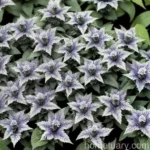
Shikoku Beautyberry (Callicarpa shikokiana): A Fascinating Ornamental Shrub
The world of plants is diverse and captivating, with each species offering unique characteristics and benefits. One such intriguing plant is the Shikoku Beautyberry (Callicarpa shikokiana), known for its stunning ornamental features and cultural significance. In this comprehensive guide, we will delve into the various aspects of the Shikoku Beautyberry, including its cultural significance, uses, care requirements, common diseases, and pruning techniques. Whether you are a seasoned gardener or a plant enthusiast, this article aims to provide valuable insights into this remarkable shrub.
Let’s begin our exploration of the Shikoku Beautyberry by understanding its key features and cultural significance.
What is Shikoku Beautyberry (Callicarpa shikokiana)?
The Shikoku Beautyberry, scientifically known as Callicarpa shikokiana, is a deciduous shrub belonging to the Lamiaceae family. Native to the island of Shikoku in Japan, this plant species has garnered attention for its vibrant berries and ornamental foliage. It is a relatively small shrub, typically reaching heights of 3 to 6 feet, making it an ideal choice for landscaping and ornamental garden displays.
The Shikoku Beautyberry is especially prized for its striking purple berries, which appear in clusters along the stems, adding a pop of color to garden landscapes. Its attractive foliage and petite, densely-packed flowers contribute to its allure, making it a popular choice among gardeners and landscape designers.
Now that we have introduced the Shikoku Beautyberry, let’s delve into the key takeaways to gain a deeper understanding of this captivating plant species.
Key Takeaways – Shikoku Beautyberry (Callicarpa shikokiana)
Before we proceed with the detailed care and maintenance guidelines for the Shikoku Beautyberry, let’s explore some of the key takeaways that encapsulate its significance and unique attributes:
-
Ornamental Appeal: The Shikoku Beautyberry is prized for its vibrant purple berries and attractive foliage, making it a visually appealing addition to gardens and landscapes.
-
Cultural Significance: The plant holds cultural significance in Japan, particularly on the island of Shikoku, where it is native. It is often featured in traditional gardens and is celebrated for its aesthetic and symbolic value.
-
Wildlife Attraction: The berries of the Shikoku Beautyberry are known to attract wildlife, including birds and butterflies, adding to its ecological importance in garden ecosystems.
-
Deciduous Nature: As a deciduous shrub, the Shikoku Beautyberry undergoes seasonal changes, offering a dynamic display throughout the year, from vibrant berries in the fall to graceful foliage in spring and summer.
-
Landscaping Potential: Its compact size and ornamental features make it an excellent choice for landscaping, whether used as a standalone specimen or as part of mixed borders and shrubbery.
As we have gained insights into the key highlights of the Shikoku Beautyberry, we will now explore the specific cultural requirements and care guidelines to ensure its optimal growth and health.
Culture
Specific cultural practices play a crucial role in the successful growth and development of the Shikoku Beautyberry. By understanding its cultural needs, gardeners and landscape enthusiasts can create an environment that promotes the thriving of this remarkable shrub. Let’s explore the essential cultural aspects associated with the Shikoku Beautyberry.
Uses
The Shikoku Beautyberry (Callicarpa shikokiana) offers a range of uses, each contributing to its appeal and practical value. Some of the primary uses and applications of this plant include:
-
Ornamental Display: The vibrant purple berries and foliage make the Shikoku Beautyberry an ideal choice for ornamental garden displays, adding color and visual interest to landscapes.
-
Wildlife Gardens: Given its ability to attract birds and butterflies, the Shikoku Beautyberry is often incorporated into wildlife-friendly garden designs, contributing to ecological diversity.
-
Seasonal Decorations: The attractive berries of the Shikoku Beautyberry are often used in seasonal decorations, such as fall and winter floral arrangements, adding a touch of natural elegance to indoor spaces.
-
Cultural Symbolism: In Japanese culture, the Shikoku Beautyberry holds symbolic significance, often associated with traditional gardens, cultural festivals, and aesthetic appreciation.
Water
Proper watering is essential to ensure the healthy growth and vitality of the Shikoku Beautyberry. Understanding its water requirements is crucial for maintaining optimal moisture levels in the soil and preventing water-related stress. Here are some important considerations regarding watering practices for the Shikoku Beautyberry:
-
Establishment Phase: During the initial establishment phase after planting, it is essential to water the shrub regularly to promote root development and acclimatization to the new environment.
-
Moisture Retention: The soil should be kept consistently moist, particularly during dry periods or in regions with limited rainfall. Adding a layer of organic mulch around the base of the plant can help retain soil moisture and reduce water evaporation.
-
Avoid Waterlogging: While the Shikoku Beautyberry thrives in moist soil, it is important to avoid waterlogging, as excessive moisture can lead to root rot and other detrimental conditions. Proper drainage is crucial to prevent water accumulation around the root zone.
-
Observational Watering: Regularly monitor the soil moisture levels and adjust the watering frequency based on environmental conditions. During hot and dry periods, the plant may require more frequent watering to maintain adequate moisture levels.
-
Rainfall Considerations: In regions with regular rainfall, it is important to assess the natural precipitation patterns and adjust supplemental watering accordingly. An understanding of local climate conditions can guide appropriate watering practices.
Sunlight
Proper exposure to sunlight is a critical factor in the growth and development of the Shikoku Beautyberry. While it thrives in various light conditions, understanding its sunlight requirements is essential for creating an environment conducive to its overall health. Here are some key considerations regarding sunlight exposure for the Shikoku Beautyberry:
-
Full Sun to Partial Shade: The Shikoku Beautyberry exhibits versatility in its sunlight requirements, thriving in both full sun and partial shade conditions. However, it tends to produce more abundant berries and vibrant foliage when provided with ample sunlight.
-
Optimal Sunlight: To encourage robust berry production and maintain the plant’s ornamental appeal, it is recommended to position the Shikoku Beautyberry in a location that receives at least 6 hours of direct sunlight each day.
-
Partial Shade Considerations: In areas with intense heat or prolonged sunlight exposure, providing partial shade during the hottest hours of the day can help prevent stress and sun damage to the foliage.
-
Understanding Microclimates: Consider the presence of microclimates within the garden or landscape, as certain areas may receive different levels of sunlight due to factors such as nearby structures, tall plants, or geographical features.
-
Sun-Adaptability: While the Shikoku Beautyberry is adaptable to varying light conditions, consistent exposure to the preferred sunlight range contributes to its overall vigor and berry production.
Fertilizer
Supplemental fertilization is beneficial for the Shikoku Beautyberry, providing essential nutrients to support its growth and enhance its ornamental features. By understanding its fertilizer needs, gardeners can optimize the plant’s nutritional intake and overall vitality. Here are important considerations regarding the fertilization of the Shikoku Beautyberry:
-
Balanced Fertilizer: Use a balanced, slow-release fertilizer specifically formulated for shrubs and ornamental plants. The fertilizer should contain a balanced ratio of nitrogen, phosphorus, and potassium, along with micronutrients essential for plant health.
-
Seasonal Fertilization: Apply fertilizer in early spring before the onset of new growth, providing the plant with a nutrient boost to support the development of foliage, flowers, and berries.
-
Avoid Over-Fertilization: While the Shikoku Beautyberry benefits from supplemental fertilization, it is important to avoid over-fertilization, as excessive nutrients can lead to imbalanced growth, reduced berry production, and potential adverse effects on the plant’s overall health.
-
Soil Testing: Conduct soil tests to assess the existing nutrient levels and pH balance. Based on the soil test results, adjust the fertilizer application to address specific deficiencies and ensure an optimal growing environment for the Shikoku Beautyberry.
-
Organic Alternatives: In addition to commercial fertilizers, organic alternatives such as compost and well-decomposed manure can be used to nourish the soil and provide gradual release of nutrients to the plant.
-
Observational Responses: Monitor the plant’s response to fertilization, observing changes in foliage color, berry production, and overall vigor. Adjust the fertilization regimen based on the plant’s specific nutritional needs and growth patterns.
Soil
The soil composition and quality significantly influence the growth and performance of the Shikoku Beautyberry. By understanding its soil preferences and adapting the soil conditions accordingly, gardeners can create an optimal growing environment for this captivating shrub. Here are important considerations regarding the soil requirements for the Shikoku Beautyberry:
-
Well-Draining Soil: The Shikoku Beautyberry thrives in well-draining, loamy soil that retains moisture while allowing excess water to drain freely. Amending heavy clay soils with organic matter can improve drainage and create a suitable growing medium for the plant.
-
pH Considerations: The ideal soil pH for the Shikoku Beautyberry ranges from slightly acidic to neutral, typically between 5.5 to 6.5. Conduct soil tests to assess the pH levels and make necessary adjustments using pH-modifying products if the soil is excessively acidic or alkaline.
-
Organic Matter Enrichment: Incorporate organic matter, such as compost, leaf mold, or peat moss, into the soil to enhance its fertility, structure, and moisture retention capacity. Organic amendments contribute to long-term soil health and provide essential nutrients to the plant.
-
Mulching Practices: Apply a layer of organic mulch around the base of the Shikoku Beautyberry to conserve soil moisture, suppress weed growth, and create a conducive microclimate around the root zone. Mulch also contributes to soil organic matter content as it decomposes over time.
-
Soil Drainage Assessment: Assess the soil drainage characteristics of the planting site to ensure that water does not collect around the root zone, as excessive moisture can negatively impact the plant’s health and root system.
-
Soil Texture Evaluation: Consider the soil texture, aiming for a balanced composition that offers adequate aeration, moisture retention, and root penetration. Loamy soils with a balanced mix of sand, silt, and clay are generally well-suited for the Shikoku Beautyberry.
Pruning
Proper pruning is essential to maintain the shape, vigor, and ornamental appeal of the Shikoku Beautyberry. By employing effective pruning techniques, gardeners can promote healthy growth, enhance berry production, and manage the overall aesthetics of the shrub. Here are crucial considerations regarding the pruning of the Shikoku Beautyberry:
-
Pruning Timing: Perform pruning during late winter or early spring before the onset of new growth. This timing allows the plant to recover from pruning and prepare for the upcoming growing season.
-
Remove Dead or Diseased Wood: Start by removing any dead, damaged, or diseased wood from the plant, promoting air circulation and reducing the risk of pest and disease infestations. Cut back to healthy tissue to encourage new growth.
-
Thinning and Shaping: Thin out overcrowded branches and remove any crossing or rubbing stems to enhance the plant’s structure and promote uniform growth. Shaping the shrub can be achieved by selectively pruning to maintain an attractive and balanced form.
-
Berry-Bearing Branches: To encourage abundant berry production, selectively prune branches to promote flowering and fruiting. Avoid extensive pruning of berry-bearing branches to preserve the ornamental appeal of the Shikoku Beautyberry.
-
Pruning Equipment: Use clean, sharp pruning tools to make precise cuts and minimize damage to the plant. Disinfect pruning tools before and after use to prevent the spread of diseases between plants.
-
Pruning Height and Size: Adjust the height and overall size of the shrub as needed, keeping in mind the desired aesthetic and functional role of the Shikoku Beautyberry within the landscape.
Propagation
Propagation methods enable gardeners to propagate new plants from established specimens, allowing for the expansion of the Shikoku Beautyberry population and the preservation of its desirable traits. Understanding effective propagation techniques is essential for maintaining genetic diversity and ensuring the availability of this unique plant species. Here are important considerations regarding the propagation of the Shikoku Beautyberry:
-
Softwood Cuttings: Propagate the Shikoku Beautyberry using softwood cuttings taken from healthy, actively growing shoots. Select cuttings with a length of 4 to 6 inches, ensuring they possess several sets of leaves and are free from damage or disease.
-
Rooting Medium: Use a well-draining, sterile rooting medium such as a blend of perlite and peat moss for rooting the softwood cuttings. Maintain consistent moisture levels and provide mild bottom heat to encourage root development.
-
Humidity Control: Create a humid environment around the cuttings by covering them with a clear plastic dome or placing them in a propagation tray with a transparent lid. Adequate humidity promotes successful rooting and minimizes moisture stress.
-
Node Orientation: Plant the softwood cuttings with at least one or two leaf nodes buried in the rooting medium to facilitate the emergence of new roots. Remove excess foliage to reduce moisture loss and focus the plant’s energy on root development.
-
Propagation Hormones: Apply a rooting hormone to the base of the softwood cuttings to stimulate the initiation of root growth and increase the likelihood of successful propagation.
-
Monitoring Progress: Regularly monitor the cuttings for signs of root development, such as new growth and resistance to gentle tugs. Once roots have established, carefully transplant the propagated Shikoku Beautyberry into individual containers or prepared planting sites.
Container Popularity
The compact nature and ornamental appeal of the Shikoku Beautyberry make it a popular choice for container gardening. Whether grown on patios, balconies, or terraces, the shrub’s adaptability to container culture allows for versatile displays and style options. Here are essential considerations regarding the container popularity of the Shikoku Beautyberry:
-
Container Selection: Choose large, sturdy containers with adequate drainage holes to accommodate the root system of the Shikoku Beautyberry and promote healthy growth. Select containers made of durable materials such as terracotta, fiberglass, or wood.
-
Well-Draining Media: Use well-draining potting media formulated for shrubs and ornamental plants. The potting mix should provide ample aeration and moisture retention while preventing waterlogging.
-
Positioning: Place the container in a location that receives the preferred sunlight conditions for the Shikoku Beautyberry. Ensure proper air circulation around the container to maintain optimal growing conditions for the plant.
-
Watering Management: Monitor the soil moisture regularly and water the containerized Shikoku Beautyberry as needed to maintain consistent moisture levels. Container-grown plants may require more frequent watering compared to those in the ground due to the limited soil volume.
-
Fertilization Practices: Apply a balanced, slow-release fertilizer to the containerized Shikoku Beautyberry in accordance with the recommended guidelines for potted plants. Nutrient management is crucial for supporting the plant’s growth and ornamental features.
-
Pruning and Maintenance: Regularly inspect the containerized shrub for any pruning requirements and address maintenance tasks such as deadheading, shaping, and pest management as needed. Containerized plants may necessitate adjustments in cultural practices to accommodate their growing environment.
Common Diseases
Despite its overall vigor, the Shikoku Beautyberry is susceptible to certain diseases that can affect its health and ornamental appeal. By recognizing common diseases and their associated symptoms, gardeners can implement preventive measures and proactive management strategies to maintain the plant’s well-being. Here are some common diseases that may affect the Shikoku Beautyberry:
-
Powdery Mildew: Powdery mildew is a fungal disease characterized by the development of a white, powdery coating on the leaves and stems of the plant. It can lead to reduced photosynthetic efficiency and aesthetic decline.
-
Cercospora Leaf Spot: Cercospora leaf spot presents as circular, dark lesions on the foliage of the Shikoku Beautyberry. As the disease progresses, affected leaves may exhibit yellowing, browning, or premature defoliation.
-
Botryosphaeria Canker: Botryosphaeria canker affects the branches of the shrub, leading to the development of sunken, discolored areas and dieback. Infected branches may exhibit reduced vigor and fail to produce berries.
-
Anthracnose: Anthracnose can cause irregular lesions and dark spots on the leaves and stems of the Shikoku Beautyberry. In severe cases, the disease may result in defoliation and diminished overall health of the plant.
-
Preventive Measures: Implement cultural practices that promote good air circulation, proper spacing, and adequate sunlight exposure to reduce the risk of fungal diseases. Additionally, avoid overhead watering to minimize moisture on the foliage, which can contribute to disease development.
Disease Diagnosis
Diagnosing potential diseases affecting the Shikoku Beautyberry involves careful observation of symptoms, understanding environmental conditions, and, if necessary, seeking professional assistance to confirm disease presence. Here are important considerations regarding the diagnosis of diseases in the Shikoku Beautyberry:
-
Symptom Recognition: Familiarize yourself with the characteristic symptoms associated with common diseases affecting the Shikoku Beautyberry, including leaf spots, cankers, and powdery coatings. Take note of any changes in foliage color, texture, and overall vigor.
-
Environmental Factors: Assess the prevailing environmental conditions, including humidity levels, temperature fluctuations, and soil moisture, as these factors can influence the development and severity of plant diseases.
-
Consultation and Resources: If unsure about disease symptoms or management strategies, seek guidance from local extension services, plant pathology specialists, or reputable gardening resources to obtain accurate diagnosis and tailored recommendations.
-
Integrated Pest and Disease Management: Implement an integrated approach to pest and disease management, emphasizing preventive strategies such as sanitation, cultural practices, and, if necessary, targeted applications of approved fungicides or treatments.
-
Documentation and Monitoring: Keep records of disease occurrences, observed symptoms, and the outcomes of any management efforts. Regularly monitor the plant for changes and respond promptly to signs of disease or distress.
Common Pests
In addition to diseases, the Shikoku Beautyberry may be susceptible to infestations by certain pests that can impact its growth and foliage. By recognizing common pests and their specific behaviors, gardeners can take proactive measures to mitigate pest pressure and safeguard the plant’s overall health. Here are some common pests that may affect the Shikoku Beautyberry:
-
Aphids: Aphids are small, sap-feeding insects that can congregate on the foliage and tender shoots of the Shikoku Beautyberry. They may cause distorted growth, honeydew secretion, and sooty mold development.
-
Spider Mites: Spider mites are tiny arachnids that feed on the undersides of leaves, causing stippling, yellowing, and weakening of the foliage. Hot and dry conditions can favor spider mite infestations.
-
Scale Insects: Scale insects are typically immobile and form waxy or armored coverings on the stems and foliage of the Shikoku Beautyberry. Heavy scale infestations can lead to reduced vigor and