

The Fascinating World of Shell Flower (Moluccella Laevis)
The world of plants is rich and diverse, offering a staggering array of species, each with its unique characteristics and requirements. Among these, the Shell Flower (Moluccella Laevis) stands out for its captivating appearance and cultural significance. In this comprehensive guide, we will delve into the various aspects of this remarkable plant, exploring its biology, care requirements, uses, and much more.
What is a Shell Flower (Moluccella Laevis)?
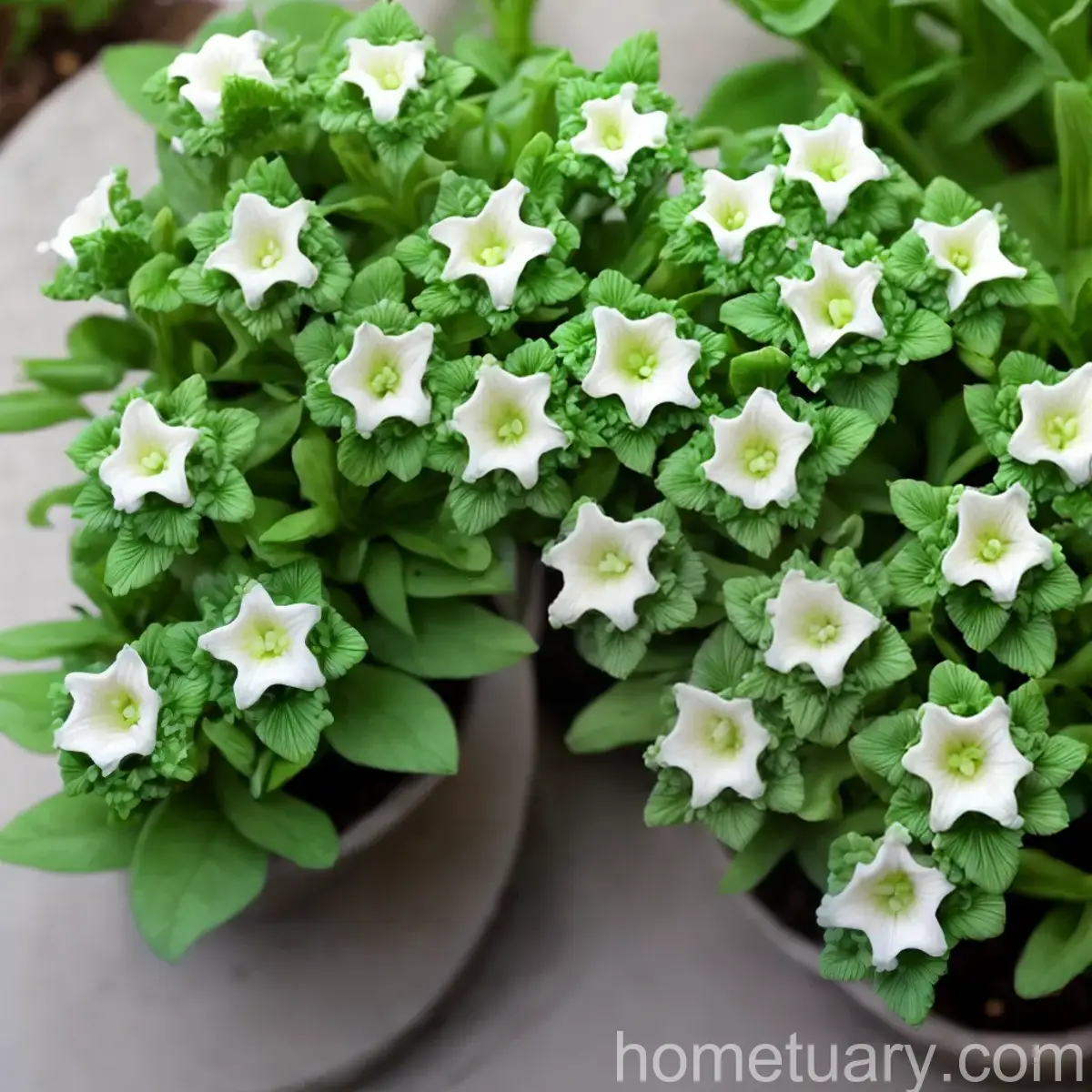
Shell Flower, scientifically known as Moluccella Laevis, is an eye-catching annual plant that belongs to the Lamiaceae family. Also known as Bells of Ireland, the plant is native to the Caucasus and southwestern Asia. Its unique appearance is defined by the distinctive, cup-shaped, pale green calyces that resemble tiny, upside-down shells, hence the name “Shell Flower.”
Key Takeaways – Shell Flower (Moluccella Laevis)
Shell Flower (Moluccella Laevis) is a captivating annual plant known for its unique shell-like green calyces. It is native to the Caucasus and southwestern Asia and holds cultural significance in various traditions and ceremonies. Understanding and implementing the proper cultural practices, such as watering, sunlight exposure, soil requirements, and propagation methods, are essential for its successful growth. The plant is a versatile addition to gardens and floral arrangements, offering aesthetic appeal and symbolism.
Now, let’s delve deeper into the various aspects of the Shell Flower, ranging from its cultural significance to practical care tips for nurturing this exceptional plant.
Culture
Uses
The Shell Flower (Moluccella Laevis) holds cultural significance across various traditions and ceremonies. It is often used in floral arrangements for weddings, bouquets, and other decorative purposes. The plant’s unique appearance and symbolism make it a popular choice for adding visual interest and depth to floral compositions.
Water
Shell Flowers thrive in well-draining soil and prefer moderate watering. It is essential to allow the soil to dry out slightly between watering sessions to prevent waterlogged conditions that can lead to root rot. As a general guideline, watering the plant when the top inch of the soil is dry is recommended.
Sunlight
When it comes to sunlight requirements, Shell Flowers thrive in full sun to partial shade. Providing at least six hours of direct sunlight per day is ideal for promoting healthy growth and vibrant calyces.
Fertilizer
Applying a balanced, all-purpose fertilizer once a month during the growing season can provide the necessary nutrients for robust growth and flowering. It is important to follow the recommended dosage and application guidelines to prevent over-fertilization, which can be detrimental to the plant’s health.
Soil
Shell Flowers prefer well-draining soil with a slightly acidic to neutral pH level. A rich, loamy soil that retains moisture while allowing excess water to drain away is conducive to the plant’s growth. It is advisable to incorporate organic matter into the soil to enhance its quality and fertility.
Pruning
Pruning can help maintain the plant’s shape and encourage branching, resulting in a more abundant display of charming calyces. Removing spent flowers and trimming back excessive growth can promote a tidy and well-balanced appearance, contributing to the plant’s overall aesthetic appeal.
Propagation
Shell Flowers can be propagated through seeds, making it a relatively straightforward process. Sowing the seeds directly into the desired outdoor location after the last frost date or starting them indoors and later transplanting them outdoors can both yield successful results. Providing adequate moisture and warmth during the germination period is crucial for successful seed propagation.
Container Popularity
The Shell Flower (Moluccella Laevis) is also well-suited for container gardening, making it a versatile option for individuals with limited outdoor space. Its unique appearance and cultural significance make it an attractive choice for adding visual interest to balconies, patios, and other outdoor areas.
Common Diseases
Disease Diagnosis
While Shell Flowers are generally resilient, they can be susceptible to certain diseases under unfavorable conditions. Common diseases that may affect Shell Flowers include botrytis blight, powdery mildew, and damping-off. Regular monitoring for signs of disease, such as unusual spots, discoloration, or wilting, can aid in early diagnosis and prompt intervention.
Common Pests
Shell Flowers may also face potential threats from pests such as aphids, spider mites, and thrips. Vigilant inspection and proactive measures, such as the use of insecticidal soaps or natural predators, can help manage pest infestations and preserve the plant’s health.
Botanist’s Tips
- Adequate Support: Providing support, such as staking, can help prevent the plant from leaning or becoming damaged by strong winds or inclement weather.
- Enhanced Air Circulation: Promoting adequate air circulation around the plant can minimize the risk of fungal diseases and pest infestations.
- Consistent Moisture: Striking a balance in watering practices to maintain consistent moisture levels without overwatering is crucial for the plant’s overall health and well-being.
Fun Facts
- Shell Flowers are often associated with symbolism related to good luck, prosperity, and celebration, making them a popular choice for festive occasions and special events.
- The plant’s uniquely shaped calyces have earned it various nicknames, including “Bells of Ireland” and “Shellflower.”
Links to External Resources
For further exploration of Shell Flowers and related topics, the following external resources provide valuable insights and information:
-
Royal Horticultural Society (RHS): The RHS website offers comprehensive plant profiles, gardening advice, and resources for enthusiasts and horticultural professionals.
-
Missouri Botanical Garden: The Missouri Botanical Garden provides botanical information, educational resources, and plant databases for a wide range of plant species.
-
University Cooperative Extension Services: Cooperative Extension Services hosted by various universities offer research-based information and assistance on plant care, gardening, and agriculture.
-
American Society of Plant Biologists: The ASPB website features scientific articles, publications, and botanical research resources for plant scientists and enthusiasts alike.
-
PlantSnap: PlantSnap is a mobile app that allows users to identify plants and access information about plant species, including Shell Flowers.
In conclusion, the Shell Flower (Moluccella Laevis) is a captivating plant with a rich cultural heritage and remarkable visual appeal. By understanding its cultural significance and adhering to proper care practices, enthusiasts can enjoy the beauty and symbolism of Shell Flowers in their gardens and floral arrangements. Whether grown in outdoor garden beds or charming containers, the Shell Flower adds a touch of elegance and charm to any setting, making it a truly delightful addition to the world of plants.




