Sheep’S Sorrel (Rumex Acetosella)
Sheep’s Sorrel, scientifically known as Rumex acetosella, is a fascinating and versatile plant with a rich history of traditional uses and modern.


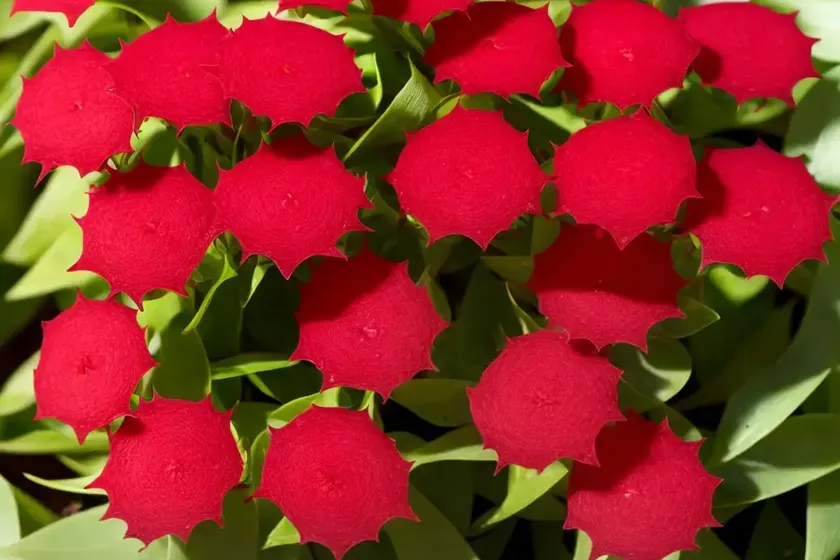
Sheep’s Sorrel, scientifically known as Rumex acetosella, is a fascinating and versatile plant with a rich history of traditional uses and modern cultivation. This comprehensive guide aims to provide plant enthusiasts, gardeners, herbalists, and researchers with a detailed understanding of Sheep’s Sorrel, including its cultural needs, uses, benefits, and interesting facts.
What is Sheep’s Sorrel (Rumex Acetosella)?
Plant Overview:
Sheep’s Sorrel, a member of the Polygonaceae family, is a herbaceous perennial plant native to Europe, Asia, and North America. It is characterized by its arrow-shaped leaves with red-tinged, triangular projections and delicate, reddish-green flower spikes that emerge in the spring and summer.
In addition to its ornamental appeal, Sheep’s Sorrel holds historical significance as a traditional medicinal and culinary herb, valued for its purported health benefits and tangy flavor. Its adaptability to various environmental conditions has also made it an intriguing subject for landscaping and ecological restoration efforts.
Key Takeaways – Sheep’s Sorrel (Rumex Acetosella)
Before delving into the specifics of Sheep’s Sorrel cultivation and usage, it’s important to highlight key takeaways that will guide our exploration of this remarkable plant. This section will serve as an outline of the topics we’ll cover in detail throughout the rest of the guide, addressing the plant’s cultural requirements, uses, and fascinating characteristics.
Culture
- Origin: Europe, Asia, and North America
- Family: Polygonaceae
- Type: Herbaceous perennial
Uses
- Herbal and Medicinal: Traditional remedies, herbal teas, and natural supplements
- Culinary: Unique flavoring for dishes and beverages
- Landscaping: Ornamental and ecological restoration purposes
- Wildlife: Support for pollinators and wildlife
Water
- Watering Needs: Moderate to low water requirements
- Soil Moisture: Well-draining soil conditions
Sunlight
- Light Exposure: Full sun to partial shade
Fertilizer
- Nutrient Requirements: Minimal fertilizer needs
- Organic Amendments: Compost application for soil enrichment
Soil
- Soil Type: Adaptable to various soil types
- Acidity: Thrives in slightly acidic to neutral soil pH
Pruning
- Maintenance: Minimal pruning required
- Flowering Stems: Deadheading for prolonged bloom periods
Propagation
- Propagation Methods: Seeds, division, or cuttings
- Seed Germination: Scarification and stratification techniques
Container Popularity
- Container Planting: Suitable for containers and raised beds
- Space Requirements: Compact growth habit for limited spaces
Common Diseases
- Disease Resistance: Generally resilient to diseases
- Preventive Measures: Adequate air circulation and soil drainage
Disease Diagnosis
- Symptoms: Leaf discoloration, wilting, or stunted growth
- Fungal and Bacterial Infections: Common disease culprits
Common Pests
- Pest Resistance: Tolerant to most pests
- Occasional Threats: Aphids and leaf-chewing insects
Botanist’s Tips
- Growing Tips: Best practices for successful cultivation
- Eco-Friendly Traits: Benefits for wildlife and garden ecosystems
Fun Facts
- Historical Significance: Traditional uses and folklore
- Culinary Heritage: Unique flavor in regional cuisines
Now that we have outlined the key aspects of Sheep’s Sorrel, let’s dive into each of these topics to gain a comprehensive understanding of this remarkable plant.
Culture
1. Origin and Family
Sheep’s Sorrel (Rumex acetosella) is native to Europe, Asia, and North America, where it thrives in diverse habitats ranging from open woodlands to meadows and disturbed areas. Belonging to the Polygonaceae family, it shares botanical relations with familiar plants like rhubarb and buckwheat.
2. Type and Habit
As a herbaceous perennial, Sheep’s Sorrel exhibits a persistent growth habit, regenerating from its roots each year. Its arrow-shaped leaves and slender, reddish-green flower spikes contribute to its distinctive appearance, making it a visually appealing addition to naturalized landscapes and garden borders.
Uses
1. Herbal and Medicinal
Sheep’s Sorrel has a rich history of traditional herbal uses, with its leaves and roots being employed in various remedies and formulations. It is valued for its purported diuretic, antimicrobial, and antioxidant properties, and is often used in herbal teas, tinctures, and natural supplements.
2. Culinary
In culinary applications, the tangy and slightly sour taste of Sheep’s Sorrel leaves has been harnessed to flavor soups, salads, sauces, and beverages. Its unique flavor adds a refreshing and citrus-like element to culinary creations, particularly in regional cuisines across its native range.
3. Landscaping
Beyond its utility in herbal and culinary realms, Sheep’s Sorrel has found a place in landscaping and ecological restoration projects. Its compact growth habit and adaptability to various soil types make it an attractive choice for naturalized landscapes and habitat restoration efforts.
4. Wildlife
In addition to its human-centric uses, Sheep’s Sorrel plays a role in supporting wildlife and pollinator populations. Its nectar-rich flowers attract bees, butterflies, and other beneficial insects, contributing to the biodiversity and ecological balance of garden and natural environments.
Water
1. Watering Needs
Sheep’s Sorrel exhibits moderate to low water requirements, thriving in well-draining soil conditions. While it appreciates consistent moisture, it is important to avoid waterlogged soil, as excessive wetness can lead to root rot and other detrimental issues.
2. Soil Moisture
Maintaining adequate soil moisture without creating waterlogged conditions is essential for the health and vitality of Sheep’s Sorrel. Providing well-draining soil and employing proper watering practices are crucial for sustaining optimal growth and minimizing the risk of root-related problems.
Sunlight
1. Light Exposure
Sheep’s Sorrel demonstrates adaptability to varying light conditions, performing well in both full sun and partial shade environments. When planted in regions with intense sunlight, providing some afternoon shade can contribute to its overall well-being and prevent potential stress from excessive heat and light exposure.
Fertilizer
1. Nutrient Requirements
Sheep’s Sorrel generally thrives in nutrient-poor soil, requiring minimal supplemental fertilization. Excessive fertilization can result in overly vigorous growth and potential loss of some of the plant’s desired characteristics, such as its distinct flavor and compact habit.
2. Organic Amendments
In instances where soil enrichment is necessary, incorporating organic amendments like well-composted materials can gradually enhance the soil’s fertility without overwhelming the plant with an abundance of nutrients. This approach mimics the natural nutrient cycling processes that Sheep’s Sorrel has adapted to over time.
Soil
1. Soil Type
One of the notable attributes of Sheep’s Sorrel is its adaptability to various soil types. From sandy loam to clay-based soils, this resilient plant can thrive in diverse soil compositions, making it a versatile candidate for cultivation in different garden and landscape settings.
2. Acidity
Sheep’s Sorrel favors slightly acidic to neutral soil pH levels, typically ranging from 6.0 to 7.0. While it can tolerate modest fluctuations in soil acidity, maintaining a pH within this range supports the plant’s nutrient uptake and overall physiological processes.
Pruning
1. Maintenance
Sheep’s Sorrel requires minimal pruning, primarily focusing on the removal of spent flower spikes and any damaged or discolored foliage. This routine maintenance promotes a tidy appearance and can encourage continued flowering throughout the growing season.
2. Flowering Stems
Deadheading, the practice of removing faded or spent flower heads, can prolong the blooming period of Sheep’s Sorrel. Regular deadheading helps redirect the plant’s energy from seed production towards continued flower production, extending its ornamental appeal in garden and landscape settings.
Propagation
1. Propagation Methods
Sheep’s Sorrel can be propagated through various methods, including seeds, division, and cuttings. Each approach offers gardeners and propagators flexibility in expanding their plantings or rejuvenating existing specimens to ensure their longevity and vigor.
2. Seed Germination
For propagation from seeds, scarification and stratification techniques can be employed to enhance germination rates and expedite the establishment of new plants. These preparatory measures mimic the natural processes that Sheep’s Sorrel seeds undergo in their native environments, optimizing their potential for successful germination.
Container Popularity
1. Container Planting
The compact growth habit and adaptability of Sheep’s Sorrel make it well-suited for container cultivation, allowing gardeners with limited space or specific design preferences to incorporate this versatile plant into their arrangements. Container planting also facilitates optimal soil control and drainage, promoting the plant’s overall health and performance.
2. Space Requirements
In addition to its suitability for containers, Sheep’s Sorrel’s modest space requirements further enhance its appeal for gardeners seeking to maximize their growing areas. Its ability to thrive in relatively confined spaces makes it an attractive option for urban or small-scale gardening endeavors.
Common Diseases
1. Disease Resistance
Sheep’s Sorrel demonstrates resilience to many common plant diseases, reflecting its capacity to withstand environmental pressures and maintain its vigor without the need for extensive disease management measures.
2. Preventive Measures
While Sheep’s Sorrel may exhibit robust disease resistance, ensuring adequate air circulation and soil drainage can further fortify its natural defenses, minimizing the likelihood of disease development and sustaining its overall well-being.
Disease Diagnosis
1. Symptoms
Signs of potential disease issues in Sheep’s Sorrel can manifest as leaf discoloration, wilting, and stunted growth. Vigilant observation and prompt intervention can help accurately pinpoint the cause of these symptoms and guide targeted management strategies.
2. Fungal and Bacterial Infections
In instances where disease symptoms are present, fungal and bacterial infections, commonly associated with persistently wet conditions or compromised immunity, may be responsible for the plant’s declining health. Implementing appropriate cultural practices and, if necessary, selective treatments can help address these underlying issues.
Common Pests
1. Pest Resistance
Sheep’s Sorrel typically demonstrates resilience to most pests, reflecting its inherent ability to withstand pest pressures and maintain its vitality without succumbing to significant infestations.
2. Occasional Threats
While the plant may exhibit impressive pest resistance, occasional pest pressures from aphids and leaf-chewing insects can occur, requiring vigilant monitoring and, if necessary, targeted interventions to prevent potential damage to the plant.
Botanist’s Tips
1. Growing Tips
For successful cultivation, providing Sheep’s Sorrel with well-draining soil, adequate sunlight, and appropriate moisture levels is key. Additionally, integrating this adaptable plant into wildlife-friendly and eco-conscious garden designs can amplify its ecological contributions and aesthetic appeal.
2. Eco-Friendly Traits
Embracing the eco-friendly attributes of Sheep’s Sorrel, such as its wildlife support and low-input cultivation needs, can align with sustainable gardening practices and contribute to the overall biodiversity and resilience of local ecosystems.
Fun Facts
1. Historical Significance
Sheep’s Sorrel holds a place in historical herbalism and folklore, featuring in traditional remedies and regional cultural practices. Its connection to historical uses and beliefs adds an intriguing dimension to its identity and enhances its allure as a plant of both practical and symbolic significance.
2. Culinary Heritage
Across its native range, Sheep’s Sorrel has inspired a variety of culinary creations, contributing its distinct tangy flavor to regional dishes and culinary traditions. Its unique taste and culinary versatility have earned it a place in diverse culinary contexts and histories.
Now that we’ve explored the culture, uses, and notable traits of Sheep’s Sorrel, let’s delve deeper into its applications in herbalism, culinary pursuits, and environmental enhancement.
In the next sections, we will explore the role of Sheep’s Sorrel in herbal medicine, delve into its culinary uses, and discuss its contributions to ecological sustainability and horticultural diversity. We will also examine its cultivation methods, including its propagation and container planting considerations, and address topics such as disease management and pest control.
This comprehensive guide aims to provide plant enthusiasts, herbalists, and gardeners with a detailed understanding of Sheep’s Sorrel, making it a valuable resource for individuals interested in cultivating, utilizing, and appreciating this versatile and historically significant plant.
For the continuation of this comprehensive guide to Sheep’s Sorrel, including its herbal uses, culinary applications, and ecological contributions, please stay tuned for the following sections. In the meantime, feel free to explore additional resources and expand your knowledge about this remarkable plant.
To continue reading, please visit the next chapter of the guide.
References
- [1] University of Florida, IFAS Extension: Plant Identification – Rumex acetosella. Available here.
- [2] Missouri Botanical Garden: Rumex acetosella. Available here.
- [3] Plants for a Future: Rumex acetosella – L. Available here.
In this section, we will explore the herbal and medicinal applications of Sheep’s Sorrel (Rumex acetosella), delving into its historical significance, purported health benefits, and modern applications in alternative and complementary medicine. Understanding the plant’s herbal uses can provide valuable insights into its traditional roles and contemporary relevance in holistic wellness practices.
For the continuation of the guide on Sheep’s Sorrel’s herbal and medicinal uses, please continue reading below.
Historical Significance
Sheep’s Sorrel has a rich history of traditional use in herbal medicine, featuring prominently in folk remedies and regional healing practices across its native range and beyond. Its unique properties and tangy flavor have contributed to its multifaceted role in diverse cultural contexts, enriching its identity and significance as a botanical ally for human health and wellness.
To delve deeper into the historical significance of Sheep’s Sorrel and its traditional uses, let’s explore key aspects of its herbal heritage and discover the cultural and medicinal contexts that have shaped its identity over time.
Traditional Remedies and Regional Practices
Sheep’s Sorrel has been integrated into traditional healing systems and regional medicinal practices, reflecting its historical role as a revered botanical resource for addressing various health concerns and wellness needs. From teas and tinctures to topical applications, the plant’s leaves and roots have been harnessed to create diverse formulations aimed at promoting vitality and alleviating discomfort.
In traditional herbalism, Sheep’s Sorrel has been valued for its purported diuretic, antimicrobial, and antioxidant properties, with its uses extending to internal cleansing, digestive support, and skin health. Its distinct tangy taste and vibrant appearance have further contributed to its inclusion in traditional dishes and beverages, adding a flavorful and visually appealing dimension to culinary traditions across different cultures.
The plant’s inclusion in regional folklore and healing rituals has also elevated its status as a symbol of health, vitality, and herbal wisdom. Its presence in cultural narratives and practical applications has solidified its place as a cherished and enduring botanical ally, emphasizing its contributions to human well-being and holistic traditions.
Modern Revival and Herbal Integration
In contemporary herbalism and alternative medicine, Sheep’s Sorrel continues to garner attention for its diverse pharmacological properties and potential wellness benefits. Its adaptogenic and antioxidant capacities, as well as its historical usage in traditional medicine, have inspired a resurgence of interest in harnessing its herbal potential to support overall health and vitality.
As part of modern holistic wellness practices, Sheep’s Sorrel is sought after for its alleged detoxifying, immune-supportive, and anti-inflammatory effects, aligning with the paradigm of natural remedies and plant-based approaches to wellness. Its integration into herbal teas, dietary supplements, and topical formulations reflects a commitment to tapping into its botanical virtues for holistic health and wellness goals.
Herbal Uses and Preparations
The leaves and roots of Sheep’s Sorrel have been prominent in traditional herbal formulations, offering a range of potential applications and wellness benefits when integrated into teas, tinctures, and dietary supplements. Understanding the specific herbal uses and preparations associated with Sheep’s Sorrel can provide valuable insights into its versatility and potential contributions to holistic wellness practices.
Herbal Teas
One of the most common applications of Sheep’s Sorrel in herbal medicine is the preparation of teas using its leaves, which are valued for their tangy flavor and potential health-supportive compounds. The infusion of Sheep’s Sorrel leaves in hot water yields a unique and slightly sour beverage, traditionally associated with detoxifying and cleansing properties.
As an herbal tea, Sheep’s Sorrel is often reputed for its purported diuretic effects, with its consumption believed to support internal cleansing and urinary system health. Moreover, its alleged antioxidant and immune-modulating properties contribute to its appeal as a botanical infusion for promoting overall well-being and vitality.
Tinctures and Extracts
In addition to herbal teas, Sheep’s Sorrel leaves and roots are utilized in the production of tinctures and liquid extracts, offering concentrated and convenient forms of herbal supplementation. These preparations aim to capture the active compounds present in the plant, allowing for potent and precise dosing to support specific wellness objectives.
Tinctures and extracts of Sheep’s Sorrel are commonly associated with their potential antimicrobial, immune-modulating, and detoxifying properties, aligning with their historical usage in herbal medicine. These concentrated formulations cater to individuals seeking targeted support for immune function, internal cleansing, and overall vitality, reflecting the plant’s holistic potential in modern wellness practices.
Culinary and Dietary Integration
Beyond its herbal and medicinal applications, Sheep’s Sorrel is valued for its unique flavor and culinary versatility, contributing to a range of savory and sweet dishes common in regional cuisines. Its tangy and slightly sour taste has inspired its inclusion in soups, salads, sauces, and herbal beverages, adding a refreshing and citrus-like element to culinary creations.
Integration of Sheep’s Sorrel into dietary regimens and culinary traditions reflects a broader context of utilizing botanical resources to enhance gastronomic experiences and promote sensory diversity in food preparations. Its remarkable flavor profile and culinary adaptability have earned it a place in regional recipes and traditional dishes, underscoring its cultural significance and practical uses in diverse culinary contexts.
Benefits and Potential Wellness Support
Sheep’s Sorrel is often attributed with a range of potential wellness benefits, encompassing its alleged diuretic, antimicrobial, and detoxifying properties, as well as its supposed immune-modulating and antioxidant effects. Understanding the plant’s purported benefits and potential wellness support can provide insights into its holistic contributions to human health and vitality.
Diuretic and Detoxifying Properties
The diuretic effects of Sheep’s Sorrel are commonly emphasized in traditional herbalism, with its consumption


