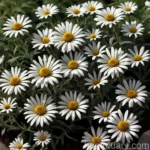
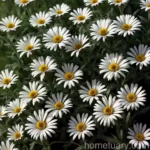
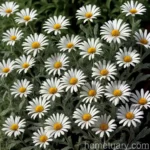
Shasta Daisy (Leucanthemum x superbum ‘Aglaia’)
Shasta daisies are delightful perennial plants that are cherished for their cheerful, daisy-like blossoms. With their pristine white petals and radiant yellow centers, they add a touch of elegance and charm to any garden. In this comprehensive guide, we will delve into the fascinating world of Shasta daisies, specifically focusing on the Leucanthemum x superbum ‘Aglaia’ variety. From understanding its cultural requirements to learning about its propagation and common diseases, this article aims to provide thorough insights into the captivating Shasta daisy (Leucanthemum x superbum ‘Aglaia’).
What is Shasta Daisy (Leucanthemum x superbum ‘Aglaia’)?
Shasta daisies, scientifically known as Leucanthemum x superbum ‘Aglaia’, are a vigorous and floriferous perennial cherished for their snow-white blossoms and bright yellow centers. This particular variety, ‘Aglaia’, is known for its compact growth habit and abundant flowering, making it a popular choice among gardeners for adding a classic touch to borders, containers, and cutting gardens.
Key Takeaways
Let’s first uncover the key takeaways associated with the Shasta daisy (Leucanthemum x superbum ‘Aglaia’).
- Shasta Daisy Varieties: Understanding the various types and cultivars of Shasta daisies.
- Shasta Daisy Care Tips: Exploring essential care guidelines to ensure the optimal growth and blooming of Shasta daisies.
- Leucanthemum x Superbum ‘Aglaia’: Unveiling the unique characteristics and qualities of the ‘Aglaia’ variety.
- Shasta Daisy Flower: Delving into the anatomy and beauty of the Shasta daisy blossoms.
- Perennial Daisies: Understanding the perennial nature of Shasta daisies and their longevity in gardens.
- Shasta Daisy Plant: Exploring the growth habit, foliage, and flowering patterns of Shasta daisies.
- Daisy Hybrids: Learning about the hybridization processes and the creation of Shasta daisies.
- Shasta Daisy Propagation: Understanding the methods and techniques for propagating Shasta daisies.
- Shasta Daisy Pruning: Exploring the best practices for pruning Shasta daisies to promote healthy growth and abundant flowering.
- Shasta Daisy Growing Conditions: Understanding the environmental requirements for successful growth of Shasta daisies.
- Shasta Daisy Landscape Ideas: Exploring creative landscaping ideas featuring Shasta daisies.
- Shasta Daisy Companion Plants: Discovering suitable companion plants that complement Shasta daisies.
- Shasta Daisy Planting Guide: Unveiling the step-by-step process for planting Shasta daisies.
- Shasta Daisy Bloom Time: Understanding the blooming season and duration of Shasta daisies.
- Shasta Daisy Watering Needs: Exploring the watering requirements to maintain optimal soil moisture for Shasta daisies.
- Shasta Daisy Soil Requirements: Understanding the soil types and characteristics best suited for Shasta daisies.
- Shasta Daisy Sun Requirements: Exploring the sunlight needs for healthy growth and flowering of Shasta daisies.
- Shasta Daisy Garden Design: Understanding the aesthetic and design aspects associated with including Shasta daisies in gardens.
- Shasta Daisy Maintenance: Discovering the essential maintenance tasks to ensure the longevity and vigor of Shasta daisies.
- Shasta Daisy Pests and Diseases: Learning about the common pests and diseases affecting Shasta daisies and ways to mitigate them.
- Shasta Daisy Fragrance: Exploring the delightful fragrance, if any, emitted by Shasta daisies.
- Shasta Daisy Cutting Flowers: Understanding the suitability of Shasta daisies for cut flower arrangements.
- Shasta Daisy Medicinal Uses: Exploring any potential medicinal properties or historical medicinal uses of Shasta daisies.
- Shasta Daisy Wildlife Attraction: Discovering the potential for attracting wildlife, such as pollinators, to gardens with Shasta daisies.
- Shasta Daisy Summer Blooms: Understanding the blooming patterns of Shasta daisies during the summer season.
- Shasta Daisy Winter Care: Exploring the care guidelines for ensuring the survival and vitality of Shasta daisies during winter.
- Shasta Daisy Seasonal Changes: Understanding how Shasta daisies evolve and change throughout different seasons.
- Shasta Daisy Pollinators: Exploring the pollinator species that are attracted to Shasta daisies.
- Shasta Daisy Landscape Borders: Understanding the role of Shasta daisies in creating stunning landscape borders.
- Shasta Daisy Container Gardening: Discovering the suitability of growing Shasta daisies in containers.
- Shasta Daisy Flower Arrangements: Unveiling the beauty and suitability of Shasta daisies in floral arrangements.
- Shasta Daisy Color Variations: Exploring the diverse color variations and cultivars of Shasta daisies.
- Shasta Daisy Height and Spread: Understanding the typical growth characteristics in terms of height and spread for Shasta daisies.
- Shasta Daisy Foliage Characteristics: Exploring the foliage and leaf attributes of Shasta daisies.
- Shasta Daisy Hardiness Zones: Understanding the hardiness zones where Shasta daisies thrive.
- Shasta Daisy Garden Maintenance: Understanding the ongoing maintenance tasks for healthy and vibrant Shasta daisies.
- Shasta Daisy Division Techniques: Learning about the division methods for propagating and rejuvenating Shasta daisies.
- Shasta Daisy Seed Saving: Unveiling the process of saving seeds from Shasta daisies for future propagation.
- Shasta Daisy Deer Resistance: Understanding the resistance of Shasta daisies against deer browsing.
- Shasta Daisy Attracting Butterflies: Exploring the potential of Shasta daisies to attract and support butterfly populations.
- Shasta Daisy Attracting Hummingbirds: Discovering the appeal of Shasta daisies to hummingbirds.
- Shasta Daisy Cottage Garden: Understanding the suitability of Shasta daisies in the classic cottage garden style.
- Shasta Daisy Cutting Back: Exploring the benefits and best practices for cutting back Shasta daisies.
- Shasta Daisy Landscape Borders: Understanding the aesthetic and functional role of Shasta daisies in landscape borders.
- Shasta Daisy Plant Food: Exploring the suitable fertilization practices and plant food for Shasta daisies.
- Shasta Daisy Soil Amendments: Understanding the beneficial soil amendments for optimal growth of Shasta daisies.
- Shasta Daisy Garden Aesthetics: Exploring the visual and aesthetic contributions of Shasta daisies to gardens.
- Shasta Daisy Garden Focal Point: Understanding the potential for Shasta daisies to serve as focal points in garden designs.
- Shasta Daisy Seasonal Blooms: Exploring the blooming patterns of Shasta daisies throughout different seasons.
- Shasta Daisy Naturalizing: Understanding the potential for Shasta daisies to naturalize and thrive in wild or informal settings.
Culture
Understanding the cultural requirements is essential for successfully growing and maintaining Shasta daisies, particularly the ‘Aglaia’ variety. Let’s delve into the key cultural aspects associated with this delightful perennial.
Water
-
Watering Needs: Shasta daisies, including the ‘Aglaia’ variety, thrive in well-draining soil and require regular watering, especially during periods of dryness or drought. However, they are generally resilient to occasional dry spells once they are established, making them suitable for water-wise gardens.
-
Soil Moisture: It is crucial to maintain adequate soil moisture, especially during the active growing season and flowering period, to support healthy growth and prolific blooming. However, it is equally important to avoid waterlogging and excessive moisture, which can lead to root rot and other moisture-related issues.
-
Mulching: Applying a layer of organic mulch around the base of the plants can help retain soil moisture, regulate soil temperature, and reduce the frequency of watering. Mulching also contributes to the overall health of the plants by suppressing weed growth and enhancing soil fertility as it decomposes.
Sunlight
-
Sun Requirements: Shasta daisies, including the ‘Aglaia’ variety, thrive in full to partial sunlight. While they can tolerate partial shade, they generally produce the most abundant blooms when exposed to at least six hours of direct sunlight per day. Therefore, it is crucial to position them in a location that receives ample sunlight for optimal flowering performance.
-
Sunlight Management: In regions with intense summer heat, providing some partial shade during the hottest part of the day can help prevent sunscald and reduce heat stress on the plants. On the other hand, in cooler climates, ensuring maximum sunlight exposure is essential for promoting robust growth and blooming.
Fertilizer
-
Fertilization Needs: Shasta daisies benefit from a balanced and organic-rich fertilizer, especially during the early spring when they are preparing for their blooming season. Applying a slow-release or granular fertilizer formulated for flowering perennials can provide the necessary nutrients for strong, healthy growth and abundant blossoms.
-
Fertilizer Application: It is advisable to apply the fertilizer according to the manufacturer’s instructions, typically before the onset of active growth in spring and potentially during the blooming season if additional nourishment is required. Over-fertilization should be avoided, as it can result in excessive foliage growth at the expense of flowering.
Soil
-
Soil Type: Shasta daisies, including the ‘Aglaia’ variety, prefer well-draining, loamy soil with a slightly acidic to neutral pH. Soil that retains excessive moisture should be amended with organic matter, such as compost or well-rotted manure, to improve drainage and aeration.
-
Soil Preparation: Prior to planting or transplanting Shasta daisies, it is beneficial to prepare the soil by incorporating organic amendments and ensuring adequate soil compaction to support healthy root development. Testing the soil and adjusting its pH and nutrient levels as necessary can contribute to the long-term success of the plants.
Pruning
Pruning is an essential aspect of maintaining the vigor and flowering capacity of Shasta daisies, including the ‘Aglaia’ variety. Proper pruning techniques contribute to the overall health and aesthetics of the plants, and understanding the key principles is crucial for successful cultivation.
Pruning Guidelines
-
Deadheading: Regular deadheading, which involves removing spent blooms and old flower heads, promotes continuous blooming and prevents the development of seed heads. Deadheading should be performed throughout the blooming season to encourage the production of new flower buds and prolong the display of blossoms.
-
Cutting Back: In late summer or early fall, it is recommended to cut back the foliage and flower stems of Shasta daisies, allowing them to rejuvenate and prepare for dormancy. Pruning back the spent growth also contributes to tidiness and prevents the plants from becoming leggy or unkempt.
-
Division: Every few years, dividing the Shasta daisy clumps can rejuvenate the plants, control their spread, and promote healthier growth. Division is typically carried out in early spring or fall, allowing the segments to establish in new locations or be shared with other gardeners.
-
Overall Maintenance: Regularly inspecting the plants for signs of disease, pest infestations, or overgrowth is essential. Pruning away any damaged, diseased, or overcrowded growth can prevent the spread of issues and maintain the overall health and beauty of the plants.
Propagation
Understanding the propagation methods for Shasta daisies, particularly the ‘Aglaia’ variety, allows gardeners to expand their plantings, share the joy of these delightful flowers, and ensure the preservation of their favorite cultivars. Let’s explore the key propagation techniques associated with Shasta daisies.
Division
-
Segmentation: Dividing mature Shasta daisy clumps into smaller segments is a common and straightforward method of propagation. This process involves carefully digging up the established clumps, separating them into smaller sections, and replanting the segments in suitable locations.
-
Optimal Timing: Division is typically performed in early spring or fall when the plants are not actively blooming and are preparing for new growth. This timing allows the divided segments to establish themselves before the onset of extreme weather conditions.
-
Segment Care: It is crucial to ensure that each segment retains a sufficient portion of healthy roots and foliage to support its growth and re-establishment. Adequate watering and protection from excessive heat or cold during the initial phase are essential for successful propagation through division.
Seeds
-
Seed Collection: Allowing the spent flowers of Shasta daisies to develop into seed heads provides an opportunity for collecting seeds for propagation. Harvesting the ripe seeds and storing them in a cool, dry place allows for subsequent sowing when the conditions are favorable.
-
Seed Sowing: Sowing Shasta daisy seeds in well-prepared soil with adequate moisture and sunlight can lead to the germination and establishment of new plants. It is important to follow the specific guidelines for the depth and spacing of the seeds to ensure successful outcomes.
-
Seedling Care: Providing care and attention to the emerging seedlings, including adequate watering, protection from pests, and gradual acclimatization to outdoor conditions, can support their healthy development and eventual transition to mature plants.
Stem Cuttings
-
Cutting Selection: Propagating Shasta daisies through stem cuttings involves carefully selecting healthy and non-flowering stems for rooting. The cuttings, typically taken from the parent plant during the active growing season, should exhibit vigor and potential for root development.
-
Rooting Medium: Placing the stem cuttings in a suitable rooting medium, such as a mix of perlite and peat, provides the necessary support and moisture for the development of roots. Maintaining consistent humidity and warmth around the cuttings can facilitate successful rooting.
-
Rooting Conditions: Providing indirect light and regular misting or watering without saturating the rooting medium supports the establishment of roots on the cuttings. Monitoring the cuttings for signs of new growth and root development is essential for assessing their progress.
Container Popularity
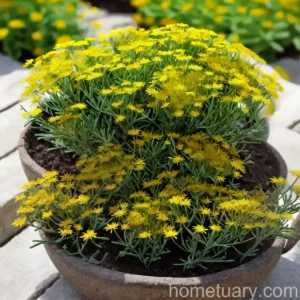
Shasta daisies, including the ‘Aglaia’ variety, are popular choices for container gardening due to their compact growth habit, vibrant blooms, and versatility in various design styles. Placing them in containers enhances their portability and enables gardeners to display them in different settings. Let’s explore the factors contributing to the popularity of Shasta daisies in container gardening.
Compact Growth
-
Suitable Size: The relatively compact size of Shasta daisies, especially the ‘Aglaia’ variety, makes them well-suited for container gardening. Their manageable growth habit allows them to thrive in containers of various sizes without becoming overwhelming.
-
Portability: Placing Shasta daisies in containers provides the flexibility to relocate them as needed, allowing for dynamic arrangements and seasonal adjustments in the garden or landscape.
Aesthetic Appeal
-
Visual Impact: The stunning white blooms with sunny yellow centers of Shasta daisies create a visually striking display in containers, adding a touch of elegance and charm to patios, porches, and outdoor living spaces.
-
Seasonal Interest: Utilizing containers allows for showcasing Shasta daisies as standalone features or incorporating them into seasonal arrangements, further enhancing their appeal throughout the year.
Versatility
-
Design Flexibility: Including Shasta daisies in containers offers opportunities for creative design compositions, such as combining them with other flowering plants, ornamental grasses, or foliage accents to achieve diverse visual effects.
-
Theme Enhancement: Tailoring the container plantings with Shasta daisies to specific themes or color schemes allows for customization and personalized expressions in garden design.
Maintenance Benefits
-
Controlled Environment: Container gardening provides a controlled environment for Shasta daisies, allowing for better management of soil conditions, moisture levels, and overall maintenance.
-
Accessibility: Maintaining and caring for Shasta daisies in containers is convenient, as it allows for easier access and closer monitoring of their growth, health, and aesthetic appeal.
Container Common Diseases
While container gardening offers numerous advantages for growing Shasta daisies, it is important to be aware of the common diseases that may affect these plants in a confined environment. Understanding the potential diseases and their management is crucial for maintaining the health and vitality of Shasta daisies in containers.
Disease Diagnosis
-
Powdery Mildew: This fungal disease often manifests as a white, powdery coating on the foliage of Shasta daisies, especially in conditions with high humidity and limited air circulation. Regularly inspecting the plants for signs of powdery mildew and promptly addressing it with appropriate treatments can prevent its spread.
-
Leaf Spot: Leaf spot diseases, caused by various fungal pathogens, can lead to the development of unsightly spots, browning, or yellowing of the foliage. Maintaining good air circulation, minimizing overhead watering, and promptly removing and disposing of affected leaves can help manage leaf spot diseases.
-
Root Rot: Excessive moisture and poor drainage in containers can create conditions conducive to root rot, which may cause the decline and wilting of Shasta daisies. Adjusting the watering practices, ensuring proper drainage, and using well-draining potting mix are essential for preventing root rot in container-grown plants.
Common Pests
In addition to diseases, certain pests may pose challenges to Shasta daisies grown in containers. Vigilance and proactive pest management strategies are vital for protecting the plants and preserving their beauty in the container garden.
Pest Identification
-
Aphids: These small, soft-bodied insects may infest the tender growth and flower buds of Shasta daisies, leading to distorted growth and reduced vigor. Regularly inspecting the plants for aphids and using targeted control methods, such as insecticidal soap or horticultural oils, can help manage infestations.
-
Spider Mites: Spider mites, known for causing stippled or discolored foliage, are a concern in dry and warm conditions. Increasing humidity, rinsing the foliage, and employing natural predators, such as predatory mites, can assist in controlling spider mite populations in container-grown plants.
-
Slugs and Snails: These mollusks can target the tender foliage and blooms of Shasta daisies, causing visible damage and reducing their aesthetic appeal. Employing physical barriers, such as copper tape, and implementing slug and snail control measures can protect the plants from these pests.
Botanist’s Tips
As a botanist specializing in ornamental plants, I offer the following tips and recommendations for successfully cultivating and enjoying Shasta daisies, particularly the ‘Aglaia’ variety, in diverse garden settings.
-
Cultivar Selection: When selecting Shasta daisies for your garden or containers, consider the specific cultivars, such as the ‘Aglaia’ variety, known for their compact growth, abundant flowering, or unique characteristics that align with your preferences and design goals.
-
Well-Draining Soil: Prioritize the use of well-draining soil for planting Shasta daisies, especially in containers, to prevent waterlogged conditions and support healthy root development. Amending the soil with organic matter can