Columnar Apple (Malus Pumila ‘Tuscan’ STARK EMERALD SPIRE)
A columnar apple tree, scientifically known as Malus pumila ‘Tuscan’ Stark Emerald Spire, is a type of apple tree with a unique upright growth habit. These.
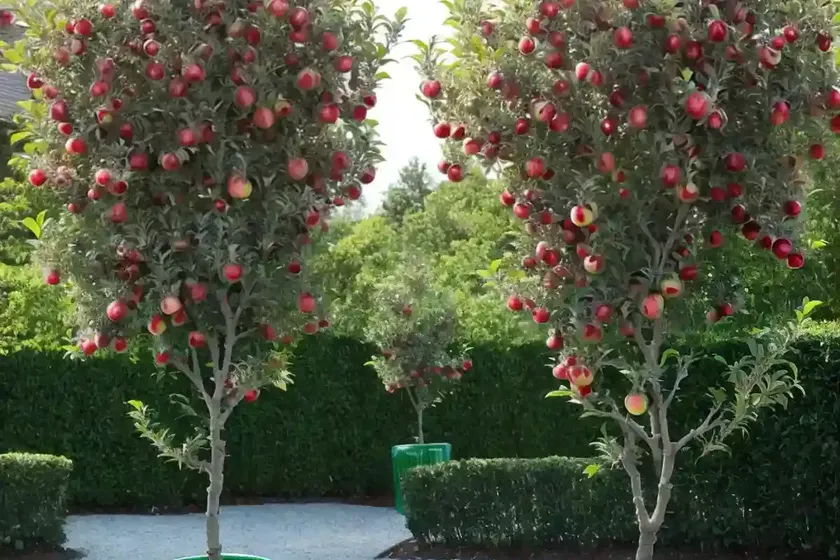
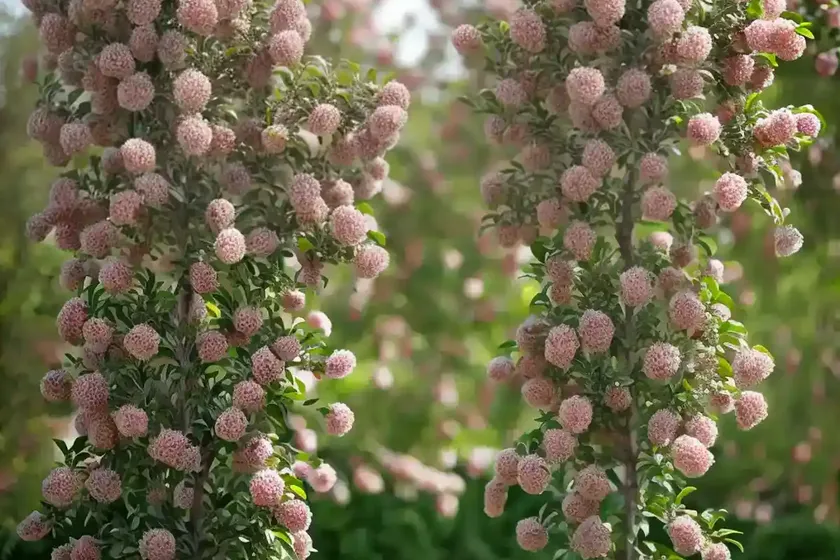
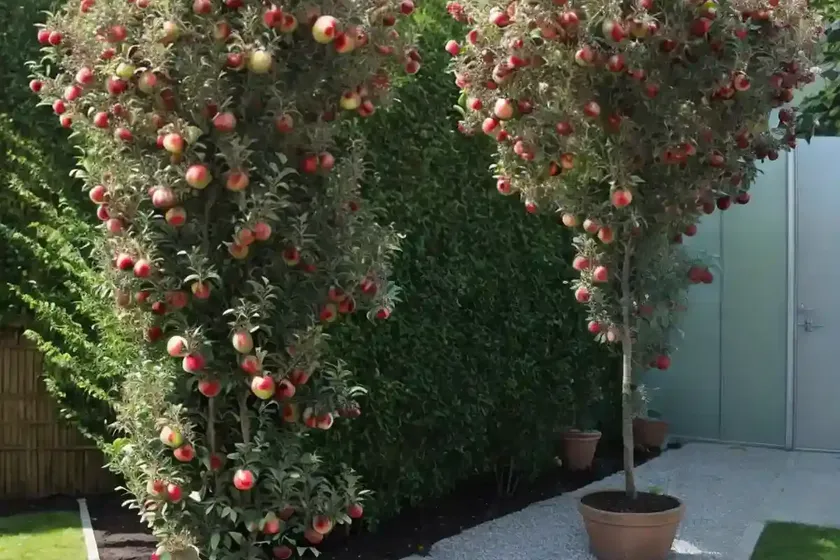
A columnar apple tree, scientifically known as Malus pumila ‘Tuscan’ Stark Emerald Spire, is a type of apple tree with a unique upright growth habit. These trees are known for their slender, vertical shape, making them an attractive and space-saving option for home gardens, orchards, and urban landscapes. The ‘Tuscan’ cultivar, also marketed under the name Stark Emerald Spire, is a specific variety of columnar apple tree that offers distinct features and benefits.
In this comprehensive guide, we will explore the culture, uses, care requirements, and interesting facts about the columnar apple tree, particularly focusing on the Malus pumila ‘Tuscan’ Stark Emerald Spire variety. Whether you are a gardening enthusiast, a professional horticulturist, or simply curious about unique fruit tree varieties, this article will provide valuable insights into the world of columnar apple trees.
Key Takeaways – Columnar Apple (Malus pumila ‘Tuscan’ Stark Emerald Spire)
Before delving into the in-depth details of the columnar apple tree, let’s highlight the key takeaways that we will cover in this guide:
-
Culture: Understanding the preferred growing conditions and environmental requirements for Malus pumila ‘Tuscan’ Stark Emerald Spire.
-
Uses: Exploring the diverse uses and applications of columnar apple trees in landscaping and fruit production.
-
Water: Guidelines for proper watering practices to ensure the health and vitality of the ‘Tuscan’ cultivar.
-
Sunlight: Sunlight requirements and considerations for optimizing growth and fruit production in columnar apple trees.
-
Fertilizer: Nutritional needs and fertilization strategies for promoting robust growth and fruit development.
-
Soil: Selecting suitable soil types and understanding soil requirements for planting and maintaining columnar apple trees.
-
Pruning: Techniques and tips for pruning the Malus pumila ‘Tuscan’ Stark Emerald Spire to maintain its distinctive columnar form and encourage fruiting.
-
Propagation: Methods for propagating columnar apple trees, including insights into grafting and seed propagation.
-
Container Popularity: Exploring the rising popularity of growing ‘Tuscan’ columnar apple trees in containers and small spaces.
-
Container Common Diseases: Common diseases and their diagnosis in columnar apple trees grown in containers.
-
Disease Diagnosis: Identifying potential diseases and implementing effective disease management practices for the ‘Tuscan’ variety.
-
Common Pests: Understanding common pests that can affect columnar apple trees and implementing pest control measures.
-
Botanist’s Tips: Expert tips and recommendations from botanists and horticulture professionals for growing and caring for Malus pumila ‘Tuscan’ Stark Emerald Spire.
-
Fun Facts: Discovering interesting and lesser-known facts about the ‘Tuscan’ variety and columnar apple trees in general.
-
Links to External Resources: Providing a curated list of external resources for further exploration of columnar apple trees and related topics.
Culture of Columnar Apple (Malus pumila ‘Tuscan’ Stark Emerald Spire)
Understanding the cultural requirements of the Malus pumila ‘Tuscan’ Stark Emerald Spire is essential for successful cultivation and optimal growth. This section will delve into the environmental preferences, planting considerations, and overall cultural needs of the columnar apple tree.
Ideal Growing Conditions
Columnar apple trees, including the ‘Tuscan’ variety, thrive in specific environmental conditions that support their unique growth habit and fruiting capabilities. Key factors to consider include:
- Climate: Preferred climate zones for growing Malus pumila ‘Tuscan’ Stark Emerald Spire.
- Temperature: Tolerances and temperature ranges for optimal growth and fruit development.
- Humidity: Considerations for humidity levels and potential impacts on tree health.
- Wind Exposure: Effects of wind exposure on columnar apple trees and strategies for wind protection.
Planting Guidelines
When planting the ‘Tuscan’ cultivar of columnar apple tree, certain guidelines should be followed to ensure successful establishment and long-term health. These guidelines may include:
- Spacing: Recommended spacing between ‘Tuscan’ columnar apple trees to accommodate their upright growth habit.
- Soil Preparation: Preparing the planting site with suitable soil amendments and considerations for soil drainage and fertility.
- Planting Depth: Proper planting depth for columnar apple trees to promote healthy root development.
Environmental Considerations
Various environmental factors, such as microclimate considerations and site-specific influences, can impact the growth and performance of Malus pumila ‘Tuscan’ Stark Emerald Spire. Understanding these considerations can help optimize the tree’s overall cultural environment.
NLP Keywords: Columnar Apple Tree ‘Tuscan’, Malus pumila ‘Tuscan’, Tuscan Columnar Apple Variety, Malus pumila Cultivar, Tuscan Apple Tree Growth Habit
Uses of Columnar Apple Trees
Beyond their ornamental appeal, columnar apple trees, particularly the ‘Tuscan’ variety, have diverse applications and uses that make them highly valuable in both home landscapes and commercial settings. This section will explore the various uses and benefits of Malus pumila ‘Tuscan’ Stark Emerald Spire.
Landscaping Purposes
The unique growth habit and aesthetic appeal of columnar apple trees make them well-suited for enhancing the visual appeal of landscapes. Whether in small gardens, urban settings, or decorative plantings, the ‘Tuscan’ variety can serve as a focal point or an element of architectural interest.
Space-Saving Solution
The slender and vertical nature of columnar apple trees allows for efficient space utilization, making them an ideal choice for smaller yards, urban gardens, and limited planting areas. Their compact form enables gardeners to enjoy homegrown apples without requiring significant space.
Fruit Production
While appreciated for their ornamental value, columnar apple trees also contribute to fruit production, providing a source of fresh, homegrown apples. The ‘Tuscan’ cultivar offers the added advantage of producing fruit within its narrow footprint, making it accessible for harvesting and maintenance.
Container Cultivation
The adaptability of the ‘Tuscan’ variety to container cultivation expands its potential uses, allowing for apple tree cultivation in patios, balconies, and other confined spaces. Container-grown columnar apple trees offer opportunities for urban and small-space gardening.
NLP Keywords: Narrow Apple Tree ‘Tuscan’, Tall Apple Tree ‘Tuscan’, Slender Apple Tree ‘Tuscan’, Skinny Apple Tree ‘Tuscan’, Compact Apple Tree ‘Tuscan’, Dwarf Apple Tree ‘Tuscan’, Upright Apple Tree ‘Tuscan’, Vertical Apple Tree ‘Tuscan’
Watering the Columnar Apple (Malus pumila ‘Tuscan’ Stark Emerald Spire)
Proper water management is essential for the health and vigor of Malus pumila ‘Tuscan’ Stark Emerald Spire, especially during the establishment phase and throughout its growth and fruiting stages. This section will address the watering needs, irrigation guidelines, and best practices for maintaining optimal soil moisture levels for the ‘Tuscan’ variety.
Water Requirements
Understanding the specific water requirements of columnar apple trees, including the ‘Tuscan’ cultivar, is crucial for preventing water stress and promoting robust growth and fruit production. Factors to consider include:
- Establishment Phase: Initial watering needs during the tree’s establishment period.
- Seasonal Variations: Adjusting watering frequency and volume based on seasonal climate variations.
- Root Zone Moisture: Ensuring adequate soil moisture in the root zone without waterlogging.
Irrigation Techniques
Applying appropriate irrigation techniques and methods can help efficiently deliver water to Malus pumila ‘Tuscan’ Stark Emerald Spire, promoting deep root development and overall plant health. Techniques may include:
- Drip Irrigation: Utilizing drip systems to provide consistent and targeted moisture to the tree’s root zone.
- Mulching: Implementing mulching strategies to conserve soil moisture and reduce water evaporation.
- Monitoring Soil Moisture: Using soil moisture sensors or manual checks to assess moisture levels and adjust irrigation as needed.
Watering Considerations for Container-Grown Trees
In the context of container cultivation, specific considerations for watering columnar apple trees in pots or containers are essential to ensure proper hydration and prevent water-related issues.
NLP Keywords: Malus pumila ‘Tuscan’ Characteristics, Stark Emerald Spire Apple Tree, ‘Tuscan’ Apple Tree Care Tips, Stark Emerald Spire Apple Tree Facts
Sunlight Requirements for Malus pumila ‘Tuscan’ Stark Emerald Spire
Optimal sunlight exposure is a critical factor influencing the growth, fruiting, and overall performance of columnar apple trees, including the ‘Tuscan’ variety. This section will address the sunlight requirements, light preferences, and considerations for maximizing solar exposure for the ‘Tuscan’ cultivar.
Full-Sun Preference
Columnar apple trees thrive in full-sun environments, characterized by direct and uninterrupted sunlight for a significant portion of the day. Providing the ‘Tuscan’ variety with ample sunlight is essential for:
- Photosynthesis: Supporting the tree’s energy production and carbohydrate synthesis through photosynthesis.
- Fruit Ripening: Promoting fruit development, flavor, and coloration through adequate sunlight exposure.
- Disease Prevention: Enhancing air circulation and light penetration to minimize disease susceptibility.
Sunlight Access in Container Cultivation
In container-grown settings, ensuring sufficient access to sunlight is particularly important, considering the potential limitations of spatial constraints and shading from surrounding structures. Strategies to optimize sunlight exposure for containerized columnar apple trees may include:
- Placement Considerations: Positioning containers in areas with maximum sunlight penetration throughout the day.
- Sunlight Reflection: Utilizing reflective surfaces or materials to redirect sunlight toward the tree’s canopy.
- Seasonal Adjustments: Monitoring and adjusting the positioning of containers based on seasonal sun angles and shading patterns.
Sun-Related Considerations
Understanding the implications of sunlight on the ‘Tuscan’ variety allows for informed decisions regarding tree placement, landscape design, and environmental adaptations to ensure the tree’s light requirements are met.
Fertilizing Malus pumila ‘Tuscan’ Stark Emerald Spire
Proper nutrition is essential for the growth, development, and fruiting of columnar apple trees, and providing appropriate fertilization is a key aspect of their care. This section will cover fertilizer requirements, application techniques, and nutrient considerations for Malus pumila ‘Tuscan’ Stark Emerald Spire.
Nutrient Needs
Balanced nutrient availability is crucial for promoting healthy growth and fruit production in the ‘Tuscan’ variety. Understanding the specific nutrient requirements and their roles in supporting the tree’s physiological processes can guide effective fertilization practices.
- Macronutrients: Providing essential macronutrients, such as nitrogen, phosphorus, and potassium, in appropriate proportions to meet the tree’s growth demands.
- Micronutrients: Addressing potential micronutrient deficiencies through targeted applications or soil amendments.
Fertilization Schedule
Establishing a consistent and well-timed fertilization schedule assists in meeting the nutritional needs of Malus pumila ‘Tuscan’ Stark Emerald Spire, ensuring a steady supply of essential nutrients throughout the growing season.
- Early Season Fertilization: Providing initial nutrients in preparation for the tree’s growth and fruiting phases.
- Mid-Season Applications: Supplemental applications to replenish nutrient reserves and support sustained growth and fruit development.
- Late Season Considerations: Adjusting fertilization as the season progresses to address the tree’s changing physiological demands.
Organic Fertilization Options
Exploring organic fertilization methods and products presents environmentally-friendly alternatives for enriching the soil and providing natural, slow-release nutrients to the ‘Tuscan’ variety.
NLP Keywords: ‘Tuscan’ Apple Tree Pruning, ‘Tuscan’ Apple Tree Disease Resistance, Columnar Apple Tree Benefits, Malus pumila ‘Tuscan’ Description
Soil Considerations for Malus pumila ‘Tuscan’ Stark Emerald Spire
Selecting appropriate soil types, addressing soil quality considerations, and understanding the soil requirements for columnar apple trees are crucial components of successful cultivation. This section will delve into the soil preferences, soil amendments, and overall soil management for the ‘Tuscan’ cultivar.
Soil Type Preferences
Columnar apple trees, including Malus pumila ‘Tuscan’ Stark Emerald Spire, perform best in well-drained, fertile soils with specific structural and textural characteristics that support their root development and overall health.
- Loam Soils: Ideal for their balanced drainage and water retention properties, providing a favorable medium for root growth.
- Soil Structure: Addressing soil compaction and aeration to promote root penetration and nutrient uptake.
- pH Considerations: Understanding the tree’s preferred soil pH range and potential pH modification strategies.
Soil Amendments
In cases where the existing soil conditions may be suboptimal for columnar apple tree cultivation, incorporating soil amendments and soil conditioning practices can improve soil quality and support the ‘Tuscan’ variety’s growth.
- Organic Matter Additions: Introducing compost, aged manure, or organic amendments to enhance soil fertility and biological activity.
- Mineral Supplements: Addressing specific nutrient deficiencies through targeted mineral amendments or soil treatments.
Container Media Considerations
For container-grown columnar apple trees, selecting suitable container media that mimics ideal soil conditions becomes essential for providing a conducive rooting environment and nutrient access.
- Drainage Capacity: Ensuring container media with sufficient drainage to prevent waterlogging and root suffocation.
- Nutrient Retention: Balancing media components to retain nutrients while allowing for adequate aeration and water movement.
NLP Keywords: Stark Emerald Spire Apple Tree Growth Rate, Malus pumila ‘Tuscan’ Disease Resistance, ‘Tuscan’ Apple Tree Size, ‘Tuscan’ Apple Tree Planting Guide
Pruning the ‘Tuscan’ Columnar Apple Tree
Pruning is a fundamental aspect of maintaining the distinctive form, structure, and fruiting potential of Malus pumila ‘Tuscan’ Stark Emerald Spire. This section will address the pruning requirements, techniques, and seasonal considerations for the proper management of columnar apple trees.
Formative Pruning
Initiating formative pruning during the early stages of the tree’s growth is essential for shaping the ‘Tuscan’ variety’s vertical, columnar structure, and establishing a strong framework for future growth and fruit production.
- Central Leader Training: Encouraging the development of a dominant central leader to maintain the tree’s upright form.
- Branch Selection: Identifying and pruning undesirable or competing branches to preserve the tree’s vertical growth habit.
Maintenance Pruning
Ongoing maintenance pruning plays a critical role in regulating the growth, structure, and fruiting potential of columnar apple trees. Regular pruning activities may include:
- Thinning: Removing excess or overcrowded branches to improve light penetration and air circulation within the tree’s canopy.
- Diseased Branch Removal: Identifying and pruning diseased or damaged branches to prevent the spread of infections and maintain tree health.
Fruit Spur Management
Managing and renewing fruit spurs is necessary for sustaining consistent fruit production in the ‘Tuscan’ cultivar, involving targeted pruning techniques to optimize fruiting potential.
- Selective Pruning: Retaining and managing fruiting spurs to encourage robust fruit development while balancing vegetative growth.
Seasonal Pruning Practices
Adopting seasonal pruning practices tailored to the ‘Tuscan’ variety’s growth habits and physiological responses ensures that pruning activities align with the tree’s annual growth cycle and developmental phases.
- Winter Pruning: Utilizing dormant season pruning for structural adjustments, maintenance, and the removal of dead or damaged wood.
- Summer Pruning: Addressing growth moderation, shaping, and selective branch pruning during the active growing season to maintain the tree’s form and productivity.
NLP Keywords: Columnar Apple Tree Varieties, Malus pumila ‘Tuscan’ Maintenance, Stark Emerald Spire Apple Tree Care, ‘Tuscan’ Apple Tree Pruning Techniques
Propagation Methods for Malus pumila ‘Tuscan’ Stark Emerald Spire
Successfully propagating Malus pumila ‘Tuscan’ Stark Emerald Spire enables growers and enthusiasts to generate new trees and expand their apple tree populations. This section will explore propagation techniques, methods, and considerations for the ‘Tuscan’ variety.
Grafting
Grafting techniques are commonly employed for propagating columnar apple trees, including the ‘Tuscan’ cultivar, and offer an efficient means of reproducing desired traits and characteristics.
- Scion Selection: Choosing healthy, disease-free scion wood from desirable ‘Tuscan’ trees for grafting onto rootstocks.
- Grafting Methods: Exploring grafting techniques, such as whip-and-tongue grafting, cleft grafting, or budding, to unite scion and rootstock successfully.
Seed Propagation
While less commonly utilized for producing true-to-type ‘Tuscan’ trees, seed propagation remains a viable method for introducing genetic diversity and exploring the potential for new cultivars.
- Seed Collection: Harvesting seeds from ripe ‘Tuscan’ apple fruits and preparing them for germination.
- Seedling Care: Nurturing seedlings, selecting desirable traits, and evaluating seedling performance for potential future selections.
Rootstock Considerations
Selecting appropriate rootstocks compatible with the ‘Tuscan’ variety is pivotal for ensuring grafting success and establishing balanced tree vigor and performance.
- Rootstock Attributes: Identifying rootstocks with suitable growth characteristics, disease resistance, and compatibility with ‘Tuscan’ scions.
- Graft Compatibility: Ensuring proper graft compatibility between selected rootstocks and ‘Tuscan’ scions to promote successful union and long-term tree health.
Propagation Efficiency
Implementing best practices and adherence to proper propagation techniques improve the efficiency and success rates of propagating Malus pumila ‘Tuscan’ Stark Emerald Spire, contributing to the availability of quality ‘Tuscan’ trees for enthusiasts and growers.
NLP Keywords: ‘Tuscan’ Apple Tree Disease Resistance, Columnar Apple Tree Benefits, Malus pumila ‘Tuscan’ Description, Stark Emerald Spire Apple Tree Facts
Growing ‘Tuscan’ Columnar Apple Trees in Containers
The versatility of growing Malus pumila ‘Tuscan’ Stark Emerald Spire in containers opens up new possibilities for home gardeners, urban dwellers, and those with limited outdoor space. This section will explore the considerations, benefits, and specialized care aspects of container cultivation for the ‘Tuscan’ variety.
Container Selection
Choosing the right containers for growing columnar apple trees, such as the ‘Tuscan’ cultivar, is crucial for providing adequate space, root development, and proper growing conditions.
- Size and Volume: Selecting containers with sufficient depth and volume to accommodate the tree’s root system and allow for healthy growth.
- Drainage Features: Ensuring containers have adequate drainage holes and proper drainage capabilities to


