Creeping Juniper (Juniperus horizontalis ‘Plumosa’): A Plant Scientist’s Guide
Creeping juniper, scientifically known as Juniperus horizontalis ‘Plumosa’, is a fascinating and versatile plant that is valued for its ground-covering capabilities, low-maintenance nature, and ornamental beauty. This resilient evergreen shrub belongs to the cypress family (Cupressaceae) and is native to North America. In this comprehensive guide, we will delve into the various aspects of the creeping juniper, including its culture, uses, care requirements, common diseases and pests, propagation methods, and much more.
What is Creeping Juniper (Juniperus horizontalis ‘Plumosa’)?
Creeping juniper, also referred to as Plumosa creeping juniper, is a low-growing evergreen shrub characterized by its horizontal spreading habit. The ‘Plumosa’ variety is specifically recognized for its dense, soft foliage and exceptional ground-covering abilities. This cultivar of the species Juniperus horizontalis is admired for its adaptability to various environmental conditions, making it a popular choice for landscaping and ornamental purposes.
Key Takeaways
Before delving into the detailed aspects of creeping juniper, here are the key takeaways that will be covered in this guide:
- Plant Name: Juniperus horizontalis ‘Plumosa’
- Culture
- Uses
- Water
- Sunlight
- Fertilizer
- Soil
- Pruning
- Propagation
- Container Popularity
- Common Diseases
- Common Pests
- Botanist’s Tips
- Fun Facts
Now, let’s explore each of these aspects in detail.
Culture
The culture of creeping juniper refers to the environmental conditions, maintenance practices, and overall care required for its healthy growth and development.
Uses
Creeping juniper holds several practical and aesthetic uses, making it a popular choice for various landscaping and gardening applications.
- Ground Cover: One of the primary uses of creeping juniper is its role as a ground cover plant. With its sprawling growth habit, it effectively covers bare ground and serves as an excellent erosion-control measure on slopes.
- Landscaping: The low-growing and dense nature of Plumosa creeping juniper makes it an ideal choice for landscaping, particularly in areas where a low-maintenance, ornamental ground cover is desired.
- Trailing Plant: Its trailing growth habit also makes it suitable for trailing over walls, rock gardens, and other landscape features, adding a cascading and visually appealing element to the surroundings.
- Erosion Control: Due to its spreading nature and ability to form dense mats, creeping juniper is commonly used for stabilizing soil on slopes and preventing erosion.
Water
When it comes to watering creeping juniper, it is essential to strike a balance that ensures the plant’s hydration needs are met without leading to waterlogging or excessive moisture, which can be detrimental to its health.
- Established Plants: Once established, creeping juniper is remarkably drought-tolerant and has low water needs. However, during prolonged dry spells, supplemental watering can be beneficial, particularly for maintaining its vibrant green color and overall vigor.
- Young Plants: Newly planted or young creeping juniper specimens may require more frequent watering to aid in their establishment and root development. However, it is crucial to avoid overwatering, which can lead to root rot and other moisture-related issues.
Sunlight
Creeping juniper thrives in sunny conditions and exhibits optimal growth and foliage development when provided with adequate sunlight.
- Full Sun: Ideally, creeping juniper should be planted in locations that receive full sun, defined as at least 6 to 8 hours of direct sunlight daily. In such conditions, the plant demonstrates robust growth and maintains its lush green appearance.
- Partial Shade: While creeping juniper prefers full sun, it can tolerate some degree of light shade, particularly in hotter regions or during scorching summer months. However, prolonged shade may result in reduced growth and less vibrant foliage.
Fertilizer
In general, creeping juniper is considered a low-maintenance plant that does not demand frequent or heavy fertilization. However, providing it with the appropriate nutrients can support its overall health and vitality.
- Timing: Fertilization is typically performed in early spring before new growth emerges. This allows the plant to utilize the nutrients as it enters the active growing season.
- Type of Fertilizer: A balanced, slow-release fertilizer formulated for evergreen plants or shrubs is suitable for creeping juniper. Avoid high-nitrogen fertilizers, as they can promote rapid, weak growth and diminish the plant’s natural density and vigor.
- Application: Apply the fertilizer evenly around the base of the plant, ensuring that it is not in direct contact with the foliage or stems. Water the area thoroughly after application to facilitate nutrient absorption.
Soil
Understanding the soil preferences of creeping juniper is crucial for ensuring its long-term health and vigor.
- Well-Drained Soil: Creeping juniper thrives in well-drained soil and is intolerant of waterlogged conditions. Poor drainage can lead to root rot and other moisture-related issues, making it essential to ensure that the planting site has good drainage.
- Soil pH: It generally prefers slightly acidic to neutral soil with a pH range of 6.0 to 7.0. Conducting a soil test can help determine the pH of the planting site and whether any amendments are necessary to achieve the optimal pH range for the plant.
- Soil Composition: A loamy or sandy soil with good aeration is well-suited for creeping juniper. Conversely, heavy clay soils should be amended with organic matter to enhance drainage and overall soil structure.
Pruning
Pruning plays a vital role in maintaining the desired size and shape of creeping juniper, as well as promoting its overall health and vigor.
- Timing: Pruning is typically carried out in late winter to early spring, before the onset of new growth. This timing allows the plant to recover and initiate new growth as the growing season progresses.
- Tools: Sharp, sterile pruning shears or loppers are essential for precise and clean cuts, reducing the risk of plant injury and disease transmission.
- Pruning Objectives: The primary objectives of pruning creeping juniper include shaping the plant, removing dead or diseased growth, and managing its size to prevent overcrowding.
- Techniques: When pruning, selectively remove overgrown or straggly branches, trimming them back to the desired length. Avoid excessive pruning or cutting into old wood, as creeping juniper may not regenerate growth from such areas.
Propagation
Propagating creeping juniper can be achieved through various methods, each with its own requirements and considerations.
- Cuttings: Propagation from stem cuttings is a common and reliable method for reproducing creeping juniper. Select healthy, non-flowering shoots for cuttings, and root them in a well-draining rooting medium. With proper care and favorable conditions, the cuttings will develop roots and can be transplanted to their permanent location.
- Division: Dividing established plants is another propagation technique for creeping juniper. This method involves carefully lifting the plant, dividing the root ball into sections, and replanting the divisions in suitable locations.
Container Popularity
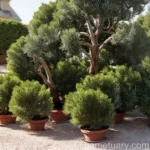
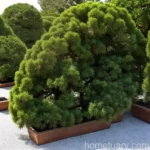
Creeping juniper’s adaptability and low-maintenance nature make it well-suited for container cultivation, offering numerous possibilities for creative and functional uses in gardens and landscapes.
- Container Selection: When selecting a container for growing creeping juniper, opt for one with adequate drainage holes to prevent water accumulation. Additionally, choose a container that provides ample room for the plant’s root system to develop and expand.
- Soil and Fertilization: Utilize a well-draining potting mix formulated for container plants, ensuring that it offers sufficient aeration and moisture retention. Fertilize the plant sparingly, using a balanced, slow-release fertilizer designed for container cultivation.
Common Diseases
While creeping juniper is generally resilient and not prone to severe disease issues, it can occasionally encounter certain ailments that warrant attention.
- Phomopsis Tip Blight: This fungal disease can affect the tips of juniper branches, causing them to turn brown and die back. Prune and dispose of affected plant parts, and utilize appropriate fungicidal treatments as recommended by local extension services.
- Rust Diseases: Various rust fungi can infect juniper plants, leading to yellow-orange spore formations on the foliage. Improving air circulation around the plant, removing and disposing of infected foliage, and applying fungicidal treatments can help manage rust diseases.
- Root Rot: Prolonged exposure to waterlogged soil can predispose creeping juniper to root rot, characterized by wilting, yellowing foliage, and general decline. Addressing soil drainage issues and practicing proper watering habits are essential for preventing root rot.
Common Pests
Creeping juniper may occasionally encounter pest infestations, although most are not typically severe and can be effectively managed through integrated pest management strategies.
- Spider Mites: These tiny arachnids can cause stippling and webbing on the foliage, leading to a decline in plant health. Mitigate spider mite infestations by regularly washing the foliage, introducing natural predators, and utilizing insecticidal soaps if necessary.
- Bagworms: The larvae of bagworm moths can feed on juniper foliage, constructing protective bags as they feed. Handpicking and destroying the bags, particularly during the winter months, can help control bagworm populations effectively.
- Juniper Scale: Scale insects may infest juniper plants, causing yellowing and stunted growth. Pruning and disposing of heavily infested branches, as well as implementing horticultural oils or insecticidal treatments, can aid in managing scale populations.
Botanist’s Tips
Here are some additional tips and considerations for cultivating and caring for creeping juniper, based on botanical insights and best practices:
- Spacing: When planting creeping juniper for ground cover purposes, ensure adequate spacing between individual plants to accommodate their spread and prevent overcrowding.
- Winter Protection: In regions with harsh winters and cold temperatures, consider providing winter protection for young or vulnerable creeping juniper specimens, such as using mulch or burlap wraps to shield them from extreme weather conditions.
- Companion Planting: Select companion plants that complement the characteristics and growing requirements of creeping juniper, creating visually appealing and harmonious landscape arrangements.
Fun Facts
To add a touch of intrigue and fascination to the discussion of creeping juniper, here are some captivating and lesser-known facts about this remarkable plant:
- Historical Significance: Creeping juniper holds historical significance and has been used for various purposes throughout history, including in traditional medicine and as a source of natural dyes.
- Scented Foliage: Some varieties of creeping juniper feature aromatic foliage with a distinctive, pleasing scent, adding sensory appeal to their ornamental value.
- Wildlife Habitat: The dense growth habit of creeping juniper provides shelter and nesting sites for various small wildlife species, contributing to the ecological diversity of its surroundings.
Links to External Resources
For further information and insights into the cultivation, care, and extended uses of creeping juniper, the following external resources are valuable references:
- University of Florida IFAS Extension: Creeping Juniper
- Mississippi State University Extension: Ground Cover Junipers
- The Morton Arboretum: Creeping Juniper
- University of Maryland Extension: Junipers in the Landscape
In conclusion, creeping juniper (Juniperus horizontalis ‘Plumosa’) stands as a resilient, versatile, and visually striking plant that offers numerous advantages for landscaping and ornamental uses. With its low-maintenance nature, adaptability to diverse environmental conditions, and aesthetic appeal, it remains a popular choice for ground cover, landscaping, and various horticultural applications. By understanding its culture, care requirements, potential uses, and the associated management of diseases and pests, gardeners and horticulture enthusiasts can fully appreciate and effectively cultivate this remarkable plant.