Shamrock Plum Crazy’ (Oxalis ‘plum Crazy)
In the world of ornamental plants, the Shamrock Plum Crazy, also known as Oxalis ‘Plum Crazy’, stands out as a stunning and unique addition to any indoor.
In the world of ornamental plants, the Shamrock Plum Crazy, also known as Oxalis ‘Plum Crazy’, stands out as a stunning and unique addition to any indoor or outdoor garden. Its vibrant hues and delicate appearance make it a popular choice among plant enthusiasts. In this comprehensive guide, we will explore the various aspects of this fascinating plant, including its culture, uses, care requirements, and more. Whether you’re a seasoned gardener or just starting on your green-thumb journey, this article will provide valuable insights into the beautiful Shamrock Plum Crazy.
What is the Plant – Shamrock Plum Crazy (Oxalis ‘Plum Crazy’)?
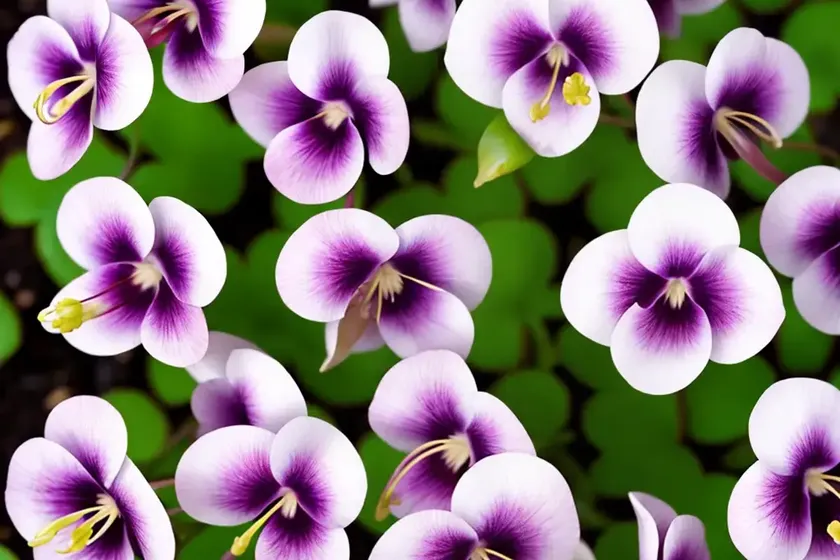
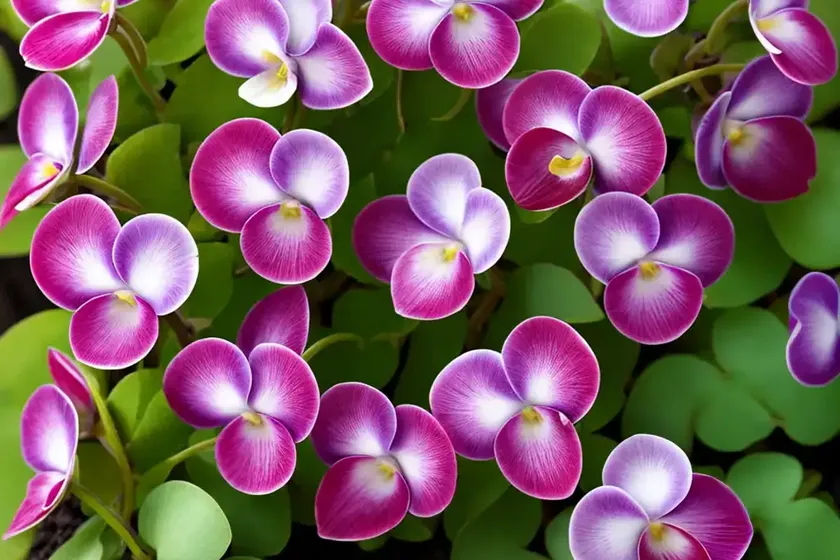
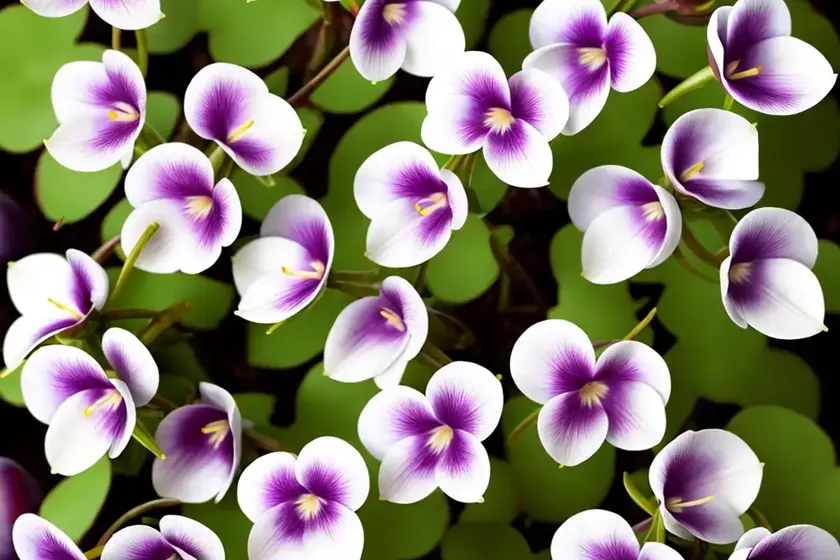
The Oxalis ‘Plum Crazy’, commonly referred to as Shamrock Plum Crazy, is a cultivar of the Oxalis genus. This particular variety is renowned for its striking foliage, which features deep purple markings that contrast beautifully with the vibrant green base color. The leaves of the Shamrock Plum Crazy resemble the shape of a shamrock, hence the common name “Shamrock” Oxalis.
The Oxalis genus encompasses a large group of plants, including both annual and perennial species, which are known for their clover-like leaves and attractive flowers. While some Oxalis species are considered invasive in certain regions, the Shamrock Plum Crazy is primarily grown for its ornamental value and is cherished for its compact growth habit and eye-catching appearance.
Key Takeaways – Shamrock Plum Crazy (Oxalis ‘Plum Crazy’)
Before delving into the specific care requirements and attributes of the Shamrock Plum Crazy, let’s outline some key takeaways that encapsulate the essence of this remarkable plant:
- Striking foliage: The Shamrock Plum Crazy is distinguished by its exquisite foliage, featuring vibrant green leaves adorned with deep purple markings, creating a visually captivating display.
- Versatile uses: This ornamental plant is well-suited for both indoor and outdoor settings, adding a touch of elegance to a wide range of environments, from living rooms and offices to garden beds and container plantings.
- Low maintenance: Despite its alluring appearance, the Shamrock Plum Crazy is relatively low maintenance and can thrive with minimal care, making it an ideal choice for busy individuals or beginners in gardening.
- Charismatic characteristics: With its charming, clover-like leaves and a propensity for producing delicate flowers, the Shamrock Plum Crazy possesses an irresistible charm that appeals to plant enthusiasts of all levels.
Now that we have established an overview of the Shamrock Plum Crazy, let’s delve into the specific cultural aspects and care guidelines for this captivating plant.
Culture
Cultivating the Shamrock Plum Crazy to its full potential involves understanding its cultural requirements, encompassing aspects such as water, sunlight, fertilizer, soil, and pruning. By creating an environment that caters to the specific needs of the plant, you can ensure its optimal growth and overall well-being.
Water
Proper watering is crucial for the Shamrock Plum Crazy, as it helps maintain adequate moisture levels without leading to waterlogged conditions. When it comes to watering this plant, the following guidelines can help you strike the right balance:
- Moderate watering: Aim to water the Shamrock Plum Crazy thoroughly when the top layer of the soil feels dry to the touch. Allow excess water to drain from the pot to prevent water accumulation at the root level.
- Avoid overwatering: While the plant requires consistent moisture, overwatering should be avoided, as it can lead to root rot and other complications. Assess the soil’s moisture level regularly to determine the appropriate watering frequency.
Sunlight
In terms of sunlight requirements, the Shamrock Plum Crazy thrives in bright, indirect light, making it an excellent choice for indoor settings with ample natural illumination. Consider the following points related to sunlight exposure for this plant:
- Filtered light: Position the Shamrock Plum Crazy in a location with filtered sunlight, such as near a window with sheer curtains or in an area where direct sunlight is diffused.
- Avoid intense heat: While the plant enjoys bright light, direct exposure to intense, midday sunlight should be minimized, as it can lead to leaf scorching and stress the plant.
Fertilizer
Feeding the Shamrock Plum Crazy with a balanced fertilizer can support its growth and promote foliage vibrancy. Follow these recommendations for fertilizing this plant effectively:
- Moderate feeding: During the growing season, apply a diluted, balanced liquid fertilizer to the plant every 4-6 weeks to provide essential nutrients for healthy growth.
- Adjust during dormancy: When the plant enters a period of dormancy, typically in late fall to early winter, reduce or discontinue fertilization until new growth emerges in the following spring.
Soil
The choice of soil plays a pivotal role in the overall health of the Shamrock Plum Crazy, influencing factors such as moisture retention, aeration, and nutrient availability. Consider the following soil-related guidelines for optimal plant care:
- Well-draining soil: Use a well-draining potting mix to ensure that excess water can easily escape from the root zone, preventing waterlogged conditions that can compromise the plant’s health.
- Aeration and moisture balance: Seek a potting mix that strikes a balance between aeration and moisture retention, providing a conducive environment for root development while preventing soil compaction or excessive dryness.
Pruning
While the Shamrock Plum Crazy generally requires minimal pruning, occasional grooming can help maintain its compact form and promote healthy growth. Follow these simple pruning tips to keep the plant looking its best:
- Remove leggy growth: Trim back any leggy or elongated stems to encourage a more bushy, compact growth habit and revitalize the plant’s appearance.
- Deadheading flowers: If the Shamrock Plum Crazy produces flowers, promptly remove spent blooms to redirect the plant’s energy towards foliage and overall vitality.
Uses
The Shamrock Plum Crazy presents a multitude of uses that cater to both aesthetic and functional purposes, making it a versatile addition to various settings. Whether you’re seeking to enhance your indoor space with a touch of natural beauty or looking to add visual appeal to your outdoor garden, this plant offers numerous applications, including:
- Indoor ornamental: With its striking foliage and compact growth habit, the Shamrock Plum Crazy serves as an eye-catching accent for interior spaces, from desktops and shelves to plant stands and hanging baskets.
- Outdoor landscaping: In outdoor settings, the Shamrock Plum Crazy can be incorporated into flower beds, rock gardens, and container plantings to infuse color and texture into the landscape.
- Special occasions: Given its charming appearance, the Shamrock Plum Crazy can be utilized as a decorative element for special events, such as weddings, parties, and festive celebrations, adding a natural touch to the décor.
Propagation
The propagation of the Shamrock Plum Crazy opens up opportunities to expand your plant collection or share its beauty with others. Several methods can be employed to propagate this plant, offering flexibility and accessibility for growers of all levels. Consider the following propagation techniques for the Shamrock Plum Crazy:
- Division: Divide mature clumps of the Shamrock Plum Crazy into smaller sections, each containing healthy roots and growth points. Replant these divisions to establish new plants.
- Rhizome cuttings: Harvest rhizome cuttings from established plants, ensuring that each cutting possesses viable growth points. Plant the cuttings in a suitable growing medium to encourage root development and subsequent growth.
Container Popularity
The compact nature of the Shamrock Plum Crazy makes it well-suited for container cultivation, offering opportunities for versatile placement and mobility. Its popularity as a container plant stems from several key factors, including:
- Space efficiency: With its modest size, the Shamrock Plum Crazy can thrive in containers of various sizes, making it ideal for small living spaces, balconies, and patios where space may be limited.
- Indoor adaptability: As an indoor container plant, the Shamrock Plum Crazy can readily adapt to interior environments, bringing a touch of nature to homes, offices, and other indoor settings.
- Decorative appeal: When showcased in decorative pots, hanging baskets, or unique containers, the Shamrock Plum Crazy serves as a charming and conversation-worthy addition to any indoor or outdoor space.
Common Diseases
While the Shamrock Plum Crazy is generally resilient, it may be susceptible to certain diseases and ailments that can affect its overall health and appearance. Understanding these common diseases and their associated symptoms is crucial for prompt identification and intervention. Some common diseases that may affect the Shamrock Plum Crazy include:
- Leaf spot: Characterized by the development of small, dark spots on the foliage, leaf spot can be caused by various fungal pathogens and may lead to leaf discoloration and defoliation if left untreated.
- Powdery mildew: A common fungal disease, powdery mildew appears as a white powdery coating on the leaves, impacting their aesthetics and potentially hindering photosynthesis if the infestation is severe.
- Root rot: Excessive moisture in the soil can predispose the Shamrock Plum Crazy to root rot, resulting in wilting, yellowing leaves, and overall decline in plant health.
Disease Diagnosis
When diagnosing diseases in the Shamrock Plum Crazy, careful observation and prompt action are essential for effective management. Consider the following steps for diagnosing and addressing potential diseases affecting the plant:
- Visual inspection: Regularly examine the foliage, stems, and soil of the plant for any signs of discoloration, spots, or unusual growths that may indicate the presence of disease.
- Consultation with experts: If you suspect that the Shamrock Plum Crazy is affected by a disease, seek guidance from horticulturists or plant health professionals to accurately diagnose the issue and determine an appropriate course of action.
- Cultural adjustments: In some cases, modifying the plant’s cultural conditions, such as adjusting watering practices or increasing air circulation, may help mitigate the impact of certain diseases and prevent their recurrence.
Common Pests
In addition to diseases, the Shamrock Plum Crazy may fall prey to various pests that can compromise its well-being and aesthetics. Vigilance and proactive measures can help mitigate pest infestations and safeguard the plant from potential damage. Some common pests that may pose a threat to the Shamrock Plum Crazy include:
- Aphids: These small, sap-sucking insects can congregate on the undersides of leaves, causing leaf distortion, yellowing, and the secretion of sticky honeydew that can attract other pests and fungal pathogens.
- Spider mites: Spider mites are microscopic pests that thrive in dry conditions, feeding on the plant’s sap and producing fine webbing, which can envelop the foliage and lead to leaf stippling and discoloration.
- Fungus gnats: These small, flying insects typically inhabit damp, organic-rich soil and may lay their eggs in the potting mix, resulting in the emergence of larvae that can feed on the plant’s roots.
Pest Management
Effectively managing pests that target the Shamrock Plum Crazy involves a combination of preventive measures, cultural practices, and targeted interventions to minimize pest populations and protect the plant. Consider the following pest management strategies for the Shamrock Plum Crazy:
- Natural predators: Introducing beneficial predatory insects, such as ladybugs and lacewings, can help control aphid and mite populations, acting as natural enemies to keep pest numbers in check.
- Horticultural oils: Applying horticultural oils can help suffocate and eliminate pests such as spider mites and aphids, reducing their impact on the Shamrock Plum Crazy without posing significant harm to beneficial insects.
- Soil drenches: For managing soil-dwelling pests like fungus gnats, consider using beneficial nematodes or soil drenches with natural insecticides to target pest larvae and disrupt their life cycle.
Botanist’s Tips
As a botanist specializing in ornamental plants, I have had the opportunity to observe and cultivate the Shamrock Plum Crazy in various settings, allowing me to gather valuable insights and tips for ensuring the optimal health and vigor of this captivating plant. Based on my experience, I would like to share the following botanist’s tips for caring for the Shamrock Plum Crazy:
- Regular monitoring: Routinely monitor the Shamrock Plum Crazy for any signs of stress, including changes in leaf color, wilting, or pest activity, to promptly address potential issues and prevent them from escalating.
- Balanced watering: Strive to maintain a balanced approach to watering, allowing the soil to partially dry out between waterings while ensuring that the plant receives adequate moisture to support healthy growth.
- Gentle handling: When handling the Shamrock Plum Crazy for maintenance tasks or propagation, exercise care to avoid damaging the delicate foliage and stems, as the plant’s compact nature requires gentle treatment.
- Adaptation to conditions: Appreciate the adaptability of the Shamrock Plum Crazy to varying environmental conditions, as it can thrive in both indoor and outdoor settings with the right adjustments to its cultural requirements.
Fun Facts
To further enhance your appreciation for the Shamrock Plum Crazy, here are some intriguing and delightful fun facts about this captivating plant:
- Global appeal: The Shamrock Plum Crazy is celebrated worldwide for its decorative charm and serves as a popular ornamental choice in diverse cultural and geographical contexts.
- Symbolic significance: In many traditions and beliefs, the shamrock is regarded as a symbol of good luck, adding an auspicious connotation to the presence of the Shamrock Plum Crazy in homes and gardens.
- Variegated varieties: Apart from the ‘Plum Crazy’ cultivar, the Oxalis genus encompasses numerous variegated species and cultivars, each boasting distinct patterns and colorations that contribute to the visual allure of the plants.
Links to External Resources
For further exploration of the Shamrock Plum Crazy and related topics, the following links to external resources provide valuable information and insights:
-
Royal Horticultural Society (RHS) – Oxalis: The Royal Horticultural Society offers a comprehensive database of Oxalis species, including cultivation tips and recommended varieties for ornamental use.
-
University of Florida IFAS Extension – Oxalis Production Guide: This production guide from the University of Florida’s IFAS Extension provides in-depth information on the cultivation, propagation, and management of Oxalis plants, including ‘Plum Crazy’ varieties.
-
Gardening Know How – Growing Oxalis Plants: This resource from Gardening Know How offers practical insights into the general care and cultivation of Oxalis plants, catering to both indoor and outdoor environments.
-
The Spruce – How to Grow and Care for Oxalis: The Spruce presents a comprehensive guide to growing and caring for Oxalis, encompassing key aspects such as light, water, soil, and pest management.
Conclusion
In this comprehensive guide, we have embarked on a journey of discovery into the captivating world of the Shamrock Plum Crazy, a striking and versatile ornamental plant that continues to capture the hearts of gardening enthusiasts worldwide. From its charming foliage to its adaptability in various settings, the Shamrock Plum Crazy embodies traits that make it an appealing choice for both novice and seasoned plant enthusiasts.
By understanding the intricacies of its culture, uses, care requirements, and unique attributes, you can cultivate and enjoy the beauty of the Shamrock Plum Crazy while nurturing its well-being. Whether you choose to showcase it as an indoor accent or integrate it into your outdoor landscape, the Shamrock Plum Crazy has the potential to infuse charm and elegance into every environment it graces. As you embark on your journey with the Shamrock Plum Crazy, may it bring you joy, inspiration, and an enduring appreciation for the wonders of the natural world.


