Shamrock Plants (Oxalis Acetosella)
Shamrock plants, scientifically known as Oxalis acetosella, are charming, low-growing perennials that are prized for their delicate, three-leafed.
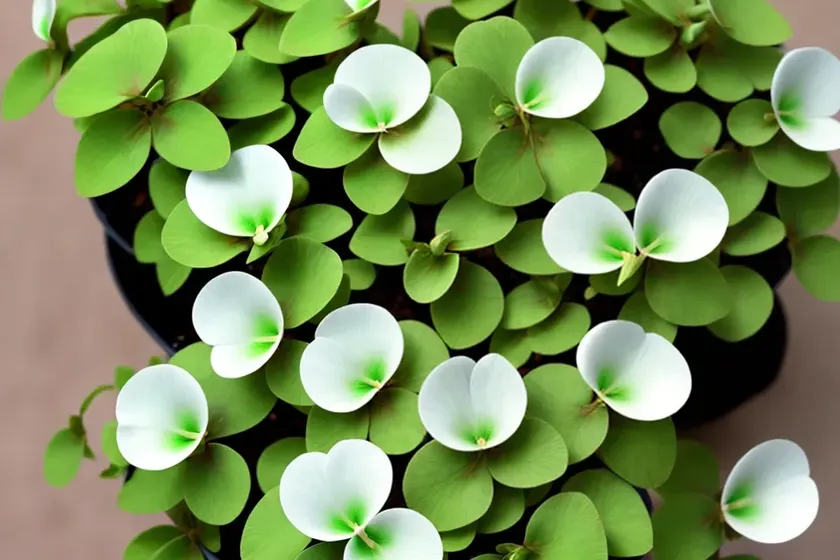
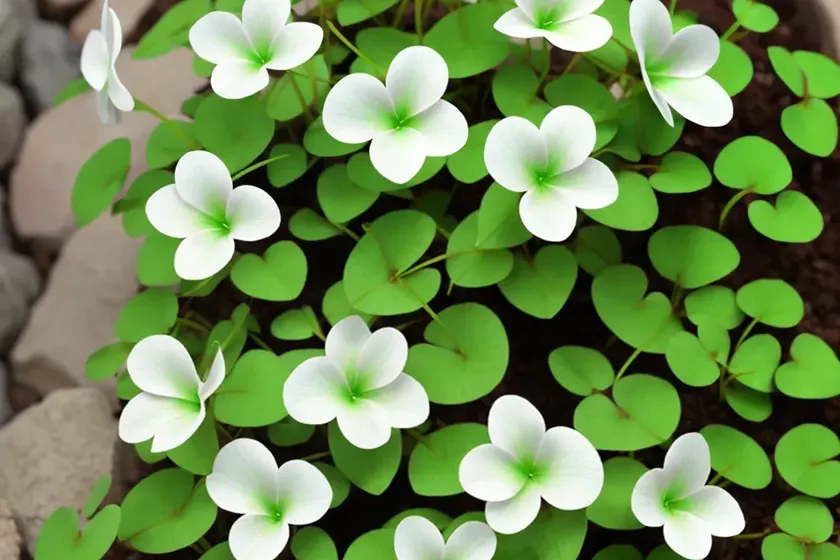
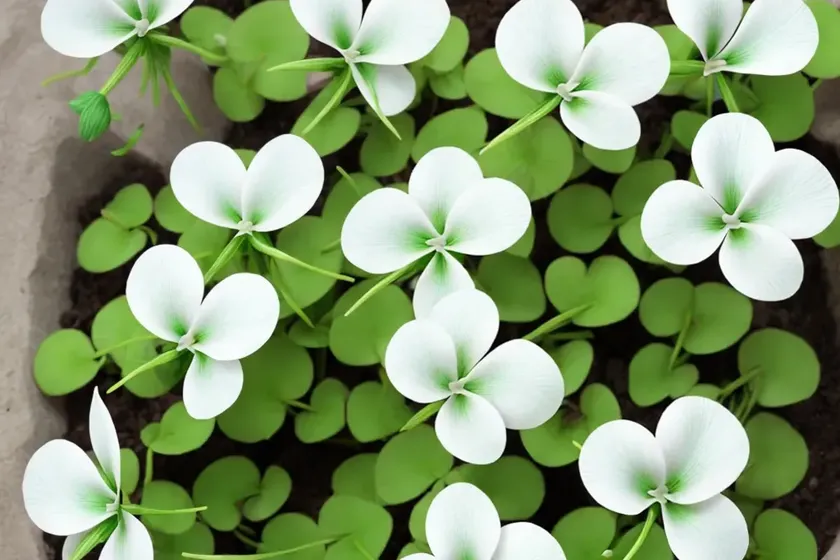
Shamrock plants, scientifically known as Oxalis acetosella, are charming, low-growing perennials that are prized for their delicate, three-leafed clover-like foliage and dainty white or pink flowers. Commonly found in wooded areas, these plants have also gained popularity as indoor ornamentals due to their attractive appearance and relatively easy care requirements. In this comprehensive guide, we will delve into all aspects of caring for Shamrock plants, including their cultural requirements, propagation, common diseases and pests, as well as the diverse uses and symbolic significance of these beloved plants.
What is a Shamrock Plant (Oxalis acetosella)?
Shamrock plants, belonging to the Oxalidaceae family, are native to Europe, North Africa, and parts of Asia. They are characterized by their trifoliate leaves that fold up at night or in low light conditions, a phenomenon known as nyctinasty. Their delicate, heart-shaped leaflets and delicate flowers make them a popular choice for both indoor and outdoor ornamental gardening. The common name “shamrock” references the plant’s resemblance to the traditional Irish symbol, although it is not botanically related to the true shamrock, which is a type of clover.
Key Takeaways
Before delving into the specifics of caring for Shamrock plants, let’s highlight the key takeaways:
- Culture – Shamrock plants have cultural significance in different regions, with some associations to Irish folklore and superstitions.
- Uses – Aside from their ornamental value, Shamrock plants have been used in traditional medicine and are also known for their edible uses.
- Water – Proper watering is essential for the health of Shamrock plants, as they are sensitive to both overwatering and underwatering.
- Sunlight – These plants thrive in dappled or partial shade, making them suitable for shaded garden areas or indoor spaces with indirect sunlight.
- Fertilizer – Care should be taken in fertilizing Shamrock plants to avoid causing damage to their sensitive root systems.
- Soil – Well-draining, humus-rich soil is crucial for successful cultivation of Oxalis acetosella.
- Pruning – Regular pruning helps maintain the compact, bushy growth habit of Shamrock plants and can encourage better flowering.
- Propagation – Propagation of Shamrock plants can be achieved through bulb division or seeds, allowing for the expansion of your plant collection.
- Container – When growing Oxalis acetosella indoors, choosing the right container is essential for their well-being.
Now, let’s explore each of these aspects in detail to provide a comprehensive understanding of caring for Shamrock plants.
Culture
Shamrock plants are not only admired for their beauty but also hold cultural significance in various parts of the world. In Ireland, the shamrock has long been associated with St. Patrick, who used its three leaves to explain the concept of the Holy Trinity. As a result, the plant is a symbol of Irish pride and is strongly linked to Irish culture and traditions. In various other regions, Shamrock plants are also steeped in folklore, often associated with luck, protection, and as an image of the coming of spring.
Uses
Ornamental Value
Shamrock plants are often cultivated for their decorative appeal, whether grown indoors in pots or displayed in shaded garden areas. The charming foliage and delicate flowers make them an enchanting addition to any space, adding a touch of natural beauty.
Traditional Medicine
In traditional medicine, some cultures have utilized parts of the Shamrock plant for their potential medicinal properties. Folk remedies have involved using the leaves and roots for treating various ailments, although it is important to exercise caution and consult medical professionals before using any plant for medicinal purposes.
Edible Uses
Shamrock plants, while not widely used as a primary food source, have been consumed in certain cultures. The leaves, with their tart flavor, are sometimes used in salads or as a garnish. However, it is essential to ensure that the specific variety of Oxalis acetosella is safe for consumption, as some plants in the Oxalis genus contain oxalic acid, which can be harmful in large quantities.
Water
Proper watering is essential for the health and vitality of Shamrock plants. The delicate nature of their leaves and stems makes them particularly sensitive to overwatering, while insufficient moisture can also lead to decline. The key is to find a balance that provides adequate hydration without waterlogging the soil.
When watering Shamrock plants, it is crucial to allow the soil to partially dry out between waterings, as they are susceptible to root rot if left in consistently soggy conditions. During the growing season, typically spring and summer, moderately moist soil is ideal. Reduce watering in the dormant period during fall and winter while being mindful to prevent the soil from completely drying out.
Watering Requirements for Shamrock Plants
- Frequency: Water when the top inch of soil feels slightly dry to the touch. This may translate to approximately once a week during active growth and less frequently during the dormant phase.
- Watering Technique: Water thoroughly, allowing the excess water to drain out of the bottom of the pot. Discard any excess water that accumulates in the saucer to prevent the plant from sitting in standing water.
- Avoid Misting: While Shamrock plants appreciate moderate humidity, misting their delicate leaves directly can lead to leaf spot diseases. Instead, place a humidity tray filled with water and pebbles near the plant to provide the necessary moisture without wetting the foliage.
Sunlight
Shamrock plants thrive in dappled or partial shade, mimicking their natural woodland habitat. When grown indoors, they benefit from bright, indirect light that simulates the filtered sunlight they receive under the canopy of trees. Excessive exposure to direct sunlight, especially during the hottest parts of the day, can scorch their delicate leaves.
Ideal Lighting Conditions for Oxalis acetosella
- Indoor Placement: Position near east or north-facing windows where the plant can receive gentle morning or indirect sunlight for most of the day. If a south or west-facing window is the only option, ensure that the plant is shielded from direct sun by a sheer curtain or placed farther away from the window.
- Outdoor Cultivation: In outdoor settings, select shaded areas with dappled sunlight or partial sun. Underneath the canopy of taller trees or near structures that provide filtered light are suitable locations for these shade-loving plants.
Fertilizer
Care should be exercised when fertilizing Shamrock plants, as their sensitive roots can easily sustain damage from excessive salts or harsh chemicals. It is best to opt for a balanced, water-soluble fertilizer that is diluted to half or quarter strength to avoid overfeeding the plants.
Fertilizing Tips for Shamrock Plants
- Frequency: During the growing season, feed with a diluted, balanced liquid fertilizer every 3-4 weeks to provide the necessary nutrients for healthy growth and flowering.
- Dilution: Mix the fertilizer at half or quarter strength as recommended on the product label to prevent the risk of fertilizer burn or salt buildup in the soil.
- Avoid Overfeeding: Refrain from overfertilizing, as this can lead to excessive foliage growth at the expense of flowers, as well as potential damage to the delicate roots.
Soil
The choice of soil for Shamrock plants is critical for their overall health and longevity. Given their preference for moist but well-draining conditions, a loose, humus-rich potting mix is ideal for promoting healthy growth and discouraging waterlogged conditions that can be detrimental to the plant’s roots.
Best Soil for Oxalis acetosella
- Ingredients: Use a well-aerated potting mix that combines components such as peat moss, perlite, and coarse sand to facilitate drainage and prevent compaction.
- Acidity: While Shamrock plants adapt to a slightly acidic to neutral pH range, they generally thrive in soil with a pH of around 5.5 to 6.5.
- Organic Matter: Incorporating organic matter such as compost or well-rotted leaf mold enriches the soil and provides essential nutrients for healthy growth.
Pruning
Regular pruning plays a vital role in maintaining the compact, bushy form of Shamrock plants and can also encourage better flowering. Removing spent blooms and tidying up leggy growth helps to promote new flowering shoots and keeps the plant looking neat and vibrant.
Pruning Techniques for Shamrock Plants
- Deadheading: As the flowers fade, snip them off at the base of the stem to prevent the plant from expending energy on seed production, encouraging the development of new flower buds.
- Tidying: Trim back any leggy or straggly growth to maintain a tidy, compact appearance. Focus on cutting back to a healthy, outward-facing bud to encourage branching and fullness.
Propagation
Propagating Shamrock plants is a rewarding endeavor that allows for the expansion of your plant collection. Bulb division and seed propagation are the primary methods for reproducing these charming plants, each with its own unique requirements and benefits.
Tips for Propagating Shamrock Plants
- Bulb Division: Divide mature clumps of Shamrock plants in early spring or after the plant’s dormant period by carefully separating the bulbs and replanting them at the same depth in fresh potting mix. This method allows for the quick establishment of new plants.
- Seed Propagation: Collect mature seeds from the plant and sow them in a well-draining seed-starting mix at the start of the growing season, ensuring consistent moisture and warmth for successful germination.
Container
When growing Shamrock plants indoors, selecting the right container is essential for their well-being and aesthetic appeal. The choice of pot impacts factors such as the plant’s growth, health, and the frequency of watering required.
Potting Options for Shamrock Plants
- Size: Choose a pot that provides ample room for the plant’s roots to grow without being excessively large. A container that is 1-2 inches larger in diameter than the plant’s current pot is generally suitable.
- Drainage Holes: Ensure that the pot has adequate drainage holes to prevent the accumulation of excess water at the root zone, which can lead to root rot.
- Material: Opt for porous, breathable containers made of materials such as clay or terracotta, which allow for better airflow to the roots and help to wick away excess moisture. If using plastic pots, ensure that they have sufficient drainage and consider repotting more frequently to prevent waterlogged soil.
Common Diseases
Like all plants, Shamrock plants are susceptible to certain diseases that can impact their overall health and appearance. Understanding and identifying these diseases is crucial for implementing timely intervention and preventing their spread.
Disease Diagnosis
- Leaf Spot: This fungal disease presents as dark, water-soaked lesions on the leaves, often with a yellow halo. Provide adequate air circulation and avoid wetting the foliage to prevent its spread.
- Root Rot: Overly wet conditions can lead to the development of root rot, characterized by wilting, yellowing foliage and a foul odor from the soil. Adjust watering practices and repot the plant in fresh, well-draining soil if root rot is suspected.
- Powdery Mildew: A dusty, white coating on the leaves is indicative of powdery mildew, a common fungal issue. Improve air circulation and consider treating with a suitable fungicide if the problem persists.
Common Pests
Pests can also pose a threat to the health and vitality of Shamrock plants, requiring vigilant monitoring and appropriate pest management strategies when necessary.
Common Pests Affecting Oxalis acetosella
- Aphids: These small, soft-bodied insects cluster on new growth, sucking plant sap and potentially transmitting diseases. Use insecticidal soap or neem oil to effectively manage aphid infestations.
- Spider Mites: Fine webbing on the undersides of leaves accompanied by stippled, discolored foliage are signs of spider mite activity. Mitigate infestations by rinsing the leaves and applying horticultural oil to suffocate the pests.
- Fungus Gnats: These small, flying insects are attracted to excessively moist soil and organic matter. Allow the soil to dry out between waterings and use sticky traps to capture adult gnats.
Botanist’s Tips
To provide further insight into the cultivation and care of Shamrock plants, here are some additional tips from botanists and experienced growers:
- Humidity: Shamrock plants appreciate moderate humidity, especially when grown indoors. To increase humidity levels, use a pebble tray filled with water placed near the plant or consider using a room humidifier for a broader area.
- Temperature: While Shamrock plants prefer cooler temperatures, they are sensitive to frost. Protect them from extremes of heat or cold and provide a consistently comfortable environment.
- Regular Inspection: Routinely inspect the plant for signs of pests or diseases, catching issues early to prevent them from spreading and causing significant damage.
- Winter Care: During the dormant period in winter, reduce watering and offer slightly cooler temperatures to facilitate a period of rest for the plant.
Fun Facts
- The leaves of Shamrock plants exhibit nyctinasty, closing at night and opening in the morning in response to light levels.
- Despite their association with St. Patrick’s Day, the true shamrock symbol is a matter of debate, and Oxalis acetosella is not directly related to the iconic Irish emblem.
- The Oxalis genus encompasses a wide variety of species, with Oxalis acetosella being just one charming representative of this diverse group of plants.
Links to External Resources
To further expand your understanding of Shamrock plants and their cultivation, the following resources provide valuable insights and information:
- Royal Horticultural Society – Oxalis acetosella
- University of Vermont Extension – Growing Oxalis Indoors
- Missouri Botanical Garden – Oxalis acetosella Information
In conclusion, Shamrock plants, with their rich cultural history, delicate foliage, and charming flowers, are an appealing addition to any indoor or shaded outdoor space. By understanding and implementing the key care considerations, from proper watering and lighting to managing common pests and diseases, you can ensure the health and vibrancy of Oxalis acetosella in your home or garden. Whether for their ornamental value, cultural significance, or potential uses in traditional medicine and culinary applications, Shamrock plants continue to captivate enthusiasts with their timeless elegance and enduring appeal.


